



Antique Asian Porcelain Vessel
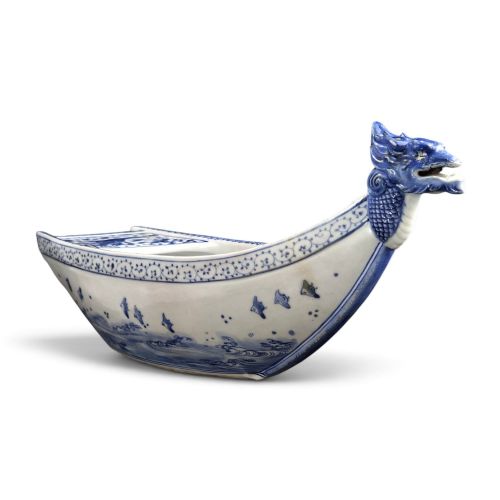
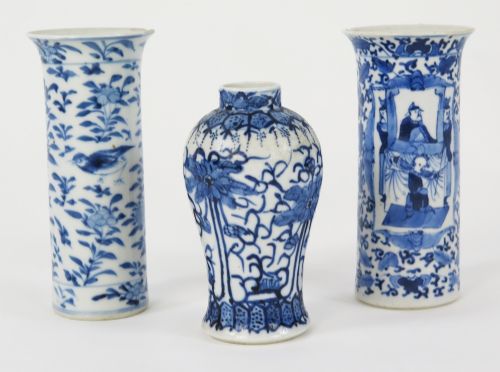
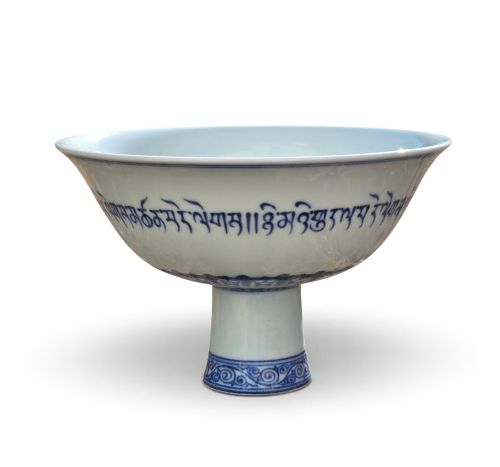
An antique asian porcelain vessel carries centuries of firing skill, from delicate blue and white bowls to bold Meiji jars.
Antique Asian Porcelain Vessel
Every antique asian porcelain vessel on this page represents a distinct tradition of Far Eastern ceramic production, spanning multiple dynasties and imperial reigns. Buyers look to these forms for their historical weight and the visual balance achieved by historical potters.
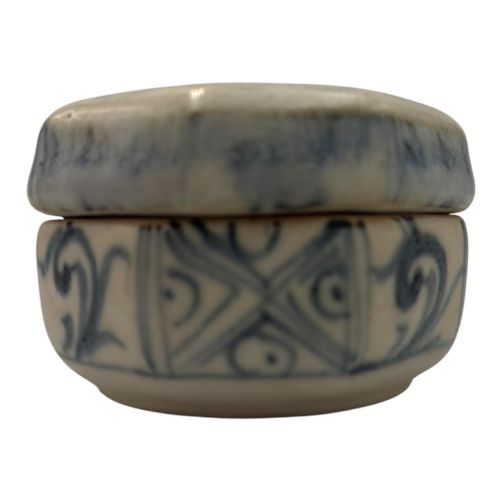
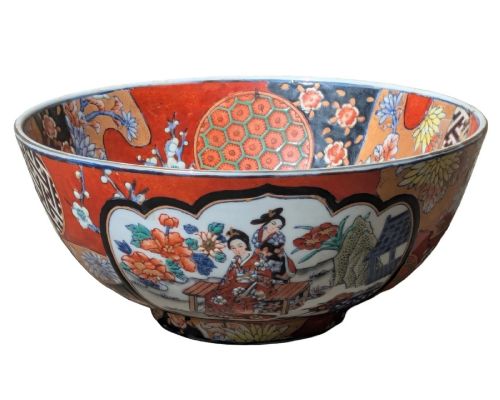
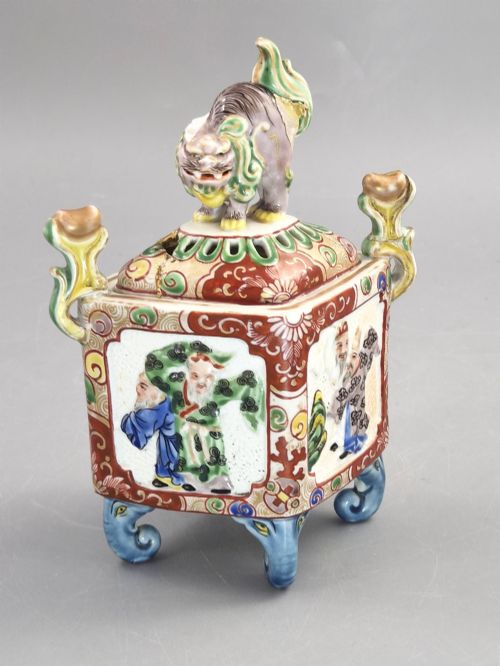
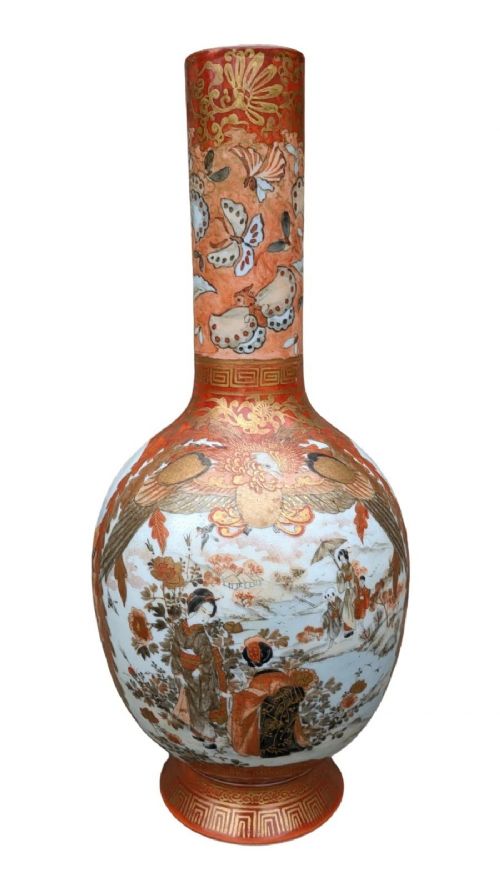
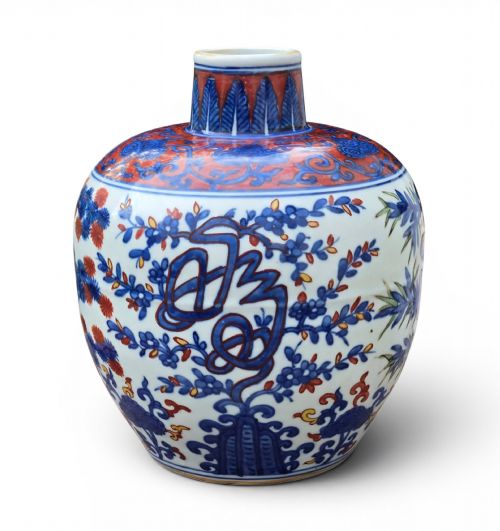
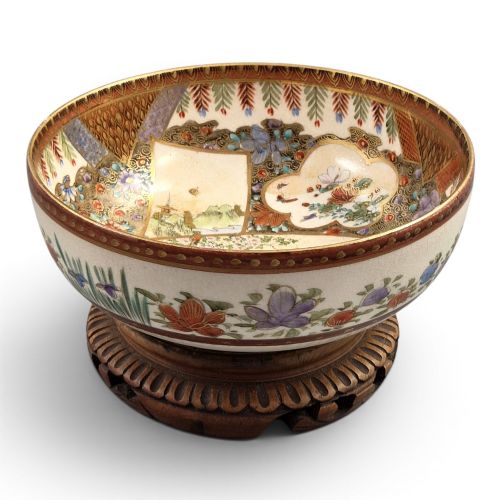
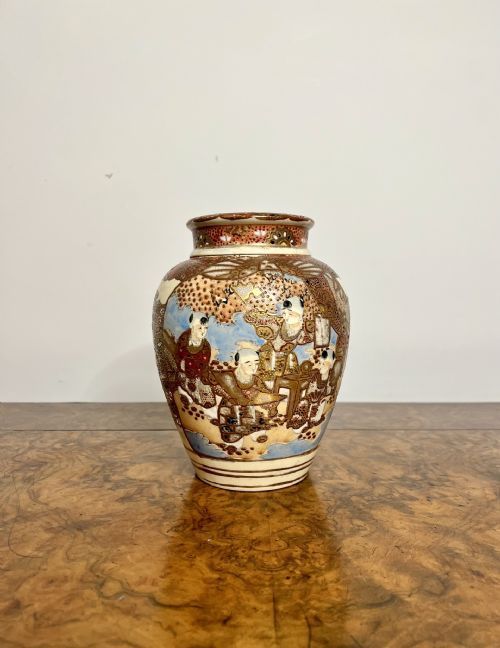
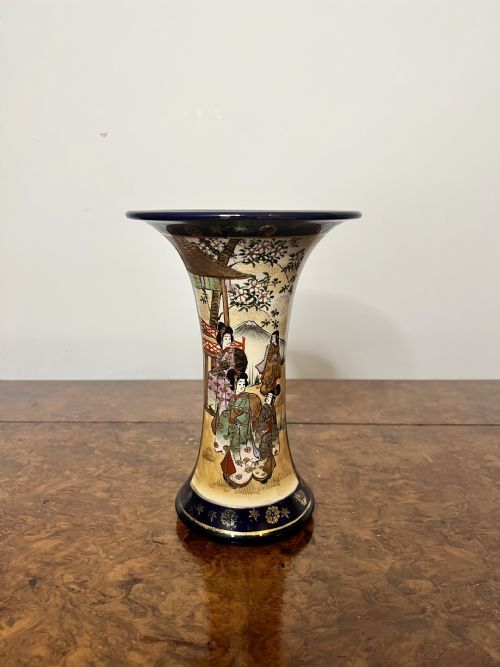
The selections here most frequently include Japanese Satsuma wares from the Meiji period, alongside Chinese blue and white vases and Imari pieces. These range from small ginger jars and covered boxes to monumental tripod censers and flared vessels.
Materials and construction
Makers shaped refined clay bodies on the potter's wheel or within moulds, applying mineral glazes such as cobalt underglaze, celadon, or opaque white Dehua formulas. Firing took place in high-temperature kilns where heat transformed the raw materials into vitrified porcelain and stoneware.
Decoration relied on hand-painted enamels, iron-red pigments, and detailed gold leaf applications. Certain pieces incorporated raised slip work known as moriage or metal additions like bronze and wood components.
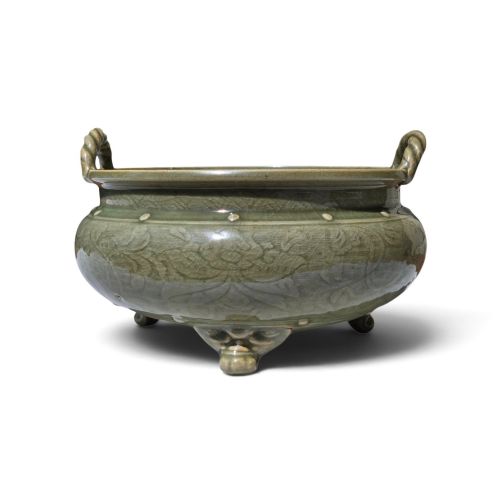
The listings span multiple centuries, incorporating Ming dynasty celadon alongside 19th-century Satsuma and 20th-century Republic period vases.
Assessing craftsmanship and finish
The standard of a piece rests on the precision of the throwing, the control evident in the painted or incised motifs, and the clarity of the glaze after firing. Superior examples display crisp control of cobalt lines or exact enamelling that avoids muddy blending.
Workshops with named artists or imperial marks generally command attention for their sharper detailing and more ambitious figurative scenes. Weight, balance, and the crispness of foot rings further distinguish standard studio output from exceptional creations.
Kozan·Hotoda·Makuzu Kozan·Chosei·Kizan·Taizan·Kinkozan·Kinrin Workshop·Shozan·Gao Hengsheng
The Antique Asian Porcelain Vessel Glossary
- Celadon
- A transparent green glaze over a pale grey or white clay body, producing a jade-like appearance. It originated in China and spread across Asian pottery traditions.
- Imari
- A style of Japanese export porcelain featuring deep cobalt blue, iron red, and gilt highlights. The palette draws on traditions developed in the Hizen province.
- Satsuma
- Earthenware pottery originating from Satsuma province in Japan, characterised by a finely cracked ivory glaze and dense polychrome enamel painting. Much of this output was created for Western export during the Meiji period.
- Doucai
- A Chinese porcelain technique combining underglaze blue outlines with overglaze enamel infill. The method requires multiple kiln firings to set the distinct colour layers.
- Koro
- A traditional Japanese incense burner, typically featuring a lid and supported on three or more feet. These vessels often incorporate sculptural handles or finials shaped like mythical beasts.
Antique Asian Porcelain Vessel: Frequently Asked Questions
How do I care for antique porcelain?
Clean vessels gently using warm water and a mild detergent, avoiding harsh scrubbing or abrasive cloths that can damage overglaze enamels and gold leaf.
Display items away from direct sunlight and sudden temperature shifts to protect fragile glazes and any associated wood stands.
What is the difference between celadon and blue and white?
Celadon relies on an iron-rich glaze that fires to a soft green or grey tone, often highlighting carved or incised floral and animal motifs beneath the surface.
Blue and white ceramics use cobalt oxide painted directly onto the clay body before a clear glaze is applied and fired at high temperatures.
How do I identify a Meiji period piece?
Meiji period items date from the late nineteenth to early twentieth centuries and frequently display dense, intricate decoration intended for the export market.
Many of these Japanese works bear artist signatures or workshop marks on the base, alongside distinctive imperial crests or rich gilt detailing.
Were these vessels used for daily dining?
While some bowls and cups served functional roles in households or tea ceremonies, many jars, vases, and censers were decorative objects or ritual items.
Larger vessels and incense burners held ceremonial or display purposes within scholarly rooms and temples rather than everyday utility.