


Antique Asian Decorative Dishes
Antique asian decorative dishes bring together centuries of craftsmanship, offering vibrant porcelain, cloisonne enamel and metalwork for the home.
Antique Asian Decorative Dishes
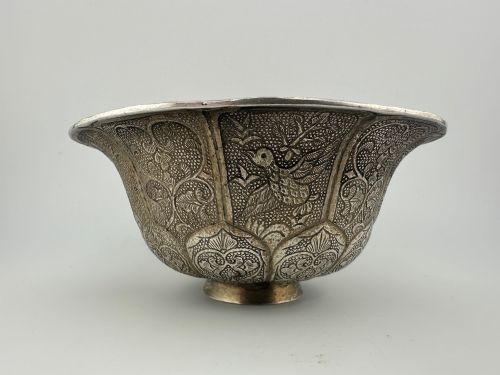
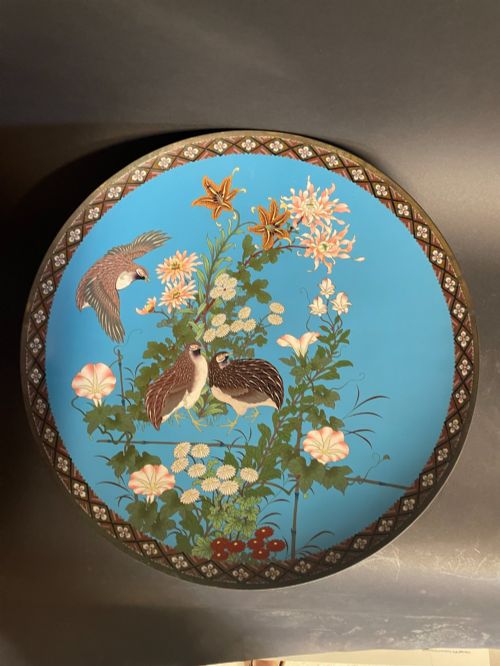
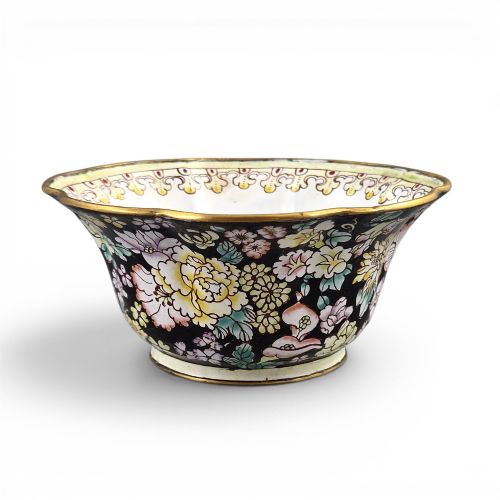
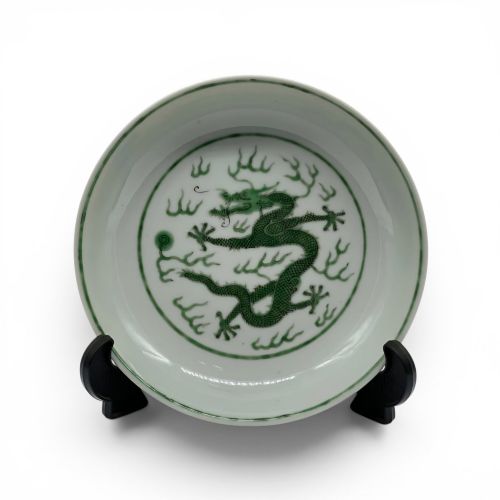
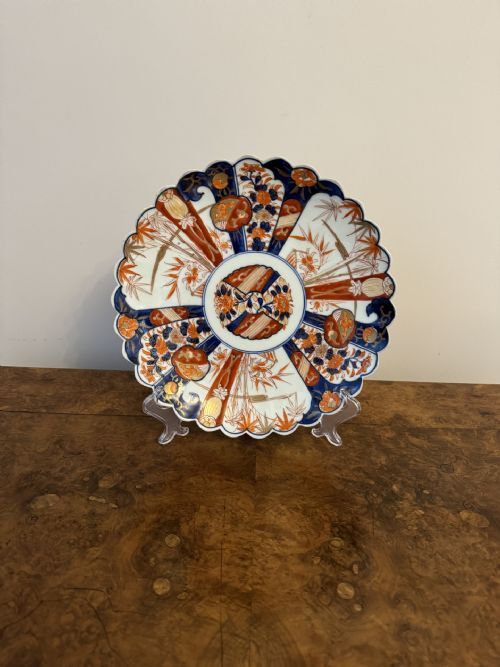
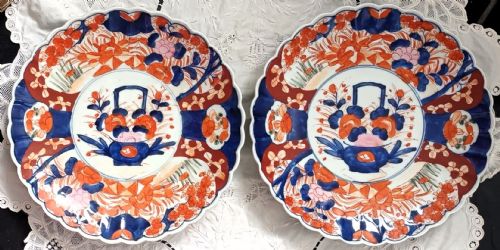
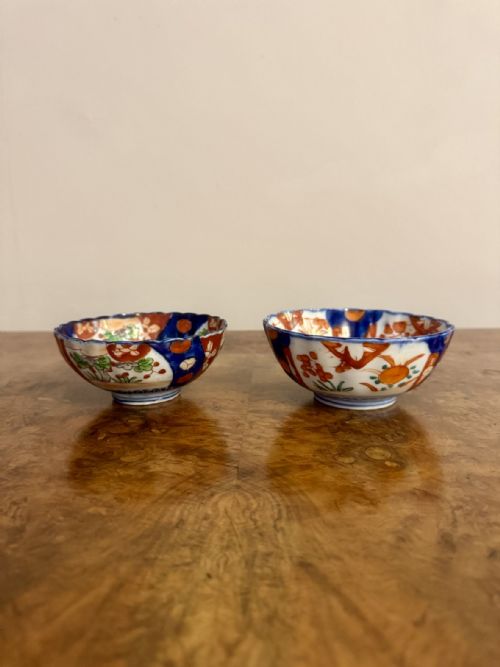
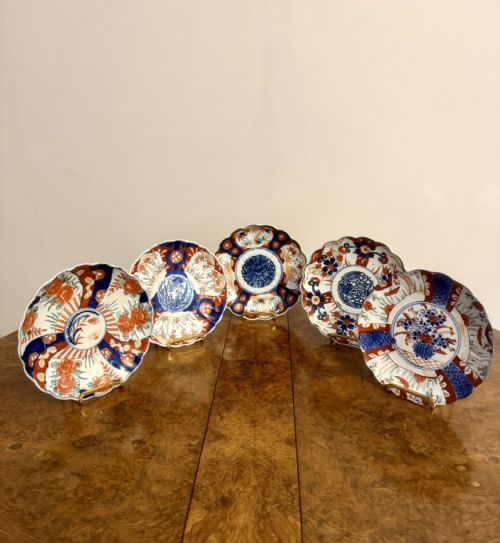
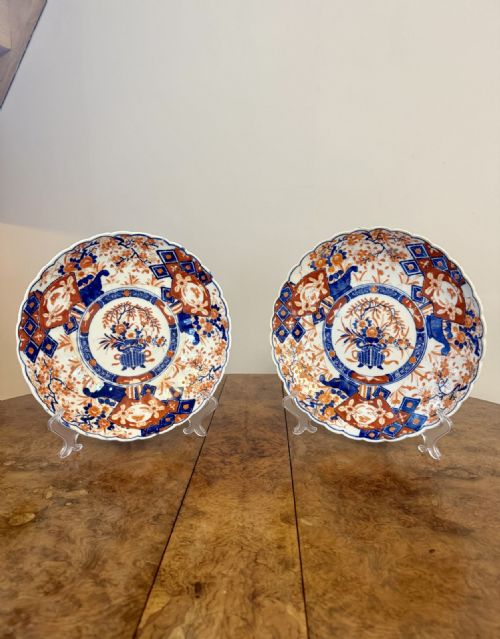
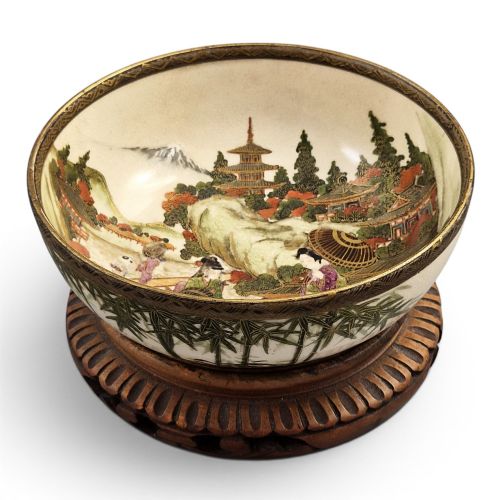
When you search for antique asian decorative dishes, you encounter plates, bowls, chargers, and plaques originating from Japan and China across the nineteenth and early twentieth centuries. These pieces encompass items such as large Imari chargers, Satsuma bowls, and cloisonne plates designed for display.
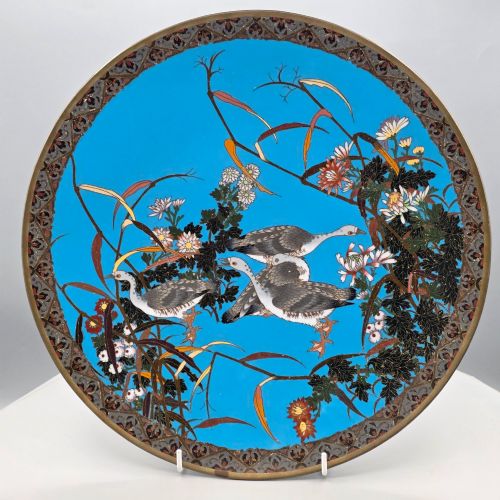
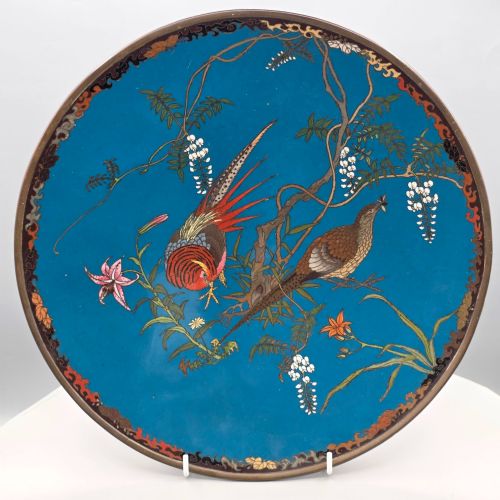
The version you are most likely to meet on this page is a Japanese porcelain or cloisonne piece from the Meiji period or around nineteen hundred. They range from small scalloped bowls to massive chargers depicting birds, flowers, and cultural figures.
Materials and Technique
Many of these works utilise porcelain and earthenware painted by hand with intricate glazes and enamels. Cloisonne examples employ fine metal wires soldered to a copper or brass base to create compartments filled with coloured enamel paste.
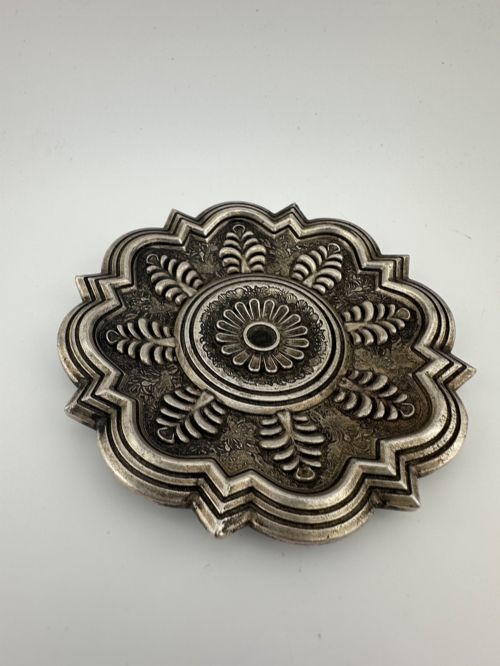
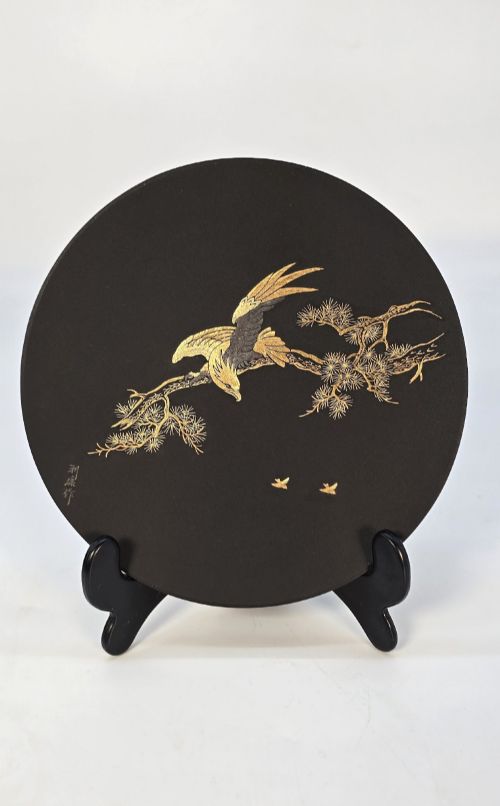
Other items incorporate white metal, patinated iron, and gold or silver inlay techniques. Artisans shaped chargers, dishes, and plaques using traditional methods spanning the Qing dynasty, Edo, and Meiji periods.
Listings feature items spanning the nineteenth century up through the nineteen twenties, including Edwardian and Qing dynasty examples.
Distinctions in Execution
The standard of these decorative items rests upon the precision of the hand painting and the complexity of the design. Finer cloisonne pieces display tight wirework and smooth enamel polishing without surface pitting, while superior porcelain shows crisp cobalt blue or polychrome details.
Artisanal signatures and marks from specific makers or periods elevate particular bowls and chargers above standard production pieces. The depth of the patination on metal items and the balance of the composition across large plates indicate the maker's skill.
Koshida·Kozan
The Antique Asian Decorative Dishes Glossary
- Imari
- A style of Japanese porcelain featuring a palette of underglaze blue, iron red, and gilt. It originated in Arita and gained popularity across Europe during the export trade.
- Cloisonne
- A decorative metalwork technique where wire partitions hold enamel pastes before firing. This method produced intricate designs of birds, dragons, and floral motifs on chargers and plates.
- Charger
- A large decorative plate utilised primarily for display on tables or walls rather than for serving food. These pieces often measure over thirty centimetres across.
- Satsuma
- A type of Japanese earthenware characterised by a ivory craquelure glaze decorated with polychrome enamels and gold. It was widely produced during the Meiji period.
- Kutani
- Japanese porcelain known for its bold pictorial designs, often incorporating deep greens, purples, and reds. It frequently depicts natural scenes and figures.
Antique Asian Decorative Dishes: Frequently Asked Questions
How do I tell Meiji period pieces apart?
Meiji period items often feature detailed hand-painted motifs like birds, flowers, and mythological subjects on porcelain, Satsuma ware, or cloisonne. They typically date from eighteen sixty-eight to nineteen twelve.
Look for maker signatures, refined enamel work, and styles distinct from earlier Edo period productions.
Were these chargers used for food?
Large chargers and decorative plaques were generally made for display in domestic interiors rather than dining purposes. Their intricate painted surfaces and delicate wirework suited placement on walls or mantelpieces.
Smaller bowls and dishes saw more practical domestic use while still maintaining highly decorative designs.
How should I display a charger safely?
Display chargers and large plates using sturdy wall brackets or dedicated display stands designed for heavy ceramic and metal objects. Ensure the weight is evenly supported across the base and rim.
Keep them away from direct sunlight and areas prone to heavy vibrations to protect the enamel and glaze.