
Antique Asian Cloisonne Enamel
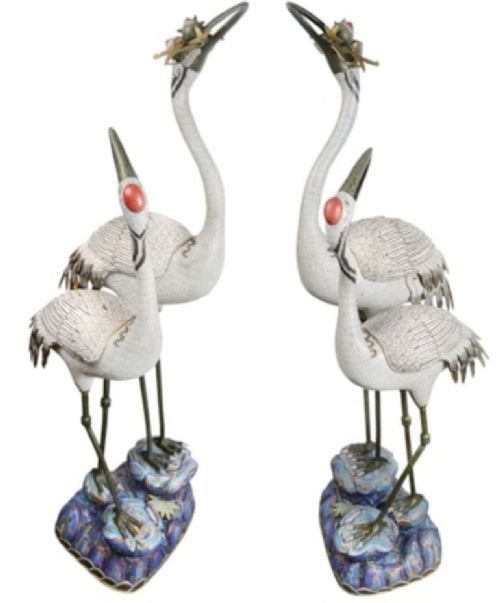
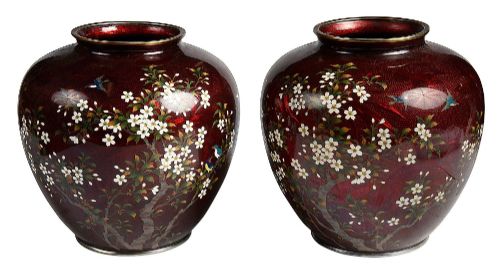
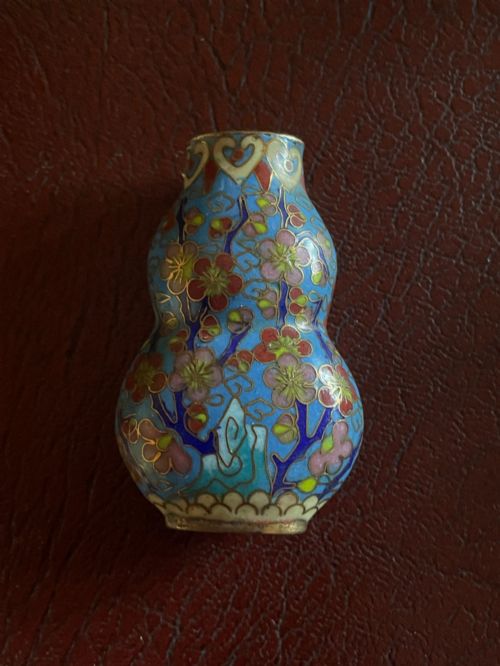
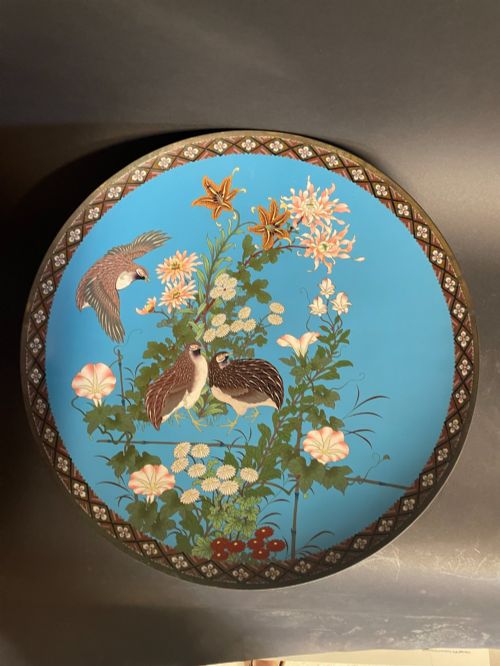
These antique asian cloisonne enamel pieces are metal vessels and plates decorated with wired vitreous colours, sought after for their intricate pictorial motifs.
Antique Asian Cloisonne Enamel
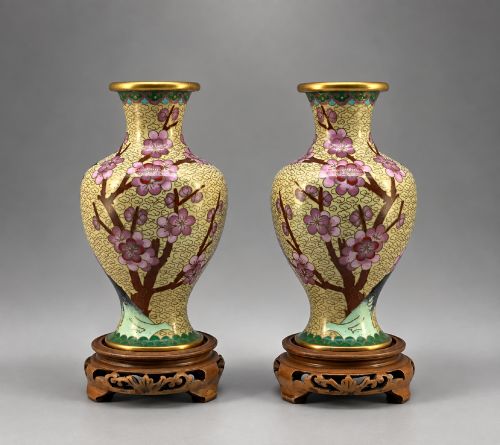
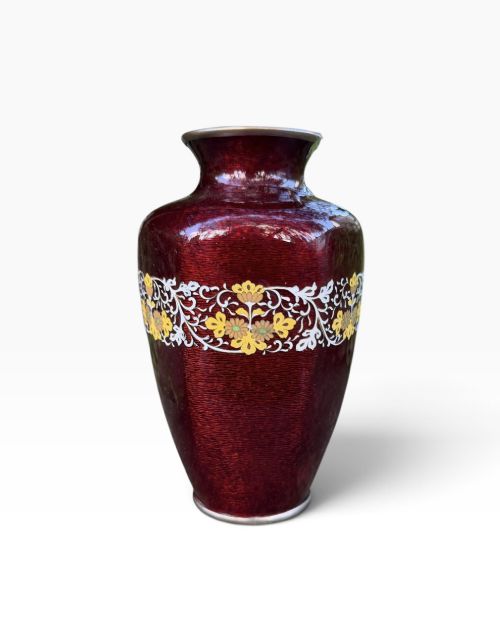
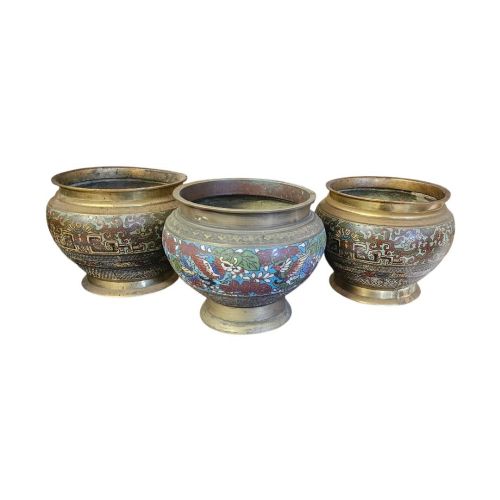
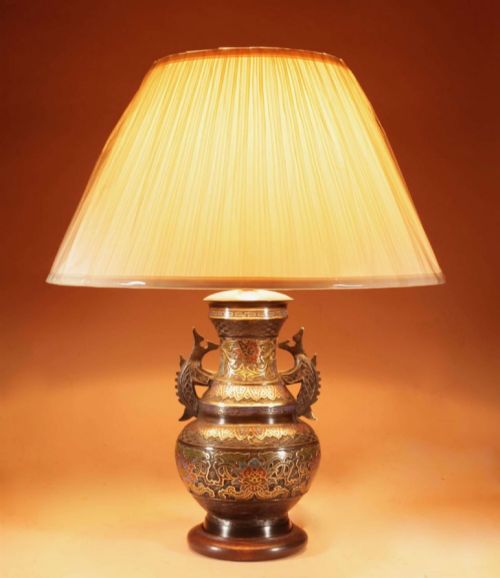
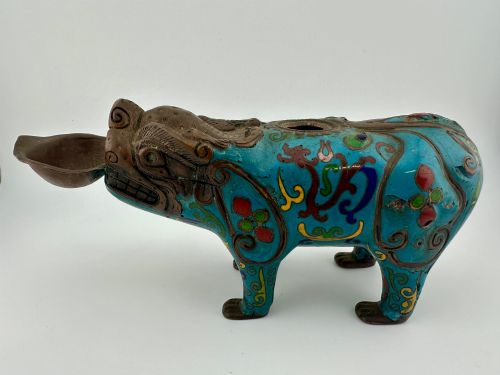
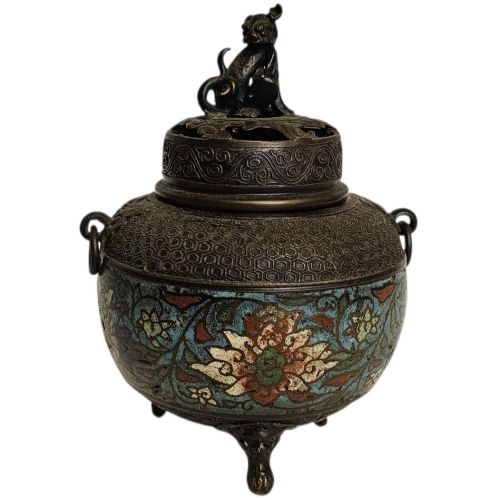
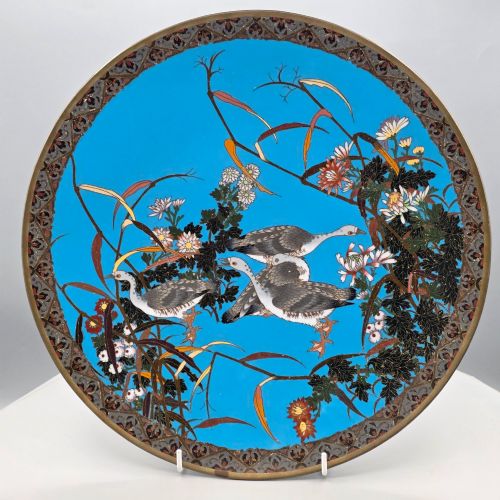
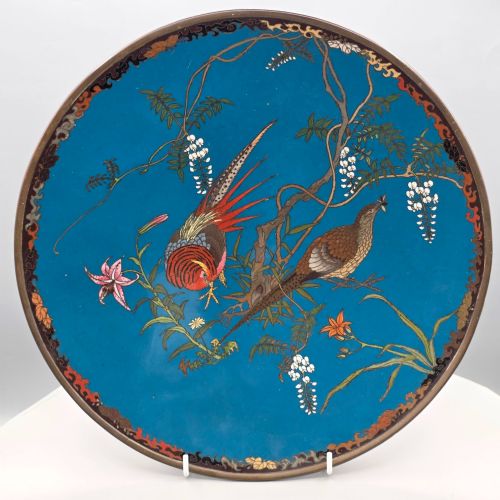
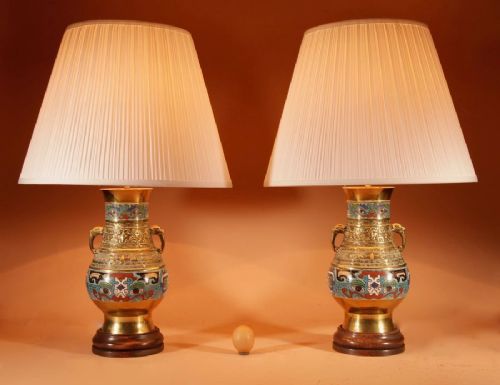
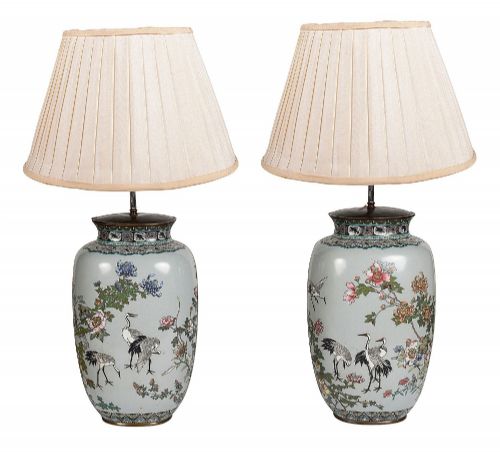
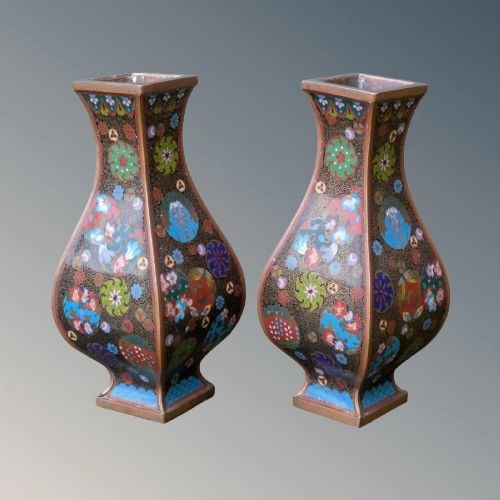
When searching for antique asian cloisonne enamel, you encounter decorative chargers, plates, vases, ginger jars, and table lamps originating from Chinese and Japanese workshops. These objects span periods from the mid-nineteenth century through the early twentieth century, including the Meiji period and Qing dynasty. The Japanese items frequently display naturalistic subjects such as birds, fish, dragons, and landscapes, while Chinese examples often feature ritual forms like censers, tripod vessels, and mythical beasts.
Vessels and plates form the core of what appears in this selection, accompanied by occasional lidded gourd pots and miniature vases. Table lamps created from converted vases or bronze lamp bases also occur regularly among the listings. Buyers meet both individual display pieces and matched pairs designed for symmetrical placement.
How They Were Made
Artisans formed the body of each piece using copper, brass, or bronze as a sturdy foundation for the decorative scheme. Thin metal wires of brass or copper were soldered onto the metal substrate to outline individual cells, known as cloisons, which mapped out the intricate design. Enamel paste was then packed into these compartments before the object underwent multiple firings in a kiln.
After firing, the surface was ground down and polished so that the metal wire outlines sat flush with the hardened vitreous enamel. Champlevé variations involved carving troughs directly into the bronze or brass base rather than applying soldered wires, creating sunken channels for the enamel fill. Final gilding or metal finishing was sometimes applied to exposed rims and bases.
Listings feature copper, brass, and bronze bases decorated with wired enamel across nineteenth-century and early twentieth-century periods.
What Varies in Quality
The precision and fineness of the wirework dictate the visual clarity of the design, with thinner wires allowing for more intricate pictorial detail. Superior examples display dense, complex compositions involving subjects such as dragons, samurai, or birds executed with exact symmetry and clean lines across the surface.
The depth, evenness, and polish of the enamel fill further distinguish superior workmanship from standard production. Expert execution minimises pitting and surface irregularities within the coloured cells, resulting in a smooth, glass-like finish that enhances the underlying metal framework.
Kinkozan
The Antique Asian Cloisonne Enamel Glossary
- Cloisonne
- Enamelwork in which compartments are created by soldering thin metal wires to a metal base. These cells are filled with vitreous paste and fired.
- Champleve
- A technique where troughs or cells are hollowed directly into a bronze or brass surface to hold enamel paste. This method leaves thicker metal walls visible between the filled areas.
- Charger
- A large decorative plate intended for display on a wall or stand rather than for dining use. These items often feature complex pictorial scenes across a wide surface.
- Meiji Period
- The era of Japanese history lasting from 1868 to 1912, noted for technical mastery and intricate metalwork exported internationally. Pieces from this time frequently depict birds, dragons, and landscapes.
- Qing Dynasty
- The final imperial dynasty of China, ruling from 1644 to 1912. Works from this period commonly include bronze censers, tripod vessels, and ritual forms with stylized motifs.
Antique Asian Cloisonne Enamel: Frequently Asked Questions
How do I clean antique cloisonne enamel safely?
Dust the surface gently with a soft, dry cloth to remove everyday particles without disturbing the metal wires. Avoid liquid cleaners, abrasive pads, or chemical solvents, which can damage the historic enamel and exposed bronze or brass.
For stubborn grime, consult a professional conservator rather than attempting immersion in water. Moisture can seep beneath cracked enamel or corrode the underlying metal body over time.
Were these pieces made for export?
Many Japanese and Chinese items from the nineteenth and early twentieth centuries were produced specifically for international markets, particularly following the opening of Japanese trade during the Meiji period. Western demand encouraged workshops to create decorative chargers, vases, and matched lamp pairs suited to European and American interiors.
At the same time, traditional forms like tripod censers and ritual vessels maintained a direct connection to domestic aesthetic and cultural traditions. Workshops adapted both scales and motifs to satisfy the preferences of foreign buyers visiting or trading in East Asia.
How can I tell Chinese from Japanese work?
Chinese pieces often utilise heavier bronze or brass foundations, frequently taking the form of ritual vessels, tripod censers, and archaic shapes with stylised motifs. The colour palettes tend toward rich blues and turquoises paired with heavy gilt bronze elements.
Japanese examples from the Meiji period generally employ thinner copper bases with refined wirework depicting naturalistic subjects like birds, flowers, and Mount Fuji. The overall finish often prioritises subtle tonal gradations and pictorial realism over heavy ritual forms.
What is the difference between cloisonne and champleve?
Cloisonne involves soldering flat metal wires onto a metal base to form raised partitions that hold the coloured enamel paste. The resulting grid of thin lines defines the boundaries of every visual element.
Champleve requires carving or casting the design channels directly into a thick bronze or brass plate, leaving solid metal walls between the enamel fills. This creates a bolder, more structural interplay between exposed metal and coloured infill.