








Antique Artist Paints
Antique artist paints represent the physical materials of historic creation, offering collectors a direct link to the palettes and studios of past centuries.
Antique Artist Paints
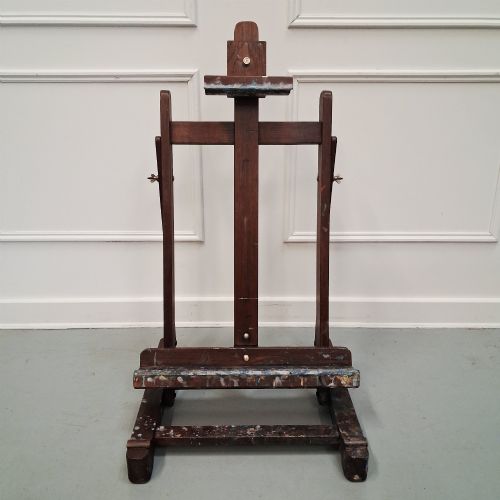
When searching for antique artist paints, collectors encounter the physical remnants and containers of historic creation rather than finished works on canvas. The material evidence shows items like display cases associated with historic makers, pointing to how artists stored and presented their working materials.
The objects span periods from the eighteenth century through the early twentieth century, reflecting the material culture of painters' studios. While finished paintings dominate the broader historical record, the specific category of artist paints focuses on the tools of production.
Buyers look for preserved containers, boxes and display pieces that housed pigments and oils. These items reveal the practical side of historic fine art creation across Victorian, Edwardian and Georgian eras.
How they were made
Makers utilised traditional timber construction, notably mahogany and oak, to build display cases and storage for artist materials. Joinery techniques from the eighteenth and nineteenth centuries ensured these containers withstood studio use.
Glass panels and brass fittings frequently complemented the wooden structures, allowing pigments and equipment to be viewed while protected. Craftspeople shaped these materials by hand, combining utility with the refined aesthetics of their period.
The material record for artist supplies spans from the eighteenth century through the early twentieth century, featuring mahogany and brass.
What varies in quality
The distinction between standard studio equipment and finer examples rests on the selection of timber and the precision of the hardware. Superior pieces employ dense hardwoods like mahogany alongside robust brass hinges and secure locks.
Originality of components and surviving maker attribution elevate a piece beyond basic utilitarian storage. Craftsmanship shows in the tightness of the joints and the careful finishing of the wood surfaces.
Winsor and Newton
The Antique Artist Paints Glossary
- Mahogany
- A durable tropical hardwood utilised for fine furniture and artist storage boxes. Its rich grain and stability made it the preferred choice for nineteenth-century studio equipment.
- Brass
- A copper and zinc alloy used for hinges, locks and decorative mountings on artist cases. This metal provides both structural strength and a warm metallic contrast to dark woods.
- Display case
- A glazed cabinet or box designed to showcase contents while protecting them from dust and damage. In the context of artist materials, these cases housed paints and related studio requisites.
- Watercolour
- A paint method using water-soluble pigments on paper supports. Historic watercolours required specific pans or tubes held within portable sketching boxes.
Antique Artist Paints: Frequently Asked Questions
What did historic artist paint boxes include?
Historic paint boxes typically contained ceramic palettes, ground pigment cakes, glass Muller tools and compartments for brushes.
These portable kits allowed painters to work outdoors or travel easily between commissions during the eighteenth and nineteenth centuries.
How do I care for antique studio wood?
Maintain antique mahogany or oak by keeping pieces away from direct sunlight and sudden temperature shifts.
Apply a light microcrystalline wax occasionally to nourish the wood surface without building up excessive residue.
Are these paint containers safe to use?
Historic artist paints often contained toxic heavy metal pigments like lead white or mercury-based vermilion. Collectors should treat antique pigment remnants as display items rather than functional art supplies.
Preserving the original contents intact maintains both historical integrity and personal safety.
How can I date an artist box?
Dating relies on the style of the hardware, the type of timber used, and any maker stamps or paper labels inside the lid. Dovetail joints and brass screw types also offer clues to the decade of manufacture.
Comparing construction details with dated studio furniture helps narrow the period.