


Antique Art Rack
The search phrase antique art rack covers functional storage items spanning silver tableware to oak hall stands.
Antique Art Rack
An antique art rack encompasses a wide array of functional domestic items designed to hold specific objects, ranging from sterling silver breakfast toast racks to oak magazine storage units and hallway umbrella stands. Buyers searching this category frequently encounter pieces linked to the Arts and Crafts, Art Nouveau, and Art Deco movements, originating predominantly from the late nineteenth century through the interwar decades.
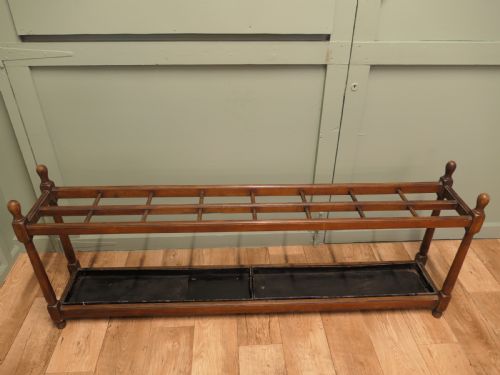
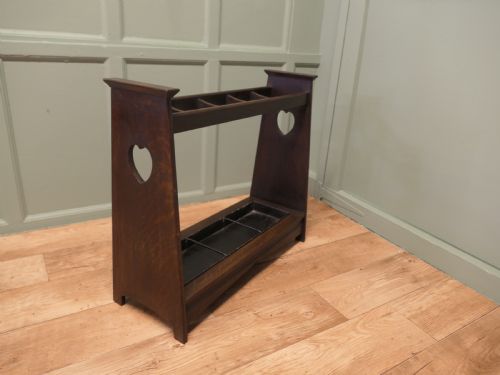
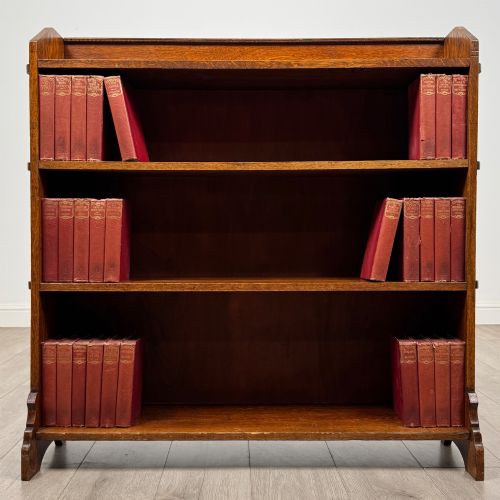
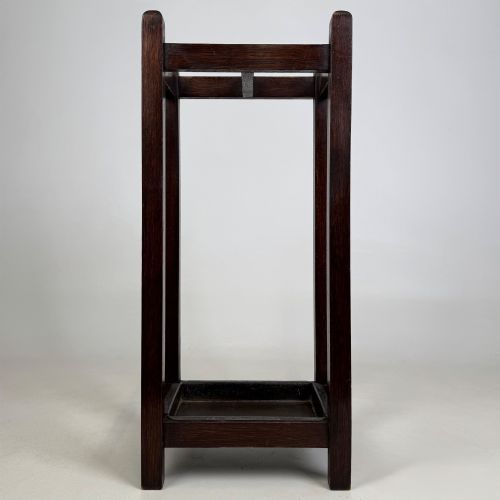
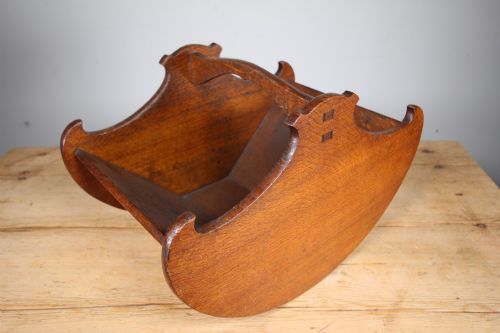
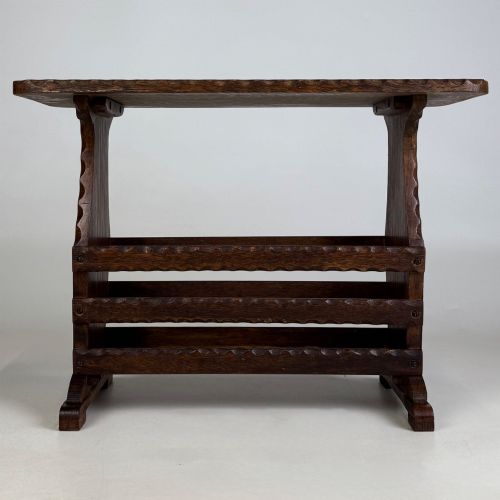
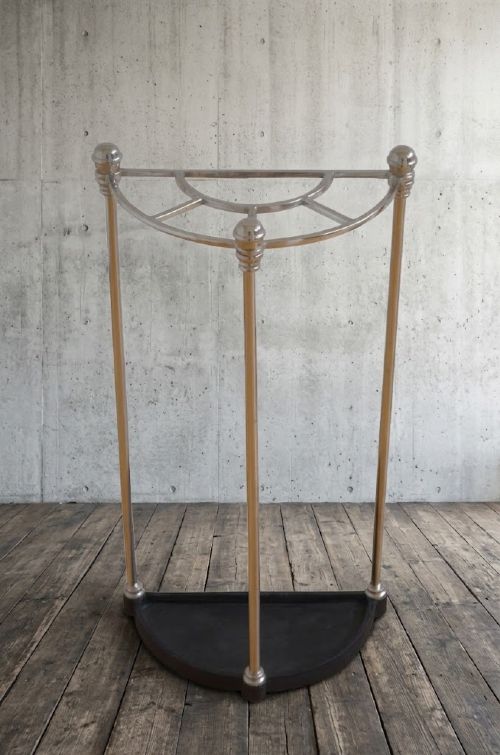
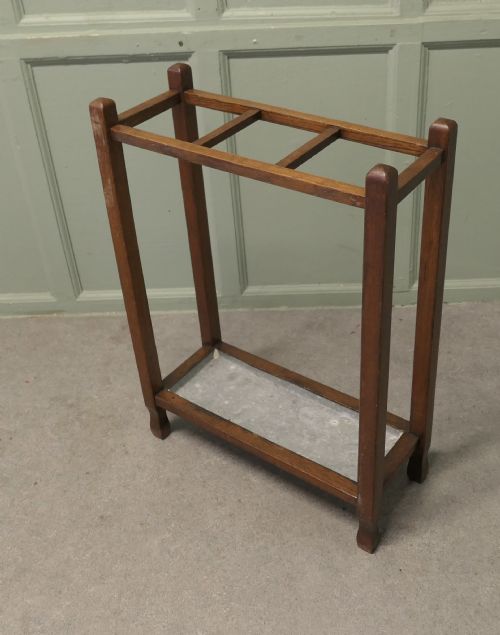
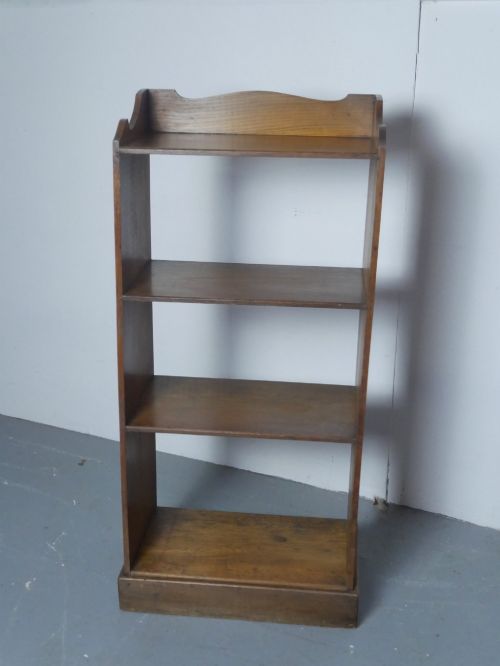
The domestic hall furniture on offer includes hat, coat, and stick stands alongside wall shelves and umbrella holders made primarily of oak, cast iron, and brass. Smaller tabletop examples feature sterling silver slice toast racks, stationery holders, letter racks, and book trugs produced during the Edwardian period and the nineteen-thirties.
How they were made
Wood pieces rely on solid oak, walnut, and pine, frequently shaped into utilitarian hall furniture and storage racks through traditional joinery methods. Metal examples utilise cast iron, nickel plating, brass, and sterling silver, often cast or formed into rigid architectural frameworks with integrated drip trays or dividing slices.
Makers employed surface finishing techniques such as white enamel finishes on cast iron, hand-painted details on pine and wall shelves, and polished golden or honey tones on quarter-sawn oak. Silver items received hallmarks at assay offices in locations such as Birmingham alongside maker marks.
Several cast iron umbrella stands mimic bamboo stalks, proving that Victorian hallways secretly longed for a tropical holiday.
What varies in quality
The standard of an antique rack depends upon the integrity of its materials and the ambition of its design within periods like Art Nouveau or Arts and Crafts. Pieces featuring substantial gauges of sterling silver, heavy cast iron mouldings, or solid architectural oak outlast lighter, mass-produced alternatives.
Attribution to known designers or workshops elevates certain items, evidenced by maker labels, stamped sterling silver hallmarks, or distinct regional cabinet-making traits. Original surface patination, intact structural divisions, and unaltered metal finishes separate standard utility objects from high-end examples.
Arthur Simpson·Jas Shoolbred·Heals of London·Walker and Hall
The Antique Art Rack Glossary
- Arts and Crafts
- A design movement prioritising traditional craftsmanship, visible construction methods, and simple utility over mass-produced ornamentation. It heavily influenced oak furniture and metalwork around the turn of the twentieth century.
- Art Deco
- A style characterised by sleek geometric lines, stylised motifs, and modern industrial metals prevalent during the nineteen-twenties and nineteen-thirties. It appears frequently in silver toast racks and nickel-plated umbrella stands.
- Art Nouveau
- An ornamental style defined by flowing, organic plant-like curves and asymmetrical forms seen in cast iron umbrella stands and brass stationery holders from the late nineteenth and early twentieth centuries.
- Hall Stand
- A piece of hallway furniture combining coat hooks, umbrella wells, and occasionally a mirror or glove box, constructed largely in solid oak or bentwood.
- Toast Rack
- A small tabletop dining accessory featuring multiple metal slices or dividers designed to hold pieces of toast upright, commonly executed in sterling silver.
Antique Art Rack: Frequently Asked Questions
What is an art rack?
An art rack encompasses diverse storage items and tabletop accessories, ranging from oak umbrella stands to silver toast racks.
These pieces span multiple decorative movements including Arts and Crafts, Art Nouveau, and Art Deco.
How were silver toast racks used?
Silver toast racks served dining tables by holding freshly made toast upright to prevent the slices from becoming soggy.
They were produced in various slice counts and geometric configurations by silversmiths during the Edwardian era and the interwar period.
Where should I place a hall stand?
Hall stands suit entranceways and corridors where coats, hats, sticks, and umbrellas require organised storage.
Their integrated drip trays and multiple hooks manage everyday garments and wet weather gear.
How do I identify Art Nouveau pieces?
Art Nouveau items display organic, flowing lines, floral motifs, and stylised natural forms reminiscent of plant stems.
This aesthetic appears prominently in cast iron umbrella stands and brass stationery holders.