




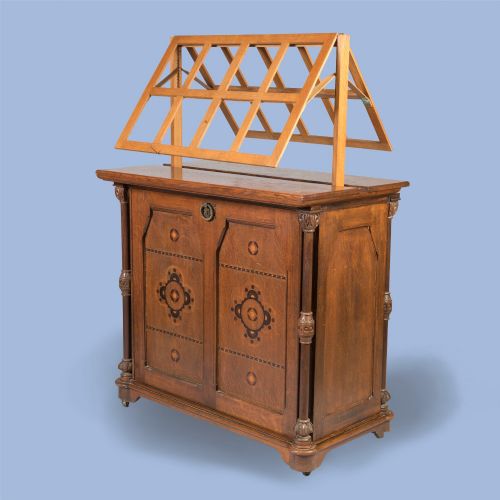


Antique Portfolio Stand
An antique portfolio stand is a practical piece designed to hold prints and drawings, and collectors seek them for their architectural frames and rich timber.
Antique Portfolio Stand
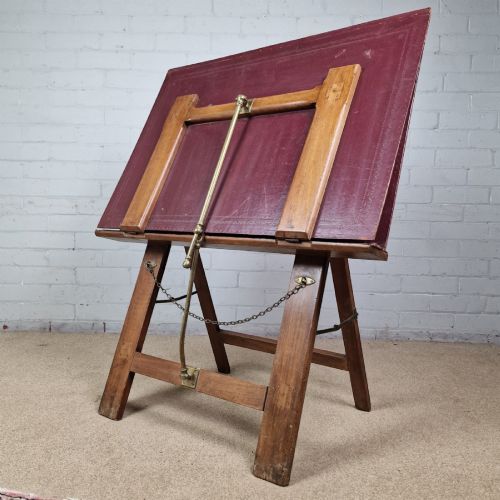
When you search for an antique portfolio stand, you encounter pieces intended for libraries, drawing rooms and artists' studios to display large sheets of paper without damage. The selection centres on nineteenth-century examples, spanning the Regency, Victorian and late Georgian periods.
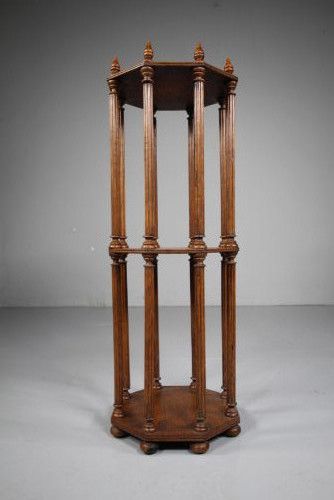
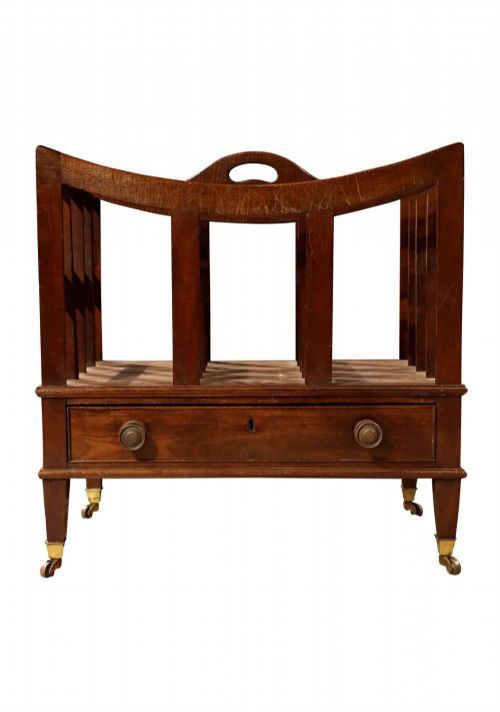
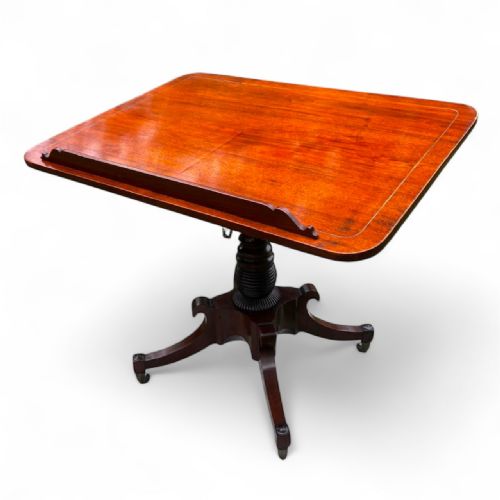
The forms vary from simple wooden picture racks and adjustable artist stands to multifunctional music canterburys and reading tables. Mahogany and walnut dominate the offerings, frequently accompanied by brass fittings or subtle marquetry inlay.
Most items reflect formal nineteenth-century room settings, though occasional Black Forest carved wood pieces introduce more rustic or naturalistic ornament. Buyers typically find sturdy floor-standing models designed to handle heavy folios and plates.
Materials and construction
Cabinetmakers built these stands primarily in solid mahogany, oak, walnut and rosewood, selecting dense hardwoods capable of supporting heavy paper collections. Grain direction and timber selection governed both structural integrity and visual appeal.
Makers integrated brass hinges, castors and adjustable mechanisms to allow the frames to tilt or fold safely. Details such as carved wood ornament, marquetry inlay and leather surfaces added decorative polish to the functional framework.
Some stands doubled as sheet music storage before finding a second life holding modern architectural prints.
Evaluating craftsmanship
Benjamin Taylor & Sons
The Antique Portfolio Stand Glossary
- Folio stand
- A furniture piece with hinged frames designed to hold large loose sheets of paper, prints or maps.
- Canterbury
- A low stand featuring vertical partitions, originally made for sheet music but frequently adapted for magazines and folios.
- Regency
- A British design period spanning the early nineteenth century, characterised by classical restraint and neoclassical motifs.
- Marquetry inlay
- Decorative patterns formed by fitting contrasting veneers into timber surfaces.
- Gothic Revival
- A nineteenth-century architectural and decorative style drawing inspiration from medieval forms and pointed arches.
Antique Portfolio Stand: Frequently Asked Questions
How were portfolio stands used historically?
Libraries and drawing rooms utilised them to display valuable plates and architectural drawings without creasing the paper.
Artists also used adjustable variants in studios to keep active projects accessible while protecting them from dust and damage.
Can I use a portfolio stand for modern art?
Modern prints, photographs, and large paintings fit very well into the adjustable frames of these nineteenth-century stands.
The sturdy timber construction handles modern archival portfolios securely while adding period character to a studio or gallery.
How do I identify a Regency folio stand?
Regency pieces often display classical proportions, dark mahogany or rosewood timbers, and restrained brass mounts without heavy ornamentation.
They date from the early nineteenth century and typically emphasise clean architectural lines and functional adjustability.