
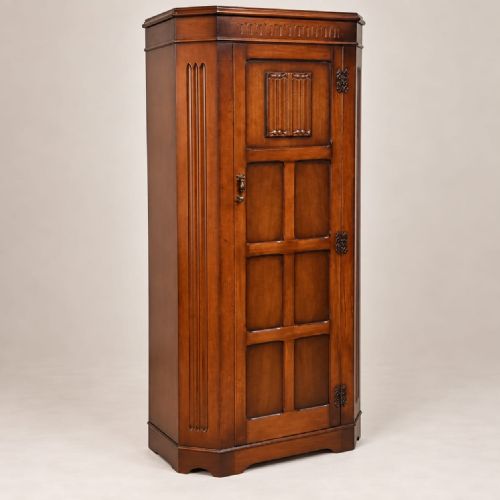
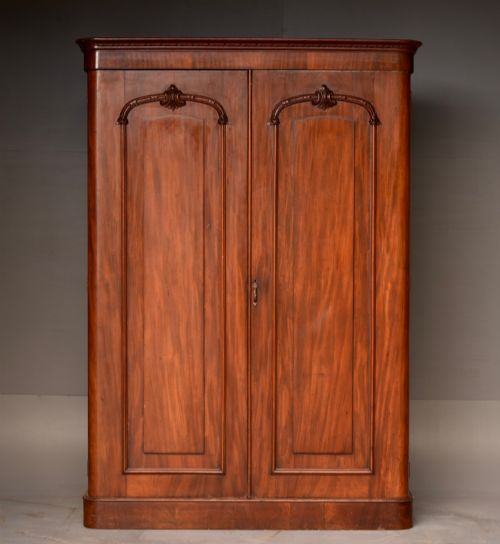
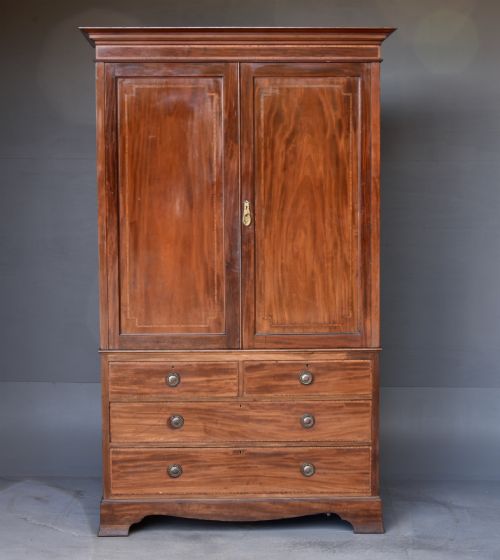

Antique Armoire Wardrobe
An antique armoire wardrobe provides substantial bedroom storage through centuries-old craftsmanship and generous proportions.
Antique Armoire Wardrobe
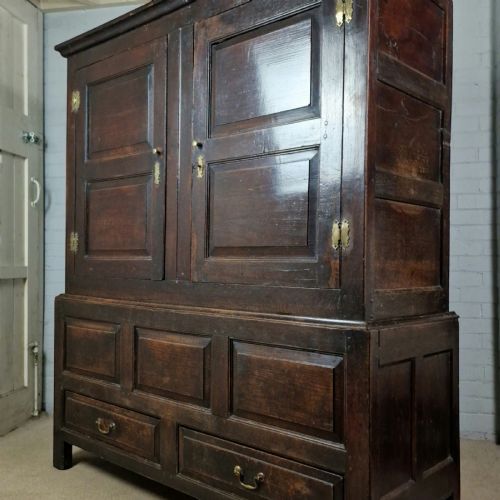
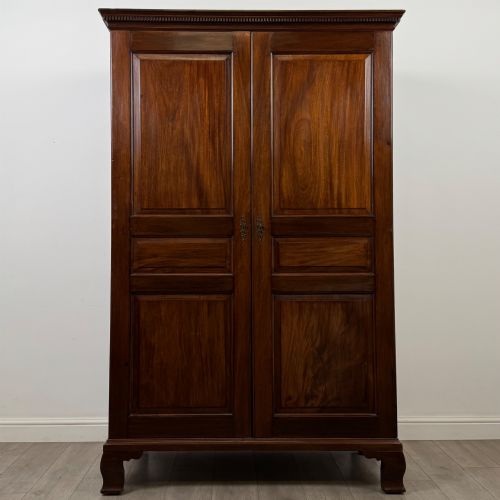
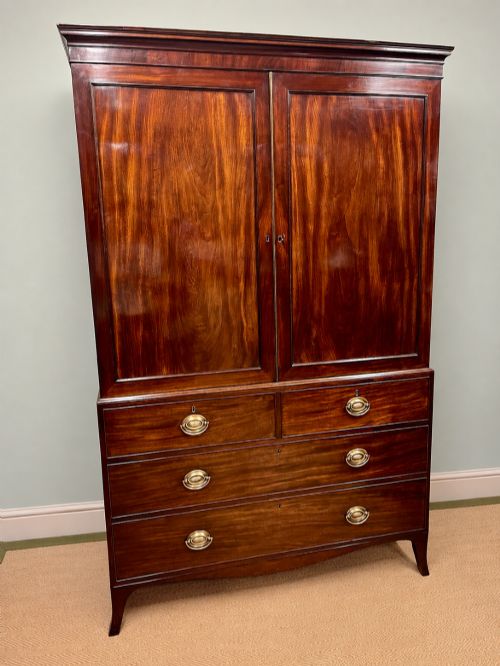
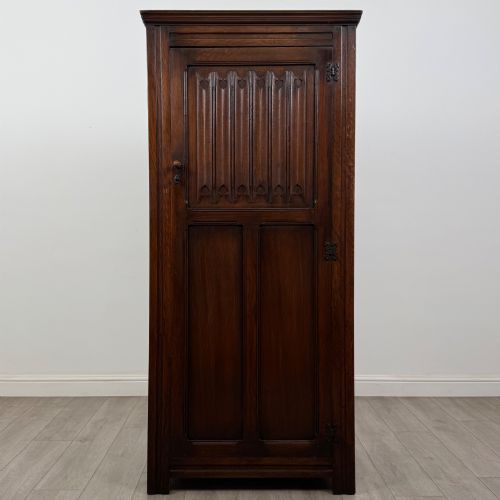
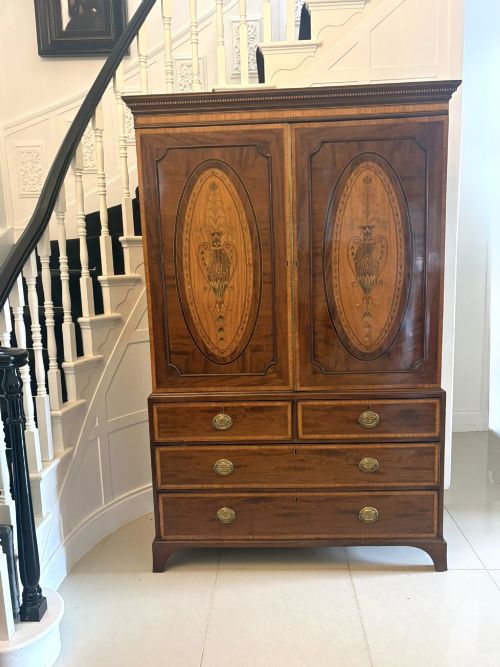
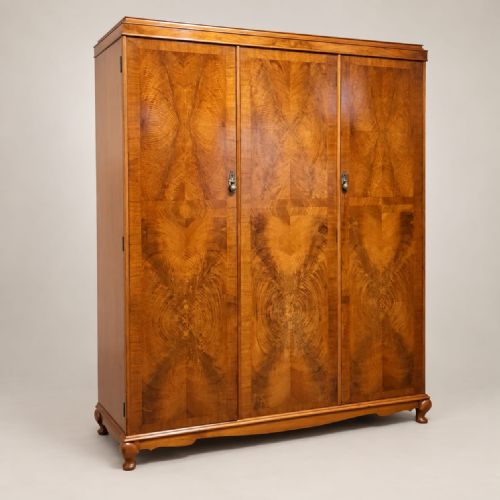
An antique armoire wardrobe spans grand Georgian linen presses, heavily carved French oak cabinets, and streamlined Art Deco burr walnut designs. Buyers exploring this category encounter towering storage pieces built to accommodate substantial garments and household textiles.
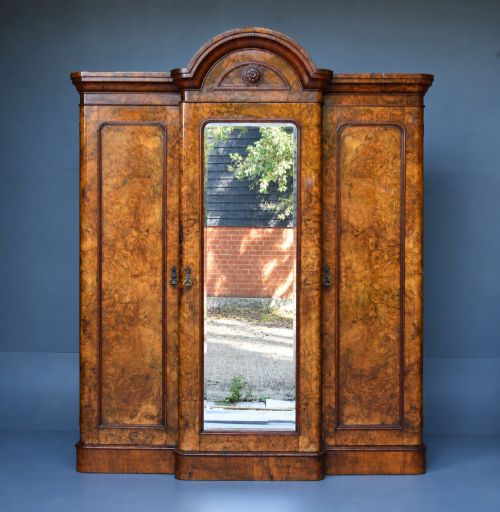
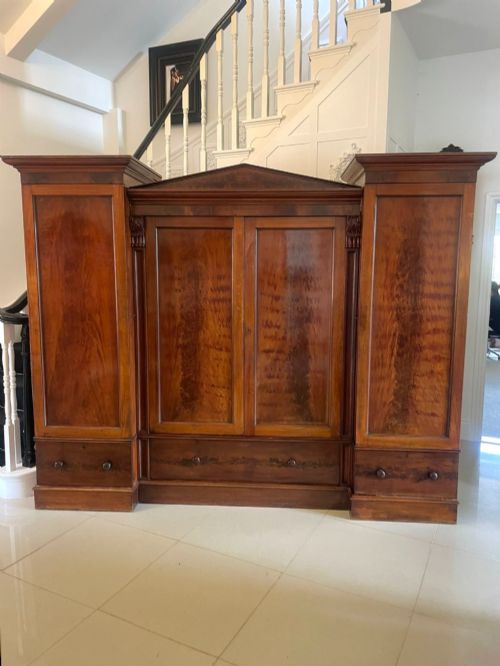
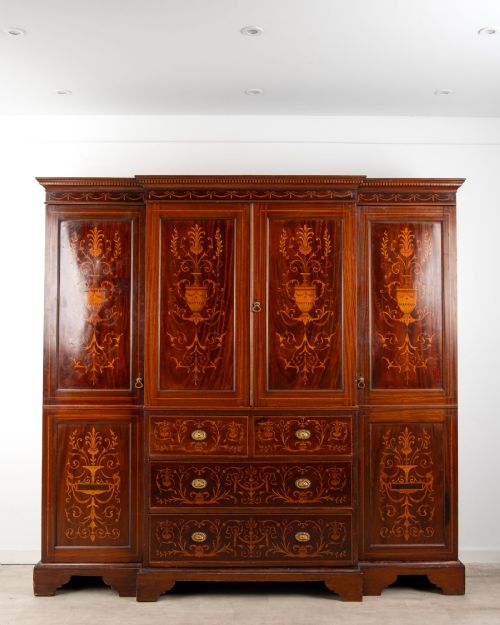
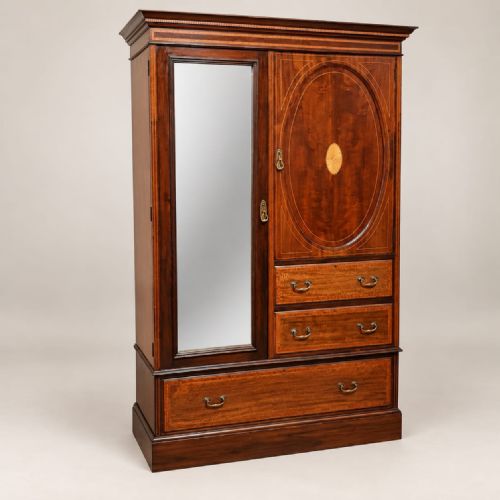
The Victorian and Edwardian iterations dominate current availability, offering versatile configurations such as compactums and triple wardrobes. These pieces combine hanging space with internal drawers, reflecting the shifting domestic requirements of nineteenth and twentieth-century households.
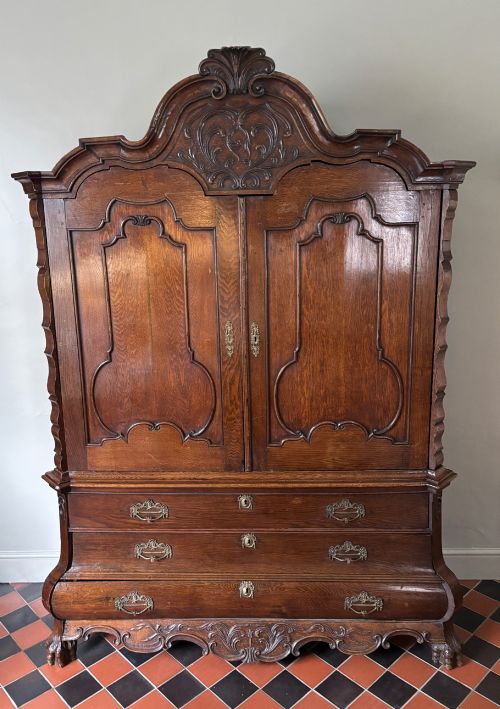
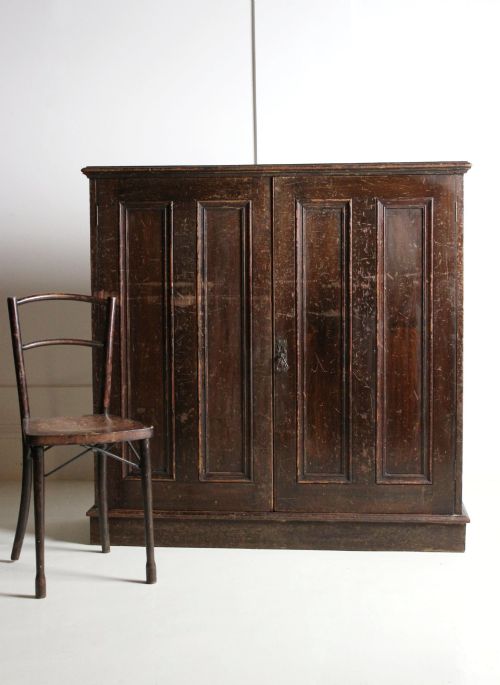
Continental examples, particularly from France and the Netherlands, introduce distinct regional styles including Louis XV fruitwood armoires and seventeenth-century Gelderse Kussenkast designs. These items frequently feature pronounced cornices and deep panelled doors suited to prominent bedroom placements.
What Varies in Quality
Construction standards depend on the selection of timber figures, where matched burr walnut or flame mahogany veneers demonstrate superior craftsmanship compared to plain surfaces. The integration of internal fittings, such as specialised drawers within compactum models, indicates the original maker's investment of labour.
The precision of panel construction and the crispness of hand-carved motifs distinguish workshop standards across periods. Superior examples maintain structural alignment over centuries, allowing large doors and secret compartments to operate without distortion.
Listings feature oak, mahogany, walnut, and pine across periods from the seventeenth century through the Art Deco era.
maples & co·Edwards and Roberts·Ray & Miles of Liverpool
The Antique Armoire Wardrobe Glossary
- Compactum
- A multi-functional wardrobe combining hanging space with internal drawers, sliding trays, and shoe compartments. This layout maximises storage efficiency within a single footprint.
- Linen Press
- A tall storage cabinet featuring upper sliding trays or shelves above a chest of base drawers. Originally designed for flat textiles before hanging garments became standard.
- Marquetry
- The art of applying decorative veneer pieces to a structural surface to form geometric or floral designs. Cabinet makers used contrasting timbers like ebony and satinwood.
- Breakfront
- A cabinet design where the central section projects forward from the flanking wings. This architectural arrangement creates depth and shadow across large wardrobe facades.
Antique Armoire Wardrobe: Frequently Asked Questions
How do I dismantle a large wardrobe?
Many antique wardrobes and armoires were constructed to dismantle into constituent parts for easier transport and installation in upper-floor rooms. The process generally involves removing heavy cornice mouldings, unscrewing pegged joints, and lifting panelled sides away from the base.
Working with an experienced assistant ensures that delicate timber tenons and heavy mirrored doors avoid damage during separation. Keeping original wooden peg fasteners organised during disassembly preserves the structural integrity for reassembly.
Can I adjust the internal hanging space?
Period wardrobes often feature fixed timber hanging rails or simple peg hooks rather than modern adjustable tracks. Altering these interiors requires careful consideration of the original woodwork to avoid compromising the stability of the carcass.
Many collectors prefer to install bespoke wooden rails that drop into existing bracket slots without requiring permanent drilling. This approach respects the antique construction while accommodating contemporary coat hanger dimensions.
How do I care for burr walnut veneer?
Burr walnut surfaces require stable room humidity and protection from direct sunlight to prevent veneer cracking and fading. Regular dusting with a soft, dry cloth maintains the timber's natural lustre without introducing moisture.
Periodic application of appropriate beeswax feeds the wood and preserves the chatoyancy of the figured grain. Avoiding synthetic polishes ensures the historical finish remains breathable and undamaged.
What is the difference between an armoire and a compactum?
An armoire traditionally designates a large, deep cupboard originating from continental Europe, frequently used for linens or general storage with simple internal shelving. A compactum represents a more compartmentalised British development designed to hold an entire wardrobe within a unified structure.
Compactums typically integrate multiple internal drawers, trouser presses, and dedicated hanging sections behind paired or triple doors. Understanding this layout distinction helps buyers match storage furniture to specific organisational needs.