
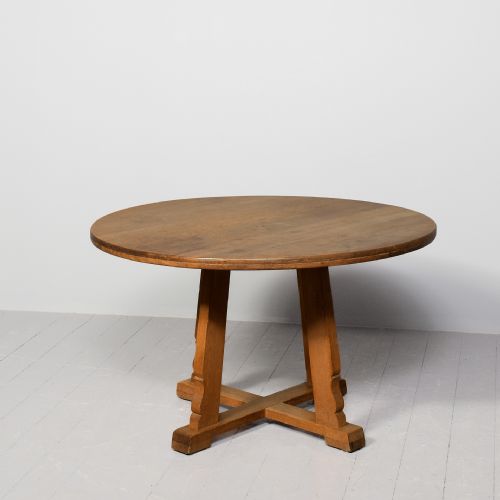


Scottish Arts and Crafts Furniture
Scottish arts and crafts furniture brings together robust regional design and functional craftsmanship, offering enduring utility for the home.
Scottish Arts and Crafts Furniture
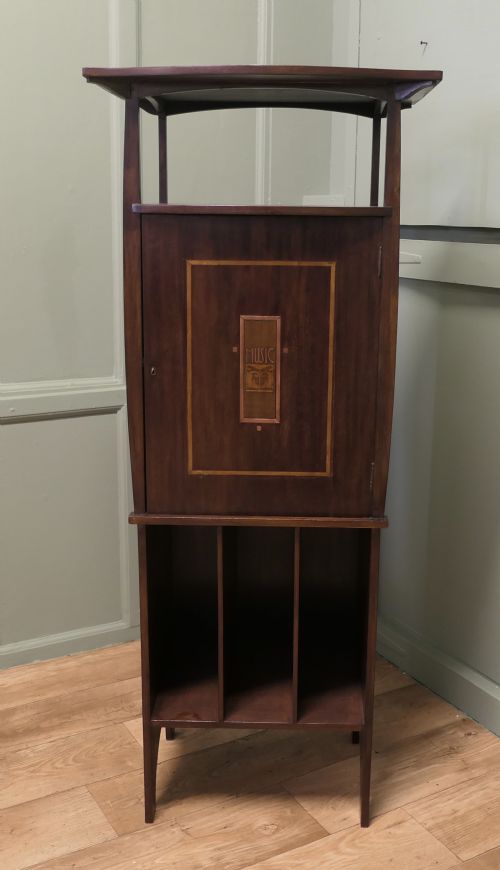
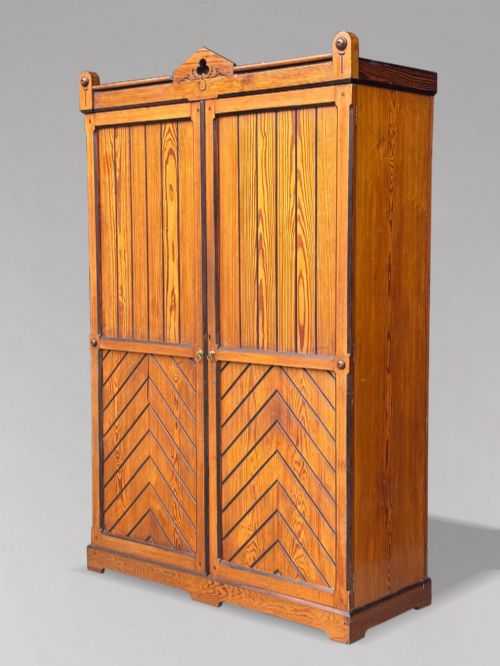
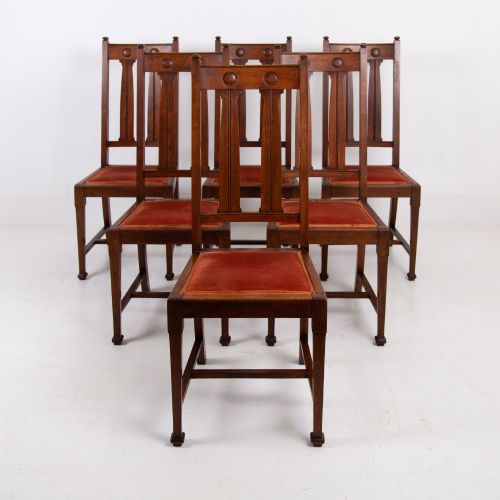
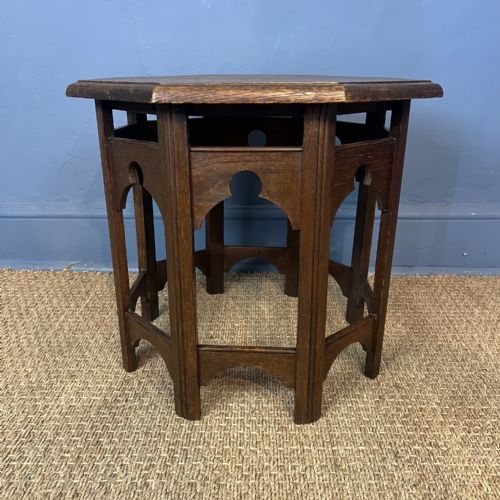
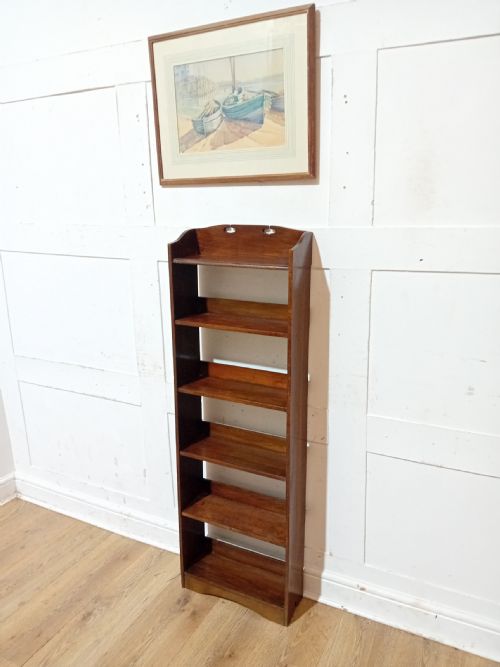
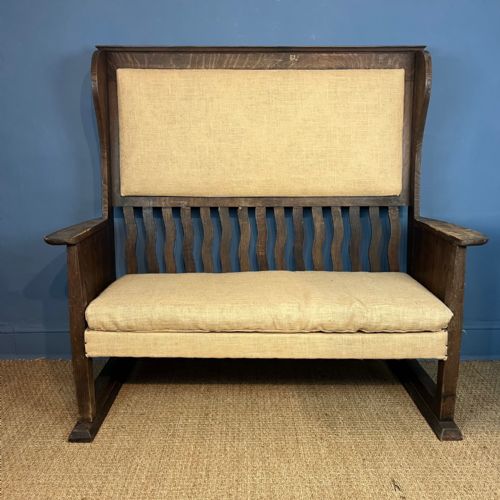
Scottish arts and crafts furniture encompasses a distinct regional interpretation of the movement, spanning the late nineteenth century through to the interwar period. Buyers encounter forms ranging from dining chairs and refectory tables to music cabinets, settles, and wardrobes.
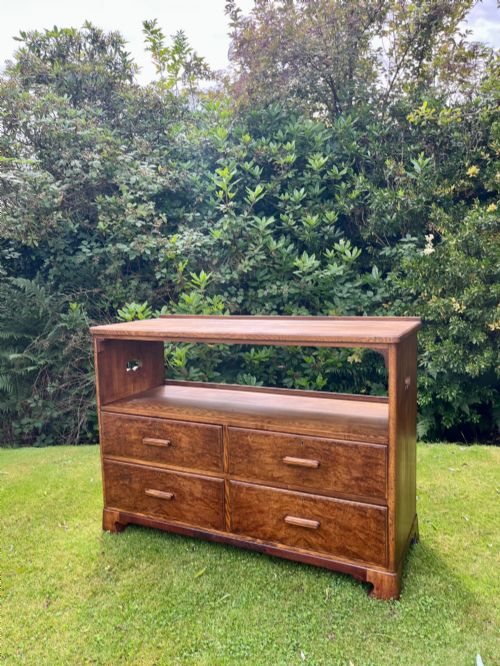
The aesthetic frequently aligns with the Glasgow School and Scottish Vernacular traditions, alongside pieces designed by prominent architects and makers. Oak remains the predominant wood, complemented by mahogany, walnut, and pine in various cabinet pieces and seating.
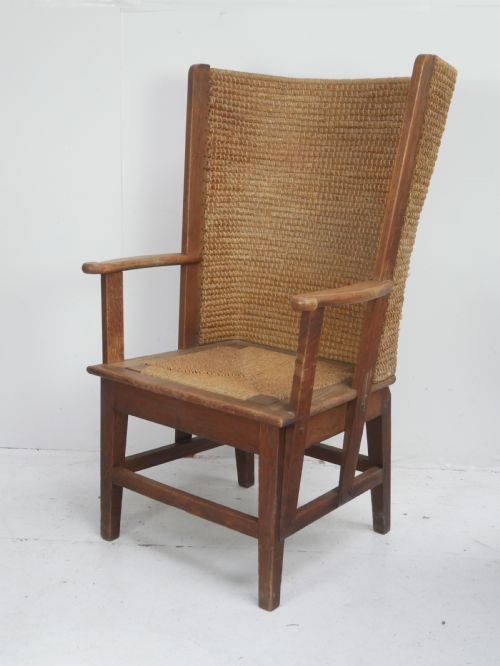
Seating also includes regional specialisms such as Orkney chairs and gossip chairs, which demonstrate traditional straw and rush work alongside standard upholstery. Pieces emerge from notable firms and designers, showing stylistic links to Edwardian tastes and rural craftsmanship.
Materials and Construction
Makers relied heavily on solid oak, mahogany, and walnut to construct sturdy tables, cabinets, and chairs, frequently incorporating wood inlay for subtle decoration. Structural integrity depended on traditional joinery techniques suited to domestic and institutional commissions.
Seating forms utilised specialised materials like straw and rush for woven backs and seats, particularly visible in regional Orkney designs framed in oak or stained beech. Brass hardware and fabric upholstery completed functional elements across wardrobes, music cabinets, and armchairs.
Listings feature periods spanning the late nineteenth century, the Edwardian era, and the 1920s to 1930s.
Assessing Quality and Provenance
Quality in these pieces rests on the precision of the joinery and the selection of timber, whether dealing with plain oak or figured mahogany. The distinction between standard workshop production and items tied to specific designers or prominent firms shapes the standing of each piece.
The integrity of secondary materials, such as original straw weaving on Orkney chairs or intact brass hardware, influences overall character. Regional vernacular items demonstrate quality through the fidelity of traditional construction methods and local styling.
GM Elwood for JS Henry·Whytock and Reid·Wylie Lochhead·E.A. Taylor·Sir Robert Lorimer·Wheeler of Arncroach
The Scottish Arts and Crafts Furniture Glossary
- Glasgow School
- A circle of designers and architects active in Scotland during the late nineteenth and early twentieth centuries whose work defined a regional arts and crafts aesthetic. Their output often featured clean lines and distinctive decorative motifs.
- Orkney Chair
- A traditional Scottish seating form characterised by a high straw-woven back supported by a wooden frame, designed to block drafts. They utilise oat straw tied with split bramble or sedge.
- Gossip Chair
- A low seat historically used for informal conversation, featuring an adjoining side panel or arm designed to support a book or elbow. Edwardian examples often display vernacular turning and compact proportions.
- Refectory Table
- A long dining table traditionally supported by sturdy legs connected by a stretcher base. Arts and crafts interpretations emphasise solid timber construction and honest joinery.
- Vernacular
- Architecture and furniture design rooted in local traditions, materials, and domestic needs rather than high academic styles. Scottish vernacular pieces often employ regional woods and straightforward construction.
Scottish Arts and Crafts Furniture: Frequently Asked Questions
What defines Scottish arts and crafts furniture?
These pieces combine the principles of the arts and crafts movement with distinct Scottish vernacular traditions and Glasgow School aesthetics. They utilise solid timbers like oak and mahogany, often featuring honest construction and regional forms.
The selection includes seating, tables, and cabinetry produced by notable Scottish makers and designers from the late nineteenth century through the early decades of the twentieth century.
How do I identify an Orkney chair?
An Orkney chair is immediately recognised by its high, rounded back woven from oat straw, supported by a wooden frame typically made of oak or beech. These chairs were built to provide shelter from domestic drafts in northern Scottish homes.
Traditional examples showcase careful hand-weaving techniques using local plant materials, paired with low wooden seats and open armrests.
Where were these pieces made?
Production centred in major urban workshops in Glasgow and Edinburgh, alongside rural practices in locations such as Arncroach and the Orkney Isles. Major firms employed leading designers to produce both bespoke architectural furnishings and standard domestic pieces.
Regional hubs fostered distinct styles, ranging from urban architect-designed cabinets to rural vernacular seating.
How should I care for oak and mahogany furniture?
Maintain these wooden surfaces by keeping them away from direct sunlight and sudden changes in temperature or humidity, which can cause timber to split. Regular dusting with a soft, dry cloth preserves the finish without requiring heavy polishes.
For pieces with straw or rush elements, gentle brushing helps remove accumulated dust from the woven textures.