


Antique Architectural Wood Carving
These pieces of antique architectural wood carving bring historic depth to interiors through centuries of hand craftsmanship.
Antique Architectural Wood Carving
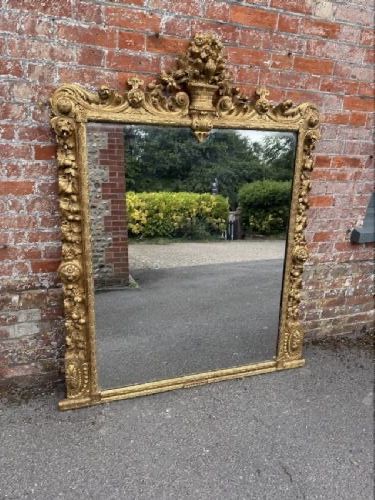
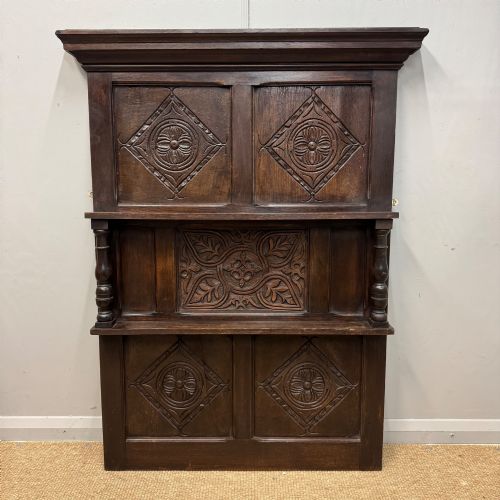
Buyers seeking antique architectural wood carving encounter structural fragments, wall panels, overmantels, and brackets salvaged from buildings across different eras. The selection spans centuries from the sixteenth to the twentieth, with material origins ranging from English oak to continental giltwood and painted pine.
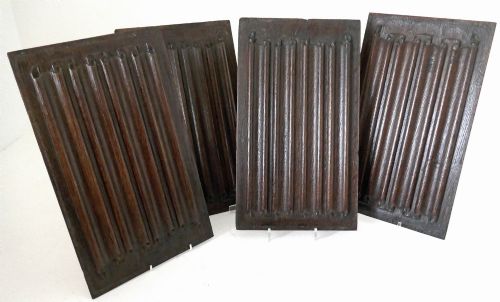
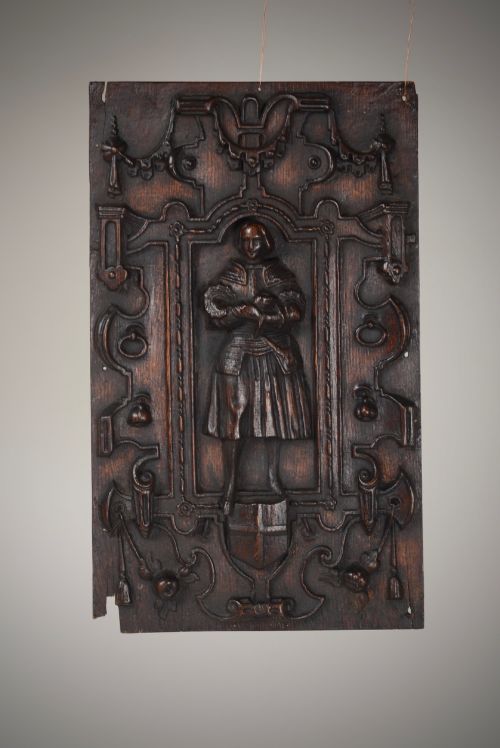
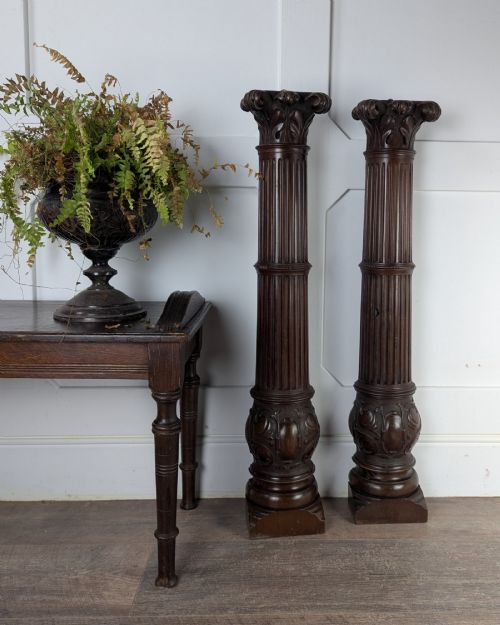
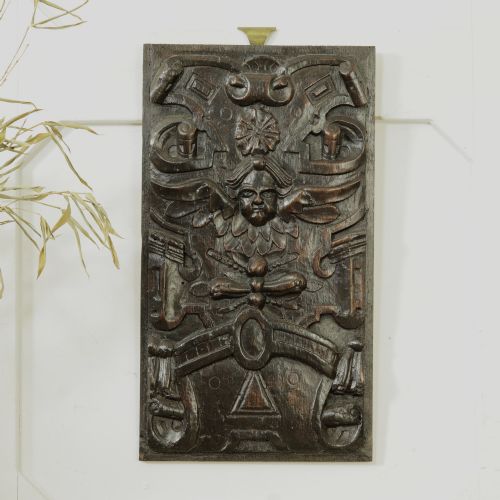
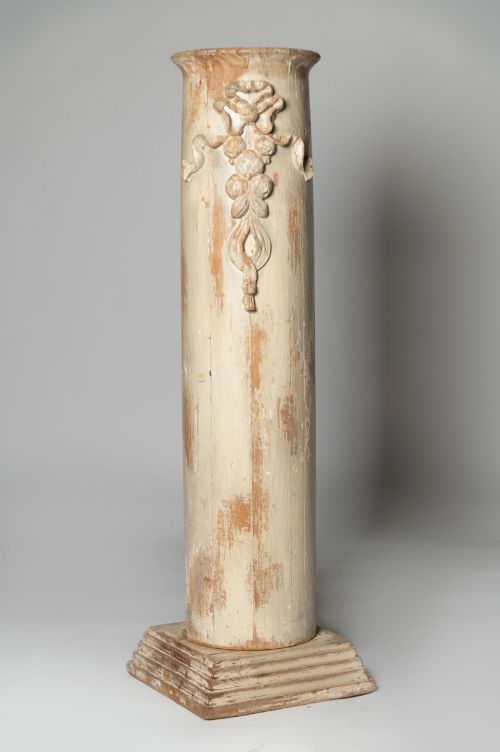
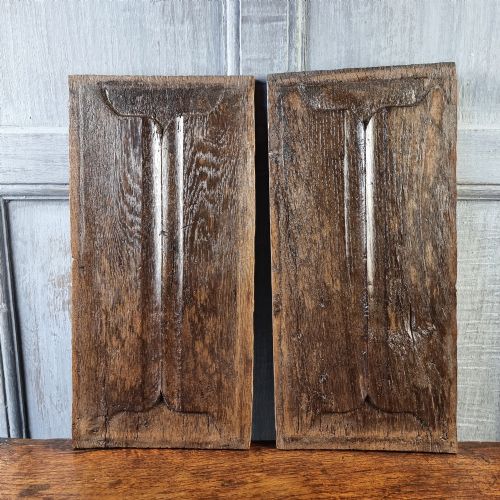
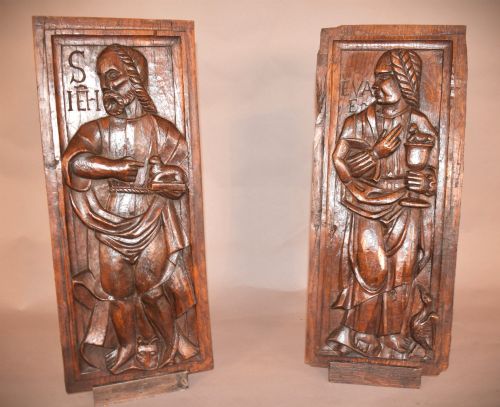
Early examples include sixteenth-century linenfold panels and seventeenth-century relief carvings showing figures like Joan of Arc or the Green Man. Later nineteenth-century items tend toward giltwood mirrors, overmantel panels, and classical columns, reflecting evolving domestic interior tastes.
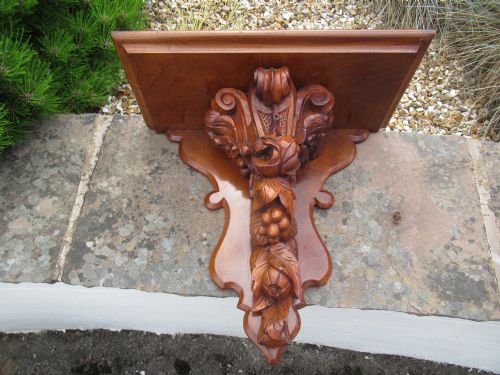
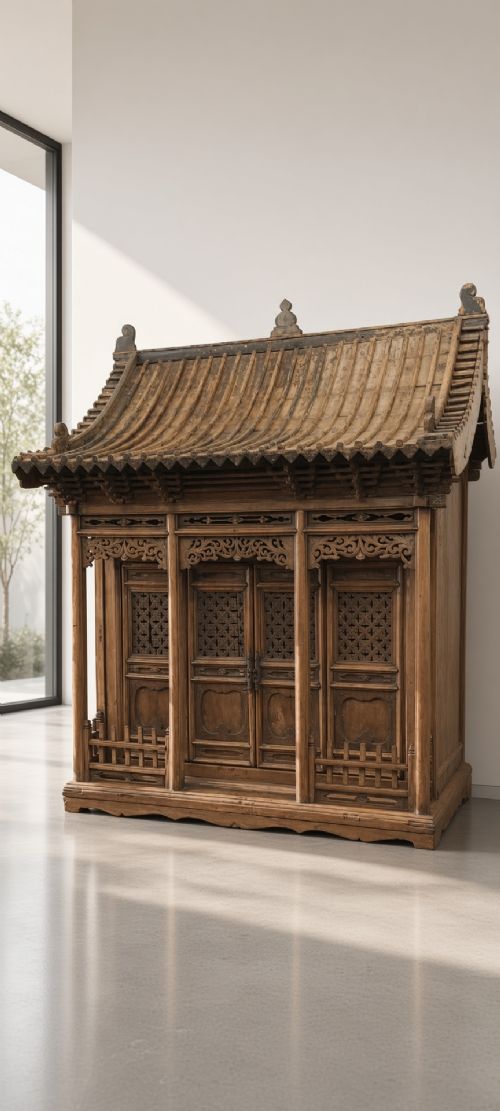
Objects originate from diverse regional traditions, encompassing English Tudor woodwork, French gilt gesso, Italian wall brackets, and Chinese temple guards. Buyers find these items functioning as wall art, architectural salvage, or integrated decorative elements.
Materials and Technique
Makers relied predominantly on timber such as oak, walnut, mahogany, pine, and teak, shaping the wood through hand chiselling and high-relief carving techniques. Master carvers worked directly into the solid grain to produce intricate details on panels, pediments, and figures.
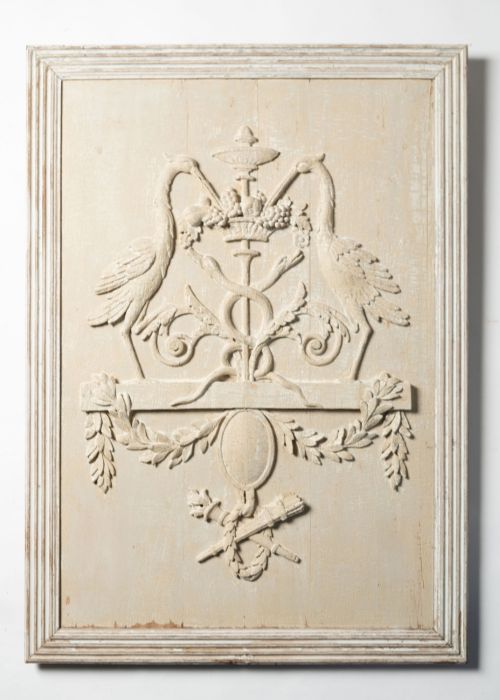
Many surfaces received additional ornamentation through gesso, gold leaf, and polychrome paint applications. Giltwood and gilt gesso finishes required layers of preparation over wood bases before applying gold leaf to create reflective architectural highlights.
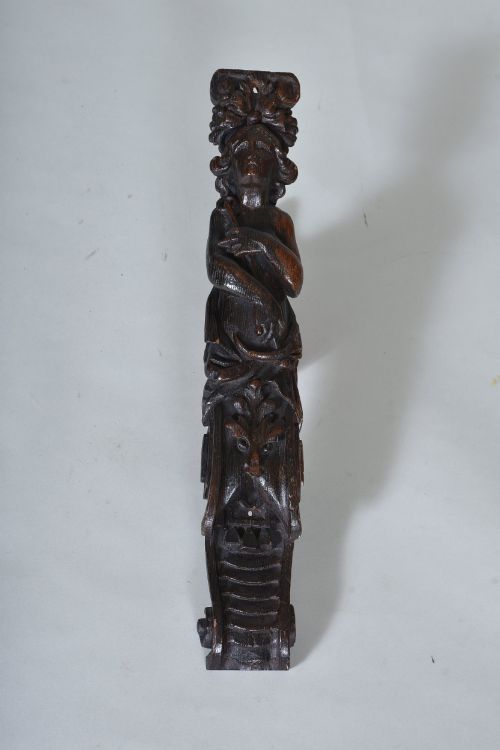
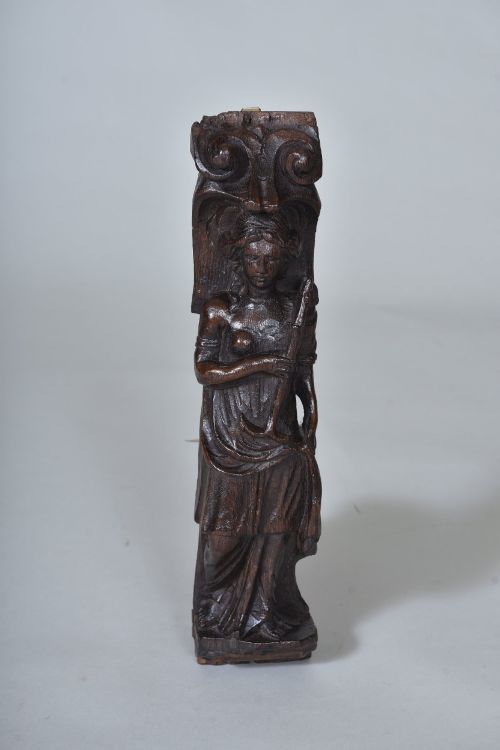
Among the architectural timberwork, watchful sixteenth-century Green Man panels peer out alongside solemn carved angels and floral baskets.
Distinctions in Execution
Distinctions in execution rest upon the depth of the carving, the crispness of the chisel work, and the integrity of the surviving surface finish. Pieces displaying deep undercutting and confident hand shaping separate themselves from simpler, shallower decorative runs.
The preservation of original materials, such as early paint layers or period gilt gesso, dictates the historical standing of an item. Greater hand skill is visible in works where anatomical proportions and botanical motifs retain sharp definition across centuries of handling.
The Antique Architectural Wood Carving Glossary
- Linenfold
- A style of wood carving that mimics folded fabric or linen, commonly seen on sixteenth-century panels. This motif became popular in secular and ecclesiastical interior panelling.
- Gesso
- A plaster-based mixture applied to wood surfaces as a smooth base for gilding or painting. Artisans used it extensively on eighteenth-century mirrors and carved decorative elements.
- Giltwood
- Timber that has been coated with gold leaf or gold paint for decorative effect. It appears frequently on mirrors, brackets, and baroque architectural elements.
- Green Man
- A sculptural motif depicting a face carved from or surrounded by leaves and vines. This ancient symbol recurs on early architectural woodwork and panels.
Antique Architectural Wood Carving: Frequently Asked Questions
What periods do these carvings date from?
The available items span from the sixteenth century through to the early twentieth century. Early examples include Tudor panels, while later pieces feature nineteenth-century giltwood mirrors and architectural salvage.
Craftsmanship and materials shifted over these centuries, moving from heavy English oak toward continental gilt gesso and pine architectural fittings.
How were architectural wood carvings used historically?
These pieces functioned as structural and decorative elements within grand buildings, churches, and domestic homes. Items included wall panels, overmantels above fireplaces, pediments over doors, and supportive wall brackets.
Many elements were salvaged from older structures during renovations, allowing owners to incorporate historic woodwork into newer interior schemes.
What woods were commonly used by carvers?
Oak and walnut appear frequently in earlier centuries, prized for their durability and suitability for detailed relief work. Pine and mahogany were also utilised, particularly for later decorative panels and architectural mouldings.
Some continental and non-European pieces feature teak, polychrome painted surfaces, or layered gesso over a secondary timber base.
How do I identify the style of a panel?
Stylistic markers help connect carvings to specific periods, such as linenfold motifs for sixteenth-century work or classical Corinthian details for later pieces. Examining the depth of relief and tool marks assists in determining the era of execution.
Regional traits also aid identification, distinguishing English Tudor woodwork from French gilt gesso or Italian wall brackets.
How can I display architectural carvings at home?
Wall panels, brackets, and mirrors are typically mounted directly onto interior walls as focal art pieces. Overmantels and pediments are often positioned above doorways, fireplaces, or consoles to add architectural structure.
Display strategies depend on the scale and weight of the specific wooden element, requiring secure fixings for monumental items.