
Antique Architectural Panel
These antique architectural panel examples range from heavy 16th century carved oak to decorative ironwork, offering substance and historical weight to interior spaces.
Antique Architectural Panel
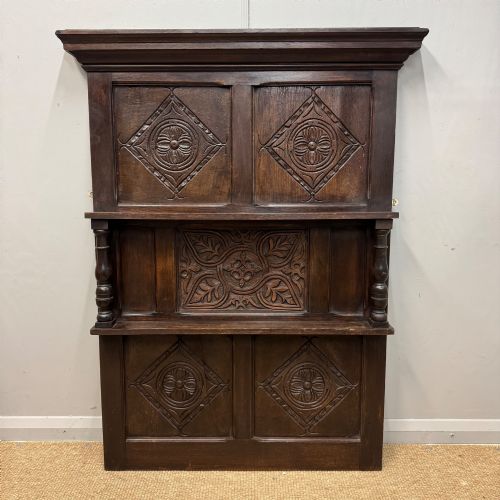
An antique architectural panel is a salvaged fragment or decorative element taken from an older building, door, or interior fitting. When you search for this phrase, you will find items spanning several centuries, originating from English Tudor structures, French workshops, and Italian interiors.
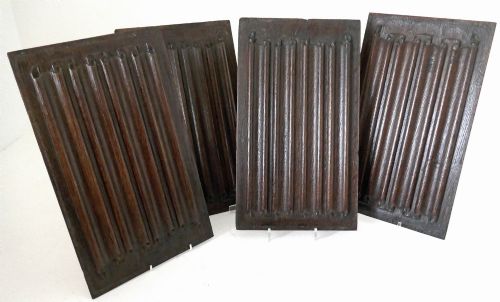
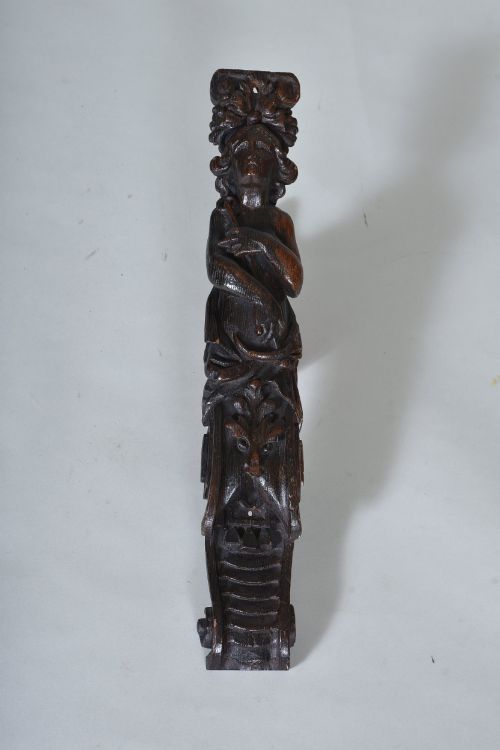
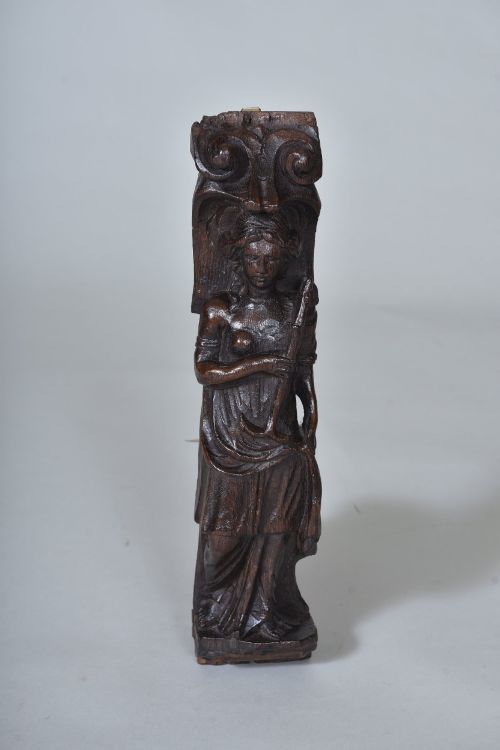
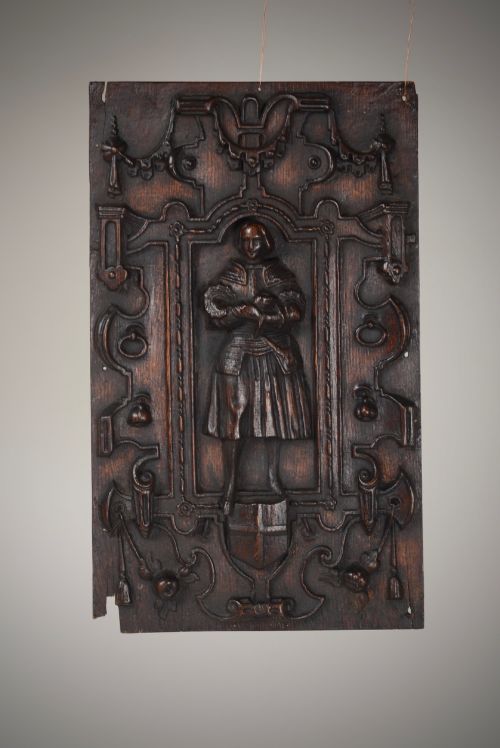
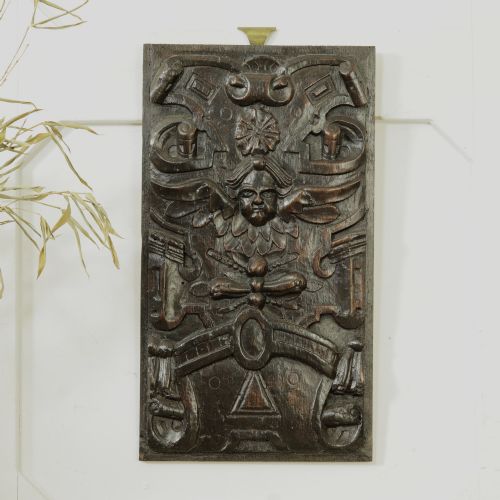
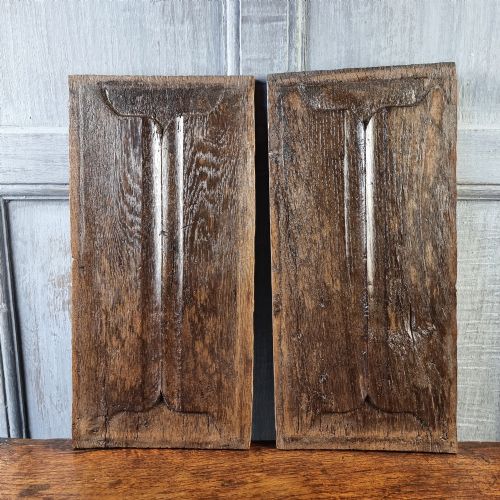
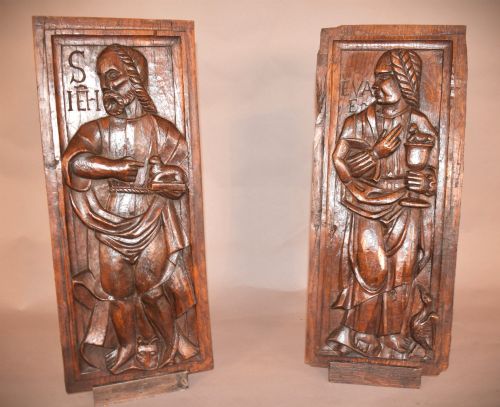
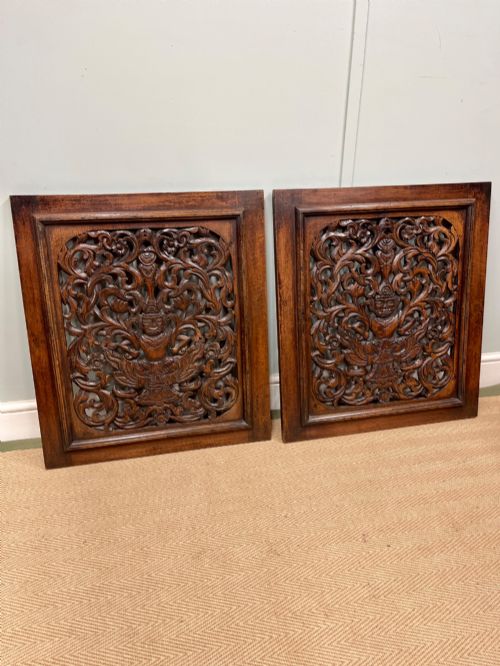
The version you are most likely to meet on this page is the 17th century or 19th century carved wooden panel, often rendered in oak. These pieces frequently show linenfold patterns, relief carvings, or figural subjects like the Green Man or Joan of Arc.
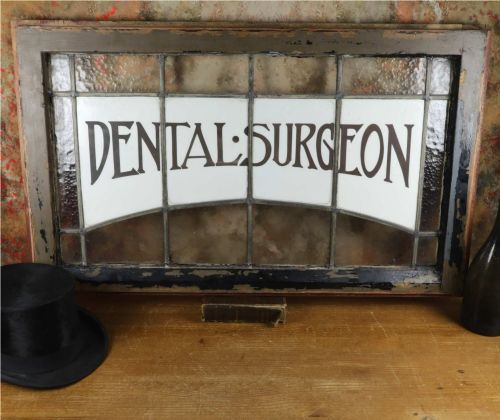
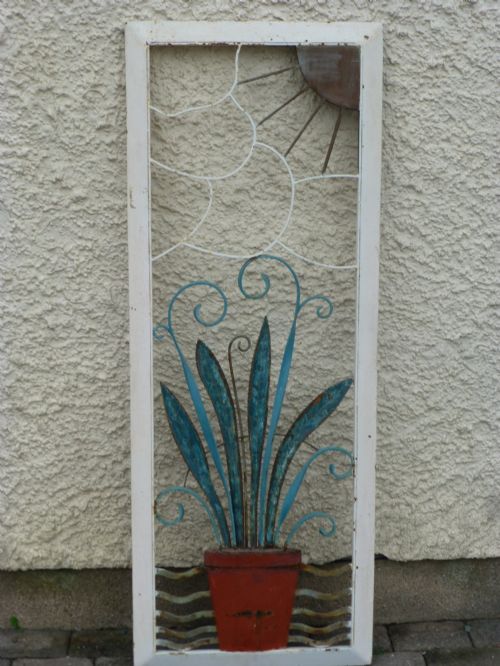
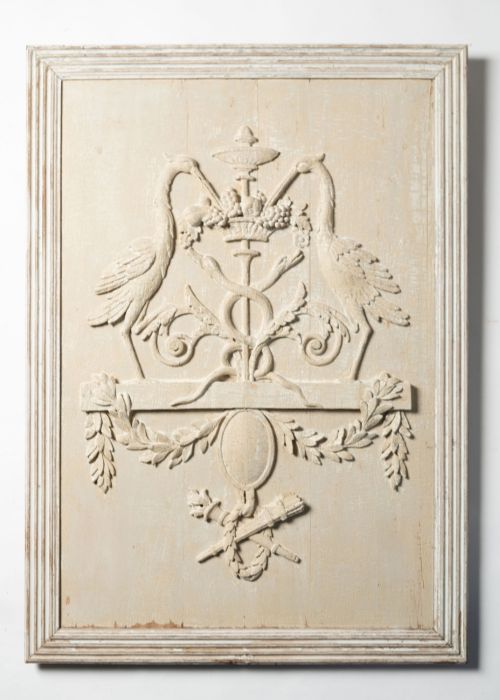
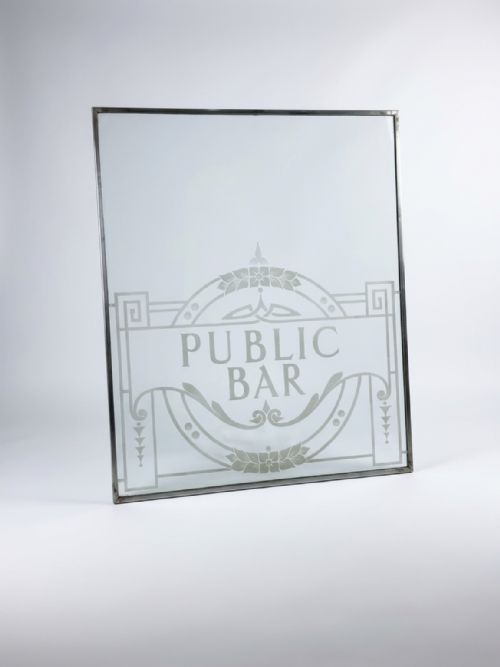
Beyond standard wood, the selection includes painted pine overmantels, gilt temple panels, etched pub windows, and iron scrolls. These objects served various historical functions, from covering walls and doors to acting as architectural diorama pieces and balustrades.
Materials and methods of construction
Wood serves as the primary medium, with oak and walnut dominating the earlier centuries, while pine and general timber appear frequently in later 19th century items. Carvers utilised hand tools to achieve high-relief depictions, linenfold folds, and intricate floral motifs directly into the solid material.
Alternative materials introduce contrasting textures, such as cast iron and wrought iron shaped into scrollwork or balustrade panels, alongside bronze elements and lead within glass windows. Gesso, gold leaf, and polychrome paint frequently finish the wooden and carved surfaces to add colour and depth.
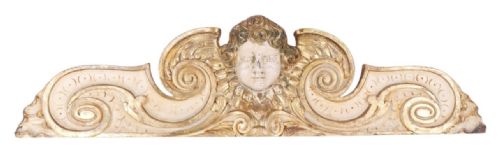
A carved wooden cherub peers out from an over door, while the Green Man watches quietly from sixteenth-century oak.
Judging quality in salvaged fragments
Quality rests primarily on the depth and crispness of the carving, where sharp, confident chisel work distinguishes master joinery from routine production. The survival of original surface finishes, such as early polychrome paint, untouched oak patination, or intact gilt wood, elevates the integrity of a piece.
Structural completeness also dictates standing, as panels retaining their original frames, doors, or matching pairs command greater historical coherence than isolated, heavily restored fragments.
Raymond Subes·Paul-Élie Gernez·Francisco Sancha
The Antique Architectural Panel Glossary
- Linenfold
- A style of wood carving that imitates vertical folds of cloth, commonly seen on 16th century panels. This technique gives flat wooden surfaces a textured, textile-like appearance.
- Overmantel
- A decorative panel or structure placed directly above a fireplace mantel. These often feature large oil paintings, carved wood reliefs, or painted pine scenes.
- Pietra dura
- An inlay technique using cut and fitted polished coloured stones to create pictorial designs. It appears on framed decorative panels from the late 19th century.
- High-relief
- A sculptural technique where the figures project significantly from the background plane. It creates strong shadow and depth on antique wooden carvings.
- Green Man
- A sculptural motif consisting of a face surrounded by or made from leaves and vines. It recurs frequently in early woodwork and architectural salvage.
Antique Architectural Panel: Frequently Asked Questions
How were antique architectural panels originally used?
These panels functioned as structural or decorative elements inside domestic and public buildings. They lined walls, formed cupboard doors, framed fireplaces as overmantels, or decorated temple screens and doors.
In some cases, items like etched glass windows and iron balustrades served commercial or exterior architectural roles before being salvaged for interior display.
How do I hang a heavy wooden panel safely?
Due to the substantial weight of dense timbers like old oak and iron, proper wall anchoring is essential. You should attach the mounting hardware directly into wall studs or utilise heavy-duty masonry fixings depending on your wall type.
Many panels incorporate original framing or structural battens that can support secure hanging brackets without damaging the historic wood.
How can I tell a 16th century panel from a later copy?
Early pieces display tool marks left by hand chisels, irregular grain patterns, and genuine age-related shrinkage or dry rot in sheltered areas. The joinery often relies on pegged mortise and tenon construction rather than modern machine-cut joints.
Surface patination develops naturally over centuries through handling and wax application, creating a depth that chemical staining cannot replicate.
Can exterior iron panels be displayed indoors?
Wrought iron and cast iron scroll panels transition well into interior spaces as decorative wall art or mirrors. You should clean the metal gently to remove surface dirt while preserving any weathered exterior finish or oxidation.
Placing them on plaster walls requires secure fixings to distribute the weight evenly across the structure.