

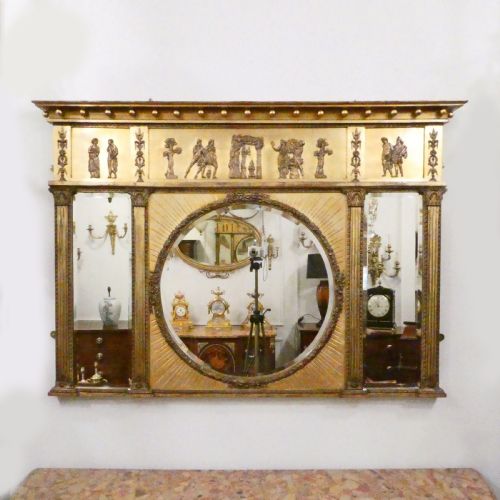


Regency Classical Wall Frieze
These pieces for a regency classical wall frieze offer architectural presence and crisp classical detail, bringing refined period character to any interior scheme.
Regency Classical Wall Frieze
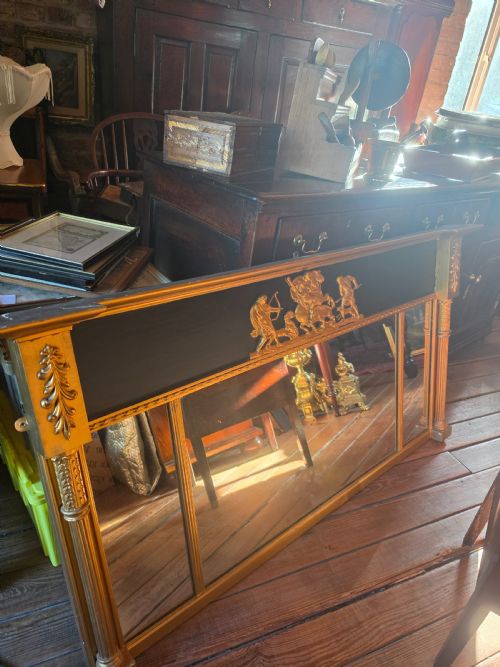
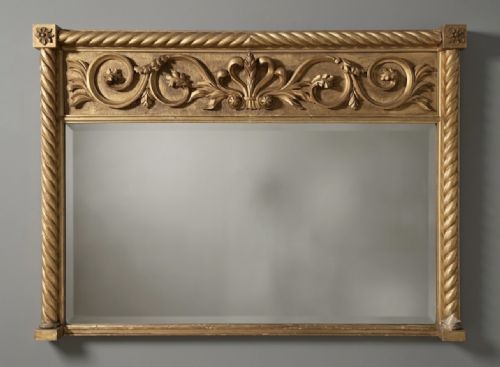
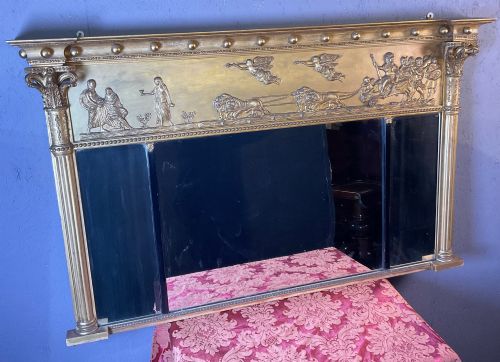
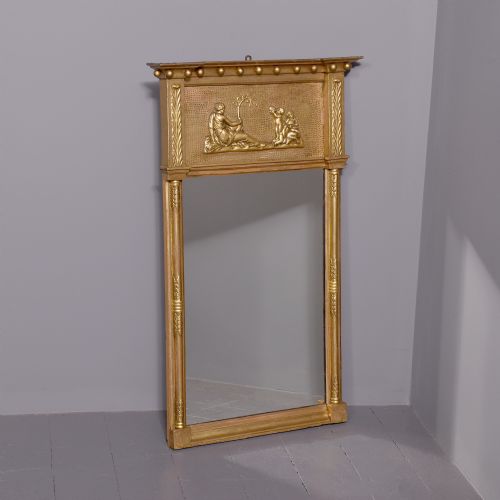
A regency classical wall frieze search brings up a selection centred on architectural wall reliefs, framed intaglios, and mirrors featuring classical ornament. Most pieces on this page take the form of giltwood overmantel and pier mirrors or sculptural wall reliefs carrying neoclassical motifs.
The evidence spans the nineteenth century, including the Regency period itself alongside later Victorian revivals and Georgian styles. Alongside mirror plates, buyers encounter terracotta friezes depicting classical figures and box-framed grand tour intaglios.
How they were made
Makers utilised wood, gesso, and composition to build up the intricate relief ornament characteristic of the style. Gilding was applied using gold leaf, creating the bright reflective surfaces seen on the pier and overmantel mirrors.
Carved wooden elements such as acanthus leaf friezes appear alongside moulded composition details. Some pieces incorporate painted wood and terracotta, while mirror plates are fitted into multi-plate triptych or single glass configurations.
Periods represented in this selection span the nineteenth century, the Regency era, the Victorian period, and Georgian styles.
What varies in quality
The crispness of the carved or moulded ornamentation dictates the visual impact of each piece. Well-executed acanthus leaf detail and carefully applied water gilding distinguish finer examples from simpler work.
The integration of the frame with its decorative frieze elements shows the maker's skill. Original glass plates and the condition of the underlying gesso and composition also define the standard of individual items.
The Regency Classical Wall Frieze Glossary
- Frieze
- A broad horizontal band of painted or sculptured decoration, often placed near the ceiling or forming part of a mirror frame. It provides a focal point for classical motifs.
- Gesso
- A plaster mixture spread over a substrate of wood or canvas and used as a base for gilding or painting. It allows intricate relief moulding on mirror frames.
- Giltwood
- Wood that has been covered with gold leaf or a gold-coloured substance. This finish defines the grand appearance of Regency and Victorian mirrors.
- Intaglio
- A gem or other stone carved with a design depressed below the surface. Grand Tour examples are typically framed collections of these classical casts.
- Pier glass
- A tall mirror designed to hang on the pier between windows. These pieces often feature decorative classical friezes at the top.
Regency Classical Wall Frieze: Frequently Asked Questions
Where should I hang an overmantel mirror?
These large mirrors traditionally sit directly above a fireplace mantelpiece to reflect light and anchor the room's proportions.
Ensure the wall fixings can support the substantial weight of a gilded wood and gesso frame.
What is a Grand Tour intaglio set?
Travellers collected plaster or sulphur casts of ancient classical gems during their travels across Europe in the eighteenth and nineteenth centuries.
Framed sets preserve these miniature mythological and historical reliefs for wall display.
How do I identify a Regency mirror?
Look for crisp classical motifs, giltwood frames, and architectural elements such as columned sides and decorated friezes.
Many examples utilise multiple mirror plates or incorporate carved acanthus leaf details from the early nineteenth century.
What is the difference between Regency and Victorian pieces?
Original Regency items date from the early nineteenth century and display restrained classical elegance with water gilding.
Victorian pieces often revive these forms later in the century using heavier moulded composition and broader decorative styling.