
Antique Architectural Column
An antique architectural column brings classical proportion and structural dignity indoors, offering a sculptural presence built from marble, wood, or stone.
Antique Architectural Column
An antique architectural column acts as a solid or half-column support, mounting piece, or display pedestal drawn from classical building traditions. Buyers seek these items to anchor a room or elevate objects with distinct architectural weight. Pieces range from grand marble shafts to carved wooden and painted plaster examples.
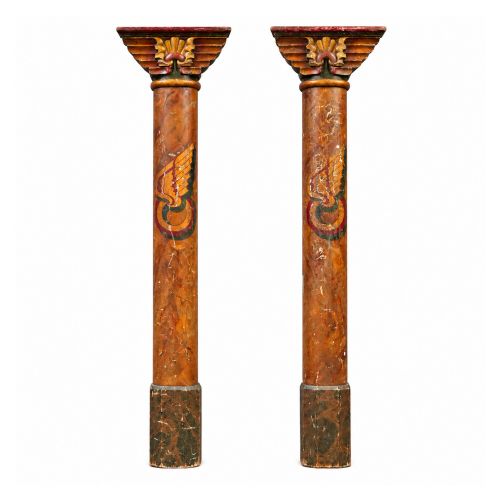
The selection on this page covers solid marble monoliths, carved mahogany supports, and decorative wooden pillars. One frequently encounters half-columns designed to project from walls alongside freestanding pedestals used for sculpture or lighting. Origins span English, French, and Italian workshops across the eighteenth and nineteenth centuries.
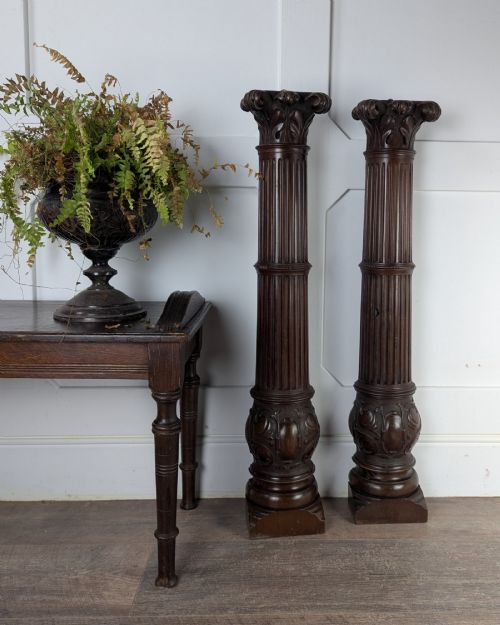
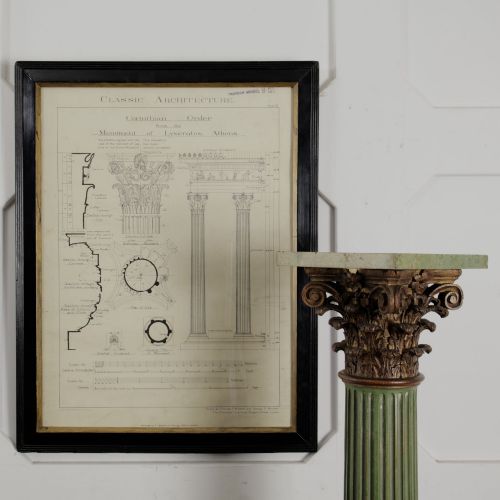
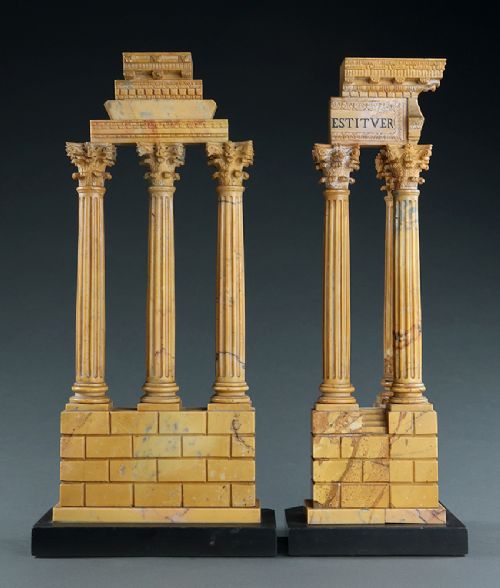
Examples include grand tour marble models, terracotta display pieces, and reeded mahogany columns with carved capitals. Many items reflect classical orders such as Corinthian, while others show Victorian or Regency interpretations. Each serves either as a functional support or a purely decorative focal point.
How they were made
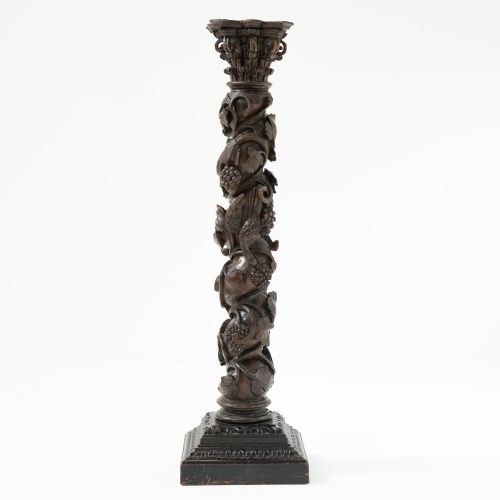
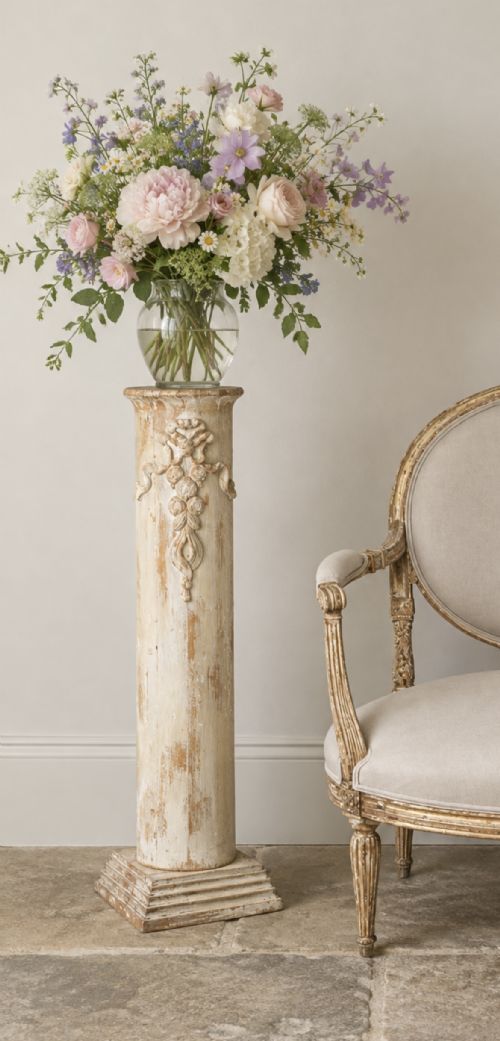
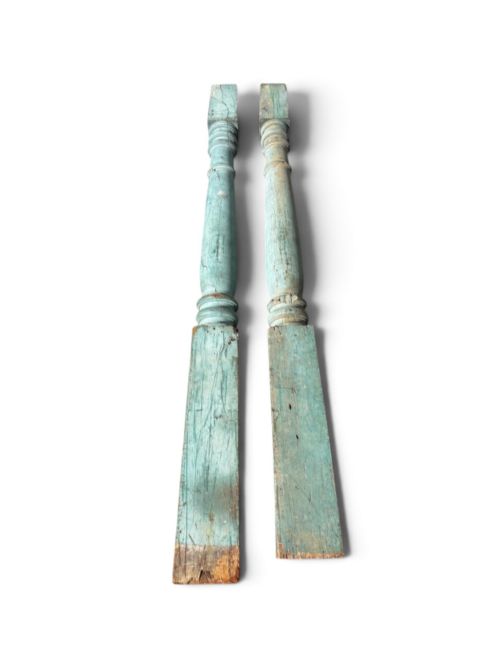
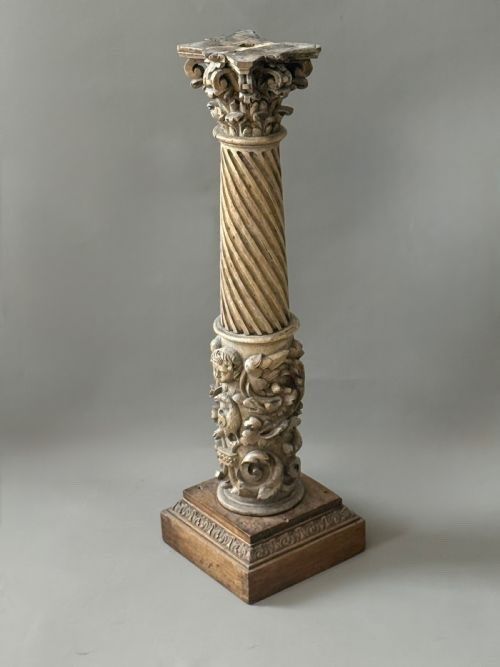
Cutter and carver work dominated the production of wooden columns, utilising dense timbers such as oak, mahogany, and pine. Craftsmen turned shafts on lathes before chiselling flutes, reeds, or spiral twists like the Solomonic form. Surfaces often received gilding, gesso, or paint to mimic costlier materials.
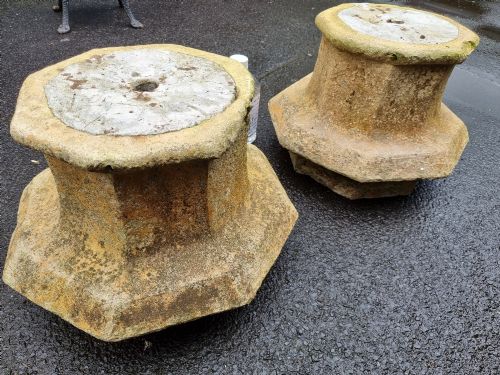
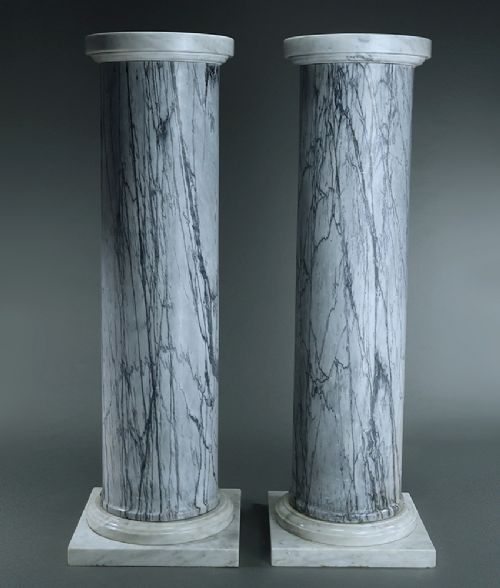
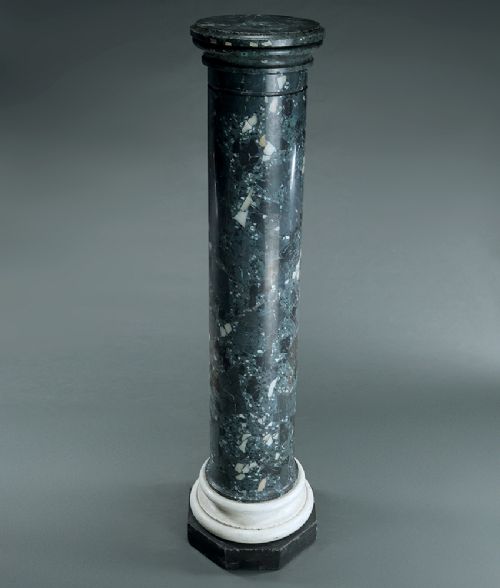
Marble and stone columns required block selection, core drilling, and meticulous hand-polishing to reveal natural veining in varieties like Siena, Bardiglio, and Verde Antico. Scagliola offered an alternative technique, binding pigmented selenite plaster to imitate solid marble through polished application. Cast iron and composite stone versions utilised moulds for garden and architectural placement.
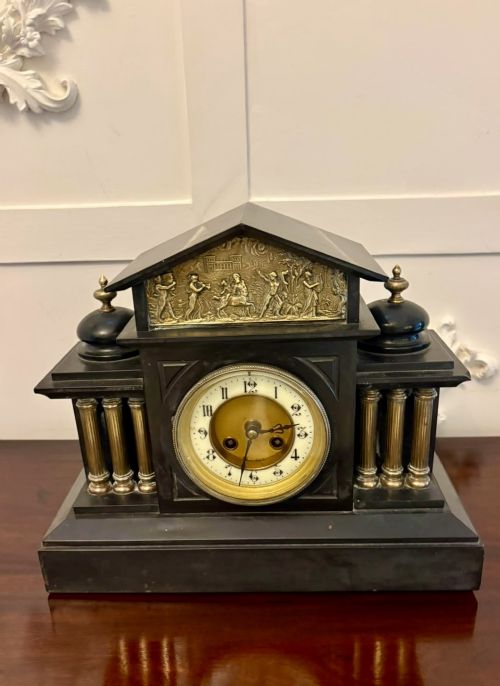
Object types include freestanding pedestals, half-columns, architectural salvage, and clock frames incorporating classical column supports.
What varies in quality
Quality rests upon the crispness of the carving and the geological selection of the stone. Superior marble columns display uninterrupted mineral movement and precise polish, while lesser pieces rely on painted or scagliola surfaces that can show wear. Wooden examples depend on the depth of hand-carved detail within capitals and fluting rather than superficial applied ornament.
Proportion and architectural correctness distinguish fine examples from simpler utilitarian items. Master carvers maintained strict classical ratios between shaft diameter and height, ensuring visual balance. Original surfaces, whether early gilding or patinated timber, carry greater authority than later repainting.
Philippes Paris
The Antique Architectural Column Glossary
- Corinthian
- A classical order defined by elaborate capitals decorated with acanthus leaves. It represents the most ornate of the traditional architectural styles.
- Solomonic
- A column characterised by a helical twist along the shaft. This distinctive spiral form gained popularity during the Baroque period.
- Scagliola
- A composite material made from pigmented selenite, glue, and plaster, applied and polished to imitate marble. It allowed artisans to create complex stone effects at a reduced weight.
- Portico clock
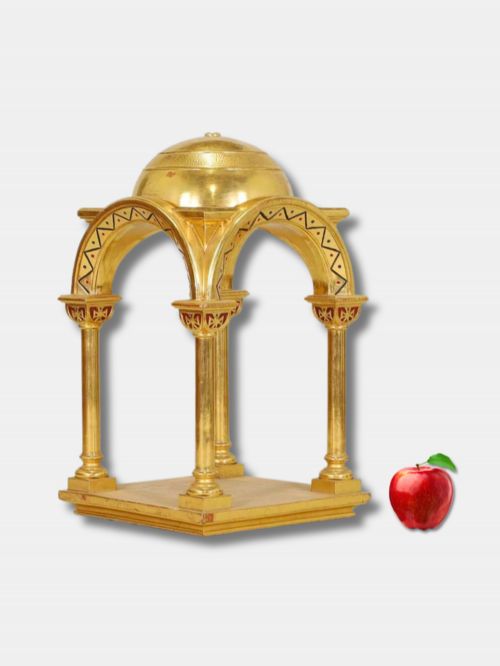
- A clock housed within a architectural frame supported by four columns, frequently produced in France during the nineteenth century. These timepieces showcase precision movements between upright stone or wooden pillars.
- Pier mirror
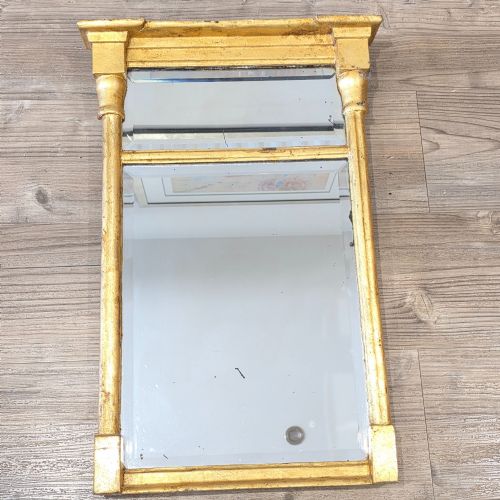
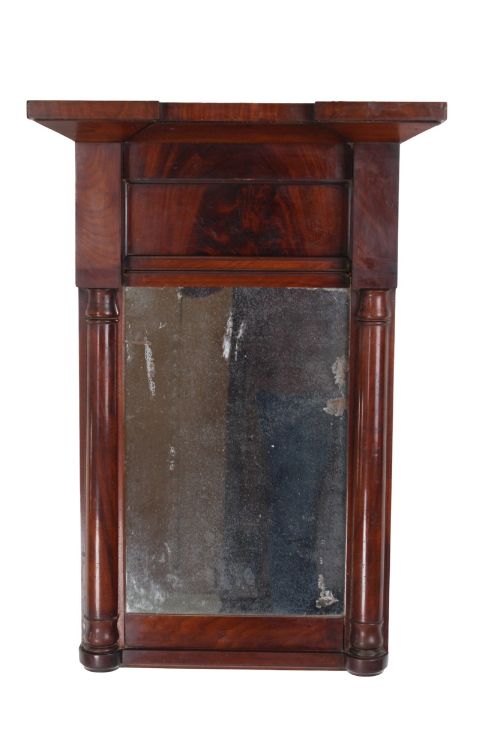
- A tall mirror designed to hang on the wall space between windows, often flanked by attached architectural columns or pilasters. They visually expand light and space within period rooms.
Antique Architectural Column: Frequently Asked Questions
How were antique architectural columns used originally?
Builders integrated structural columns into porches, porticos, and interior halls to support weight or divide grand rooms. Grand tour examples served as collector specimens or display bases for small bronzes and urns in domestic settings.
Over time, interior designers co-opted half-columns and architectural salvage as wall decorations or mirror frames. Today, they function primarily as sculptural focal points or pedestals for art.
How do I distinguish marble from scagliola?
Solid marble feels cold to the touch and heavy, showing continuous natural mineral veining running through the core of the stone. Scagliola, while hard and polished, is built upon a plaster matrix and may reveal subtle brush marks or lacks the deep geological depth of true rock.
Examining the base or underside often exposes the underlying plaster composition of scagliola. Weight and temperature remain the quickest indicators for identification.
Where should I place a column in a modern room?
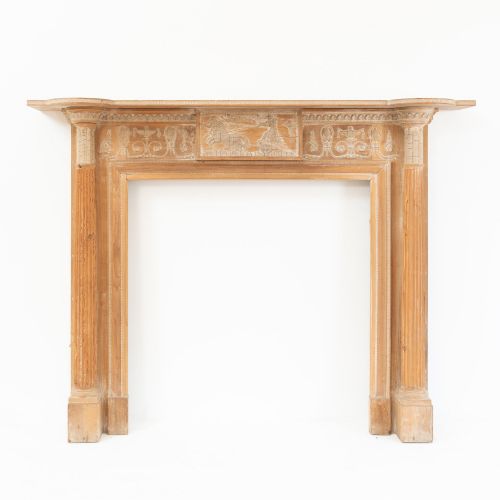
Freestanding stone or wooden columns perform well as display plinths for sculptures, large plants, or lamps in corners or open hallway spaces. Half-columns mount directly against walls to frame doorways, fireplaces, or artwork.
Ensure the piece rests on a stable, level surface capable of supporting heavy marble or cast iron weights. Pairing a column with complementary lighting highlights its carved capitals and fluted shaft.
What periods do these columns represent?
The available selection spans eighteenth-century oak carvings to nineteenth-century Victorian, Regency, and Empire marble works. Early twentieth-century pieces include carousel columns and architectural plaster casts.
Stylistic cues such as acanthus leaf capitals, reeded mahogany shafts, and Grand Tour materials help date individual pieces. Each era applied classical vocabulary through its own distinct manufacturing methods.