

Antique Apprentice Piece Drawers
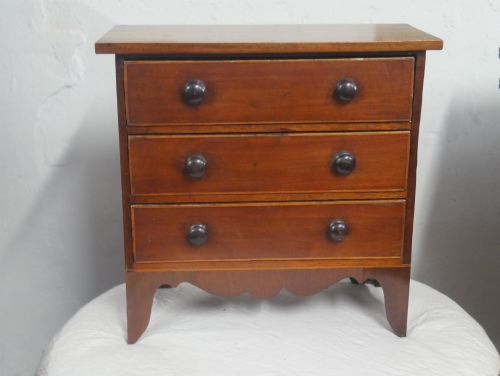
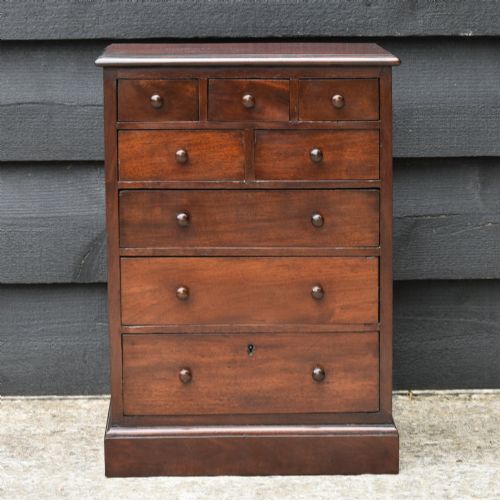
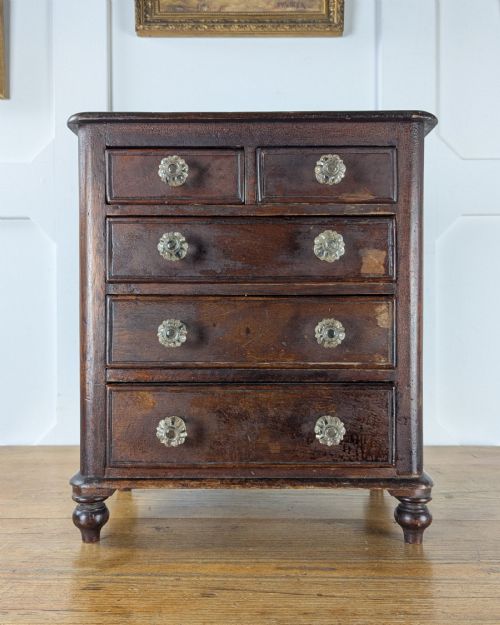
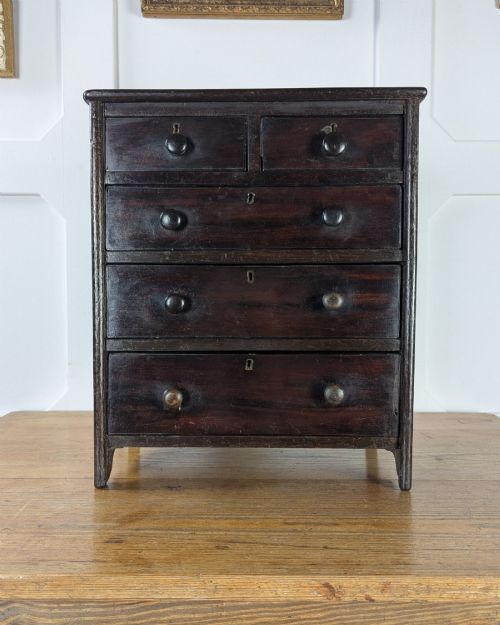
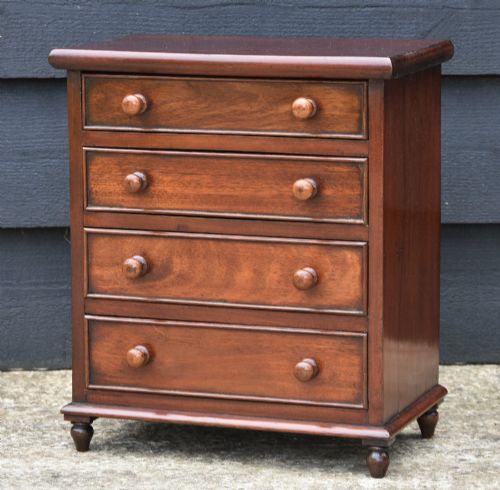
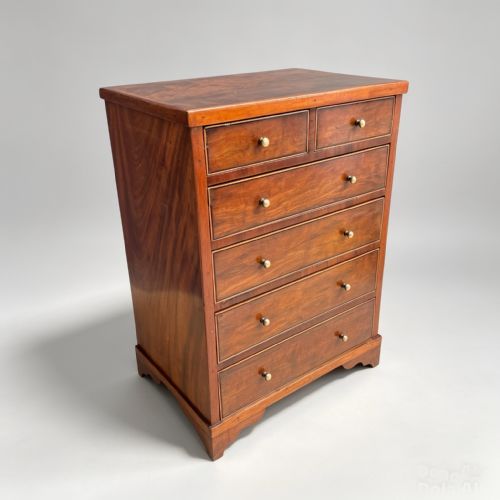
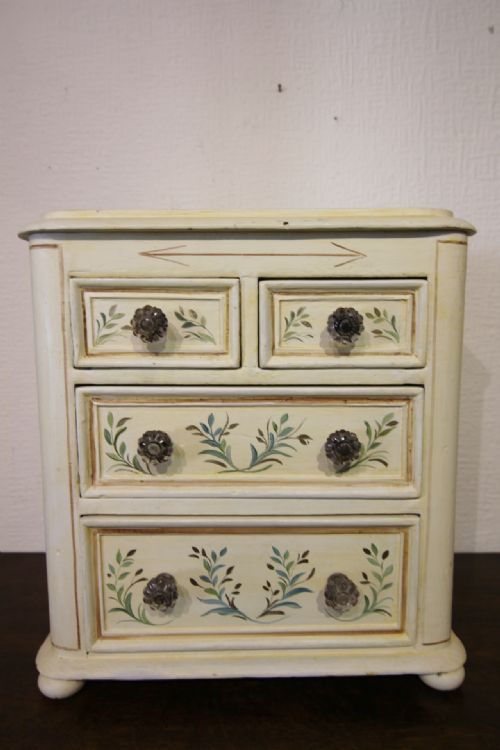
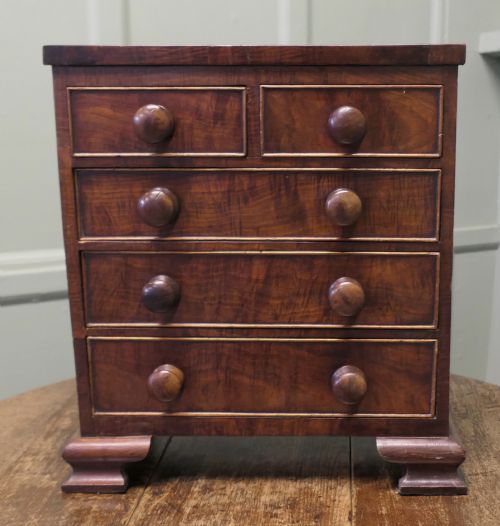
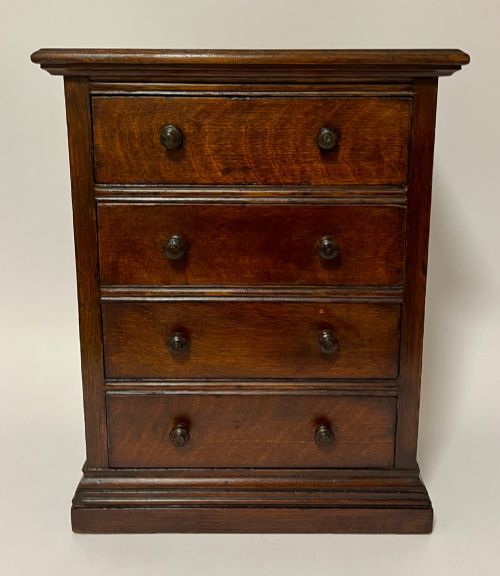
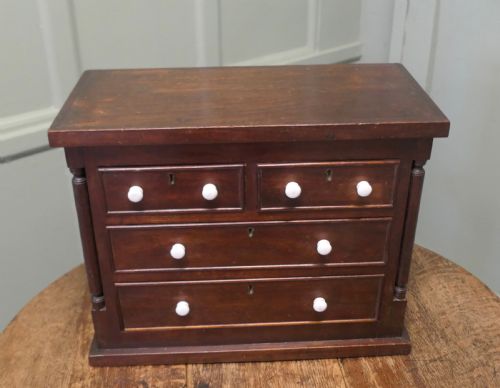
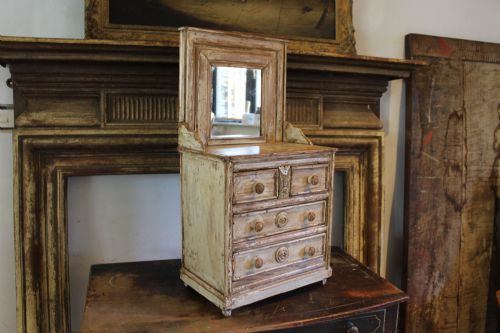
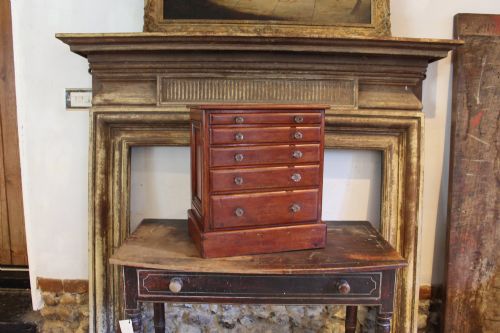
These antique apprentice piece drawers are small-scale demonstration chests and cabinets built to test skill or display proficiency.
Antique Apprentice Piece Drawers
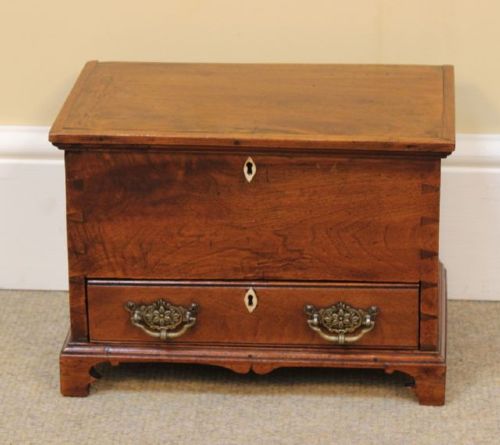
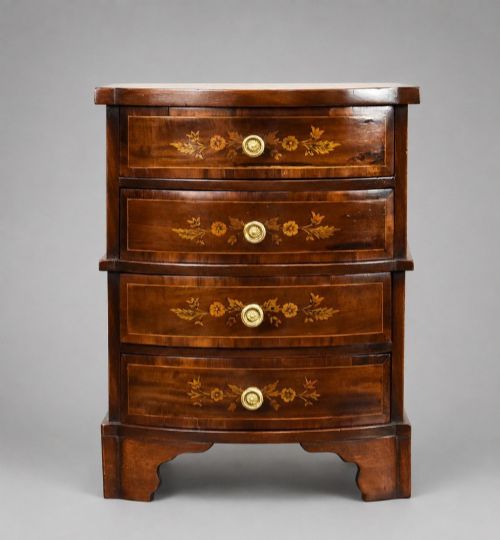
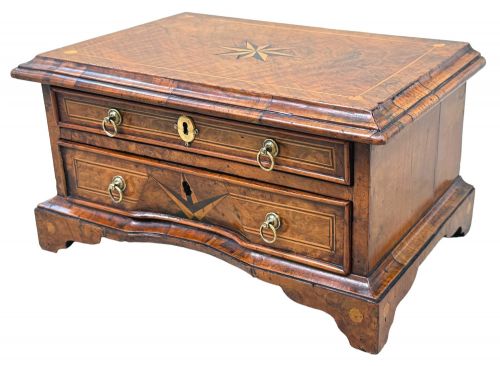
Antique apprentice piece drawers encompass miniature chests of drawers, miniature desks, and jewellery cabinets created during the eighteenth and nineteenth centuries. The majority of pieces met on this page belong to the Victorian and Georgian periods, originating from British, Scottish, and French workshops. Forms range from straight-fronted chests to bowfront designs, mule chests, and kneehole desks.
Makers constructed these miniature items using domestic and exotic timbers, often incorporating secret drawers, turned feet, and brass hardware. While traditionally linked to journeymen proving their trade, many served as salesman samples or tabletop collectors cabinets. Buyers encounter varying regional styles, including Scottish Scotch chests and French provincial variations.
How they were made
Cabinetmakers constructed these miniature pieces using solid timbers and veneered carcases, frequently employing mahogany, walnut, oak, and pine. Joinery followed standard full-size furniture methods, utilising dovetail joints for drawer construction and mortise and tenon frames.
Decorations relied on natural wood figures, such as burr yew and figured walnut, alongside brass handles, bone escutcheons, and mother of pearl inlay. Surfaces received French polish, wax, or paint finishes to highlight the grain and patina of the wood.
Listings feature eighteenth-century and nineteenth-century pieces constructed from mahogany, walnut, oak, pine, elm, and slate.
What varies in quality
Quality depends upon the precision of the miniature joinery and the selection of timber used for the carcase and drawer fronts. Pieces displaying finely figured veneers, well-fitted secret compartments, and original turned feet demonstrate superior craftsmanship.
Proportion and attention to architectural detail separate standard workshop exercises from master demonstrations. Superior examples maintain the exact scaling and moulding profiles of full-size furniture without looking clumsy.
The Antique Apprentice Piece Drawers Glossary
- Bowfront
- A convex curved front cabinet or chest of drawers popular in Georgian and Victorian furniture design. This shape requires advanced woodworking skill to curve the drawers and frame accurately.
- Mule chest
- A storage chest featuring one or more working drawers at the base beneath a hinged lid. Miniature versions combine box storage with standard drawer functionality.
- Patina
- The surface sheen and mellowing developed by wood over centuries of handling and exposure to light. Good patina indicates age and regular care.
- Escutcheon
- A protective plate surrounding a keyhole, often fashioned from brass, bone, or mother of pearl. These small fittings secure the wood around the lock.
Antique Apprentice Piece Drawers: Frequently Asked Questions
Were these drawers made by real apprentices?
Traditional history suggests junior craftsmen built these miniature items to demonstrate their proficiency to a guild or master. Many pieces also functioned as salesman samples or decorative tabletop cabinets for wealthy homes.
Evidence shows varying levels of finish, from simple pine prototypes to intricate walnut and mahogany masterpieces with secret compartments.
How do I date an apprentice chest?
Dating relies on timber selection, secondary woods, construction methods, and stylistic periods such as Georgian or Victorian. Mahogany and oak dominate earlier pieces, while pitch pine and figured walnut appear more frequently in later nineteenth-century examples.
Hardware styles and dovetail thickness provide further clues to the decade of manufacture.
Where were apprentice pieces used?
Original makers produced these small chests in workshops across Britain, Scotland, and France. They sat upon full-size furniture or tables in parlours and studies as decorative items or jewellery storage.
Collectors today place them on desks, sideboards, or dedicated shelves where their compact proportions can be appreciated.
What is a Scottish scotch chest?
A Scotch chest is a regional furniture form featuring a deep cushion drawer above the primary tier of smaller drawers. Miniature versions replicate this distinct Scottish vernacular design in mahogany or pine.
They share the compact scale of other apprentice pieces while displaying the characteristic proportions of nineteenth-century Scottish cabinetmaking.