


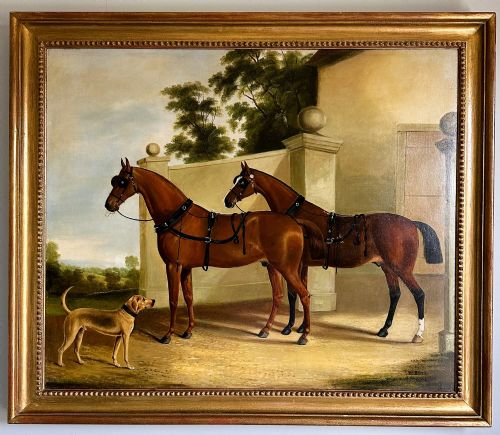
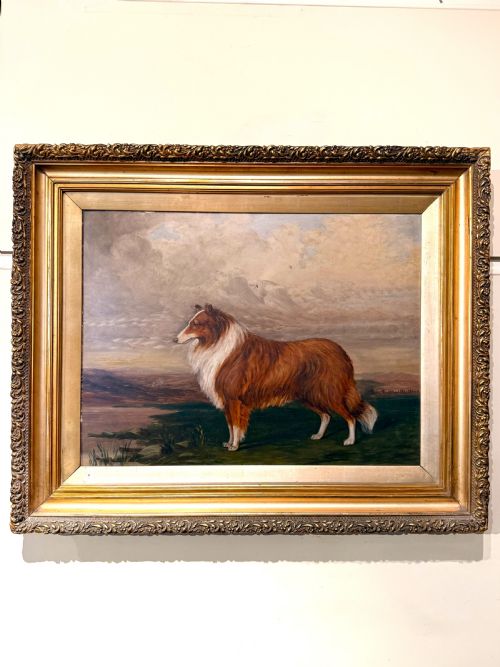
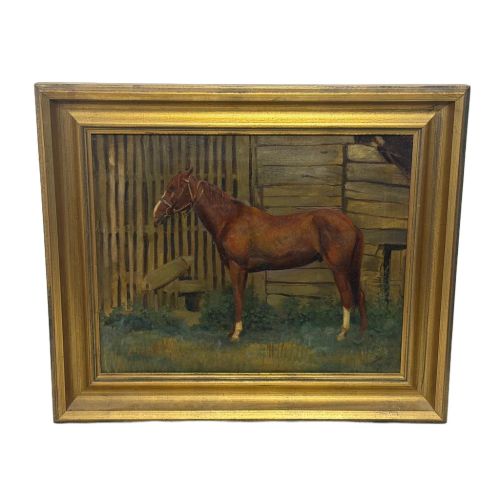
Antique Animal Portrait Painting
An antique animal portrait painting captures the distinct personality of a cherished creature, ranging from working farm stock to pampered household pets.
Antique Animal Portrait Painting
An antique animal portrait painting presents individual creatures with the gravity usually reserved for human subjects. These works span the Georgian, Victorian, and Edwardian eras, reflecting changing social attitudes toward domestic animals and livestock.
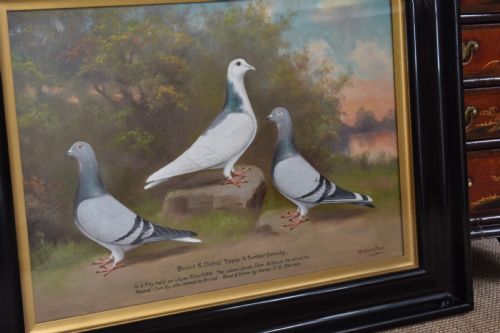
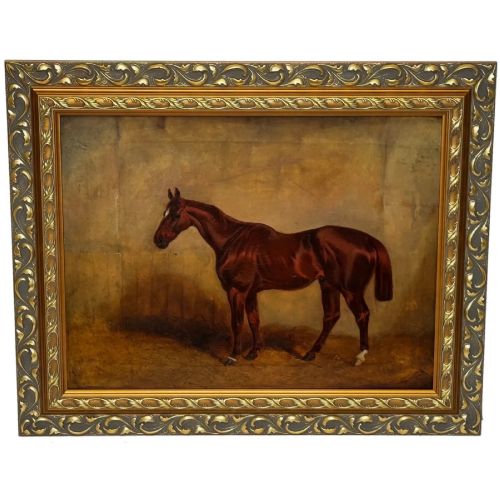
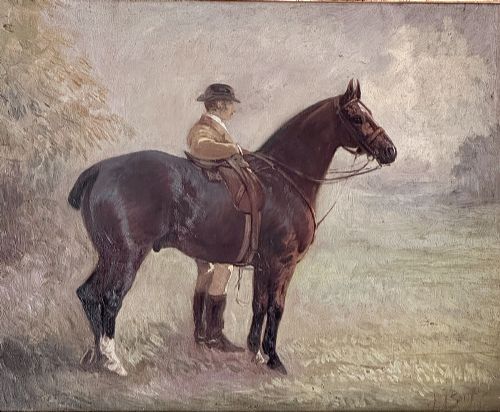
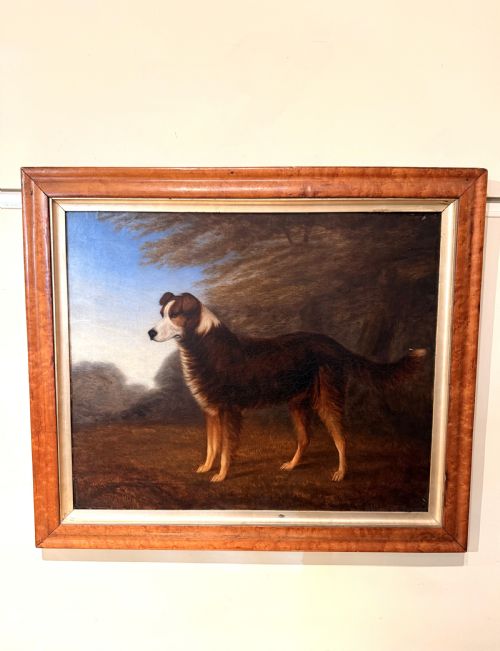
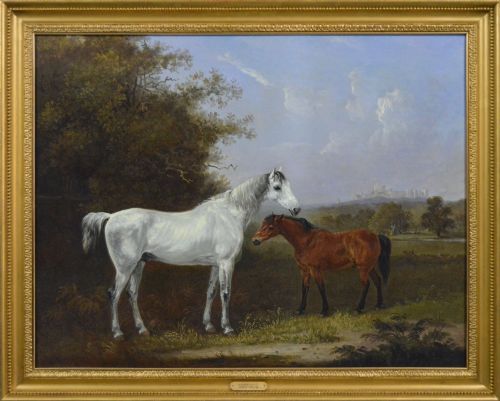
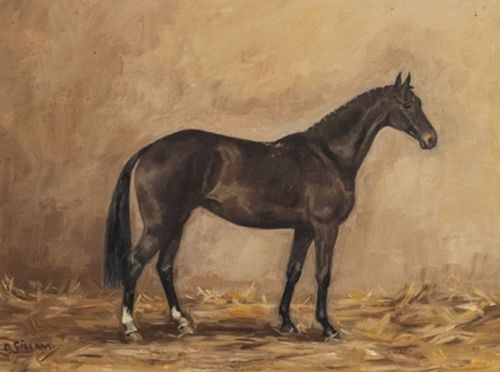
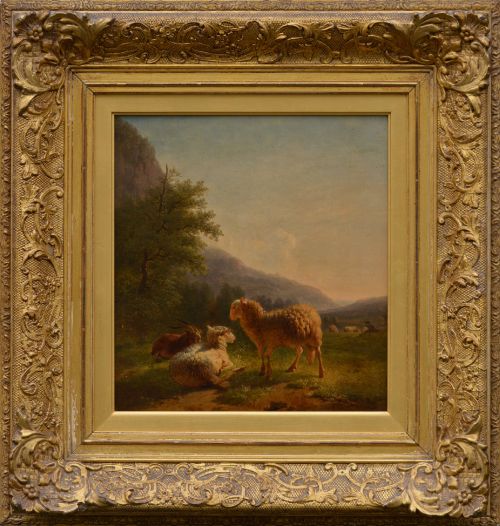
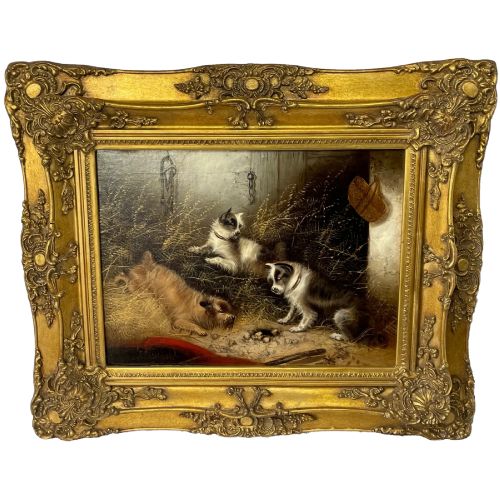
The most common versions met on this page are oil paintings on canvas or wood panels, depicting dogs, horses, cattle, and sheep. Subjects include specific prize-winning bulls, working gundogs, and beloved family pets rendered by British and continental painters.
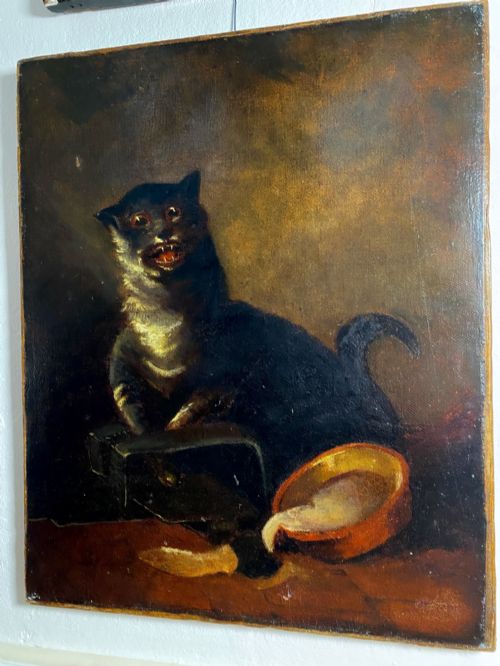
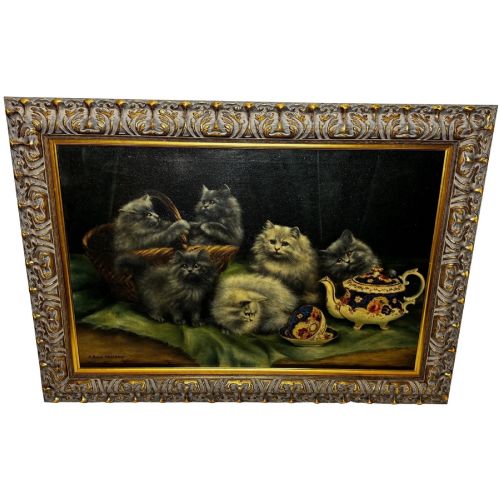
Beyond domestic beasts, the selection occasionally embraces more unusual subjects such as cats, poultry, and exotic animals rendered in oil, pastel, or watercolour. Each piece records a specific animal's form, often noted alongside inscriptions detailing the subject's name or lineage.
How They Were Made
Painters applied oil paint to stretched canvas or prepared wooden boards, building up layers of pigment to render the texture of fur, feather, and hide. Many of these works were housed in ornate giltwood and gold leaf frames that complemented contemporary domestic interiors.
Watercolour and pastel on paper appear alongside traditional oils, offering a lighter touch for intimate studies of dogs and horses. Supporting structures typically consist of wood stretchers and panels secured within period framing materials.
Antique Animal Portrait Painting Retail Price Guide 2026
Typical asking prices for animal portrait painting among the pieces listed under this phrase on Sellingantiques today, from the lower quarter to the upper quarter. They describe what is for sale here now, not the wider market.
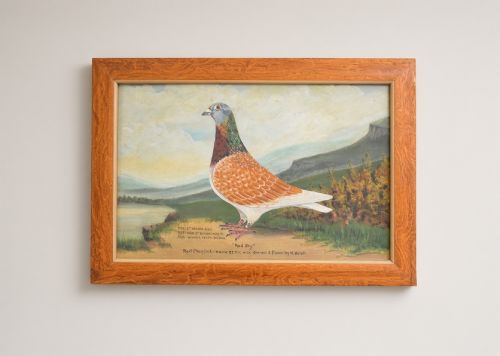
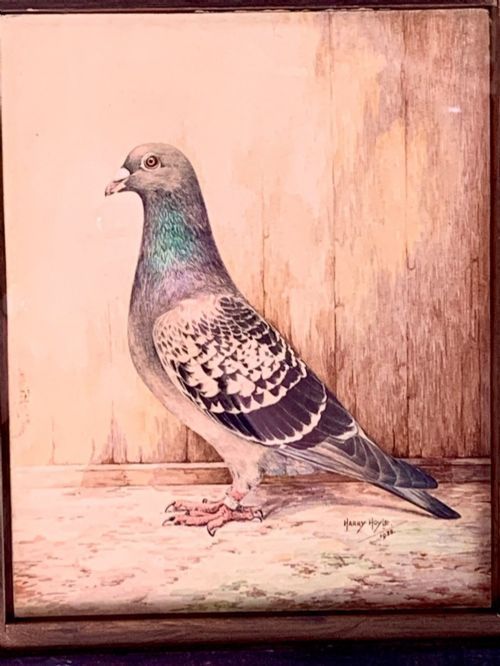
Several canvases record the likenesses of named pigeons, prizewinning bulls, and a remarkably confident monkey.
What Varies In Quality
Anatomy and expression distinguish standard decorative works from master animal portraits. The finest hands capture the specific bone structure, alert posture, and individual temperament of a horse or hound rather than a generic representation of the breed.
Compositional integration also marks the upper tier of these works, where the animal sits naturally within a detailed landscape or stable interior rather than floating against a flat backdrop. The dexterity of brushwork in rendering light across a coat or mane separates accomplished academy painters from naive or provincial hands.
Eugène Verboeckhoven·Edgar Hunt·Albert Clark·Arthur Wardle·William Barraud
The Antique Animal Portrait Painting Glossary
- Giltwood
- Wood carved and coated with gold leaf or metallic paint to create a decorative frame. These frames provide period context and protect the edges of the canvas.
- Naive school
- Art produced by painters without formal academy training, characterised by flat perspective and honest observation. These works possess a distinct folk art charm.
- Sporting art
- Depictions of hunting, racing, and prized agricultural livestock, often commissioned by landowners to record favored animals. This genre forms a significant portion of nineteenth-century animal painting.
- Canvas
- Heavy woven fabric stretched across a wooden frame to serve as a painting surface. Oil paint adheres securely to its textured weave.
- Panel
- A flat piece of wood used as a rigid support for oil paintings before canvas became standard. Panel paintings frequently survive from the earlier periods represented here.
Antique Animal Portrait Painting: Frequently Asked Questions
How do I identify the breed in a painting?
Nineteenth-century animal painters often recorded specific anatomical traits favored by breeders of the era, such as the proportions of a shorthorn bull or the head shape of a working lurcher.
Many works include contemporary inscriptions on the canvas or frame identifying the subject by name, kennel, or estate.
What is the difference between naive and academic animal art?
Academic painters utilised formal training in anatomy and perspective to render animals with exact anatomical precision and lifelike depth. Naive school pieces employ flatter perspectives and simpler brushwork, focusing on direct charm rather than anatomical strictness.
Both styles record historical attitudes toward animals, though academic works often reflect commissions by wealthy estate owners.
How should I display an oil painting on wood?
Wood panels require stable environmental conditions to prevent warping from humidity changes. Keep them away from direct heat sources and exterior walls.
Ensure the piece remains securely seated within its original or period-appropriate frame to support the edges of the panel.
Why are horses and dogs the most common subjects?
Horses and working dogs were central to rural economy, transport, and sport during the Georgian and Victorian periods. Landowners and breeders routinely commissioned portraits to celebrate valued hunters, prize livestock, and loyal companions.
Cats and exotic animals appear less frequently, reflecting their distinct roles in nineteenth-century domestic life.