
Antique Animal Painting
These antique animal painting works bring centuries of canine, equine and livestock portraiture into your rooms with remarkable presence.
What these pieces are
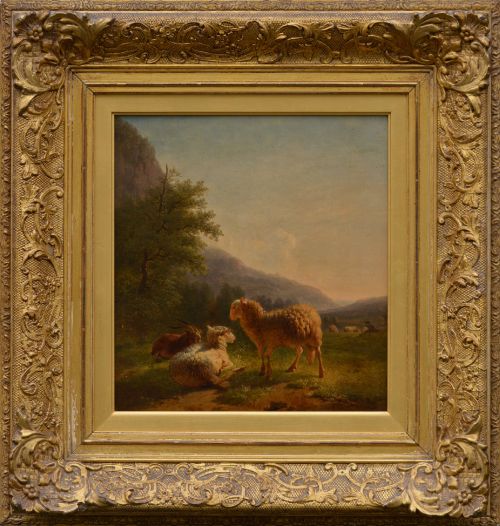
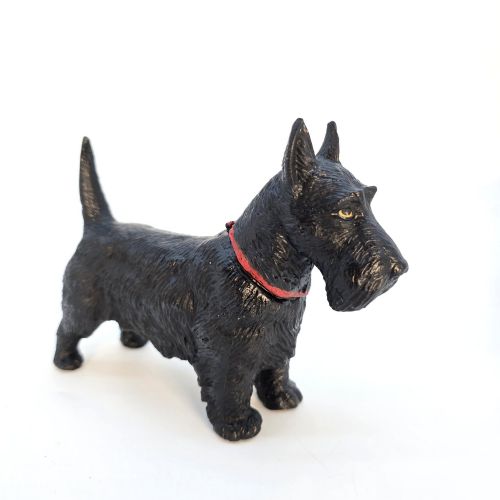
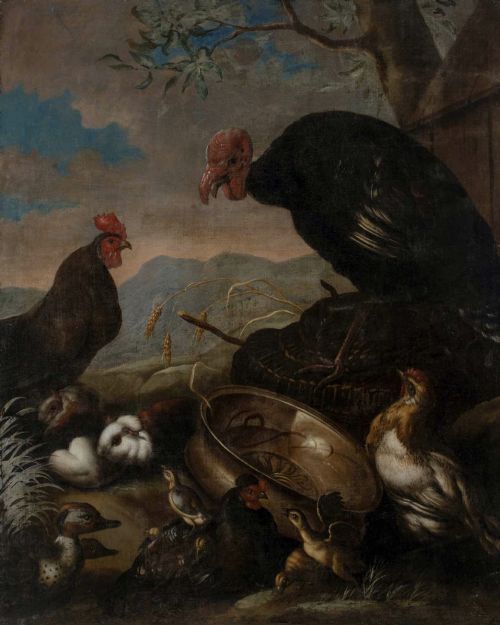
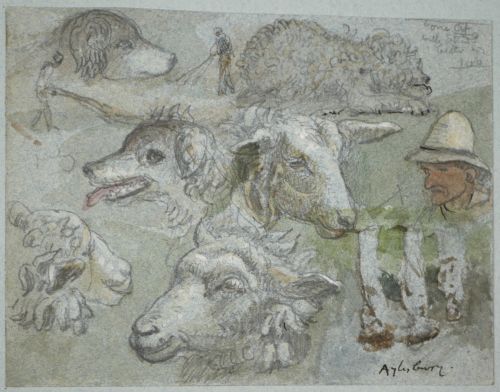
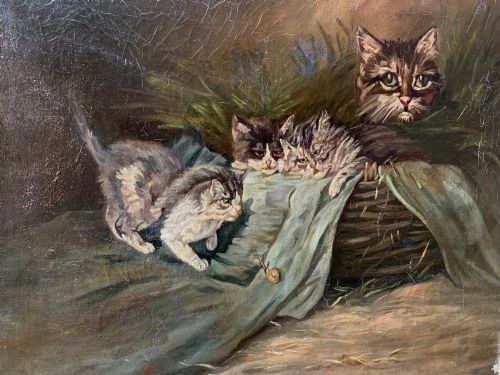
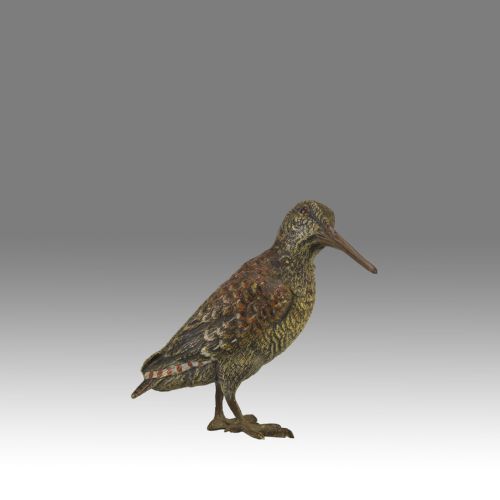
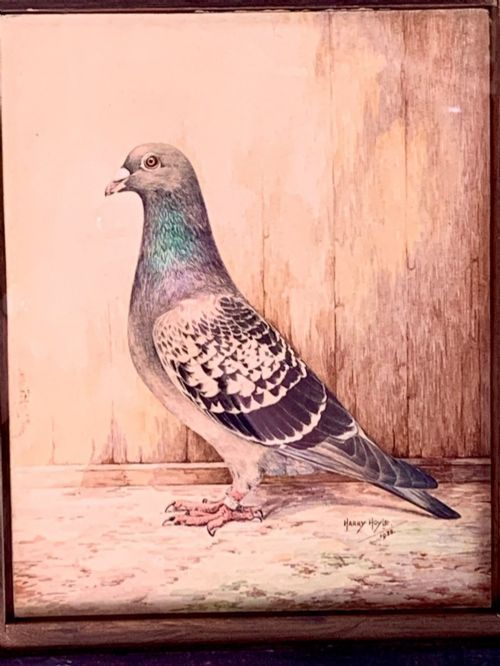
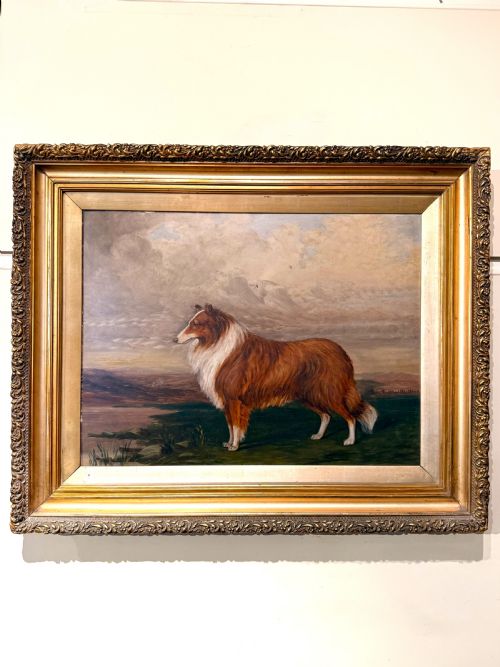
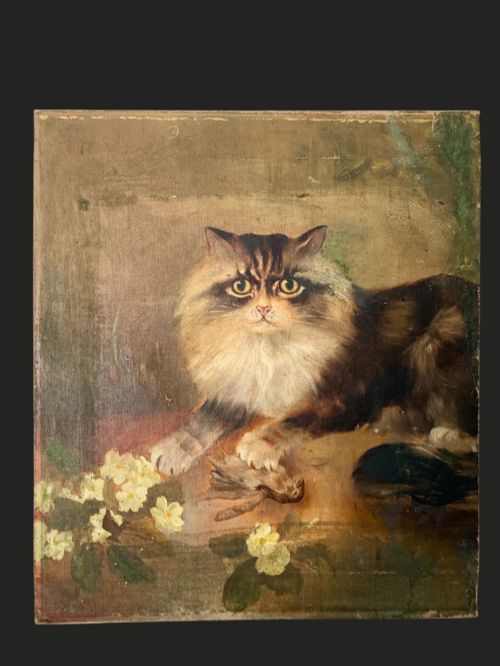
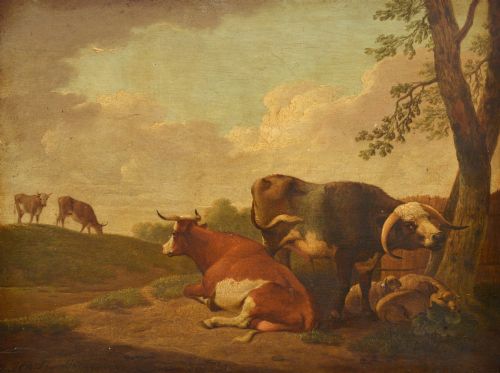
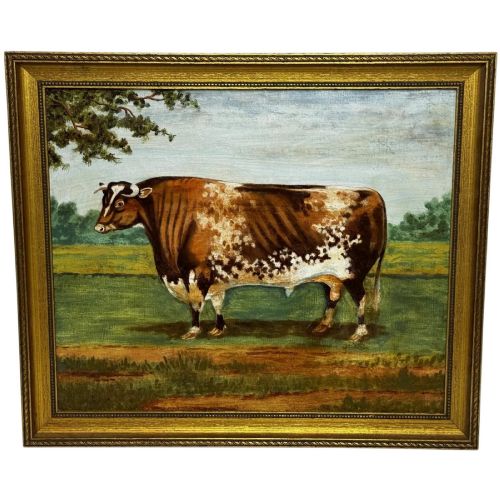
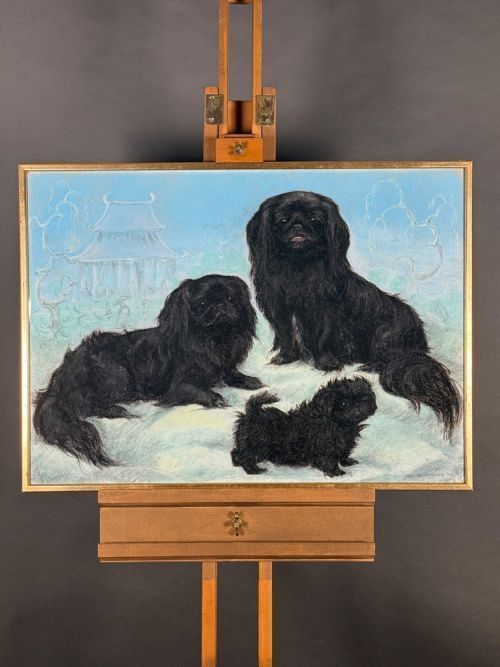
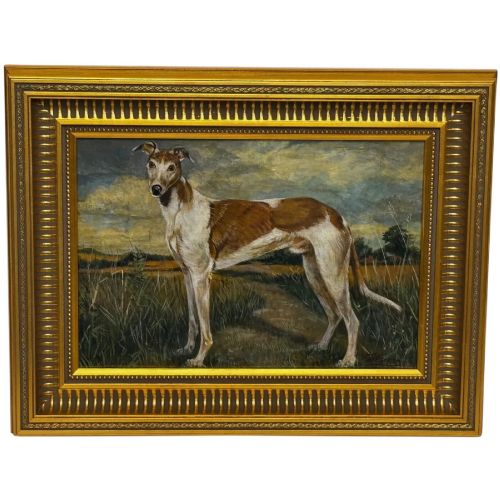
When you search for an antique animal painting, you are looking at centuries of canvas and panel works depicting dogs, cattle, horses and farmyard scenes. These pieces range from intimate domestic studies of spaniels and terriers to grand sporting compositions and pastoral landscapes.
On this page, you are most likely to meet 19th century oils and watercolours, often framed in gilt wood, capturing everything from working gun dogs to cattle resting by pools. The selection spans Victorian fine art down to 17th century Flemish Baroque works and 18th century British portraiture.
The subjects serve as direct windows into how past generations valued their working animals, pets and livestock. Whether signed by noted circles or captured by period followers, each piece records the texture of hair, feather and hide through traditional artistic lenses.
How they were made
The materials recorded in these listings rely on oil paint applied to canvas or wood boards, alongside watercolour on paper. Canvases are stretched over wooden frames, whilst boards provide a rigid support for detailed brushwork.
Frames play a crucial role in presentation, frequently constructed from gilded wood or finished with gold leaf. These ornate surrounds complement the depth and pigment of the oil paint within.
Retail Price Guide 2026
Typical UK retail prices for animal painting, calculated from the Sellingantiques database of over a million retail prices indexed since 2003. This retail price guide relies exclusively on Sellingantiques data; no external sources or auction records are used, so the figures do not describe the wider market.
The listings span the seventeenth, eighteenth, and nineteenth centuries, utilising canvas, wood, oil paint, and gold leaf.
What varies in quality
Quality in these works rests upon the precision of anatomy and the liveliness with which the creature's character is rendered. Masterful brushwork captures the glint in an eye and the individual texture of a coat, whereas lesser examples rely on stiff outlines and flat colour.
The sophistication of the surrounding frame also dictates the tier of the piece, with deep gilded wood mouldings marking out works intended for formal reception rooms. Additionally, proximity to named hands or recognised circles elevates the art historical interest of the painting.
Frans Snyders·Colin Graeme Roe·Sir Edwin Landseer·Thomas Sydney Cooper·John Frederick Herring·George Stubbs·H Jackson
The Antique Animal Painting Glossary
- Flemish Baroque
- A Northern European artistic style of the seventeenth century characterised by dynamic movement and rich, dramatic colour. It often appears in spirited animal scenes involving dogs and game.
- Gilt
- A thin layer of gold applied to wood framing to provide a decorative metallic surface. This finish reflects light and enhances the warmth of the oil paintings it encloses.
- Manner of
- A term indicating a work created in the style of a specific master but not necessarily during their lifetime or by their direct hand. It shows the enduring influence of prominent artists like Thomas Sydney Cooper.
- Circle of
- A designation used when a painter worked in close association with a major master, sharing techniques and studio practices. These pieces date from the same period as the named artist.
- Oil on Board
- A technique where pigment mixed with drying oil is applied directly to a wooden panel rather than stretched fabric. This method provides a stable, rigid support favoured for smaller studies.
Frequently Asked Questions
How do I care for an antique oil painting?
Keep the canvas away from direct sunlight and damp conditions to prevent the oil paint from cracking or fading. Dust the surface gently with a soft, dry brush without applying pressure.
Avoid using any liquid cleaners or commercial sprays on either the canvas or the gilt frame. Professional conservators should handle any deeper cleaning or structural repairs.
What is the difference between oil and watercolour?
Oil paint uses pigments suspended in a drying oil, allowing for rich layers, thick impasto texture, and deep tones on canvas or wood. Watercolour uses water-soluble pigments on paper, resulting in a lighter, more translucent finish.
Oils are traditionally more durable and housed behind open frames, whereas watercolours require glass protection to shield the paper from moisture and dust.
How can I tell a Victorian painting from an 18th century one?
Victorian works often display the sentimental realism and pastoral focus typical of the nineteenth century, including detailed depictions of farmyards and pets. Eighteenth century pieces frequently lean towards classical portraiture styles within a landscape setting.
Examining the canvas weave, stretcher construction, and framing style also helps confirm the period of creation alongside stylistic cues.
Where should I hang an animal painting at home?
These works suit traditional reception rooms, studies, and hallways where their rich wooden and gilt frames can complement period interiors. They pair well with natural materials and leather furnishings.
Ensure the hanging wall is free from excessive temperature fluctuations, such as those near radiators or open fires, to protect the paint layer.