



Antique Amphora Jar
These antique amphora jar items are robust vessels built for trade and storage, offering rustic warmth to modern spaces.
Antique Amphora Jar
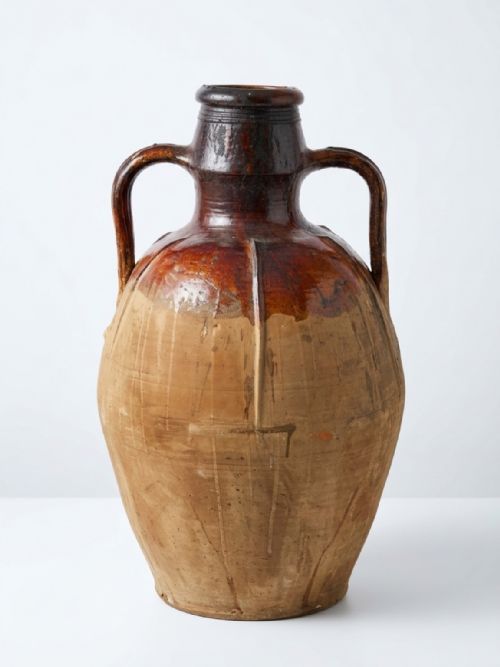
An antique amphora jar serves as a durable container traditionally used for transporting and storing goods like olive oil, wine, and water across Mediterranean regions. Buyers searching for an antique amphora jar will encounter large, earth-toned pots designed with practical handles and heavy bases.
The selections span various centuries, featuring pieces from nineteenth-century Italy, France, and Turkey, alongside earlier Persian and European examples. Most items function today as decorative garden planters, urns, or large floor vessels inside homes.
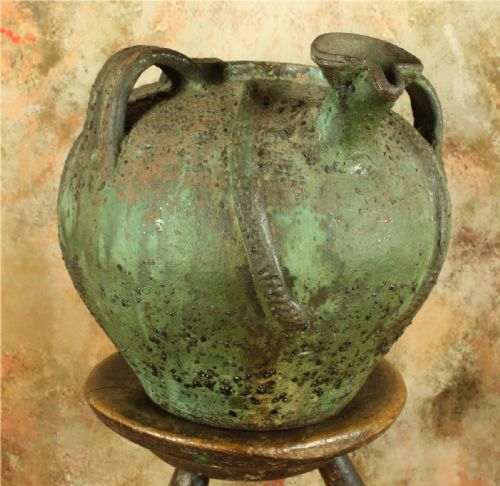
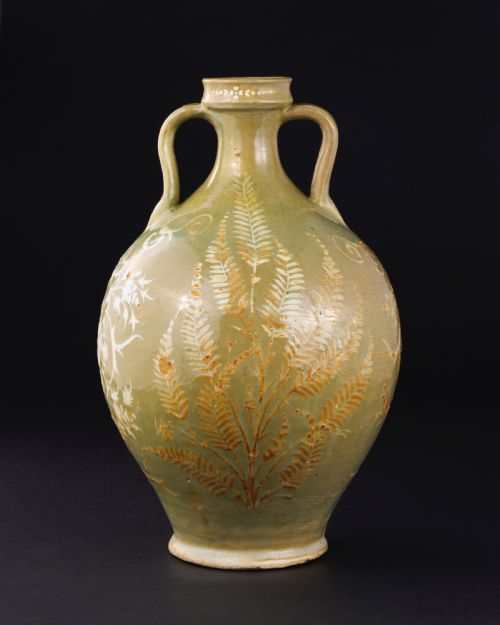
Forms range from multi-handled oil pots and tall olive jars to glazed amphora vessels and painted pottery pieces. These utilitarian origins give each container an honest, weathered character that suits rustic and traditional interiors alike.
How they were made
Potters built these vessels primarily from terracotta, earthenware, and heavy clay, shaping the bodies by hand or on traditional wheels. Many pieces received functional applications of glaze, lime wash, or slip to seal the porous clay against liquids.
Some items incorporate additional hardware, such as wrought iron stands or multiple clay handles designed for lifting heavy loads. Firing took place in traditional kilns, leaving natural variations in the colour and texture of the earthenware.
Several heavy oil jars arrive with multiple handles, built precisely so three people could lift them without dropping the wine.
What varies in quality
Quality in these vessels depends on the preservation of the original clay body and the organic weathering acquired over centuries. Pots that retain their structural integrity alongside authentic surface patinas, such as faded lime wash or historical paint remnants, stand apart from heavily restored examples.
The craftsmanship of the handles, the symmetry of the thrown body, and the presence of maker marks or distinct regional styling determine the distinction of individual pieces. Balance and proportion relative to the scale of the vessel separate standard storage pots from finer decorative examples.
The Antique Amphora Jar Glossary
- Terracotta
- A porous, unglazed or glazed fired earthenware made from iron-rich clay. It typically displays warm red, brown, or buff tones.
- Slip
- A liquid mixture of clay and water applied to pottery before firing to smooth the surface or create decorative effects.
- Glaze
- A glassy coating fused to the pottery surface through high-temperature firing. It renders the vessel waterproof and adds colour.
- Lime wash
- A traditional coating made from slaked lime applied to exterior walls and storage vessels. It offers a matte white or chalky finish that weathers over time.
- Wrought iron
- Iron beaten into shape by hand with a hammer, commonly used for stands and structural reinforcement on heavy vessels.
Antique Amphora Jar: Frequently Asked Questions
How were amphora jars used originally?
These large vessels functioned primarily for the bulk storage and maritime transport of essential commodities like olive oil, wine, and water.
Their heavy bases and sturdy handles allowed merchants to load them securely onto ships and carts across the Mediterranean.
Can I use an antique oil jar outside?
Many terracotta and earthenware jars withstand outdoor placement, particularly when displayed in sheltered garden settings.
Freezing temperatures can damage porous damp clay, so owners often bring delicate or glazed vessels indoors during winter months.
How do I clean an old terracotta pot?
Gentle brushing with water helps remove surface dirt without disturbing the historical patina or fragile lime wash layers.
Avoid harsh chemical detergents and pressure washers, which strip away centuries of accumulated character from the earthenware.