

Antique American Timepiece
An antique american timepiece brings precision engineering and classic styling together, offering a functional piece of transatlantic history for daily use or collection.
Antique American Timepiece
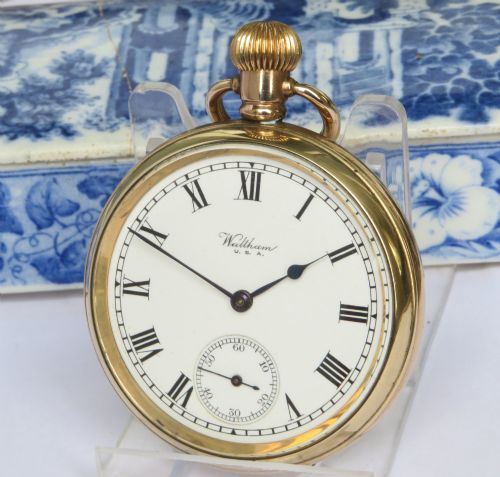
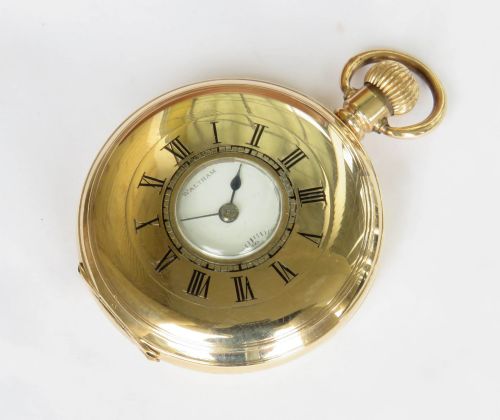
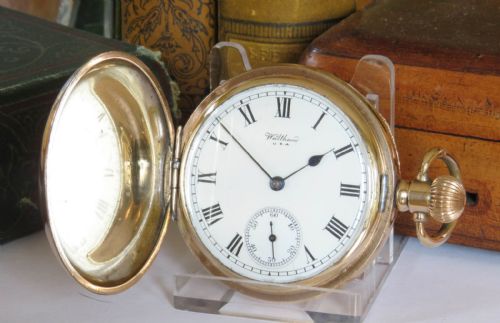
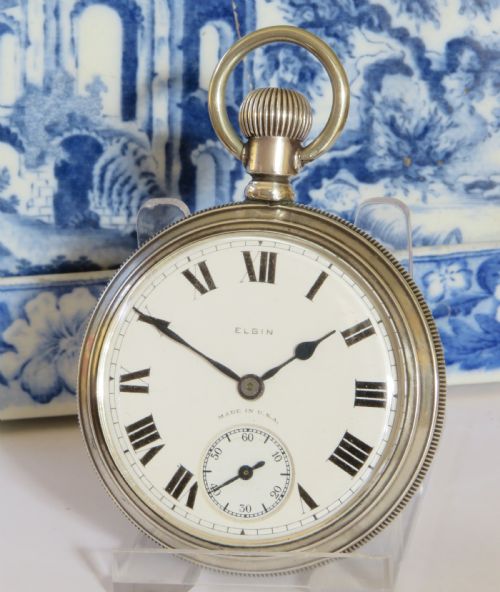
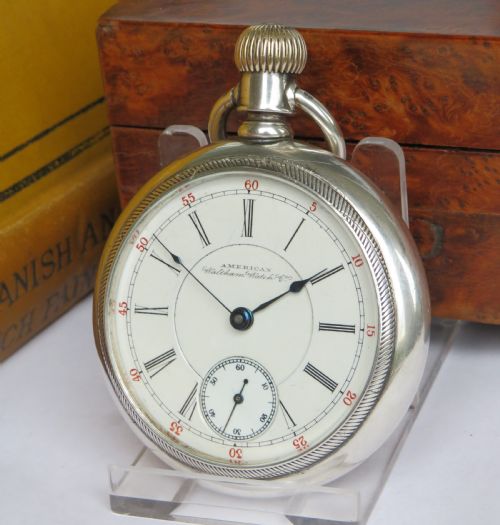
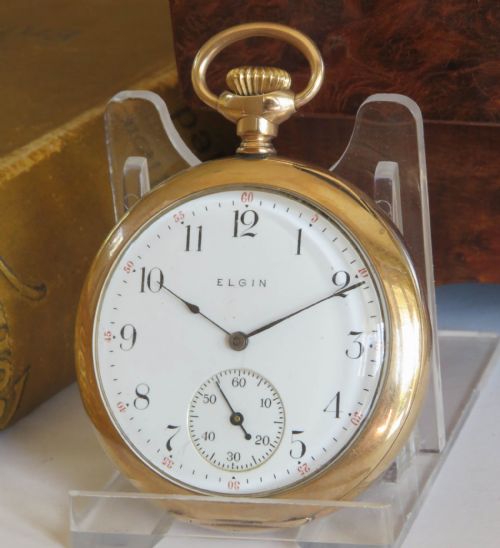
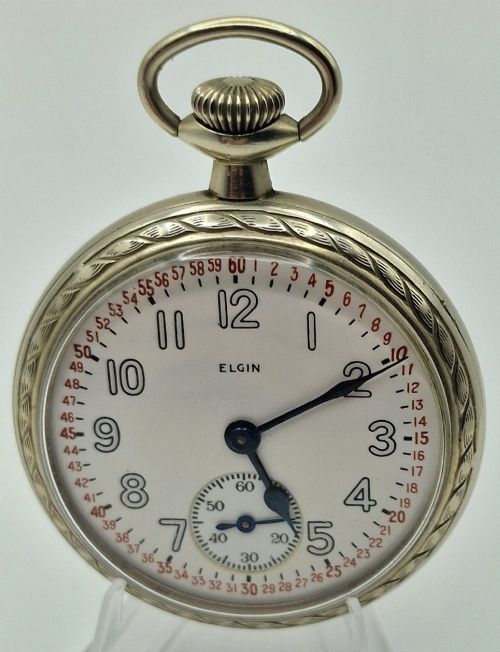
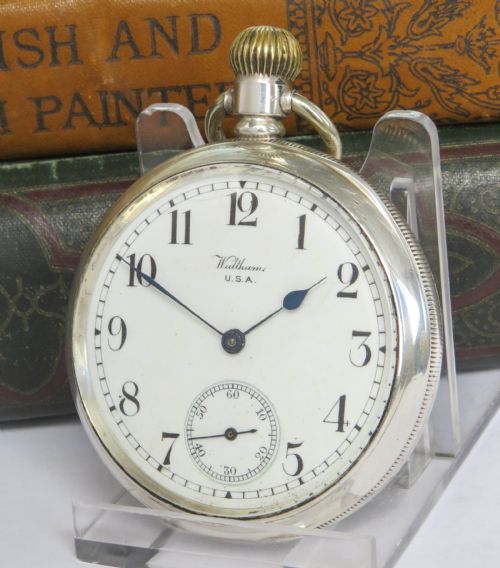
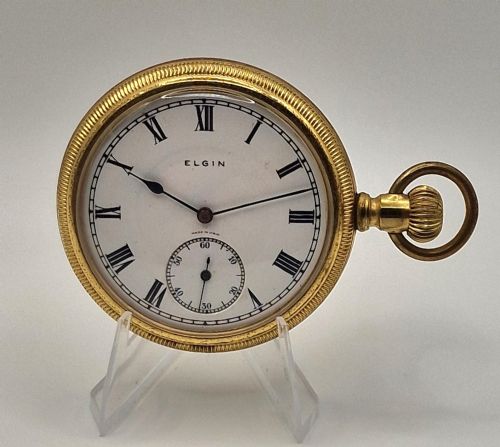
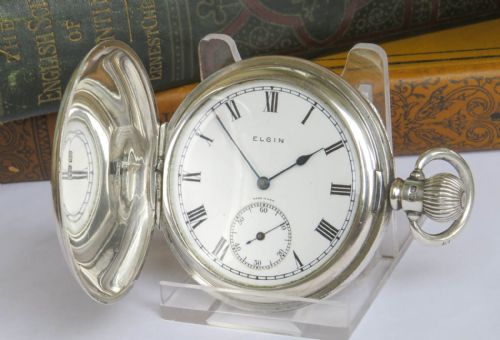
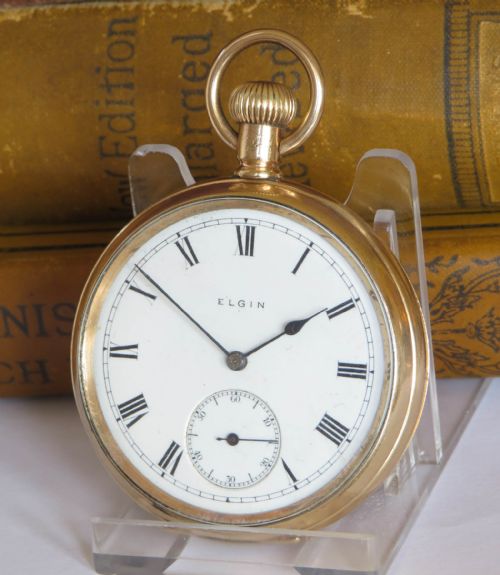
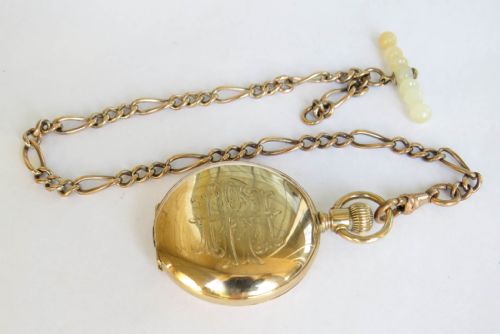
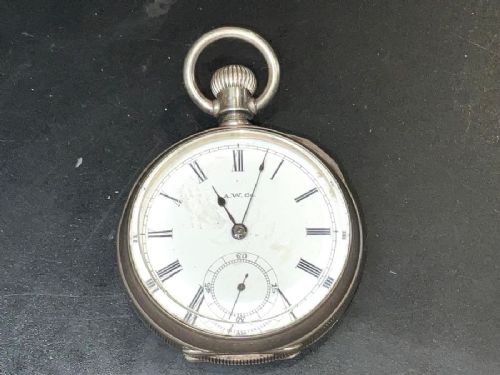
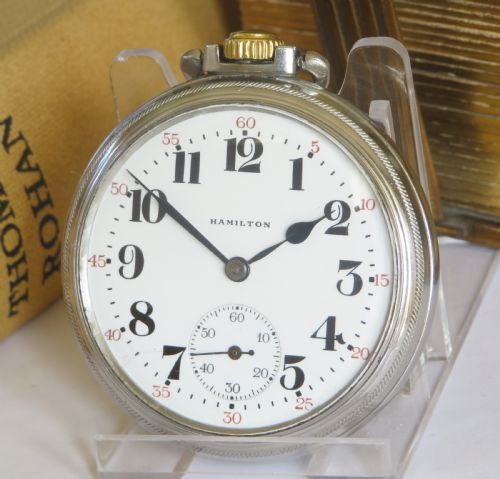
Every antique american timepiece represents a distinct period of horological development, spanning from nineteenth-century pocket designs to mid-century wristwatches. Buyers seeking an antique american timepiece will encounter various forms including pocket watches, hunter fob watches, mantel clocks, and wristwatches.
The objects originate from notable manufacturers across the United States, utilising materials such as silver, gold plate, steel, and enamel. Pieces range from Victorian and Edwardian pocket models to Art Deco wristwatches dating through the 1930s and 1950s.
Materials and construction
Construction relies upon robust metals including steel, nickel, and silver, alongside gold plate and white gold fill for luxury casings. Glass protects the dial faces while intricate internal mechanisms utilise specialised metal components.
Enamel provides durable, legible dial surfaces, often paired with leather straps on wrist models or secure hinged metal covers on hunter pocket watches. Precision gearing and escapement mechanisms, such as the duplex escapement, drive the internal movement of these mechanical objects.
Antique American Timepiece Retail Price Guide 2026
Typical asking prices for american timepiece among the pieces listed under this phrase on Sellingantiques today, from the lower quarter to the upper quarter. They describe what is for sale here now, not the wider market.
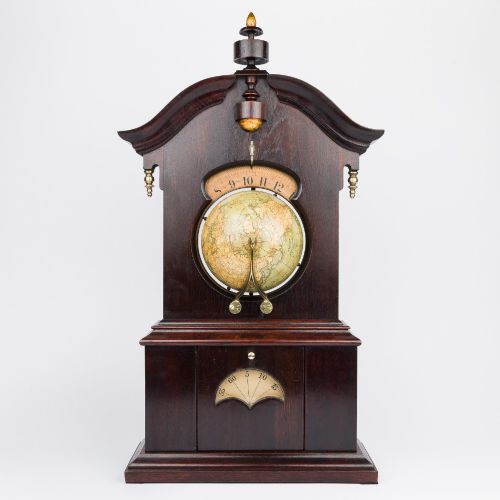
Timby’s solar timepiece brings an unexpected nineteenth-century celestial ambition straight into the palm of your hand.
Assessing quality
Quality differentiates by the refinement of the internal movement and the durability of the casing material, whether solid silver, gold plate, or base metal. Superior examples feature well-preserved enamel dials and intricate casing engravings that remain crisp and clear.
The complexity of the escapement and the historical significance of the maker influence the standing of a piece within its period. Serviced mechanical states and original components further distinguish finer specimens from standard utility models.
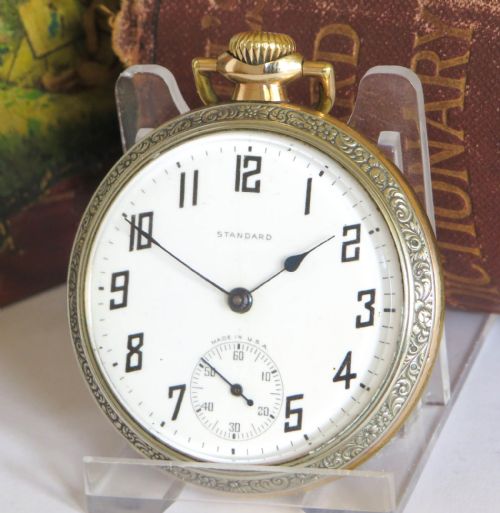
Elgin·Waltham·Hamilton·Bulova·New York Standard·Waterbury USA
The Antique American Timepiece Glossary
- Hunter pocket watch
- A pocket watch featuring a spring-loaded metal cover that protects the glass dial from damage. This style requires pressing a crown button to release the hinged lid.
- Duplex escapement
- An intricate mechanical arrangement used in timepieces to regulate the release of power from the mainspring. It provides an impulse to the balance wheel on every second vibration.
- Gold fill
- A manufacturing technique where a layer of gold is mechanically bonded to a base metal core. This method provides the appearance of solid gold with greater durability.
- Fob watch
- A smaller watch designed to be attached to a decorative ribbon or chain rather than carried loose in a pocket. These items were frequently worn by women during the Victorian and Edwardian eras.
Antique American Timepiece: Frequently Asked Questions
How do I wind a mechanical pocket watch?
Wind the crown gently in a clockwise direction until slight resistance is felt, indicating the mainspring is fully tensioned.
Avoid over-winding the mechanism, as excessive force can damage the internal gearing.
Can I wear these vintage wristwatches daily?
Many of these pieces function well for regular wear, provided they receive appropriate mechanical servicing and careful handling.
Keep mechanical items away from water and magnetic fields to preserve their internal components.
What is the difference between a hunter and open face watch?
A hunter pocket watch includes a protective metal lid over the dial, whereas an open face version leaves the glass dial exposed.
Open face models allow quick time reading without opening a cover, while hunter cases offer greater protection.
How do I identify the production date?
Dates can often be determined by examining serial numbers stamped on the internal movement, which correspond to manufacturing ledgers.
Stylistic cues such as Art Deco numerals or Victorian casing shapes also help narrow down the production era.