




Antique Amber Jewellery
Antique amber jewellery brings together warm organic resin and precious metals across periods from the nineteenth century to the art deco era.
Antique Amber Jewellery
When you search for antique amber jewellery, you are looking at pieces shaped from fossilised tree resin, often paired with silver or gold. The selections span necklaces, drop earrings, and brooches from Victorian, Edwardian, and 1930s periods.
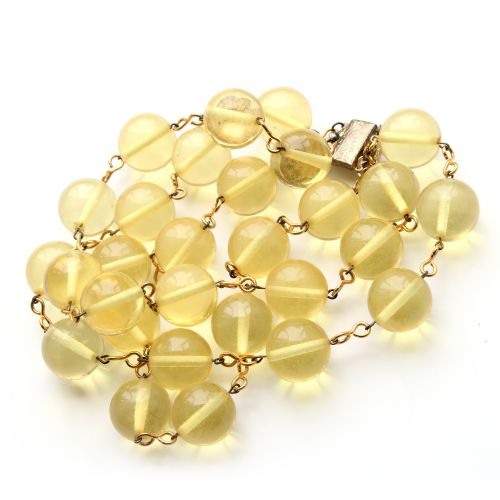
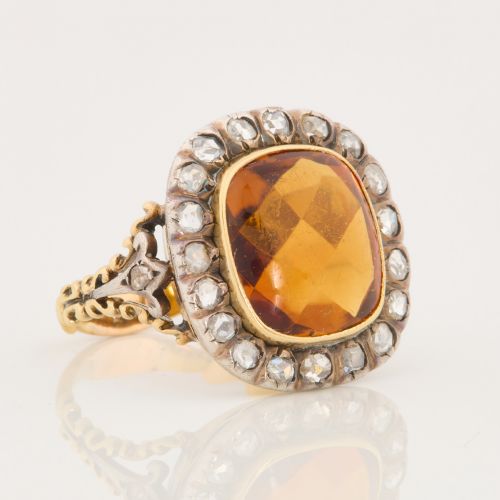
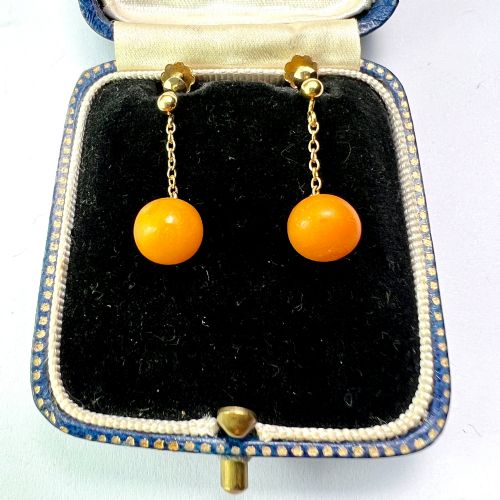
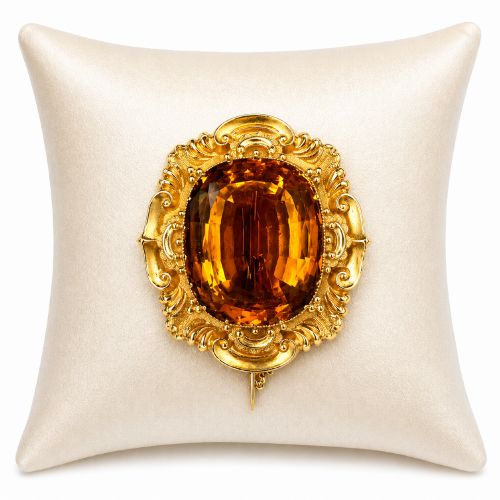
Necklaces dominate the offerings, ranging from graduated butterscotch beads to long natural pieces. You will also encounter matched earrings and rings utilising amber alongside materials like citrine and tortoiseshell.
How they were made
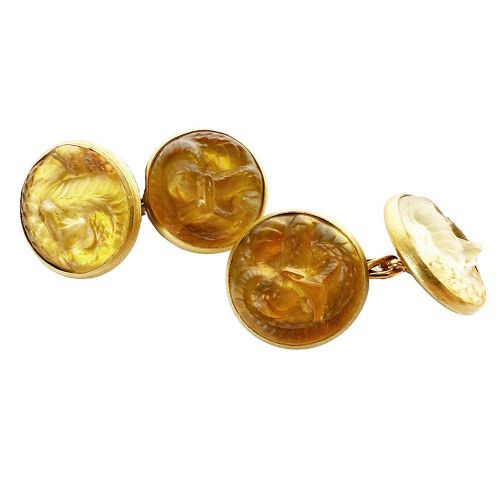
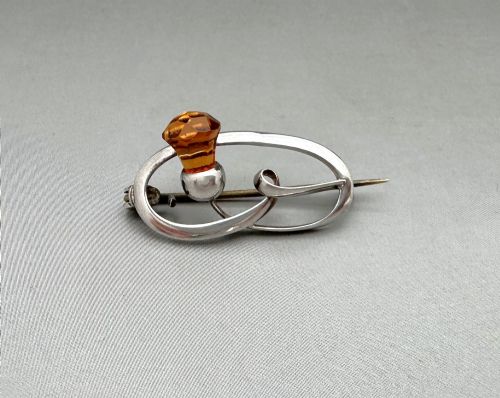
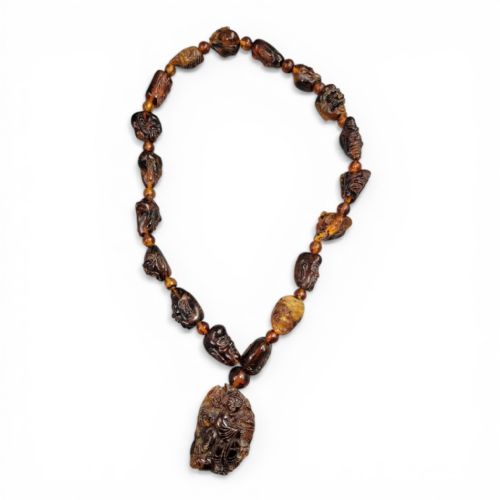
Maker techniques involve setting natural Baltic amber and glass into sterling silver and gold mounts. Jewellers drilled, polished, and carved the organic resin into beads, luohan heads, and cabochons.
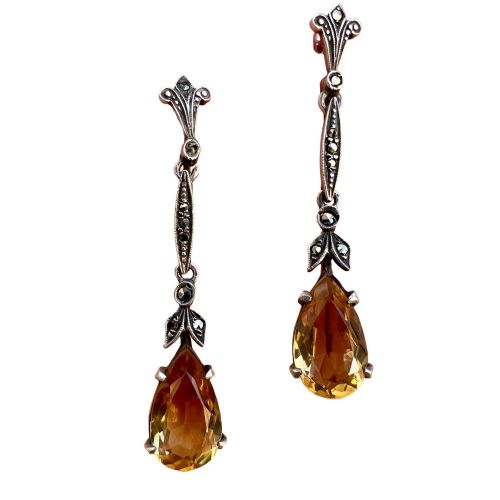
Metalwork utilises casting and wirework to secure the amber, seen clearly in Edwardian chain drop earrings and sterling silver necklaces.
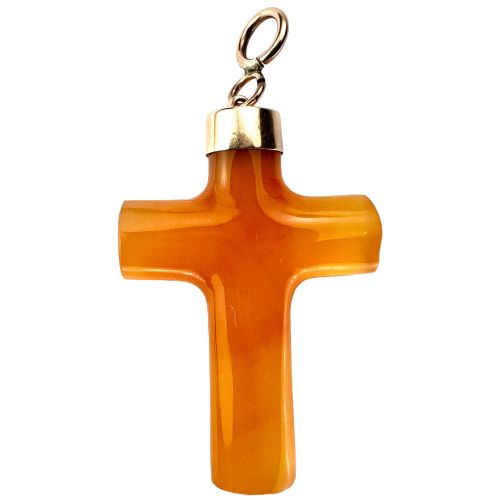
Some Victorian charm pendants double as functional sterling silver whistles, ensuring you can summon attention from across the drawing room.
What varies in quality
Quality rests in the uniformity and depth of the amber beads, alongside the refinement of the metal setting. Pieces featuring well-matched graduated beads or intricate silver mounts stand apart from simpler iterations.
The clarity of the material and the integrity of the original clasps or mounts determine the overall standard of the jewellery.
Charles Horner·R Lalique·S Theeman
The Antique Amber Jewellery Glossary
- Baltic amber
- Fossilised tree resin originating from the Baltic region, prized for its natural warmth and inclusion range. It forms the core material of many period necklaces and beads.
- Butterscotch amber
- An opaque, yellowish-cream variety of fossilised resin highly sought after by collectors. It appears frequently in graduated bead necklaces from the 1930s.
- Cabochon
- A gemstone or piece of amber shaped and polished with a smooth, convex upper surface rather than faceted. This cut highlights the natural internal patterns of the resin.
- Graduated beads
- Beads increasing in size progressively from the clasp to the centre of a necklace. This traditional arrangement ensures a balanced drape around the neck.
Antique Amber Jewellery: Frequently Asked Questions
How do I identify genuine antique amber?
Genuine antique amber feels warm to the touch rather than cold like glass or stone. It often contains natural inclusions and exhibits variations in colour and transparency.
Examination under magnification reveals organic growth patterns rather than machine-made uniformity. Period settings in sterling silver or gold also help confirm the age of the piece.
Can I wear my amber necklace every day?
While many period necklaces are robust enough for regular wear, amber remains relatively soft compared to gemstones. Store individual pieces separately in soft pouches to prevent scratching from harder metals.
Put your jewellery on after applying perfumes and hairspray to protect the resin from chemical degradation over time.
What is the difference between butterscotch and clear amber?
Butterscotch amber is opaque and creamy due to countless microscopic air bubbles trapped within the resin during fossilisation. Clear amber allows light to pass directly through, often revealing ancient plant or insect inclusions.
Both varieties appear across Victorian and twentieth-century designs, depending on the source material.