




Antique Amber Beads
Antique amber beads hold a warm, fossilised light that makes them a timeless addition to any collection.
Antique Amber Beads
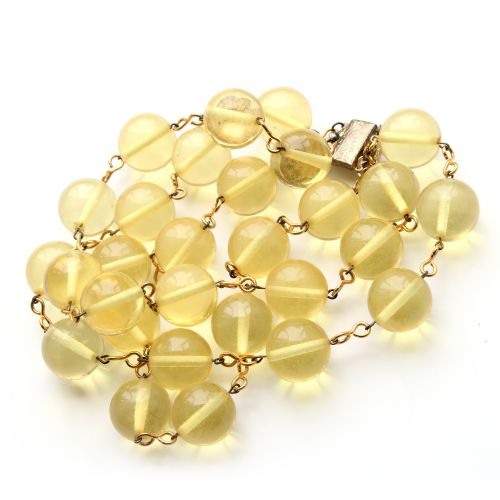
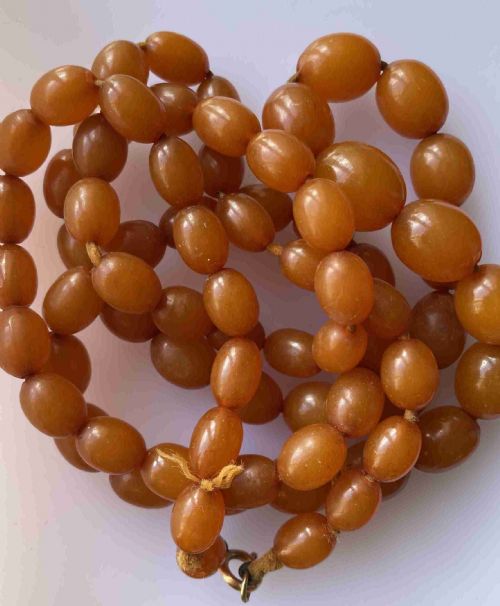
When you search for antique amber beads, you are looking at pieces shaped from fossilised tree resin, spanning periods from the nineteenth century through the Edwardian era and into the 1930s. The selection includes natural Baltic amber necklaces featuring graduated beads, butterscotch tones, and barrel shapes.
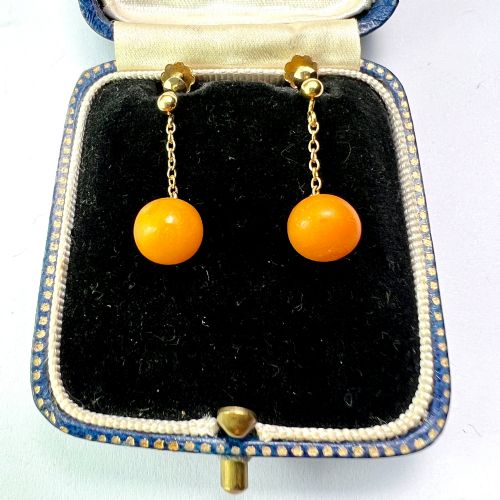
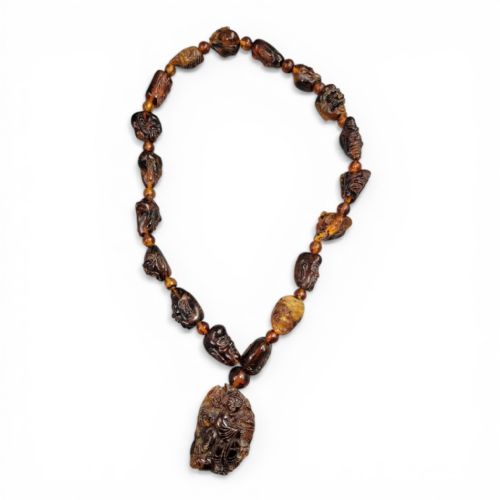
You will also encounter related pieces such as chain drop earrings set in gold and carved Chinese necklaces featuring figural pendants. These items demonstrate the variety of forms that organic resin took in historical jewellery design.
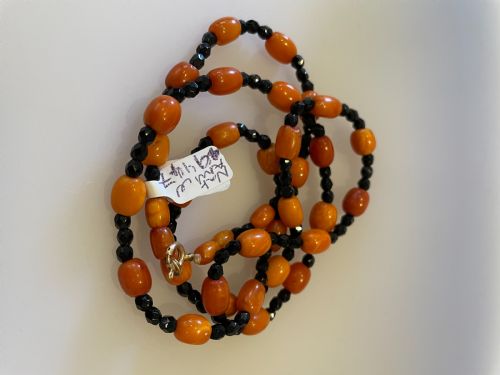
The materials and styles range from Edwardian natural necklaces to cherry Bakelite alternatives and Qing Dynasty carved luohan heads. Each piece reflects the specific taste and lapidary skill of its originating decade.
What varies in quality
Quality in these pieces rests upon the clarity and natural colour variation of the resin, alongside the regularity of the bead shaping. Graduated strands and well-matched butterscotch or egg yolk tones demonstrate superior selection by the maker.
The craftsmanship of the individual elements, such as carved figural pendants or secure barrel clasps, further separates standard examples from finer works. Historical integrity and material authenticity dictate the standing of each piece.
Antique Amber Beads Retail Price Guide 2026
Typical asking prices for amber beads among the pieces listed under this phrase on Sellingantiques today, from the lower quarter to the upper quarter. They describe what is for sale here now, not the wider market.
Listings for antique amber beads span the Edwardian era, the nineteenth century, and the 1930s, incorporating natural Baltic amber, Bakelite, and metal clasps.
The Antique Amber Beads Glossary
- Baltic amber
- Fossilised tree resin originating from the Baltic region, prized for its clarity and warm hues. It forms the material basis for many historical bead necklaces.
- Graduated beads
- Beads arranged by size in a single strand, typically increasing towards the centre. This method requires careful sorting of the organic material.
- Barrel clasp
- A small, cylindrical fastening mechanism commonly found on vintage bead necklaces. It screws together securely to keep the jewellery in place.
- Bakelite
- An early synthetic plastic introduced in the twentieth century. It appears in antique jewellery as a substitute or alternative to natural amber.
- Luohan
- An enlightened follower of Buddha, frequently depicted in traditional Chinese carvings. These figures appear on carved amber pendants from the nineteenth century.
Antique Amber Beads: Frequently Asked Questions
How do I clean antique amber beads?
Clean your amber gently with a soft, damp cloth without using harsh chemical detergents or ultrasonic baths. Resin is a relatively soft organic material that can easily scratch if treated aggressively.
After wiping, polish the beads with a very soft dry cloth to restore their natural warmth and subtle lustre.
Are all amber beads orange?
Amber appears in a surprising variety of shades, ranging from pale yellow and butterscotch to deep cherry and dark brown. Natural oxidation over many decades deepens the surface colour significantly.
Some pieces also display cloudy inclusions or trapped organic matter from their forest origins millions of years ago.
How can I tell old amber from plastic?
Historical testing methods include observing the warm feel of genuine resin against the skin compared to cold synthetic plastics. Natural amber also floats in concentrated saltwater solutions.
Professional evaluation looks closely at internal flow lines, microscopic bubbles, and the specific way the material reacts under magnification.
How should I store my amber necklace?
Store your amber necklace separately in a soft pouch or a lined jewellery box to prevent scratching from harder metals and gemstones. Keep the piece away from direct sunlight and extreme heat.
Avoid spraying perfume or applying hairspray directly onto the beads, as alcohol and chemicals can damage the polished surface over time.