


Yellow Amber Jewellery
Yellow amber jewellery brings together warm fossilised tree resin set in gold and silver, offering centuries of natural organic beauty.
Yellow Amber Jewellery
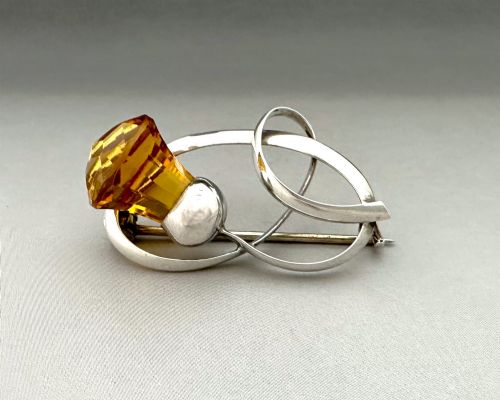
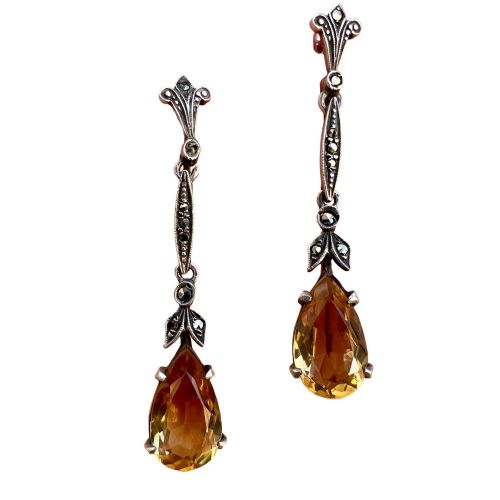
The selections span distinct aesthetic movements, including Art Deco, Art Nouveau, and Scandinavian Modern designs. Bead necklaces and drop earrings dominate the available forms.
How they were made
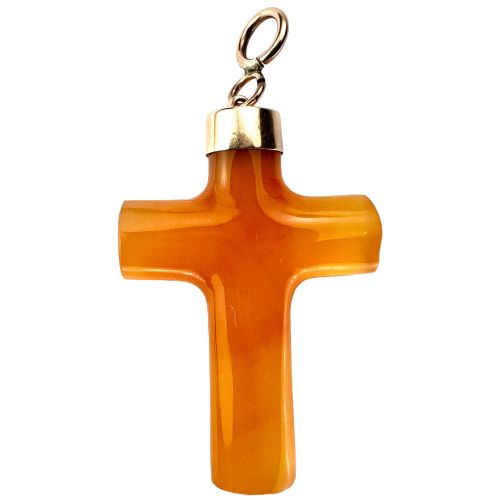
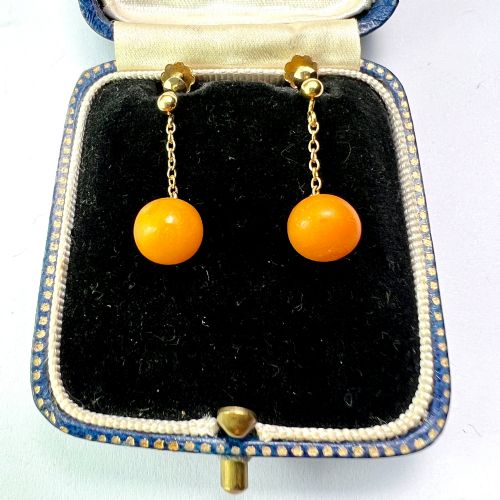
The pieces combine natural amber and gemstones with precious metals such as sterling silver, 9ct gold, and 18ct gold. Baltic amber beads are frequently threaded or set directly into metal mounts.
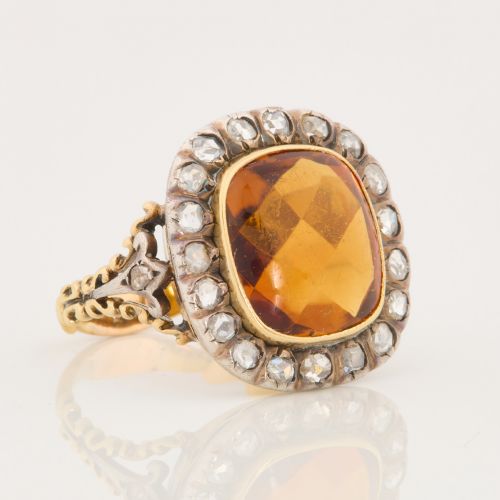
Goldsmiths and silversmiths utilised traditional setting techniques to secure citrine, topaz, diamond, and glass elements alongside organic materials.
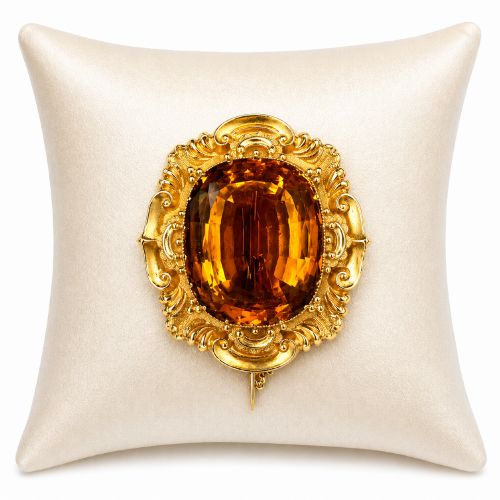
Listings feature items spanning the Victorian era through to the 1960s, incorporating Baltic amber, citrine, topaz, and 9ct gold.
What varies in quality
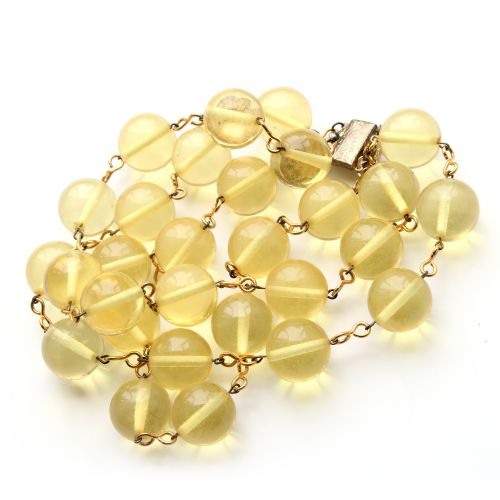
Quality rests upon the uniformity and warmth of the resin, alongside the weight and purity of the surrounding metal work. Graduated bead necklaces demonstrate careful sorting and craftsmanship.
Artisanal provenance and the complexity of period mounts, such as Celtic revival work or enamel detailing, distinguish finer items from standard productions.
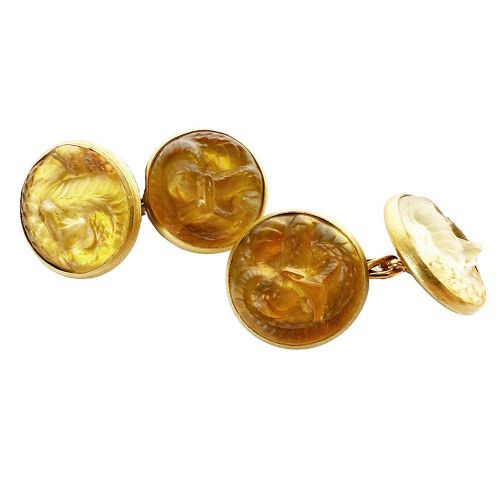
Paris House London·R Lalique·David Andersen
The Yellow Amber Jewellery Glossary
- Baltic amber
- Fossilised tree resin originating from the Baltic region, prized for its clarity and warm yellow or butterscotch tones.
- Citrine
- A transparent, yellow variety of quartz frequently mounted in gold rings and brooches.
- Marcasite
- Small, faceted iron pyrites set into silver to provide a sparkling border around gems.
- Bakelite
- An early synthetic phenol formaldehyde resin, occasionally encountered in vintage bead forms.
Yellow Amber Jewellery: Frequently Asked Questions
How do I care for amber jewellery?
Amber is a soft organic material that benefits from gentle cleaning with a soft cloth. Keep pieces away from alcohol, perfumes, and harsh chemicals.
Store amber items separately from harder gemstone jewellery to prevent surface scratches and maintain the polish.
Is butterscotch amber different from yellow amber?
Butterscotch amber refers to an opaque, pale yellow or creamy variation of fossilised tree resin. Transparent yellow amber allows light to pass through the clear golden material.
Both variations occur naturally and feature prominently in antique bead necklaces and pendants.
How can I tell Victorian amber from mid-century pieces?
Victorian mountings often feature closed-back settings, intricate metalwork, and heavier gold or pinchbeck frames. Mid-century designs tend towards cleaner lines and distinct modernist settings.
Examining the clasp construction and metal hallmarks helps clarify the period of manufacture.
What is raw polish amber?
Raw polish amber describes beads or stones that retain an irregular, natural contour following minimal shaping. These pieces showcase the organic exterior texture of the resin.
Jewellery featuring raw polish beads emphasises the geological origins of the material over strict geometric symmetry.