




Vintage Butterscotch Amber
These vintage butterscotch amber pieces are warm, honey-toned adornments that bring rich tactile history straight to your collarbone.
Vintage Butterscotch Amber
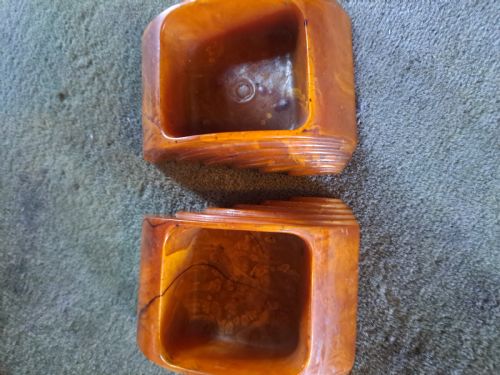
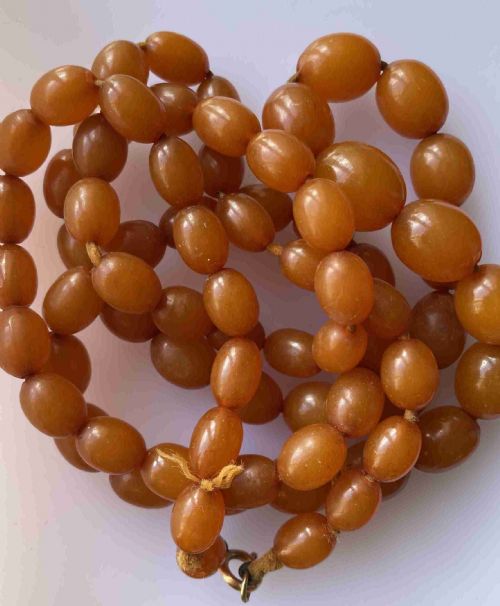
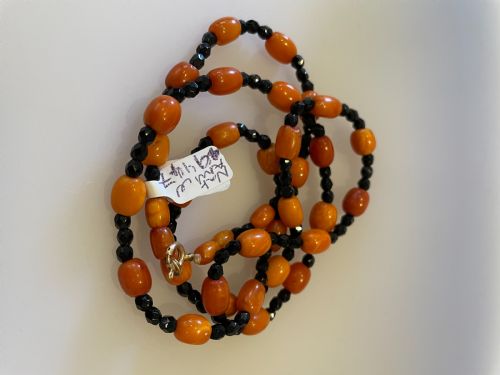
When you search for vintage butterscotch amber, you encounter rich, opaque yellow-orange resin items that span from the Edwardian era through the nineteen-thirties and nineteen-fifties. The most common forms you meet on this page are necklaces featuring graduated beads, alongside occasional desk accessories and knife rests.
The objects originate from periods such as the nineteenth century, nineteen-twentieths, and nineteen-thirties, showcasing styles ranging from Art Deco and Bohemian to Baltic Folk. Necklaces dominate the selection, appearing with round or barrel-shaped beads that display the characteristic marbled or egg yolk tones of genuine fossilised tree resin and early plastics.
How they were made
The creation of these pieces relies on working natural Baltic amber and early synthetic materials like Bakelite, Catalin, and phenolic resin. Makers shaped these substances into beads and desk items, frequently stringing them on thread or mounting them with metal components and sterling silver.
Techniques involve polishing raw amber to reveal its dense opacity and turning synthetic resins on lathes to produce smooth knife rests and geometric Art Deco desk accessories. Artisans balanced organic warmth with precise machining, fastening necklaces with barrel clasps or secure metal links.
Listings feature natural Baltic amber alongside synthetic phenolic resin, Bakelite, and Catalin, spanning the nineteenth century to nineteen-fifty.
What varies in quality
Quality reveals itself in the uniformity of bead graduation and the depth of the butterscotch hue across the item. Superior examples display consistent marbling and substantial weight, whereas lesser pieces show uneven coloration or lighter material composition.
The integrity of the stringing and the original clasps also dictate the standard of a piece. Well-preserved items retain their smooth polish and structural stability, maintaining the tactile appeal intended by the maker.
The Vintage Butterscotch Amber Glossary
- Bakelite
- An early form of synthetic thermosetting phenol formaldehyde resin. It was widely utilised in the nineteen-twenties and nineteen-thirties for jewellery and desk objects.
- Catalin
- A cast phenolic resin known for its vibrant colours and clarity. It differs from Bakelite in its chemical processing and ability to hold brighter hues.
- Graduated beads
- Beads of steadily increasing size arranged along a necklace string. This technique draws the eye toward the largest central element.
- Egg yolk amber
- An opaque, intensely saturated variety of amber resembling the colour of an egg yolk. It is particularly prized in vintage Baltic pieces.
- Barrel clasp
- A small, cylindrical fastening mechanism often found on older necklaces. It screws together securely to blend seamlessly with the beads.
Vintage Butterscotch Amber: Frequently Asked Questions
How do I clean vintage amber?
Wipe the surface gently with a soft, damp cloth without using harsh chemical detergents. Avoid ultrasonic cleaners and hot water, which can damage the organic resin.
Dry the piece thoroughly with a clean microfiber cloth to restore its natural warmth. Store it away from direct sunlight and extreme heat.
Are these beads genuine amber?
The selection includes both natural Baltic amber and early plastics such as Bakelite and phenolic resin. Each material possesses distinct weight and tactile properties.
Examining the internal structure under magnification reveals natural flow lines or air bubbles in genuine resin. Synthetic alternatives display uniform manufacturing characteristics.
How should I store my necklace?
Keep amber jewellery in a lined box or a soft fabric pouch away from other hard items. This prevents the softer resin from scratching against metal chains or gemstones.
Store pieces flat to avoid unnecessary strain on the original stringing thread over long periods. Maintain moderate room humidity to keep the material stable.
What period do most pieces date from?
The majority of items originate from the nineteen-thirties, reflecting the popularity of Art Deco design and early plastics. Edwardian and nineteenth-century examples also appear.
Identifying the era involves looking at the clasp style, bead shape, and mounting metals. Each decade introduced distinct manufacturing methods and aesthetic preferences.