




Antique Adjustable Screen
An antique adjustable screen offers a practical way to deflect hearth heat or direct candle glare, combining utility with fine cabinet-making.
Antique Adjustable Screen
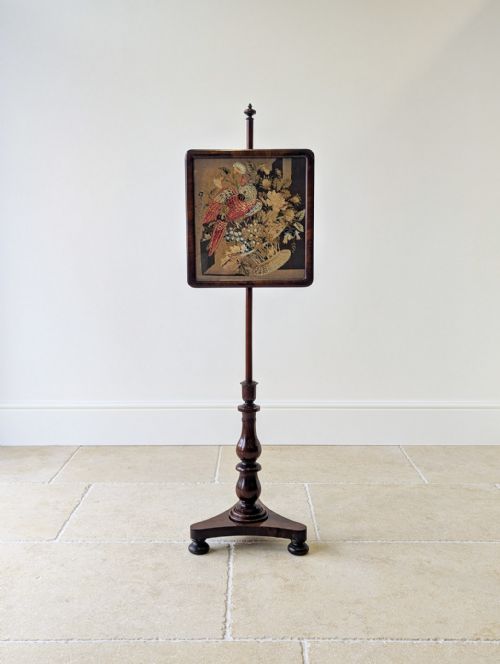
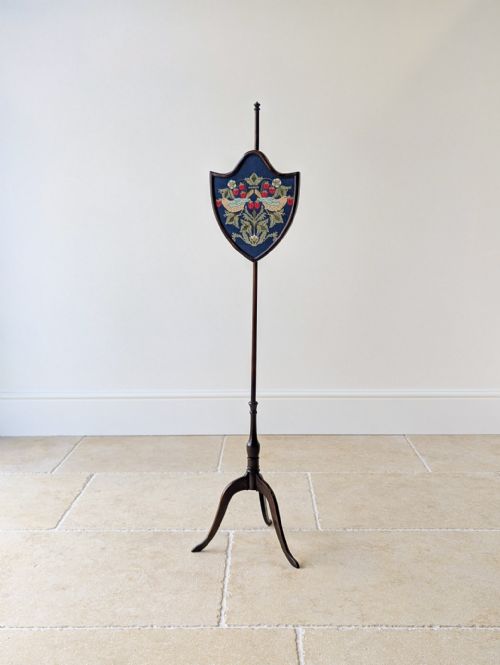
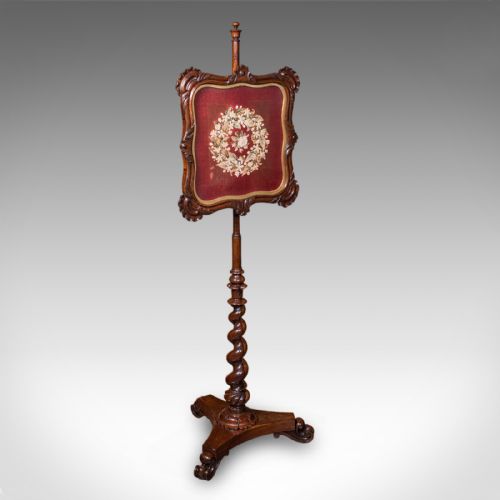
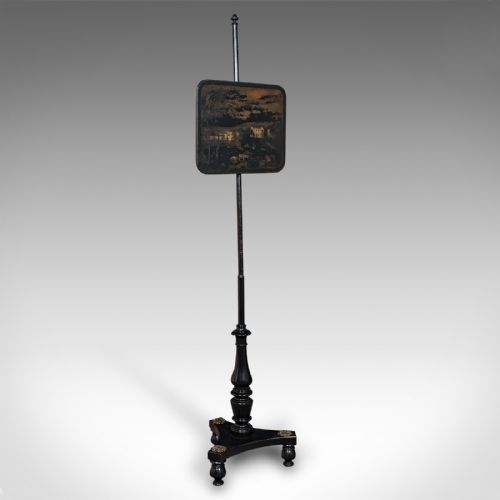
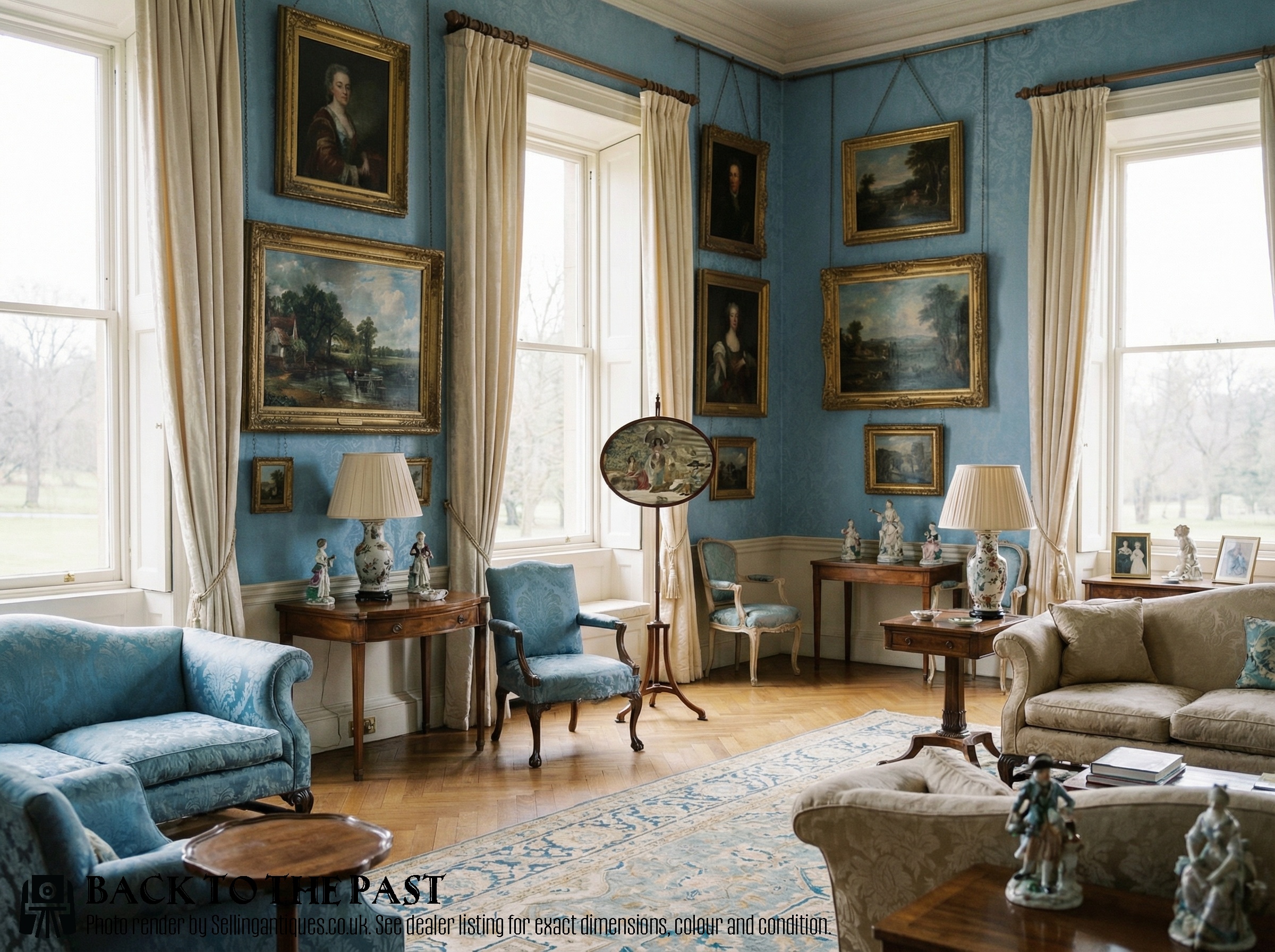
When you search for an antique adjustable screen, you encounter pole screens and firescreens designed to manage radiant heat from open fires or direct light from candles and lamps. The majority of pieces on this page take the form of pole screens, which mount a sliding panel on a central wooden shaft supported by a tripod or pedestal base.
The surviving examples span the Georgian, Regency, William IV, and Victorian periods, executed in timber such as mahogany, rosewood, and walnut. Alongside hearth furniture, the selections include specialist items like microscopy candle shades and scientific instruments with adjustable glass or brass components.
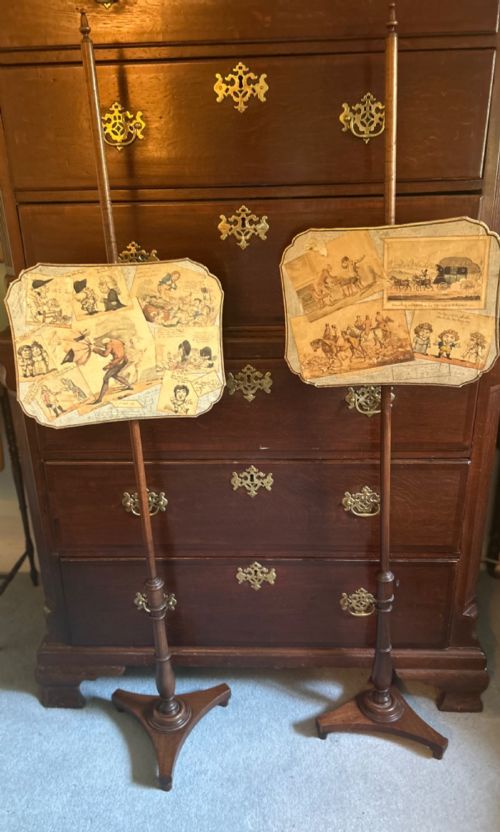
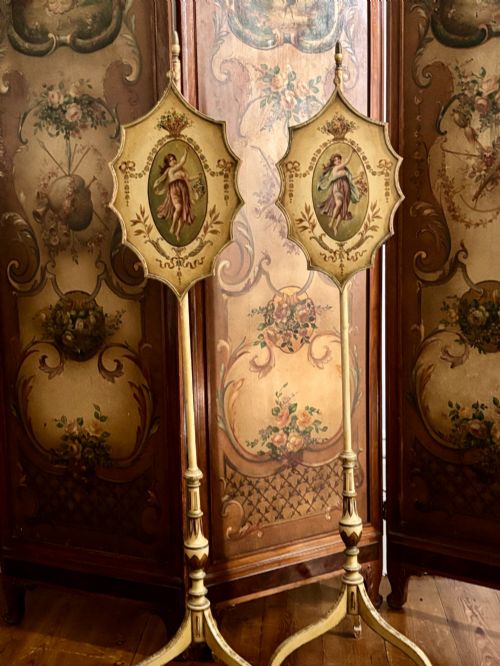
Most items originate from English workshops operating across the eighteenth and nineteenth centuries, reflecting domestic interiors that required flexible protection from hearth drafts or intense flames. The panels themselves vary widely, housing needlepoint, tapestry, embroidered silk, satirical prints, or painted glass.
Materials and Technique
Cabinet-makers constructed the supports from dense hardwoods including mahogany, rosewood, and satinwood, often turning the central poles on a lathe and carving the tripod bases with scrolls, acanthus leaves, or spade feet. Brass mechanisms and counterweights allowed the framed panels to slide vertically along the pole and hold position at the desired height.
The adjustable panels combined timber frames with decorative inserts, ranging from glazed compartments holding printed paper or etched glass to tensioned fabric stretched over needlepoint and tapestry. Silk, wool, and glass frequently appear alongside giltwood and bronze, demonstrating a union of structural carpentry and textile craft.
Styles across the inventory range from George III and Hepplewhite through Regency and William IV to the later Victorian and Aesthetic movements.
Evaluating the Craft
Quality rests on the integrity of the sliding mechanism and the weight of the base, as a slender tripod must balance the heavy panel raised at the top of a pole. Superior pieces show crisp timber turning, fluid carving on the legs, and robust brass fittings that secure the screen without slipping.
The standard of the panel insert further distinguishes the pieces, separating standard needlework from finely executed petit-point embroidery, original satirical prints, or etched glass. Proportion and timber selection dictate the overall elegance, with figured rosewood or mahogany carrying greater visual weight than simpler pine or walnut carcasses.
AFC·M Pillischer of London
The Antique Adjustable Screen Glossary
- Pole screen
- A freestanding fireside screen with an adjustable panel that slides up and down a vertical wooden shaft. This design allowed occupants to shield their faces from the heat of an open coal or wood fire.
- Needlepoint
- A type of canvas work embroidery executed with wool or silk yarn, commonly mounted within the frames of nineteenth-century screens. The stitches create dense pictorial or floral scenes.
- Tripod base
- A three-legged support system utilised on the majority of pole screens to provide stability on uneven floors. The feet often terminate in scrolls, claws, or spade shapes.
- Regency
- An English design period spanning the early nineteenth century, characterised by classical restraint, exotic timbers like rosewood, and gilt brass mounts. Pieces from this era often feature clean architectural lines.
- Poker work
- A decorative technique using a heated metal tool to burn designs into wood or leather surfaces. This method appears on specialist panels designed to withstand hearth proximity.
Antique Adjustable Screen: Frequently Asked Questions
How did people use pole screens?
Occupants placed them between their seating and the fireplace to block the intense radiant heat of the flames, protecting delicate complexions and expensive furniture finishes from scorching. The adjustable panel could be raised or lowered to suit someone sitting or standing.
Smaller variants served specialised functions, such as positioning a shade to direct candle or lamp illumination away from the eyes during reading or microscopy.
Are all adjustable screens for the fireplace?
While the vast majority are fireside pole screens designed for domestic sitting rooms, the category includes scientific apparatus and lighting accessories. The materials and mechanisms remain similar, utilising sliding brackets on vertical shafts.
Candle holders and microscopy shades share the core mechanical principle of height adjustment, though their primary purpose involves managing light rather than heat.
How do I date a pole screen?
Dating relies on the stylistic markers of the woodturning, the foot design, and the materials used for the frame and panel insert. Georgian and Regency examples favour mahogany and rosewood with slender, elegant tripod bases.
Victorian pieces often display heavier proportions, more elaborate carving, and specific textile panels such as Berlin wool work or Aesthetic movement motifs.
Can the panels be adjusted easily?
Original brass thumbscrews, internal springs, or counterweight cord systems allow the panel to slide along the pole and hold its position. Over time, these mechanisms may require gentle handling to ensure smooth movement without straining the timber.
Many surviving pieces retain their functional brass components, permitting the panel height to be altered just as it was when first manufactured.