



Antique Adjustable Bookcase
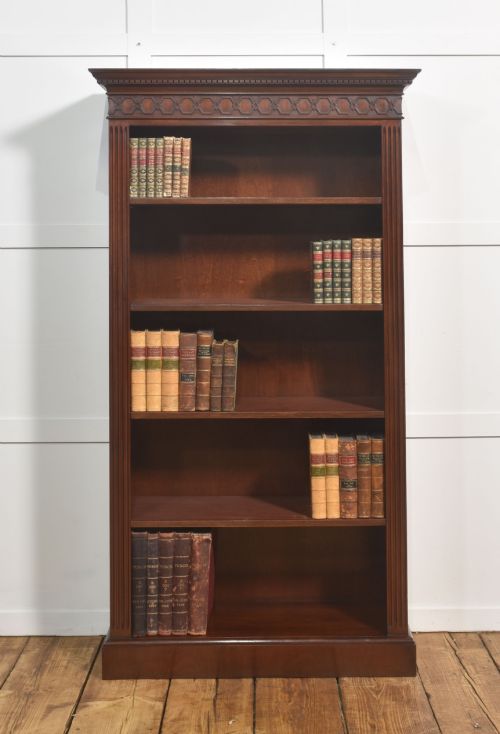
When you search for an antique adjustable bookcase, you encounter functional library storage designed to adapt to varying volumes of books.
Antique Adjustable Bookcase
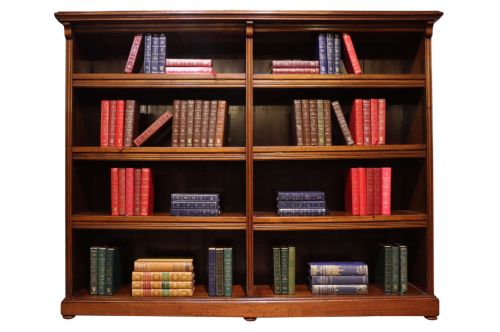
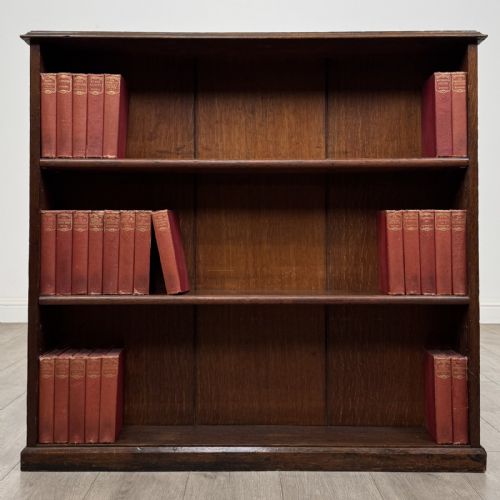
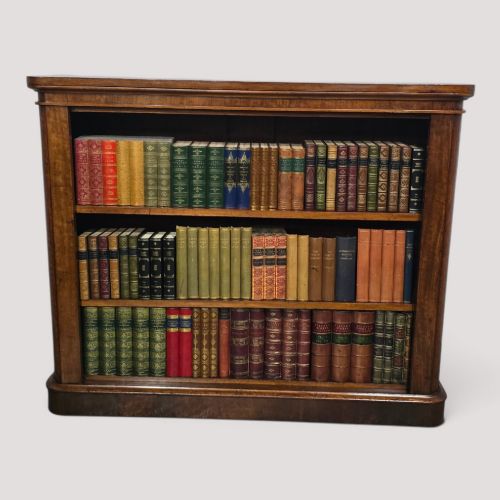
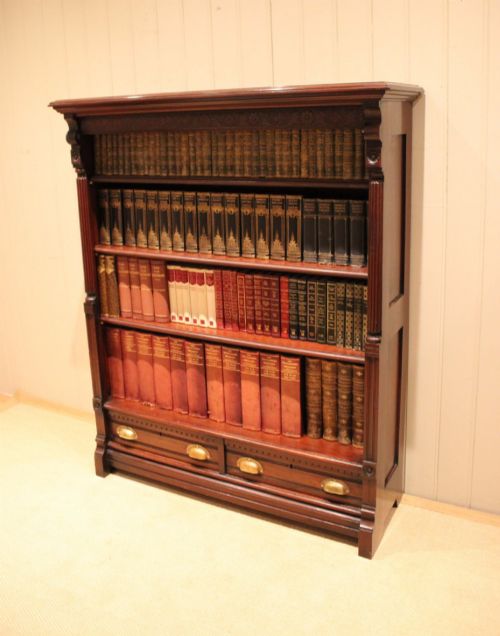
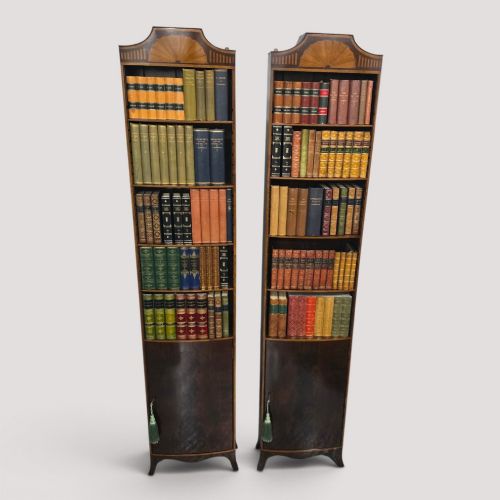
An antique adjustable bookcase provides flexible shelf placement, allowing users to alter internal spacing to fit books of different heights. The pieces on this page span the Victorian, Edwardian, and Regency periods, stretching from the early nineteenth century into the twentieth.
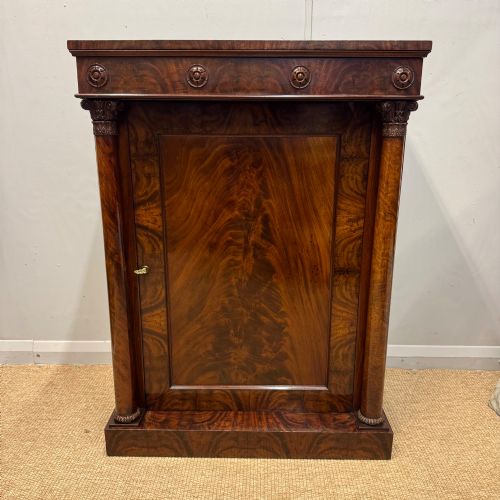
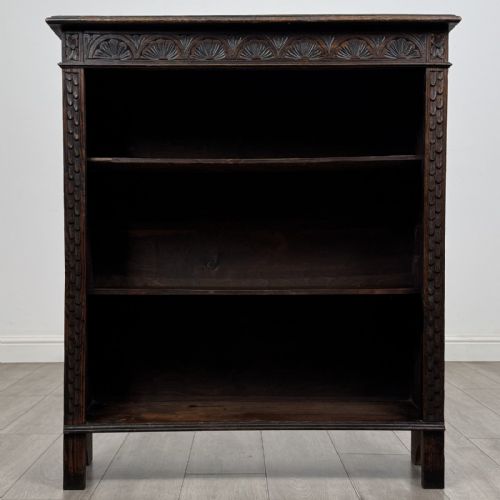
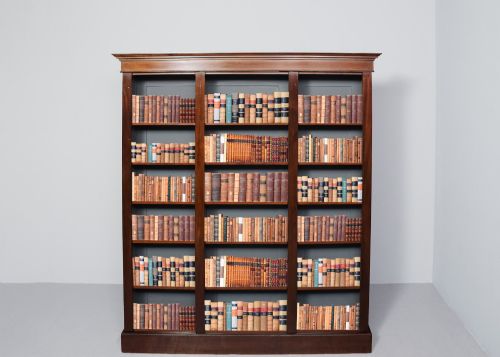
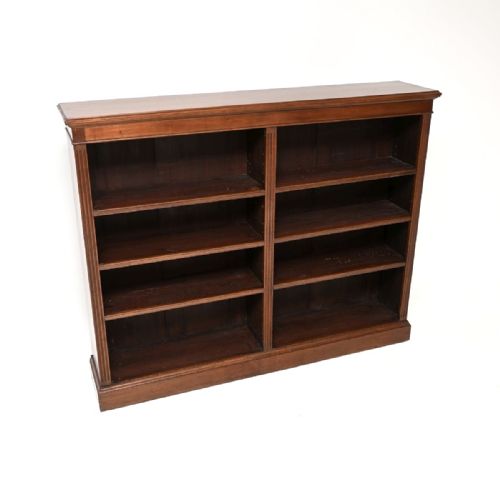
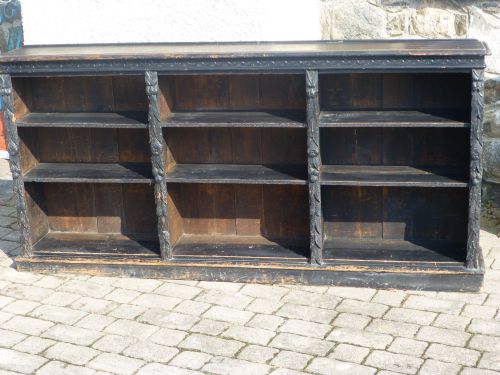
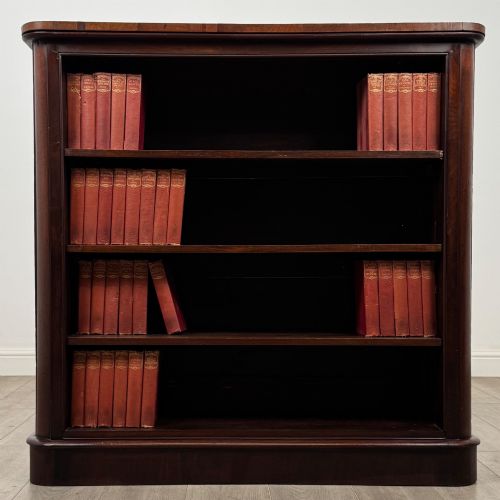
Most entries take the form of open bookcases or low dwarf cabinets constructed to house domestic libraries. Buyers frequently meet mahogany and oak variations, alongside walnut and pine examples equipped with movable internal timber or brass supports.
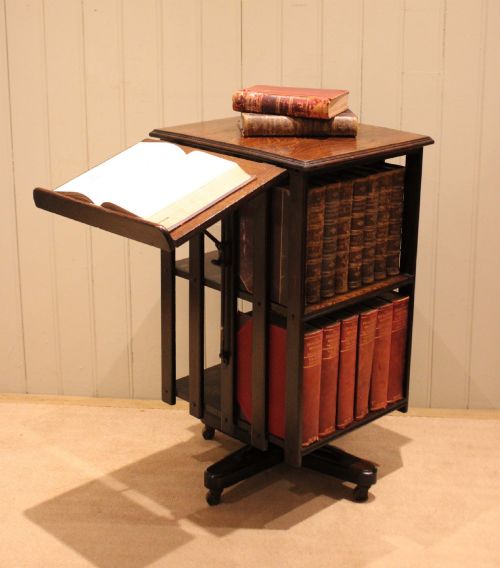
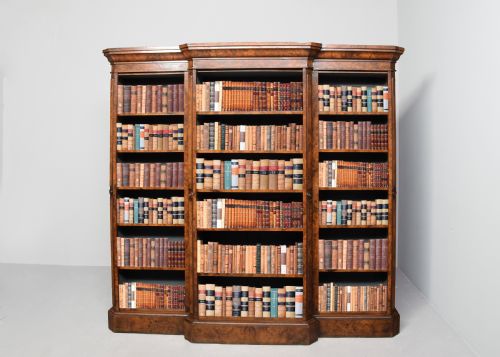
Larger formats include breakfront library units and three-section configurations designed for substantial rooms. Smaller examples comprise desk accessories and table-top book slides intended for smaller collections.
Materials and construction methods
Cabinet makers utilised dense hardwoods such as mahogany, oak, and walnut to ensure structural stability under heavy book loads. Softwoods like pine appear in painted or waxed domestic shelving units.
Internal flexibility relies on pegged wooden side strips, metal rack plates, or brass pins inserted into vertical pilasters. Finer pieces incorporate glazed doors, marquetry inlay, and leather-edged shelves to complement domestic interiors.
Antique Adjustable Bookcase Retail Price Guide 2026
Typical asking prices for adjustable bookcase among the pieces listed under this phrase on Sellingantiques today, from the lower quarter to the upper quarter. They describe what is for sale here now, not the wider market.
Some nineteenth-century desk accessories include novel rests designed to hold books open at breakfast.
Distinctions in craftsmanship
Quality rests upon the execution of the timber joints, the stability of the breakfront or upright frame, and the precision of the shelf support mechanism. Superior examples display figured veneers, boxwood stringing, and solid mahogany backboards rather than thin plywood substitutes.
The integrity of the adjustable system marks out better workshops, ensuring smooth movement without binding or sagging under weight. Maker attribution, such as pieces stamped by established cabinet makers, distinguishes standard retail stock from workshop output.
waring and gillows·Cooke's·EDWARDS and ROBERTS·Gillows
The Antique Adjustable Bookcase Glossary
- Breakfront
- A cabinet design where the central section projects forward from the flanking outer wings. This configuration appears frequently in larger nineteenth-century library bookcases.
- Dwarf bookcase
- A low shelving unit designed to sit below window height without blocking natural light. These pieces often feature adjustable open shelves or enclosed lower cupboards.
- Book slide
- A portable desk accessory featuring extending or adjustable ends to hold a small selection of volumes upright. They utilise timbers like coromandel and mahogany.
- Astral glazed
- A glass-fronted cabinet door divided into panes by thin timber or metal glazing bars. This treatment protects books from dust while maintaining visibility.
- Ebonised
- Timber treated with a dark stain or finish to imitate ebony. This technique occurs on nineteenth-century decorative and Gothic revival furniture.
Antique Adjustable Bookcase: Frequently Asked Questions
How do adjustable shelves work?
Internal shelf heights alter through vertical slots, metal ratchets, or wooden pegs set into the side panels. This mechanism allows the owner to reconfigure shelf gaps as book sizes change.
Most period systems rely on brass studs or wooden runners that bear the weight of heavy volumes securely.
Where were these bookcases used?
Original locations included domestic libraries, studies, and drawing rooms of large townhouses and country estates. Tall formats lined library walls, while dwarf versions suited smaller parlours.
Their flexible shelving accommodated changing collections of novels, ledgers, and reference volumes.
How do I style one at home?
Place an open bookcase against a primary wall in a living room or study to display book collections and decorative objects. Ensure adequate clearance for the adjustable shelves when planning the room layout.
Balance heavy folio volumes on lower shelves with lighter octavos positioned near the top.
How do I date an antique bookcase?
Dating relies upon timber selection, construction methods, and stylistic indicators such as Regency reeving or Victorian Gothic carving. Secondary timbers like pine or oak behind mahogany facades offer clues to origin.
Hardware types, including brass shelf pins and backboard construction, also help determine the period.