
Antique Accent Rug
An antique accent rug brings centuries of tribal and village weaving traditions directly to your floor.
Antique Accent Rug
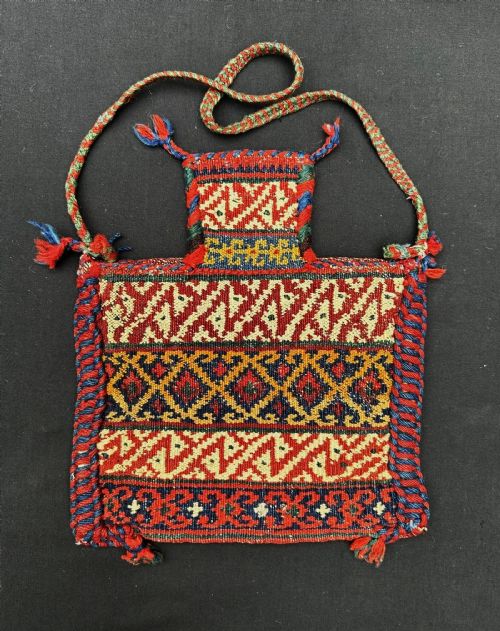
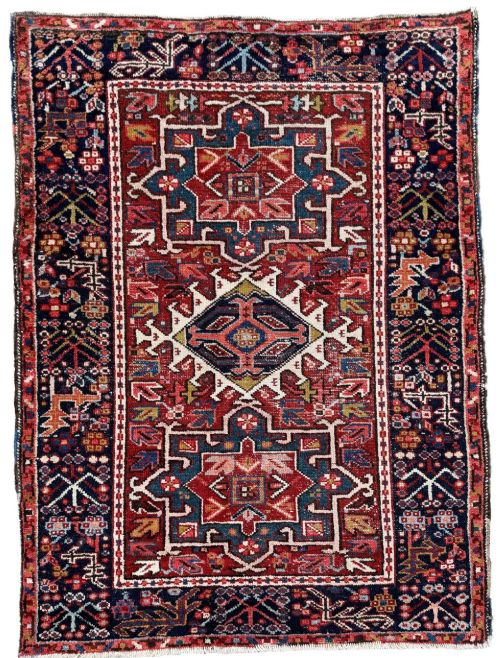
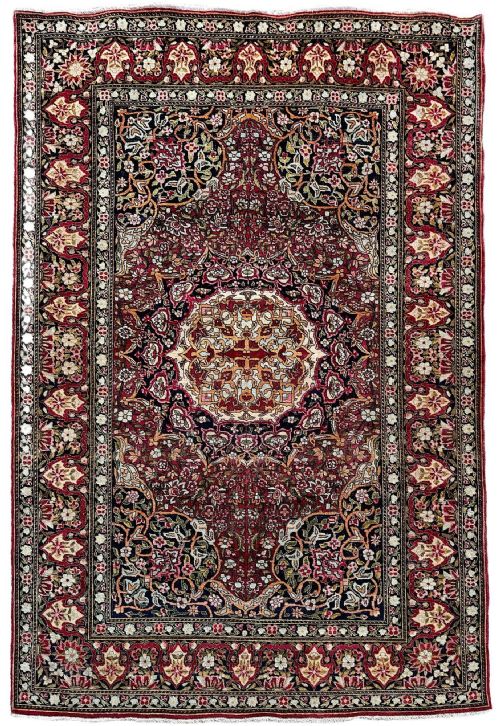
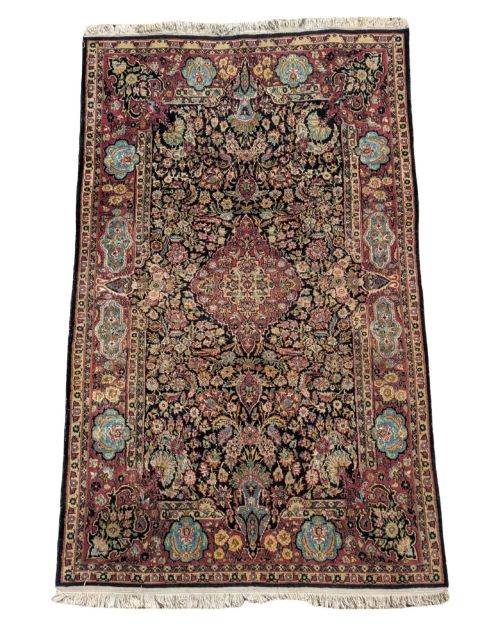
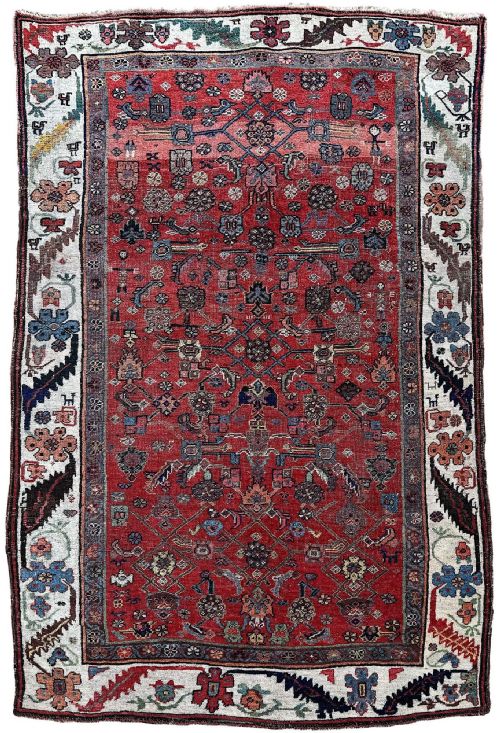
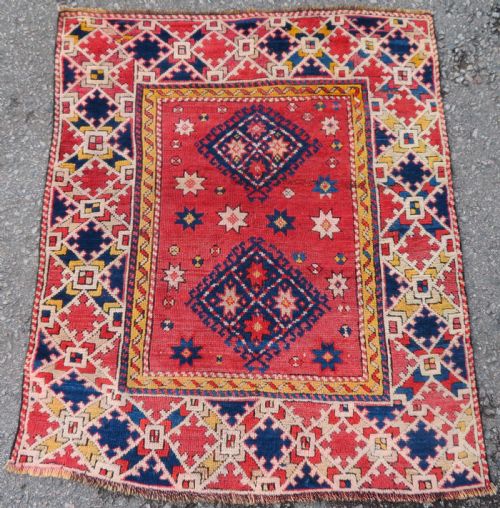
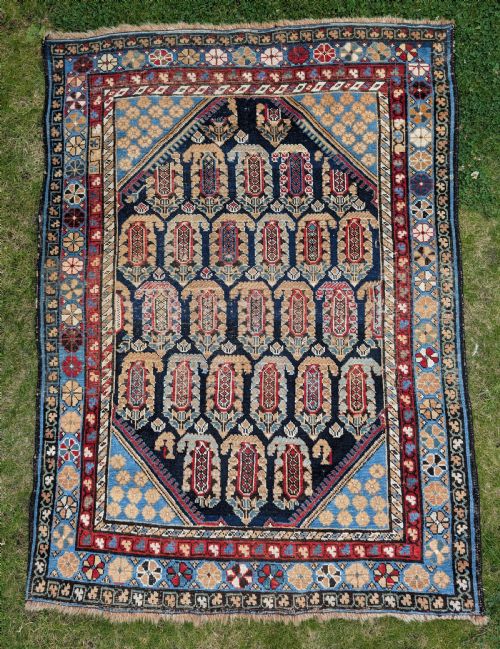
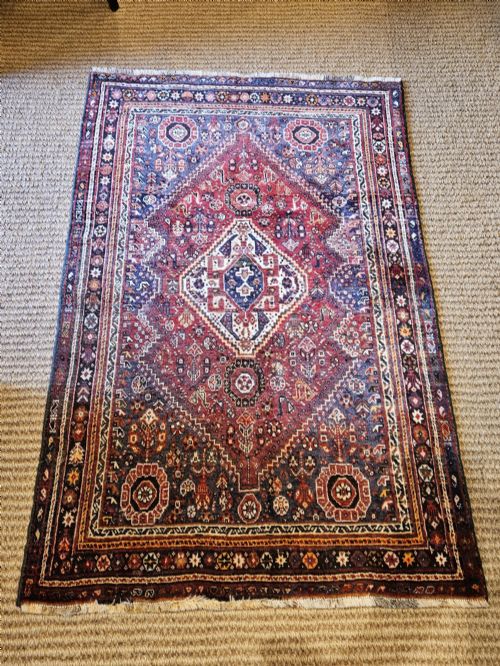
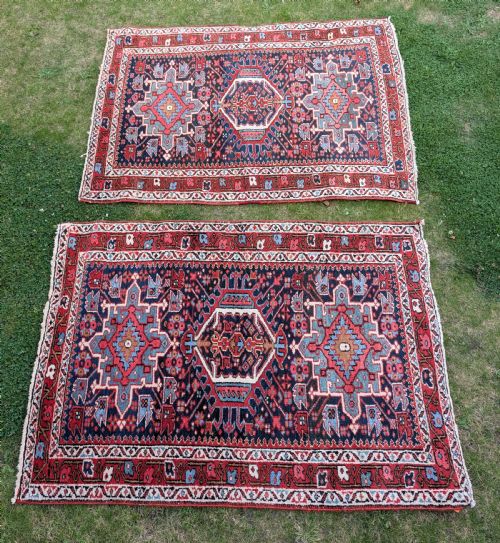
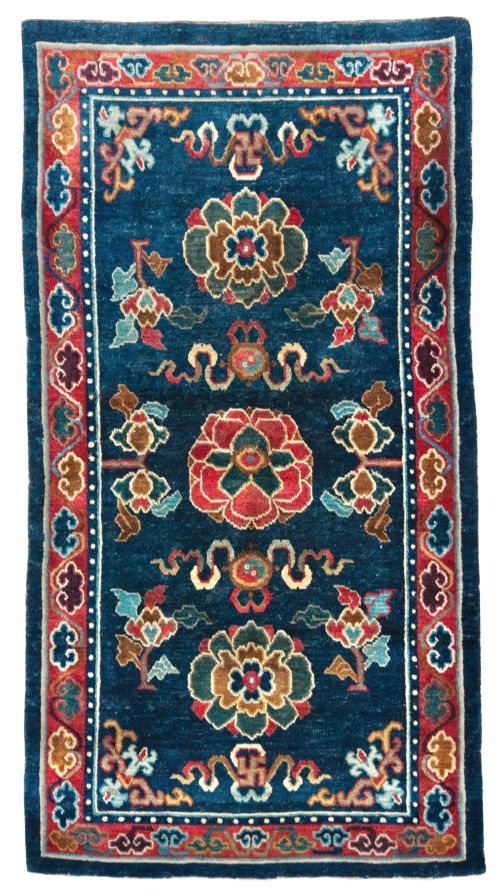
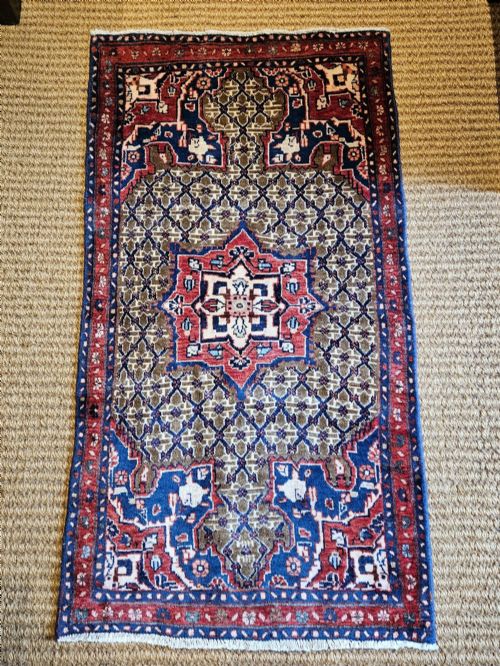
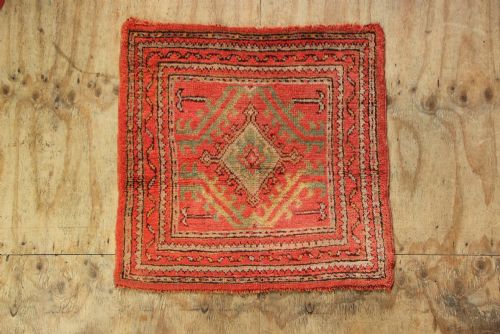
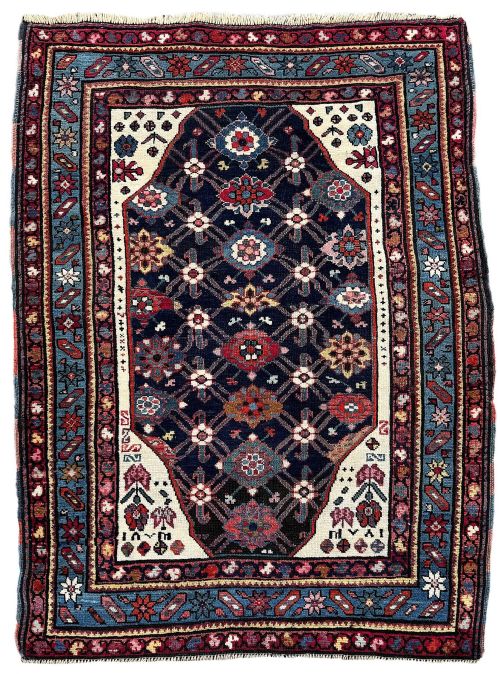
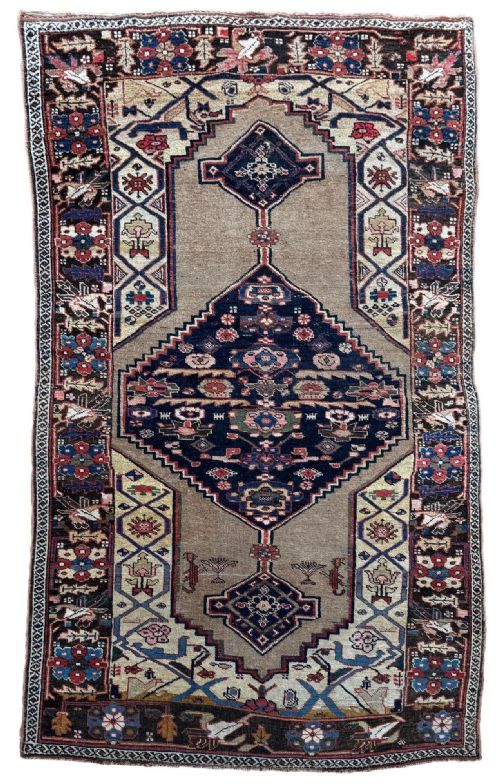
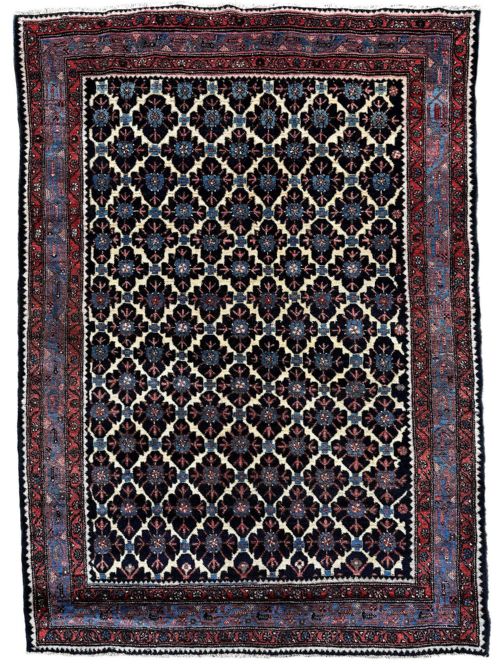
When you search for an antique accent rug, you encounter smaller floor coverings, prayer rugs and hearth-sized pieces originating from Persian, Caucasian, Anatolian and Afghan traditions. These textiles span periods from the nineteenth century into the 1930s, encompassing regional village and tribal expressions.
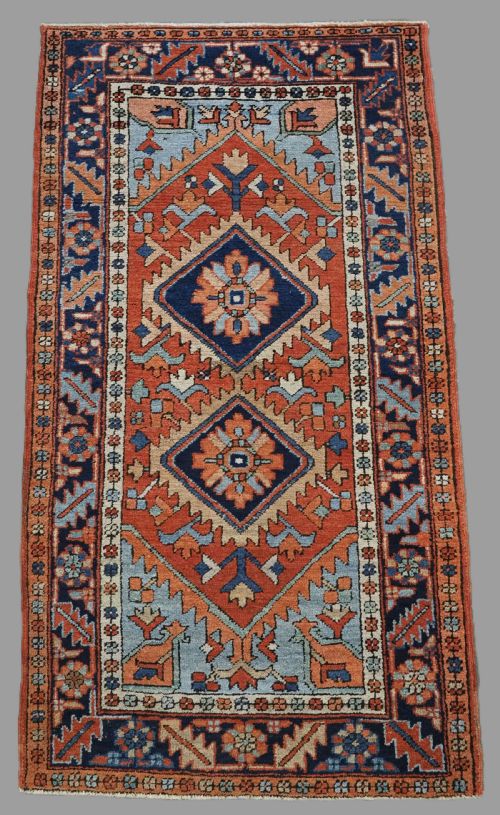
The most frequent examples on this page include Karaja, Bidjar, Afshar and Heriz formats, alongside scatter rugs and cushions derived from carpets. Each piece reflects the specific geographic and cultural weaving practices of its origin.
These items function practically in smaller spaces while carrying the dense iconography and saturated hues characteristic of older nomadic and village workshops.
Materials and technique
Makers constructed these pieces primarily using hand-spun wool and cotton warps, sometimes incorporating silk highlights for specific visual emphasis. Artisans relied upon natural dyes to achieve deep palettes across wool and cotton foundations.
Weavers knotted these rugs by hand within tribal and village settings, utilising traditional geometric and medallion formats passed down through generations.
One piece proudly preserves a specific calendar date from 1347 AH, proving that weavers liked to sign their work just like modern artists.
What varies in quality
The sophistication of the natural dye palette and the integrity of the wool foundation dictate the distinction between standard and superior pieces. Finer knot density allows intricate geometric motifs to hold sharp definition.
The handled patina resulting from age and natural wear alters the visual depth, where even distress adds character if the structural foundation remains sound.
The Antique Accent Rug Glossary
- Warp
- The vertical threads stretched upon a loom that form the structural foundation of the textile. Fringe typically extends from these parallel elements.
- Natural Dyes
- Colourants derived from plants, insects and minerals rather than synthetic compounds. These substances yield complex tones that age with a soft patina.
- Mihrab
- A niche design motif found on prayer rugs, indicating the direction of prayer. This architectural element forms a focal point in Caucasian and Anatolian weaving.
- Medallion
- A central ornamental design motif placed in the field of a rug. Regional workshops utilised distinct geometric or floral medallion shapes for identification.
- Patina
- The surface sheen and softening of colour developed through age and regular use. Collectors value this visual evidence of historical longevity.
Antique Accent Rug: Frequently Asked Questions
Where should I place an accent rug?
These smaller floor coverings suit hallways, entryways, hearth sides or compact seating areas where standard carpets overwhelm the floor space. They add focused warmth and pattern without dominating the room.
Because antique formats vary in exact dimensions, measure your intended spot carefully before selecting a piece to ensure balanced proportions.
How do I care for an antique wool rug?
Gentle vacuuming without a rotating beater bar prevents fibre damage while removing surface grit. Professional cleaning suited for antique textiles preserves the natural dyes and wool structure.
Avoid placing these pieces in harsh, direct sunlight for extended periods to protect the natural colouration from fading prematurely.
How can I tell regional rug styles apart?
Regional styles reveal themselves through distinct colour choices, border arrangements and geometric motifs. For instance, Bidjar pieces often present dense, heavy structures, while Heriz carpets feature prominent angular medallions.
Studying the specific handling of wool and dye saturation helps attribute pieces to particular weaving groups like Afshar or Karaja.
Are these rugs suitable for daily foot traffic?
Traditional village and tribal weaving utilised sturdy hand-spun wool designed for everyday use within nomadic or domestic settings. These historical textiles withstand moderate daily walking when paired with a quality underlay.
Placing a proper rug pad underneath prevents slipping and cushions the foundation fibres against premature wear.