

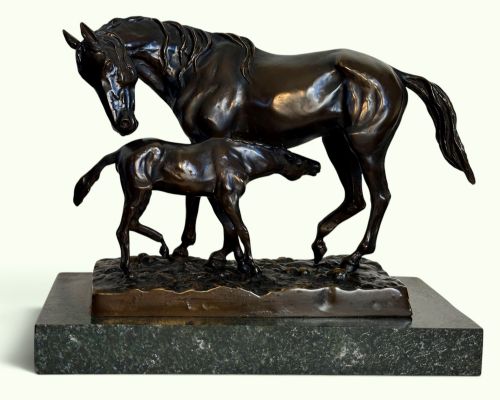
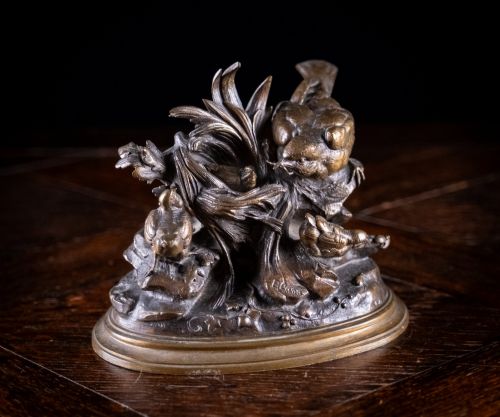
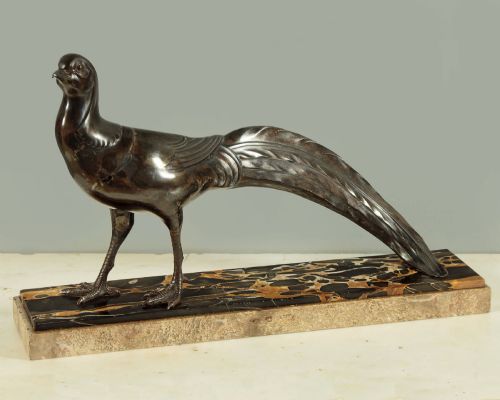
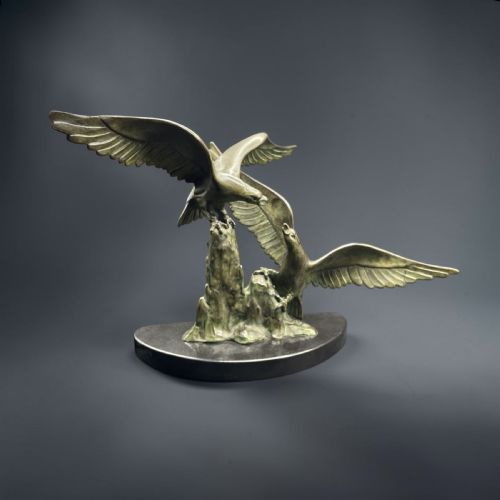

Animalier Bronze Figurine
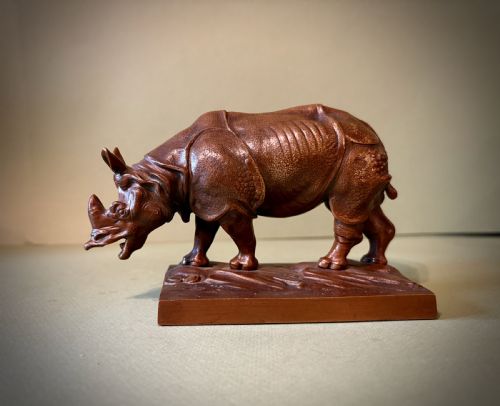
An animalier bronze figurine captures the tension, muscle, and posture of wildlife and domestic beasts with striking realism.
Animalier Bronze Figurine
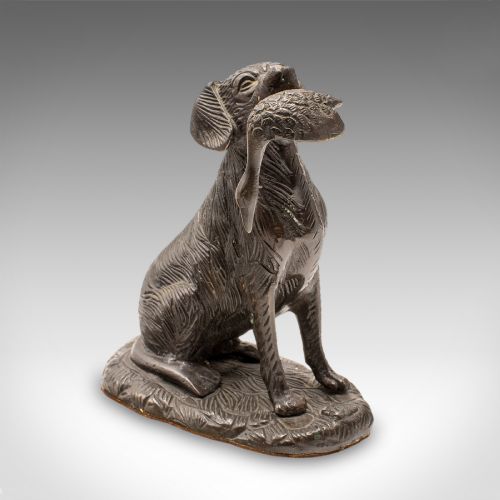
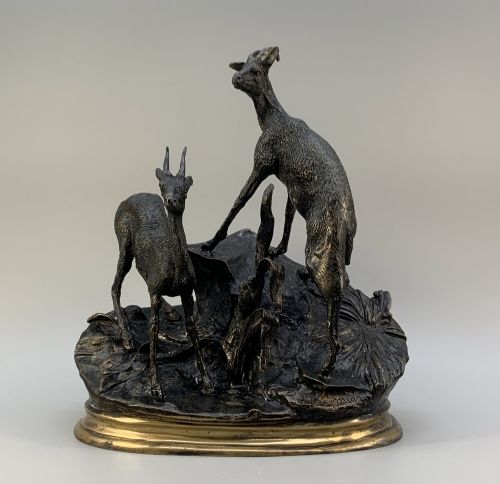
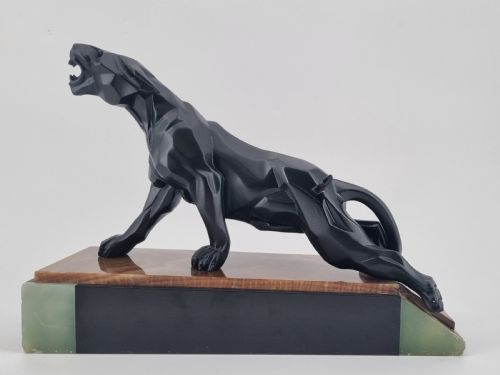
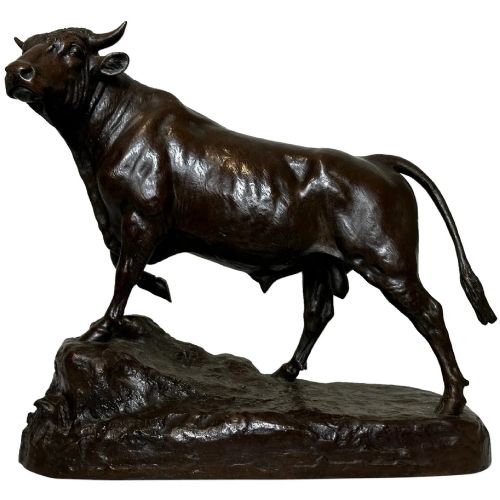
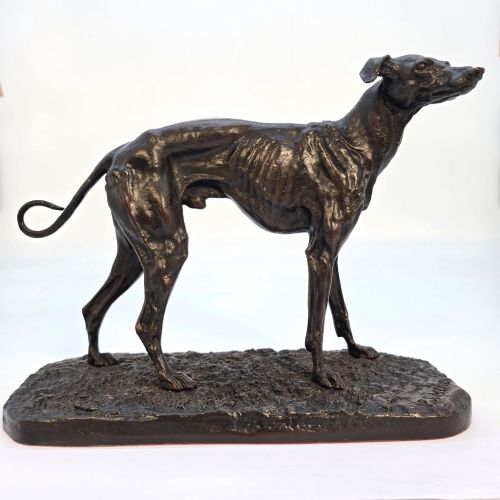
An animalier bronze figurine represents naturalistic animal forms, spanning domestic dogs, birds of prey, and large predatory cats. Buyers looking for an animalier bronze figurine encounter works originating primarily from nineteenth-century France, alongside later Art Deco interpretations and Japanese Meiji period castings.
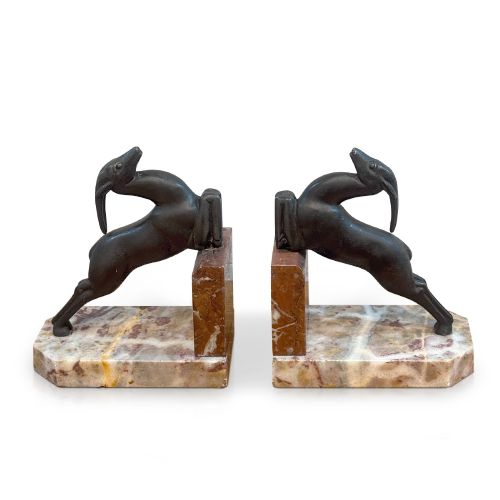
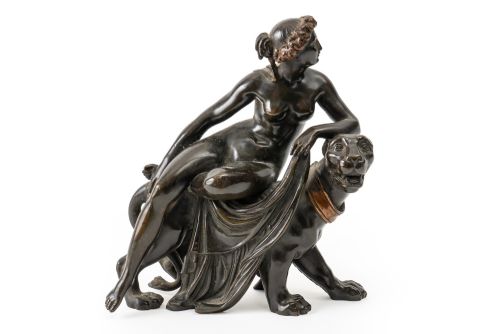
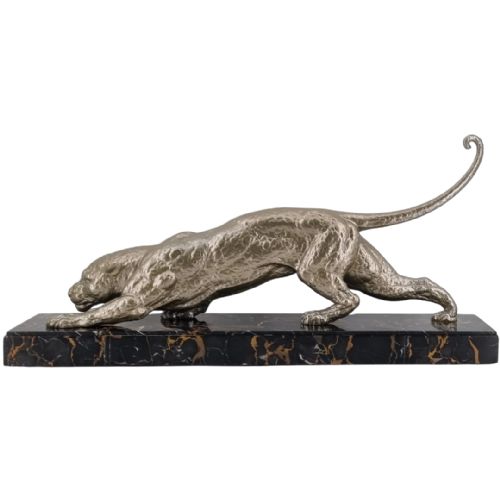
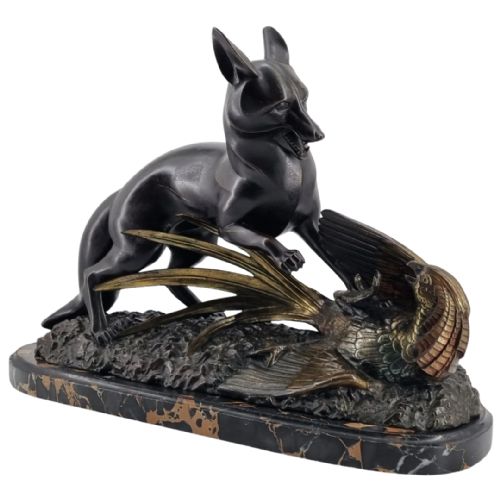
The subjects range from solitary wild horses and stags to complex predatory scenes such as panthers and foxes engaging prey. Common formats include standalone desk sculptures, bookends, and mounted ornamental figures set upon heavy stone plinths.
Pieces frequently feature signatures from prominent animal sculptors or bear foundry marks associated with European workshops. The physical scale varies from small mantle ornaments to substantial cabinet bronzes.
How they were made
The creation of these works relies predominantly on the traditional lost-wax casting method, allowing intricate musculature and fine fur textures to transfer from the clay model to the molten metal. Artisans then refine the raw metal through extensive chasing and filing to sharpen the anatomical details.
Surface finishes are achieved through patination, applying chemical treatments directly to the bronze to produce dark brown, black, or greenish tones. Certain twentieth-century pieces incorporate cold-painted pigments or combine nickel bronze with contrasting marble and onyx bases.
Animalier Bronze Figurine Retail Price Guide 2026
Typical asking prices for animalier bronze figurine among the pieces listed under this phrase on Sellingantiques today, from the lower quarter to the upper quarter. They describe what is for sale here now, not the wider market.
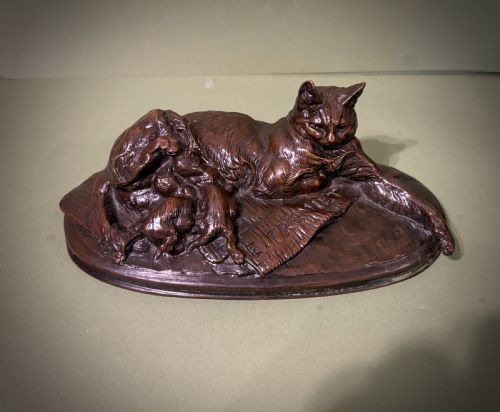
Several figures capture domestic dogs mid-bound, alongside an unexpected cat and kittens scene.
What varies in quality
The distinction between tiers rests upon the crispness of the chasing and the fidelity of the musculature, where superior casts retain sharp anatomical definition without softening in the fur or feathers. Lesser examples suffer from blurred surface details resulting from worn moulds or hurried finishing work.
The integration of the figure with its base also signals quality, as finer sculptures feature heavy marble or onyx plinths fitted flush to the metal. The depth and subtlety of the chemical patina further separate standard commercial editions from master foundry productions.
Notari·I Bonheur·Fremiet·Johann Heinrich von Dannecker·Christophe Fratin·M.Font·Badini·Louis Emile Cana·Frederique Cederlund-Ozanne·Ferdinand Pautrot·Pierre-Jules Mêne·Tsunemitsu·Lavroff·D. H. Chiparus·Carl Kauba·Alexandre Ouline·Antoine Louis Barye·Renee Sintenis·Alfred Barye·Kunio Itô·Franz Bergman
The Animalier Bronze Figurine Glossary
- Animalier
- A nineteenth-century art movement and genre dedicated to the realistic portrayal of animals. Practitioners focused heavily on anatomical accuracy and dynamic movement.
- Patination
- The process of applying chemical solutions to metal surfaces to alter colour and protect against oxidation. This treatment produces the characteristic dark or tonal finishes seen on antique bronzes.
- Lost-wax casting
- A historic method where a molten metal is poured into a mould that has been created by melting away a wax model. It permits complex undercuts and delicate surface textures.
- Chasing
- The manual refinement of a raw metal casting using hammers and punches to sharpen details and remove surface flaws. Skilled chasing distinguishes finer sculptures from rough production pieces.
- Ormolu
- Gilded bronze used as an ornamental mount or decorative base element. The technique involves applying a gold amalgam to a bronze substrate.
Animalier Bronze Figurine: Frequently Asked Questions
What is an animalier bronze?
An animalier bronze is a small sculptural work depicting animals, created primarily during the nineteenth and early twentieth centuries by specialised realist sculptors.
These pieces focus heavily on accurate anatomy, capturing beasts in motion, repose, or predatory action.
How do I identify foundry marks?
Foundry marks and artist signatures are typically stamped or cast directly into the bronze base, near the feet of the animal.
Examining these inscriptions helps determine the workshop of origin and the likely period of production.
Why are some figures mounted on marble?
Many animalier figures incorporate heavy marble or onyx bases to provide physical stability and a decorative architectural foundation.
This practice became particularly common during the late nineteenth century and the Art Deco period.
How should I clean antique bronze?
Antique bronze requires minimal intervention, needing only gentle dusting with a soft, dry cloth to preserve the original chemical patina.
Harsh commercial polishes or water should be avoided, as they can strip away centuries of stable surface colour.