



Anglo Japanese Furniture
Anglo Japanese furniture marries British domestic forms with Eastern design, offering striking ebonised surfaces and bamboo frames that bring distinct character to any interior.
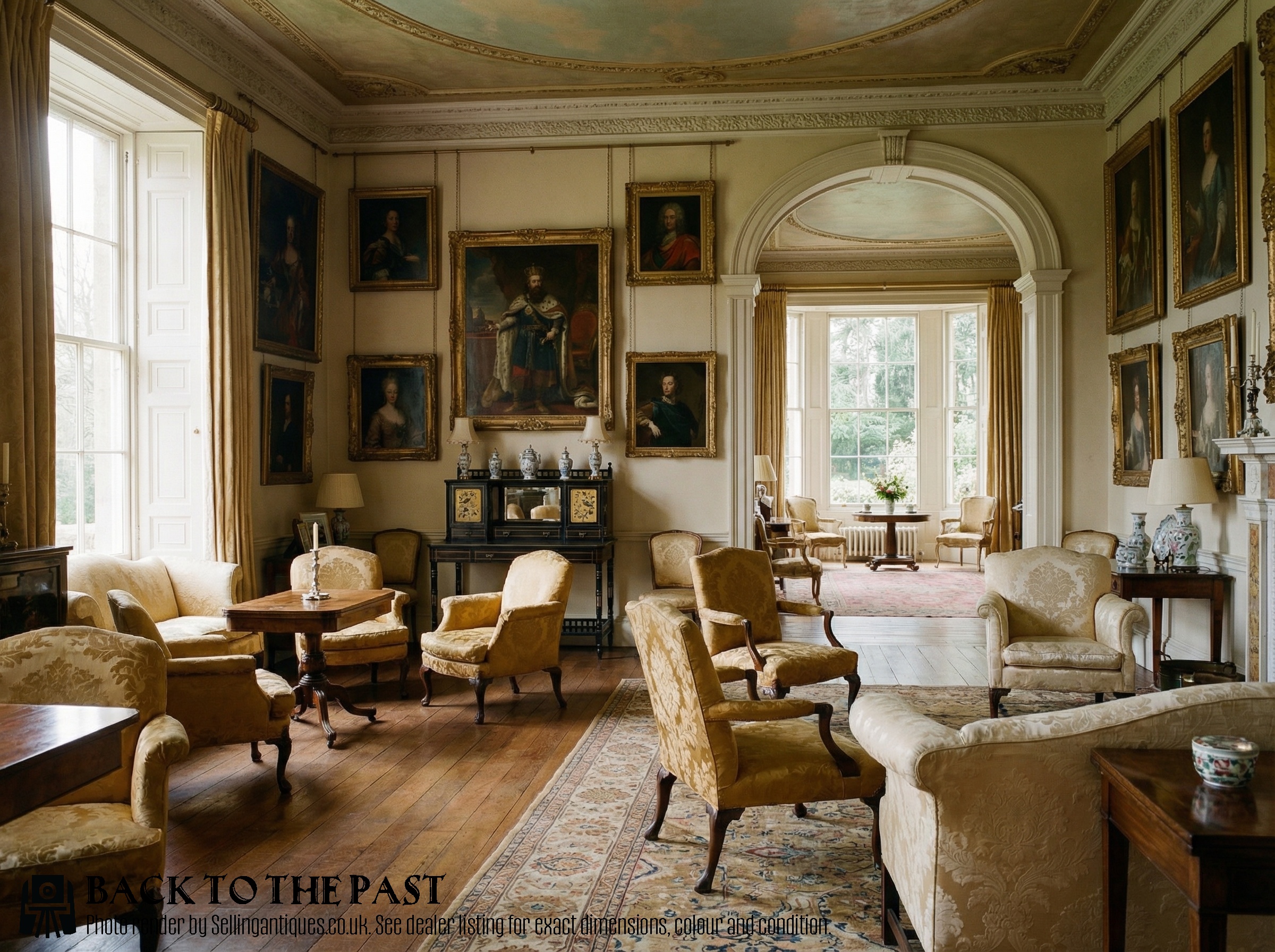
Anglo Japanese Furniture
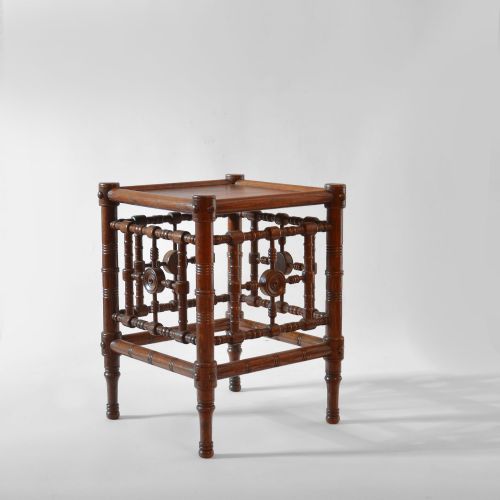
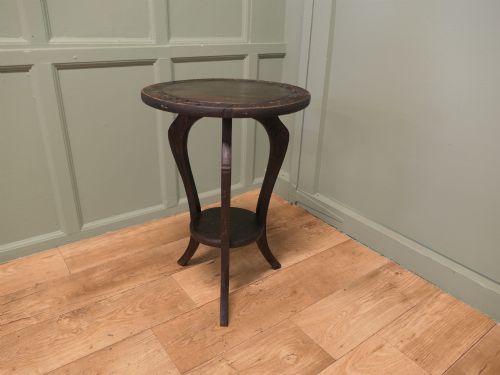
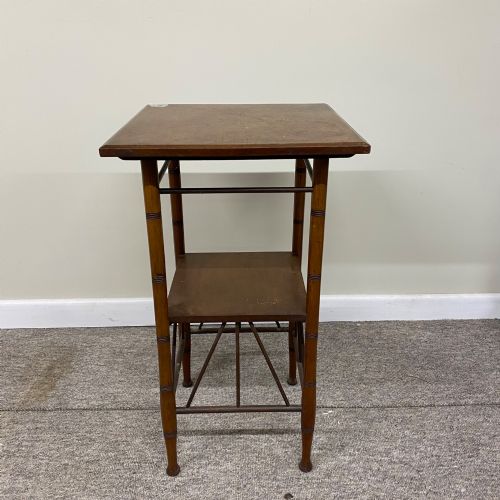
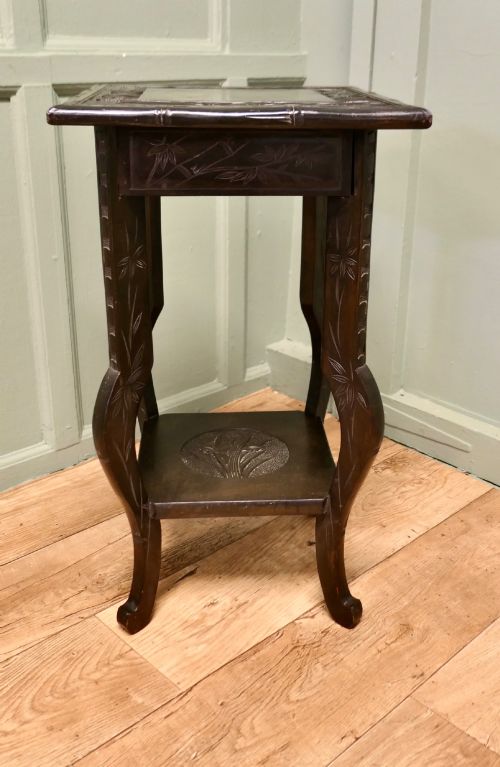
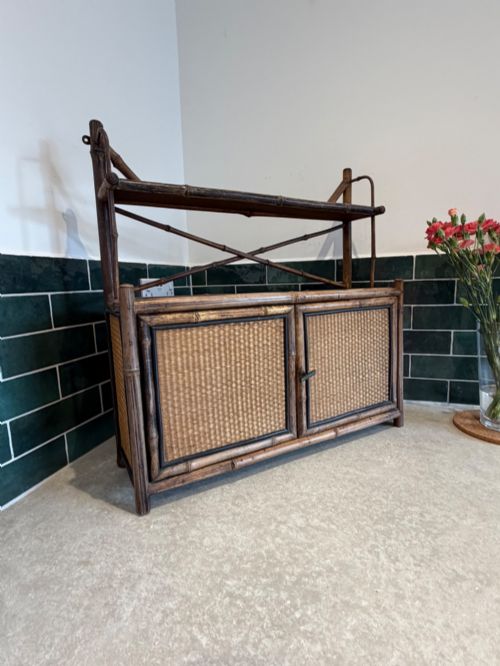
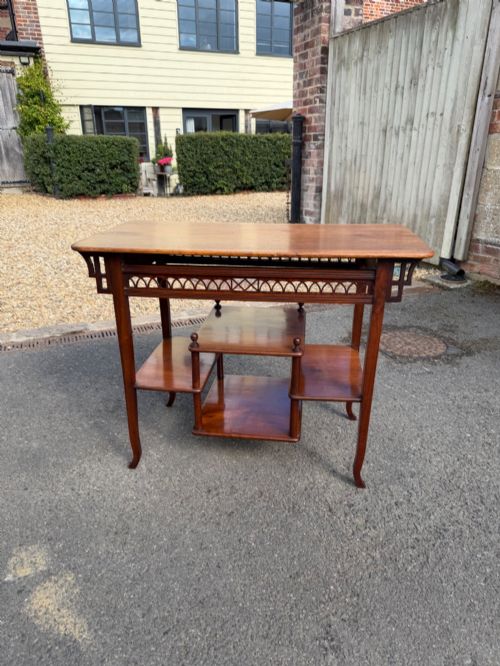
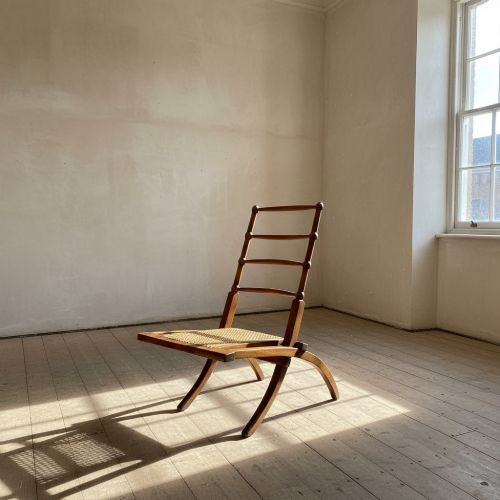
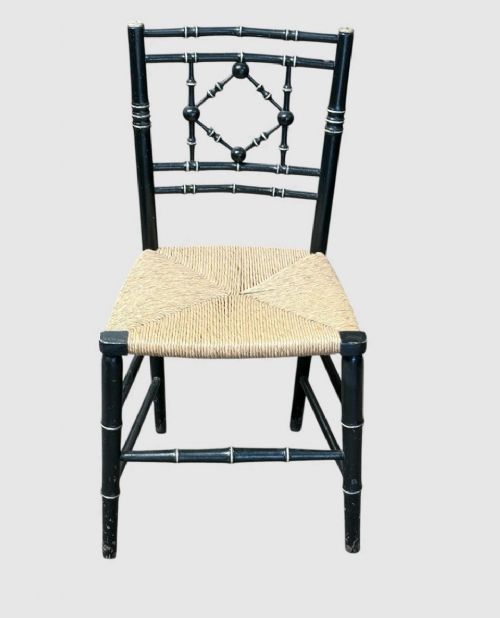
Anglo Japanese furniture represents a specific convergence of Western comfort and Japanese aesthetic principles popular during the nineteenth century. The selection typically comprises occasional tables, side chairs, and cabinets originating from the Victorian period.
Buyers encounter forms ranging from ebonised wood tables to bamboo stands and carved side chairs. These pieces reflect the broader Aesthetic Movement and Japonisme influences that swept British design workshops.
Materials and Construction
Workshops relied heavily on ebonised wood, mahogany, and natural bamboo to achieve the desired silhouette and finish. Artisans frequently applied gold leaf highlights and brass fittings to punctuate the dark surfaces.
Hand carving and turned elements appear across cabinets, desks, and tables, demonstrating traditional British cabinet-making techniques adapted for Eastern-inspired motifs.
Anglo Japanese Furniture Retail Price Guide 2026
Typical asking prices for anglo japanese furniture among the pieces listed under this phrase on Sellingantiques today, from the lower quarter to the upper quarter. They describe what is for sale here now, not the wider market.
Current listings feature materials such as ebonised wood, bamboo, brass, and gold leaf across Victorian and Edwardian periods.
Assessing Quality and Execution
Quality rests in the precision of the ebonised finish and the crispness of any applied gilding or hand carving. Superior examples exhibit rigorous joinery and thoughtful proportions that balance heavy wood elements with delicate structural lines.
The integration of secondary materials, such as cane seating or glass panels, distinguishes standard utility items from more ambitious cabinet work produced by leading London and regional firms.
Liberty of London·Blyth and Son·Garnett and Sons
The Anglo Japanese Furniture Glossary
- Ebonised wood
- Timber stained or painted to resemble costly ebony. This finish provided the dark, matte ground favoured by Aesthetic Movement designers.
- Japonisme
- The influence of Japanese art and design on Western culture. It shaped the decorative vocabulary of late Victorian decorative arts.
- Aesthetic Movement
- A nineteenth-century British design current prioritising visual beauty over narrative subject matter. It championed craftsmanship and simplicity.
- Bamboo
- A hollow, jointed grass utilised structurally for light occasional tables and stands. It delivered an authentic Eastern flavour to domestic interiors.
- Bonheur du jour
- A light lady's writing desk featuring a small cabinet or set of drawers on top. These dainty forms suited the refined drawing room.
Anglo Japanese Furniture: Frequently Asked Questions
What is Anglo Japanese furniture?
It is nineteenth-century British furniture influenced by Japanese design principles, bridging traditional domestic forms with Eastern motifs.
Items range from ebonised side tables to bamboo stands and cabinets produced during the Victorian era.
How do I style these pieces?
Their dark ebonised surfaces and organic bamboo frames pair well with both period and contemporary neutral interiors.
Use occasional tables and plant stands as focal points to introduce textural contrast and historical character.
Are bamboo items sturdy?
Victorian bamboo furniture was constructed for light domestic use rather than heavy duty.
Careful placement away from excessive moisture preserves the natural material and any applied cane seating.