

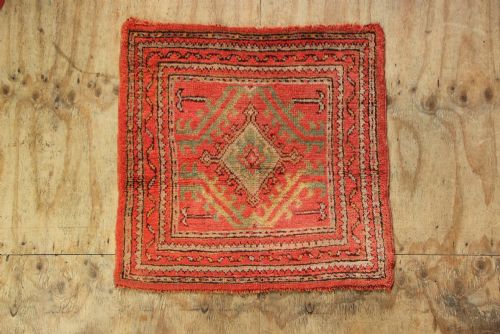
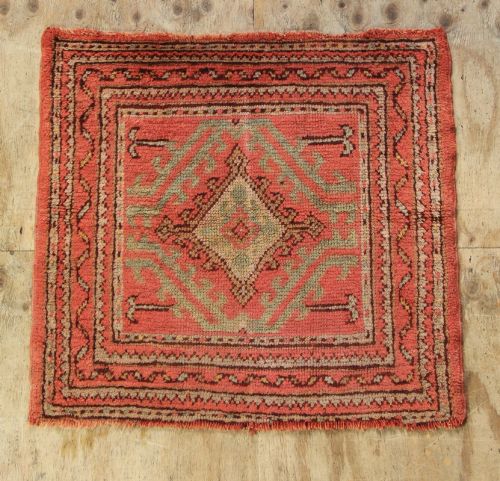

Anatolian Wool Carpet
An anatolian wool carpet brings heavy weave and earthy dye to a floor, offering durable utility and deep historical ground.

Anatolian Wool Carpet
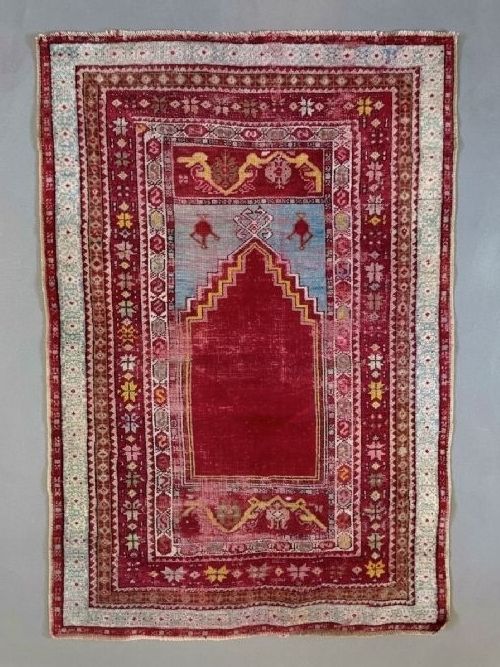
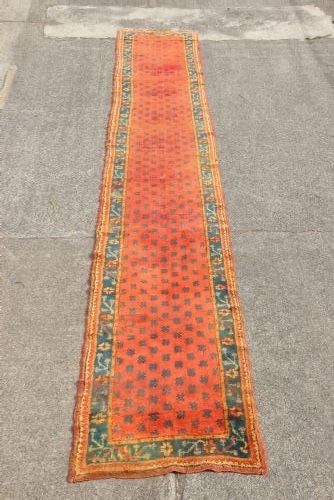
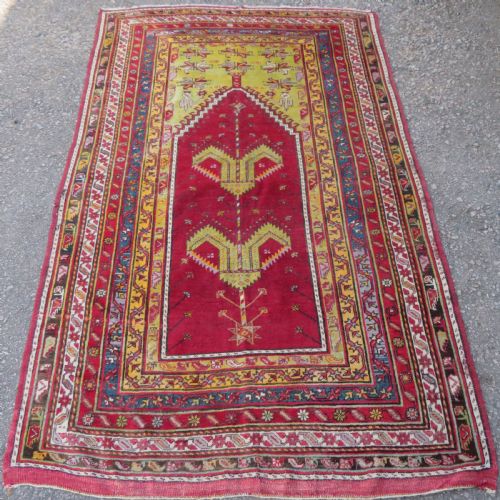
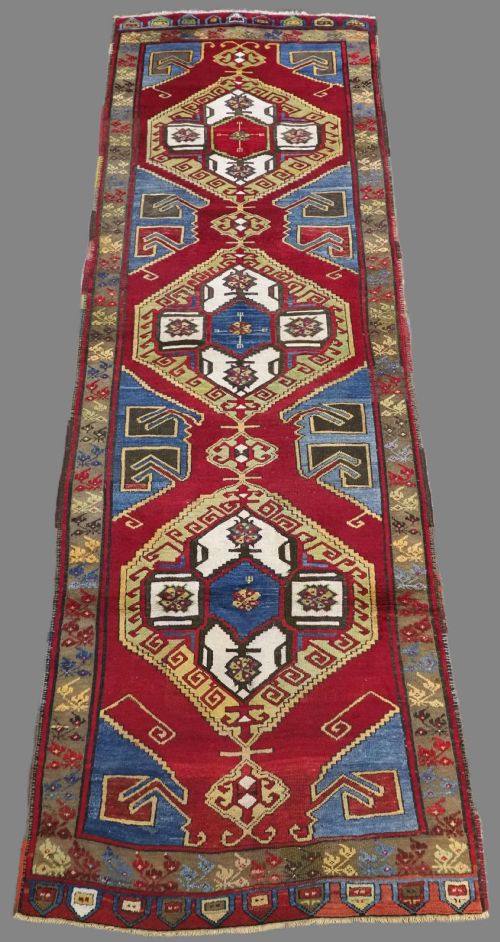
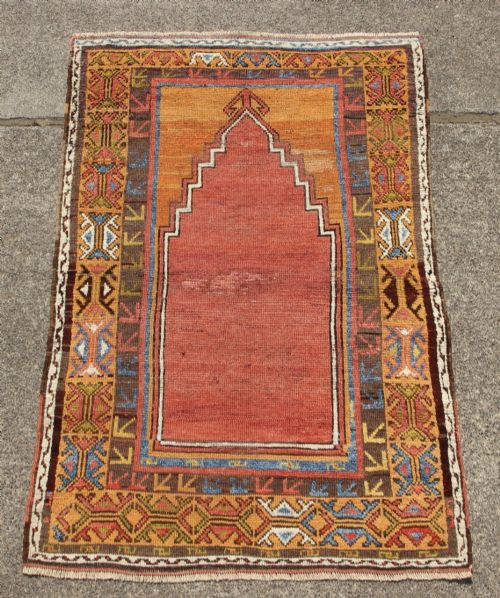
An anatolian wool carpet is a woven textile originating from Turkey, encompassing large floor coverings, long runners, and compact prayer mats. Pieces span from the eighteenth century through to the early twentieth century, showing broad regional variation in design.
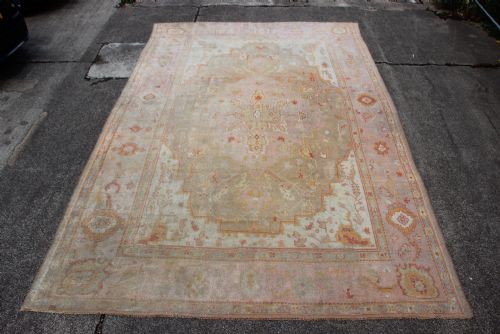
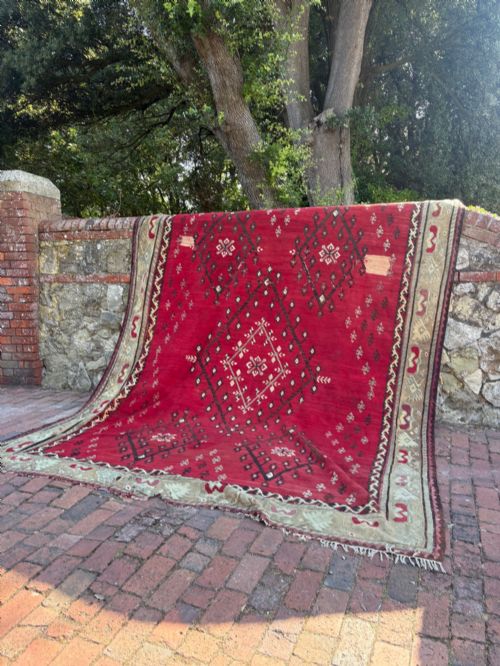
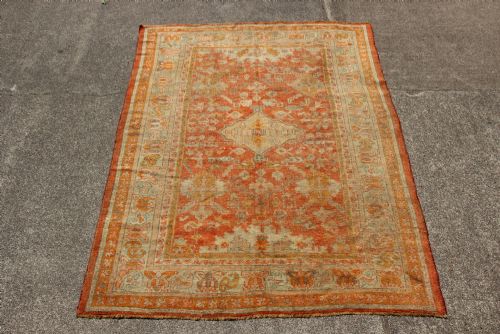
The most common formats on this page are village and town rugs from Oushak, Konya, and Bergama, alongside flatweave kilims. Buyers encounter everything from large room-size carpets down to small square mats and utilitarian cushions.
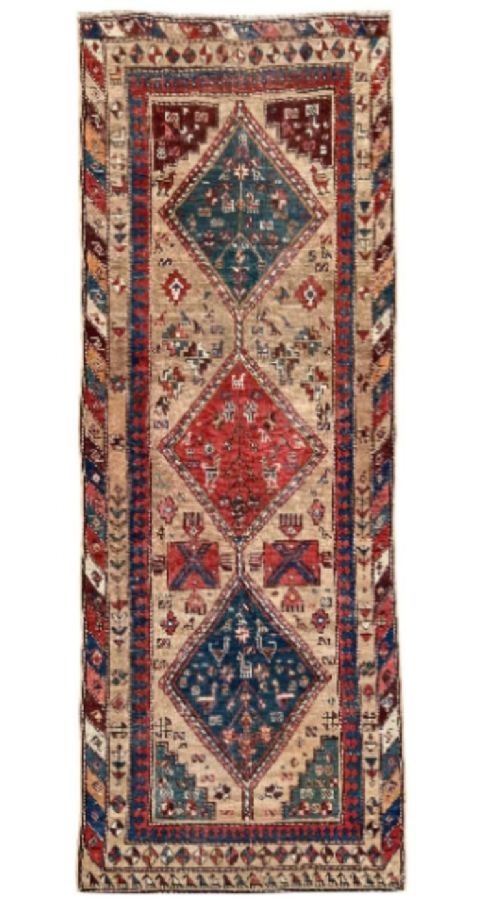
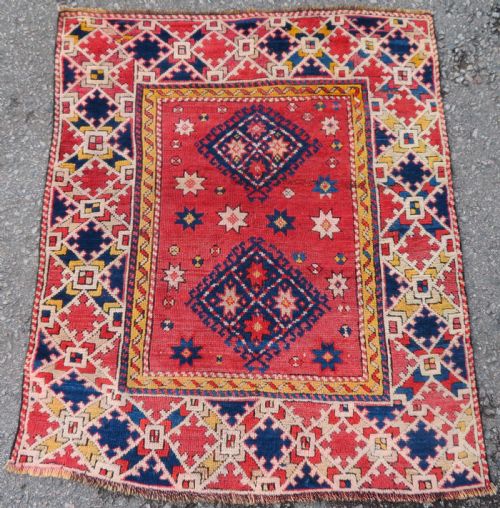
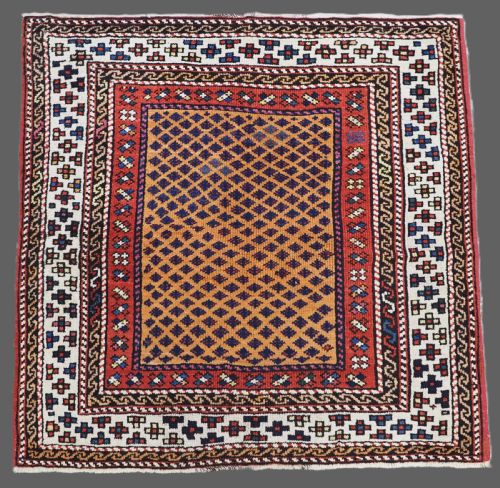
Village pieces often display geometric lattices and tribal motifs, while town workshops tend toward expansive floral fields and pale washes. Each rug reflects the specific weaving traditions of its district, whether worked as a full pile carpet or a half-kilim runner.
Materials and construction
These textiles rely predominantly on wool, cotton, and camel wool, utilising hand-spun fibres that absorb natural dye with subtle tonal variation. Weavers knotted pile wool onto sturdy cotton or wool foundations, creating resilient structures designed for heavy daily use.
Flatweave kilims and half-kilim runners employ interlocking slit-weave techniques without a raised pile, resulting in lighter, reversible floor coverings. Foundation threads visible through worn areas reveal the underlying warp and weft density of the loom work.
Anatolian Wool Carpet Retail Price Guide 2026
Typical asking prices for anatolian wool carpet among the pieces listed under this phrase on Sellingantiques today, from the lower quarter to the upper quarter. They describe what is for sale here now, not the wider market.
Current listings span from the 18th century to the 1930s, featuring wool, cotton, and camel wool across diverse Anatolian styles.
Assessing quality and character
Quality rests in the integrity of the weave, the clarity of the natural dyework, and the balance of the field design. Superior examples maintain structural stability despite age, whereas lesser pieces show heavy brittle loss in the foundation.
The handling of colour distinguishes finer village and town work, where vegetable dyes mellow evenly across the camel wool or dyed pile. Untutored restoration or chemical washing flattens this nuance, reducing the textural depth prized by collectors.
The Anatolian Wool Carpet Glossary
- Prayer rug
- A small rug featuring a mihrab design at one end, traditionally used to indicate the direction of Mecca during daily prayers.
- Kilim
- A flatwoven carpet or runner produced without a pile, utilising slit-weave techniques to form sharp geometric patterns.
- Oushak
- A major carpet-producing town in western Anatolia known for large-scale floral designs and soft, pale colour palettes.
- Warp
- The vertical foundation threads stretched tightly on the loom before the knots or weft threads are introduced.
- Weft
- The horizontal threads passed across the warp to bind the structure of the rug together after every row of knots.
Anatolian Wool Carpet: Frequently Asked Questions
How do I clean an antique rug?
Surface dirt lifts out best with gentle, regular suction using a brushless vacuum attachment. Professional textile conservation cleaning is necessary for deeper washing to protect old wool and natural dyes.
Water exposure should remain minimal to prevent colour bleeding across cotton foundations. Specialist care preserves the fragile structure of nineteenth-century pile and flatweave surfaces.
Can I place these rugs in heavy traffic areas?
Sturdy village carpets and thick wool pile rugs handle moderate hallway and living room use quite well. Placing a quality underlay beneath the textile prevents slipping and cushions the fibres against hard floors.
Fragile prayer rugs or thin flatweaves last longer when kept out of direct walkways. Lighter placement protects delicate historical foundations from undue mechanical strain.
How do I date an old carpet?
Dating relies on stylistic markers, structural analysis, and the chemical composition of the dyes. Natural colour shifts and hand-spun irregularities point toward nineteenth-century or earlier manufacture.
Standardised synthetic dyes and machine-spun cotton generally indicate later twentieth-century production. Comparing knot density and regional motifs helps narrow the decade of origin.
What is a camel wool field?
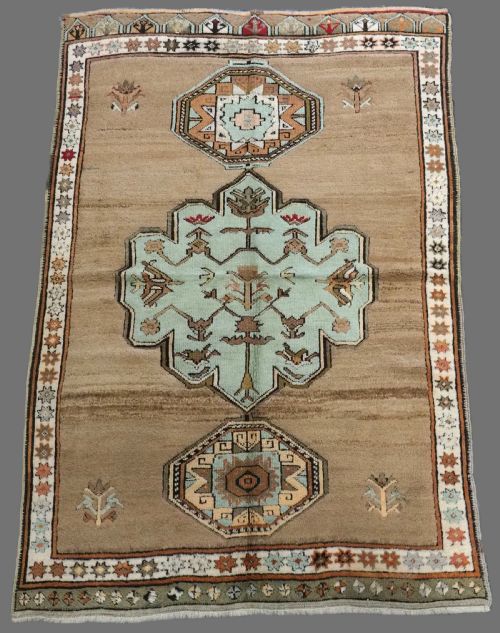
A camel wool field uses un-dyed, naturally occurring brown or golden fleece woven directly into the background of the rug. This untreated fibre offers exceptional softness and durability without chemical processing.
Such fields appear frequently in specific regional pieces, lending a warm, earthy tone to the composition. The natural grease in the wool also helps resist dirt over decades of use.