


Anatolian Prayer Carpet
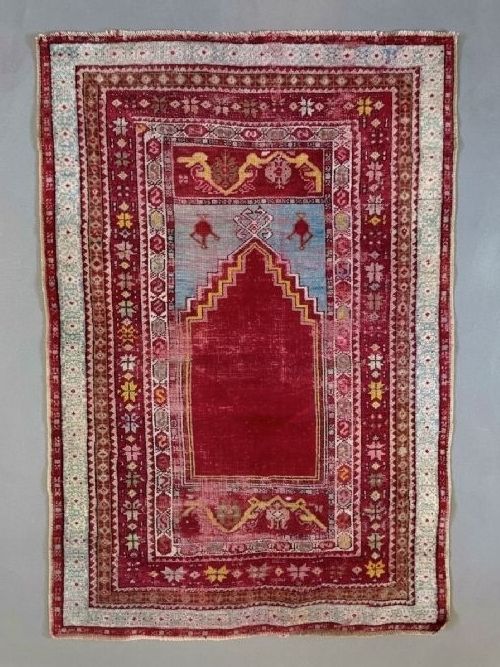
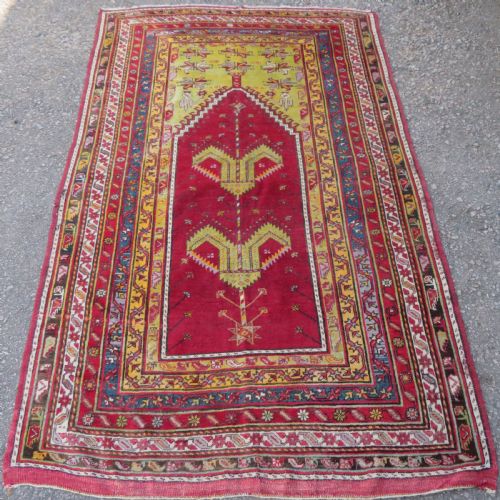
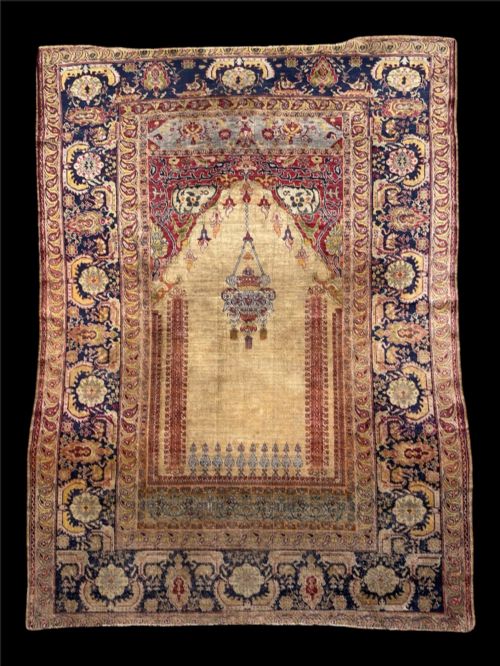
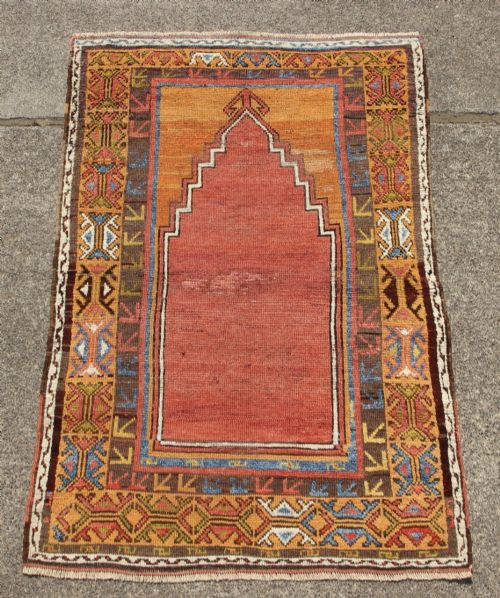
When you choose an anatolian prayer carpet, you invite centuries of weaving tradition into your home through distinctive mihrab designs.
Anatolian Prayer Carpet
The most common examples encountered on this page date from the nineteenth century, reflecting regional village and town traditions rather than large imperial workshops. Makers utilised traditional motifs passed down through generations, resulting in recognizable local patterns.
Formats generally range from small area rugs to floor runners, constructed with wool, cotton, or occasionally silk foundations. Each piece serves both a devotional function and displays the distinctive aesthetic of its specific geographical origin.
Materials and construction
Weavers constructed these textiles using hand-spun wool for the pile, set upon cotton or wool warp and weft foundations. Certain regional pieces incorporate silk for enhanced detail and texture.
Colour palettes derived from natural vegetable dyes and natural dye sources, yielding rich tones that mellow gracefully over decades. Dyers extracted hues from local plants, roots, and minerals to achieve deep reds, blues, and ivories.
Listings span periods from the eighteenth century to the mid-twentieth century, featuring wool, cotton, and silk foundations.
Quality and execution
The degree of knot density and the precision of the geometric or floral drawing largely determine the refinement of a piece. Finer examples display crisper lines within the central niche and more intricate border arrangements.
The depth and brilliance of the natural dyes separate standard village weaving from exceptional regional masterworks. Pigments that retain their vibrancy and show subtle tonal variations indicate superior preparation and dyeing technique.
The Anatolian Prayer Carpet Glossary
- Mihrab
- The arched niche depicted on the rug, which symbolises the direction of prayer. This architectural form dominates the upper section of the field.
- Warp
- The vertical threads stretched across the loom before weaving begins. The pile knots are tied around these foundational strands.
- Weft
- The horizontal threads passed alternately over and under the warp threads to secure the rows of knots. They provide structural stability to the carpet foundation.
- Saf
- A multi-niche prayer rug featuring several arches in a row, designed to accommodate multiple worshippers simultaneously. These elongated formats are exceptionally uncommon.
- Natural dyes
- Colourants derived from plants, insects, and minerals rather than synthetic compounds. Older examples rely entirely on these organic materials for their palette.
Anatolian Prayer Carpet: Frequently Asked Questions
What is a prayer rug?
A prayer rug is a portable textile featuring a central niche design that indicates the orientation for prayer. Historically, users placed them on the floor to provide a clean surface during daily devotions.
Over time, these pieces became prized decorative objects due to their symbolic iconography and regional artistry. Their formats remain compact compared to standard room-sized carpets.
How do I identify regional styles?
Regional attribution relies on examining specific motifs, border arrangements, and colour combinations unique to weaving towns such as Ghiordes or Ladik. Each district developed distinct drafting styles for the mihrab and spandrels.
Consulting structural characteristics, such as the materials used for the foundation threads, further assists in pinpointing the geographic origin of a weaving.
Where should I place these rugs?
These textiles suit placement in low-traffic areas such as studies, hallways, or displayed directly on walls as hanging art. Their detailed iconography rewards close inspection in quiet settings.
Protecting them from direct sunlight preserves the natural dyes used in the wool pile over years of enjoyment.
How do I care for antique wool?
Gentle vacuuming without a beater bar removes surface dust safely from the pile without pulling the foundational threads. Professional cleaning should occur infrequently and only by specialists experienced in antique textiles.
Keeping the underlying floor dry and maintaining stable room humidity prevents the natural fibres from degrading.