

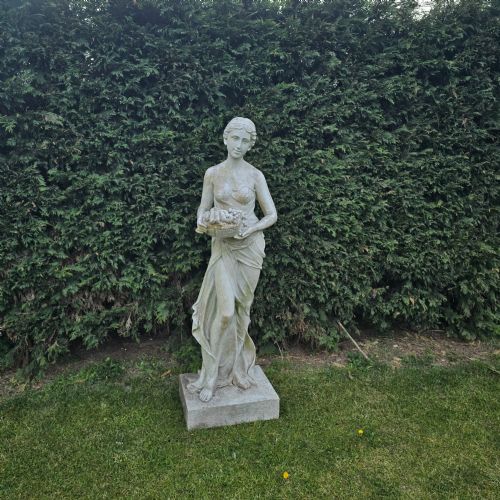


Allegorical Four Seasons Figure
An allegorical four seasons figure personifies nature's cycle through classic motifs, bringing classical grace and enduring narrative charm to your interior or garden.
Allegorical Four Seasons Figure
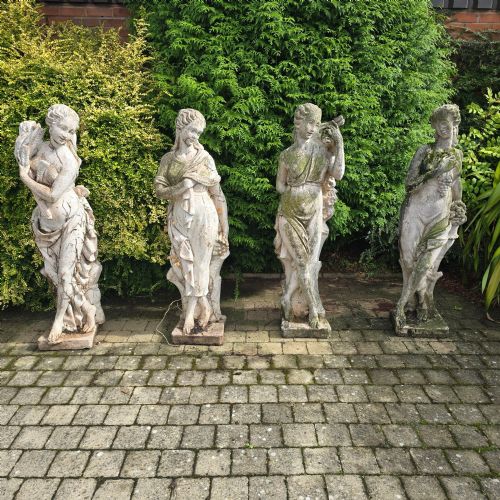
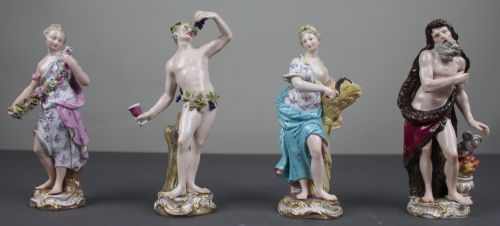
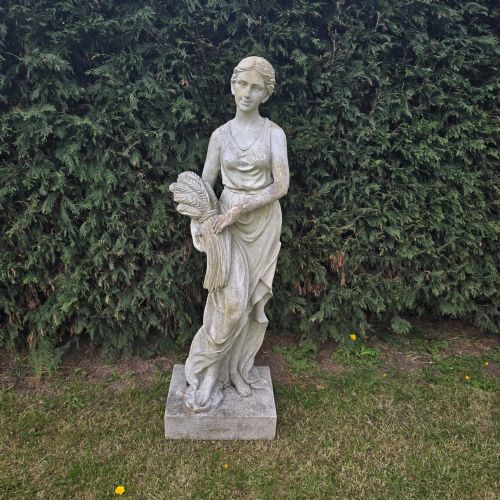
An allegorical four seasons figure embodies spring, summer, autumn or winter through distinct attributes, clothing and symbolism. When searching for an allegorical four seasons figure, you encounter diverse physical forms ranging from delicate porcelain figurines to life-sized garden statues and oil paintings.
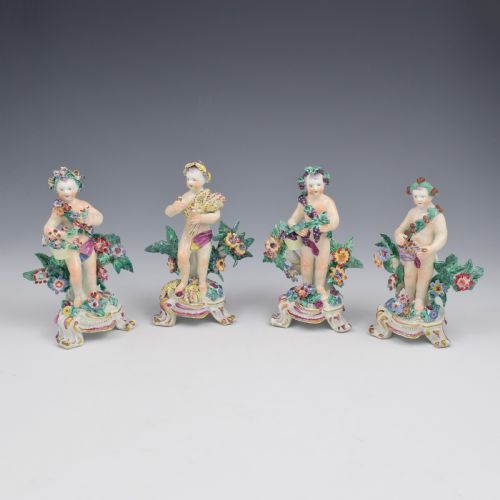
The pieces appearing on this page span several distinct periods including the 18th century, Victorian era, and mid-twentieth century. Makers frequently executed these allegories in sets depicting all four parts of the year, though individual figures and pairs also survive.
Object types vary widely across the inventory, encompassing porcelain figures, decorative figurines, garden statues carved or cast in stone, and framed canvas paintings. These representations draw upon historical European styles such as Rococo, Neoclassical, and Classical Revival.
Factors of quality
Quality in porcelain examples depends on the crispness of the moulding in the drapery and floral elements, alongside the precision of hand-painted enamel and gold leaf application. Finer pieces retain delicate facial expressions and intricate detailing on smaller attributes like harvest sheaves or floral garlands.
In stone and cast versions, the weathering patination and depth of sculptural relief dictate the visual success of the piece. Paintings rely on brushwork definition and the preservation of the canvas surface over the decades.
Materials span hard-paste and soft-paste porcelain, enamel, gold leaf, and cast stone across the listed items.
Meissen·Bow Porcelain·Samson·Carl Thieme Dresden·Guiseppe Mazzolini
The Allegorical Four Seasons Figure Glossary
- Allegory
- The representation of abstract ideas through concrete characters and physical attributes. In these pieces, human or putti forms embody the changing cycle of the year.
- Putto
- A plump, naked male child figure frequently employed in classical and rococo art. They often personify the seasons in eighteenth-century porcelain sets.
- Hard-paste porcelain
- A durable ceramic material composed of kaolin and petuntse fired at very high temperatures. It forms the body of many antique continental European figures.
- Soft-paste porcelain
- A glassy ceramic composition fired at lower temperatures than hard-paste, common in early English factories. It yields a distinctive warm glaze texture.
- Rococo Revival
- A nineteenth-century stylistic movement reviving the ornate, asymmetrical scrolls and naturalistic motifs of the mid-eighteenth century. This style appears frequently on ceramic bases and figurine supports.
Allegorical Four Seasons Figure: Frequently Asked Questions
Were these figures always made as complete sets?
Makers frequently produced the allegorical figures in matching sets of four to represent the complete cycle of the year. However, individual pieces, pairs representing opposing seasons, or partial groups also survive from both ceramic factories and stone workshops.
Collectors often acquire individual figures to complement existing displays or to focus on a favourite season within the allegorical theme.
How do I distinguish between porcelain and stone versions?
Porcelain figures are scaled for interior display, featuring smooth glazed surfaces, delicate painted details, and occasional gold leaf accents. They are suited for cabinets, mantelpieces, or designated tabletops.
Stone versions utilise cast or reconstituted materials designed for larger installations, garden display, or architectural placement where durability against weather elements is necessary.
How should I display allegorical figures at home?
Ceramic and porcelain figures require stable, enclosed spaces away from direct sunlight to protect their enamel colours and gold leaf highlights. Grouping them together on a sideboard or mantelpiece preserves the narrative relationship between the pieces.
Larger stone statues function effectively as focal points in gardens, courtyards, or garden rooms where their scale and weathered patination can be appreciated.