

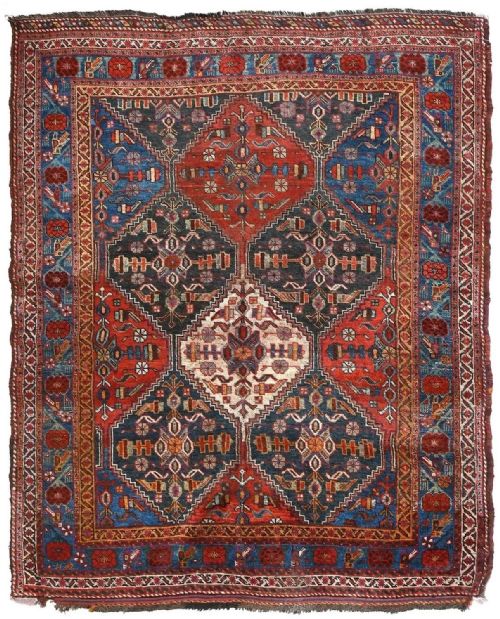
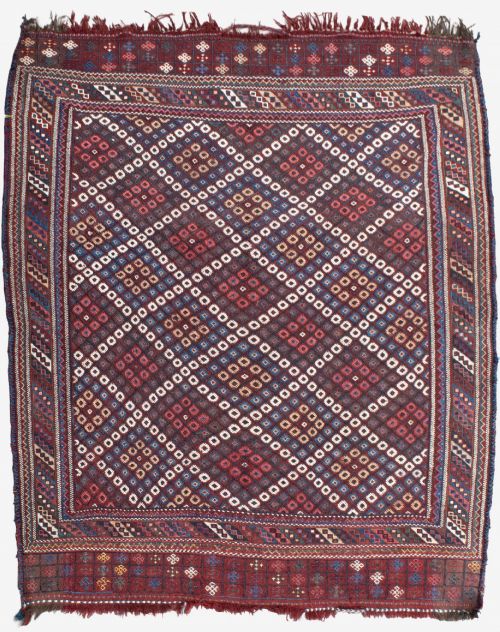
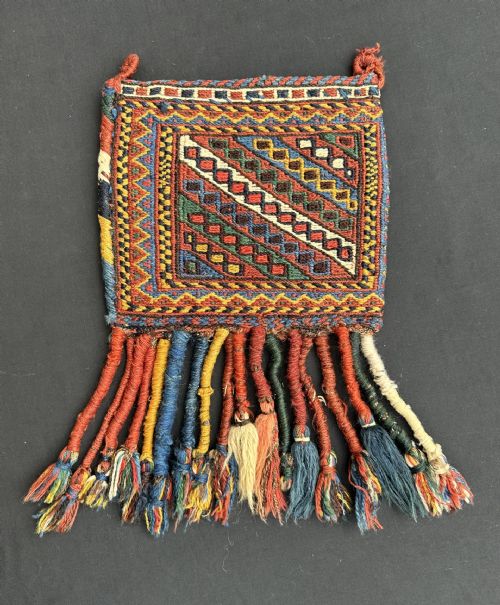


Afshar Tribal Weaving
These pieces of afshar tribal weaving bring structured geometric layouts and rich regional character straight from South Persian nomadic hands into modern interiors.
Afshar Tribal Weaving
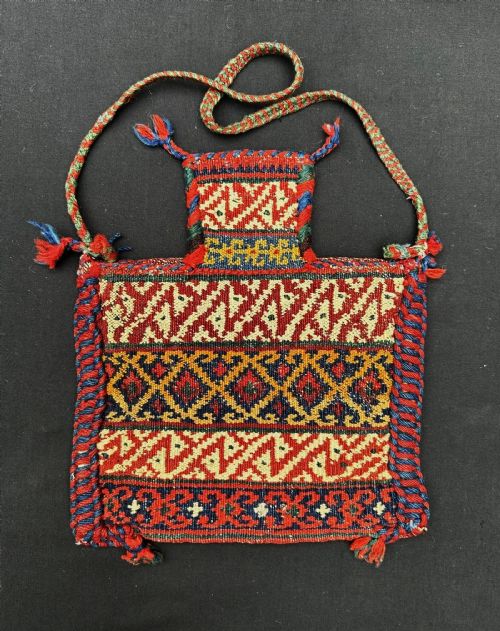
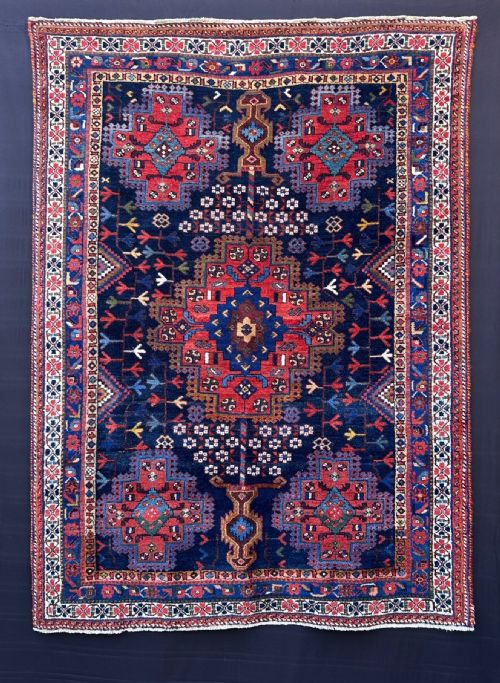
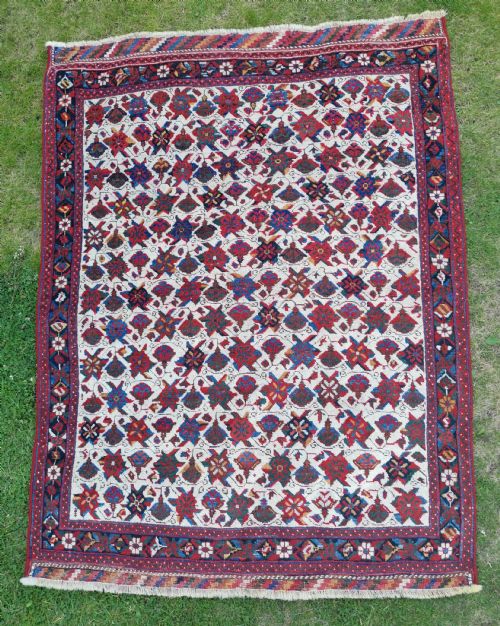
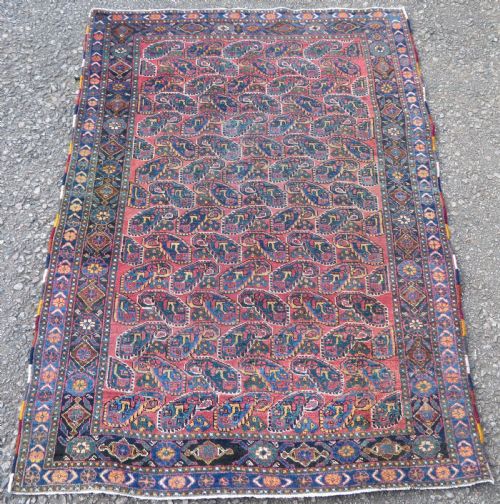
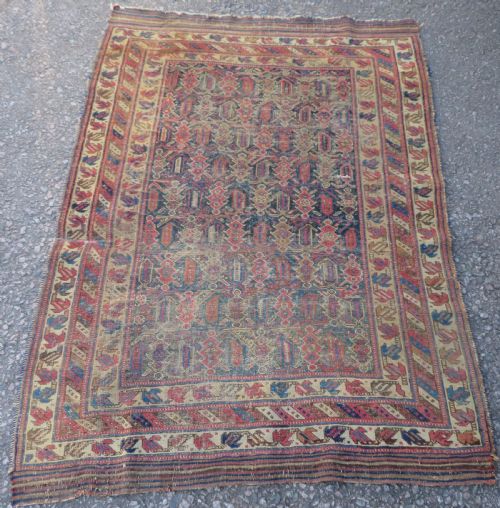
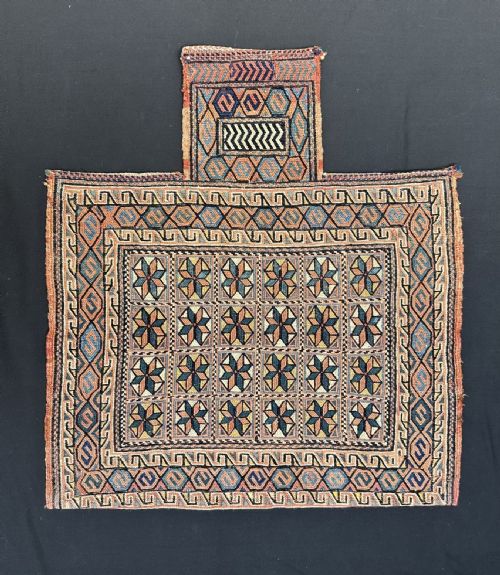
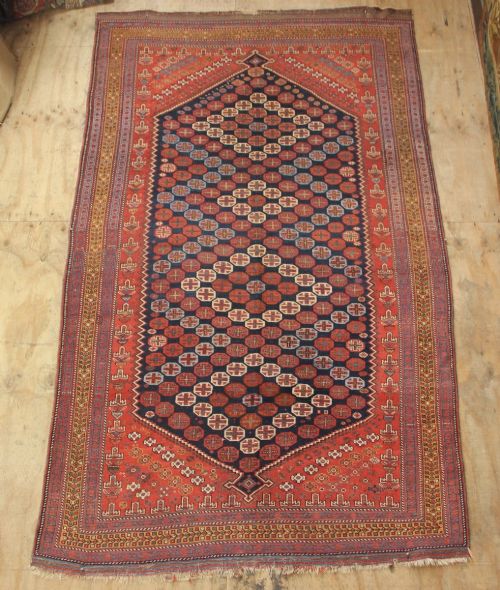
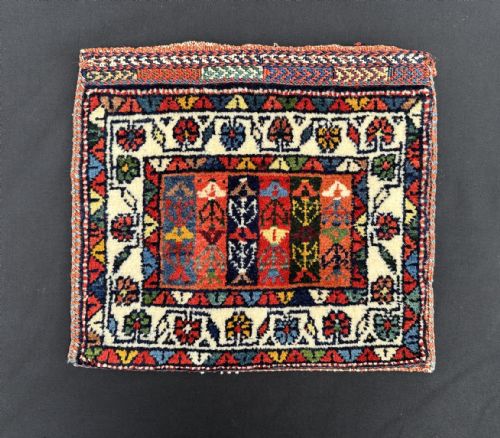
When you search for afshar tribal weaving, you encounter authentic nineteenth and early twentieth-century creations originating from the Kerman Province in South Persia. The selection spans floor-covering carpets and smaller area rugs alongside functional nomadic items such as salt bags, vanity bags, tobacco pouches, and bread sofrehs.
Most examples date from the late nineteenth century up through the nineteen-twenties, reflecting the distinct heritage of tribes operating around Neiriz, Bardsir, and the Jebal Barez Mountains. These textiles carry traditional Persian village and tribal motifs, including boteh patterns, herati designs, and vase layouts woven onto wool foundations.
Materials and Construction
Weavers utilised hand-spun wool for the pile and structure, combined with cotton foundations to provide stability and durability for everyday nomadic utility. Natural dyes supplied the colour palette, producing deep, enduring tones that age gracefully across decades of exposure.
Certain functional bags and storage pouches incorporated specialised techniques like soumak work alongside standard pile weaving, occasionally embellished with decorative cowrie shells. These construction choices ensured that utility items designed for transport or storage maintained structural integrity.
The listings span the nineteenth and early twentieth centuries, featuring wool, cotton, natural dyes, and cowrie shells.
Assessing Quality and Execution
The distinction between standard examples and finer works rests in the density of the knotting and the crispness of the geometric design execution. Finer pieces demonstrate precise control over intricate layouts such as repeat herati patterns or dragon and phoenix iconography.
The grade of the wool also dictates the tactile and visual appeal, with lustrous, luminous fleece elevating the depth of the natural dyes. Furthermore, completeness - such as retaining original plain weave backs on saddle bags - affects the standing of an individual piece.
The Afshar Tribal Weaving Glossary
- Sofreh
- A woven spread or cloth utilised for dining, processing bread, or preparing food within nomadic households. These flatwoven or piled textiles often feature strong central medallions and field patterns.
- Soumak
- A technique of wrapping weft threads over warp threads that creates a dense, durable surface without a cut pile. This method frequently appears on bags and storage pouches.
- Boteh
- A stylised floral motif resembling a curved almond or pear shape, commonly found repeated across field designs in South Persian carpets. It remains a hallmark of traditional regional composition.
- Chanteh
- A small personal bag or vanity pouch carried by nomads for daily necessities. These miniature textiles display the same intricate design care as full-scale floor rugs.
- Herati
- A repeating floral pattern composed of a central rosette framed by four leaves and enclosed within curved lancet motifs. It provides a balanced, rhythmic texture across the rug ground.
Afshar Tribal Weaving: Frequently Asked Questions
What is an afshar sofreh used for?
A sofreh functioned as a clean textile surface laid on the ground for rolling bread dough or sharing communal meals among nomadic families.
Today, these square or rectangular cloths work well as striking wall hangings or distinct floor coverings in compact living spaces.
How do I care for an antique rug?
Protect the wool and natural dyes by vacuuming gently without a rotating brush and keeping the textile out of direct, harsh sunlight.
Professional specialist cleaning is recommended every few years to remove embedded dust safely without compromising the cotton foundations.
What distinguishes a saddle bag face?
A saddle bag face represents the decorative front panel of a paired utility sack designed to hang over pack animals during seasonal migrations.
Many survive independently after being separated from their plain weave backs, prized primarily for their compact and focused artistic designs.