




Afshar Geometric Pattern Rug
These afshar geometric pattern rug examples are woven by tribal artisans in southern Persia, offering rich colour and traditional motifs for your floor.
Afshar Geometric Pattern Rug
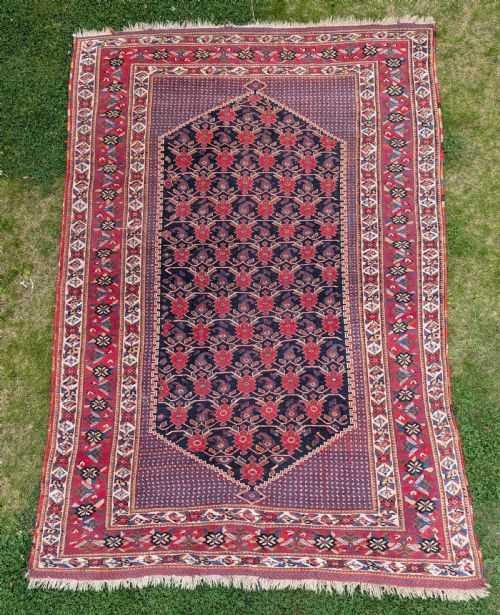
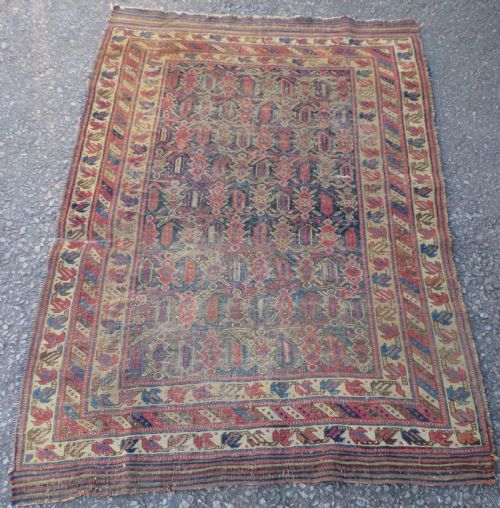
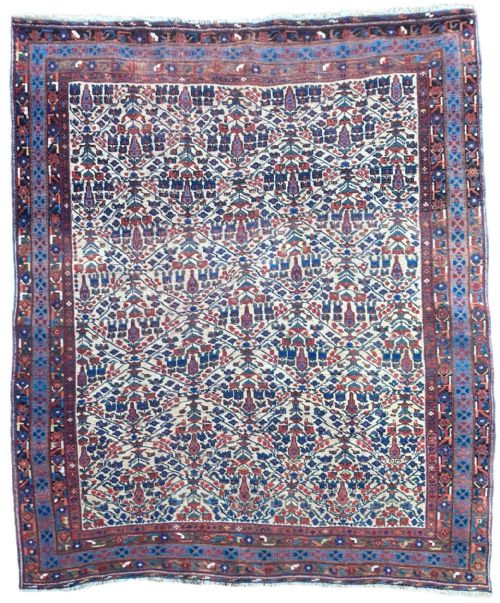
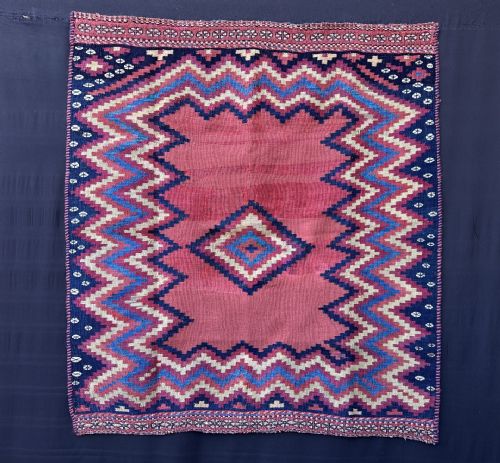
An afshar geometric pattern rug represents the traditional weaving of southern Persian tribes, mostly originating from the Kerman province and surrounding areas. These textiles showcase distinct regional patterns and are frequently encountered as scatter rugs, long rugs, or flatweave bread sofreh.
The selections span the late nineteenth century, encompassing periods from eighteen seventy to nineteen ten. You will find examples featuring repetitive boteh motifs, all-over herati designs, and classic tribal compositions typical of Persian nomadic craftsmanship.
How they were made
These floor coverings are constructed using hand-spun wool for the pile and cotton for the foundations, ensuring a durable structure. Artisans utilised natural dyes to achieve the deep, enduring colours seen across the surviving nineteenth century specimens.
The weaving techniques include both pile knotting and flatweaving methods, particularly evident in specialised nomadic pieces like bread sofreh. Each textile reflects the traditional handiwork passed down through generations of tribal makers in southern Persia.
Afshar Geometric Pattern Rug Retail Price Guide 2026
Typical asking prices for afshar geometric pattern rug among the pieces listed under this phrase on Sellingantiques today, from the lower quarter to the upper quarter. They describe what is for sale here now, not the wider market.
Every nomadic weaver unintentionally recorded their afternoon mood in the slight wobble of a straight line.
What varies in quality
The excellence of an afshar geometric pattern rug rests in the clarity of its tribal motifs and the depth of its natural dyes. Superior examples display crisply defined herati or boteh patterns that demonstrate exceptional wool quality and tight knotting.
Preservation of the original borders and outer edges distinguishes finer items from heavily worn or distressed pieces. The richness and saturation of the vegetable dyes further elevate the visual presence of the textile.
The Afshar Geometric Pattern Rug Glossary
- Boteh
- A traditional teardrop or almond-shaped motif representing a floral spray, cypress tree, or flame. This recurring symbol appears frequently in Persian tribal weaving.
- Herati
- A popular all-over geometric pattern composed of a central rosette framed by four leaves and enclosed within a lattice of curved stems. It forms a harmonious repeat across the field of the rug.
- Sofreh
- A flatweave textile traditionally used for serving bread or wrapping food within nomadic households. These functional pieces display unique tribal designs.
- Flatweave
- A textile produced without a raised pile by interlacing warp and weft threads directly on a loom. This technique creates a lighter, thinner fabric.
- Natural Dyes
- Colourants derived from plant, insect, and mineral sources rather than synthetic chemicals. They provide the rich, nuanced tones characteristic of older Persian carpets.
Afshar Geometric Pattern Rug: Frequently Asked Questions
Where were these rugs made?
These textiles were woven by nomadic and village tribes in southern Persia, primarily centered around the Kerman province and surrounding regions.
The makers utilised local materials and traditional designs passed down through generations of weavers.
How do I care for my rug?
Protect your textile by placing it in a low-traffic area and using a breathable underlay to prevent sliding.
Vacuum gently without a rotating brush roll and consult a specialist for professional cleaning when necessary.
What is a bread sofreh?
A bread sofreh is a specialised flatweave cloth traditionally used by nomadic tribes for preparing and serving meals.
These pieces often feature striking geometric compositions distinct from standard floor rugs.
How are the dates determined?
Age is estimated by examining the wool quality, dye types, structural characteristics, and stylistic evolution of the design elements.
Most surviving examples date from the latter half of the nineteenth century up to the early twentieth century.