


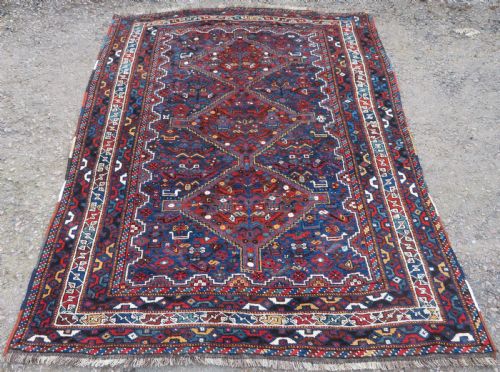
Nomadic Persian Floor Carpet
Nomadic persian floor carpet examples bring earthy wool warmth and village designs straight to timber floorboards.
Nomadic Persian Floor Carpet
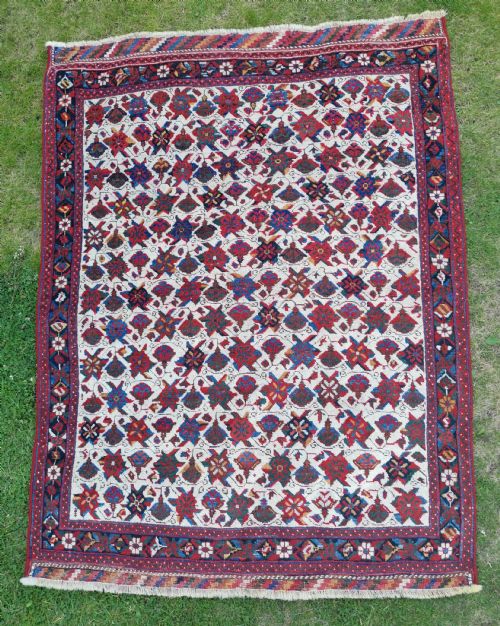
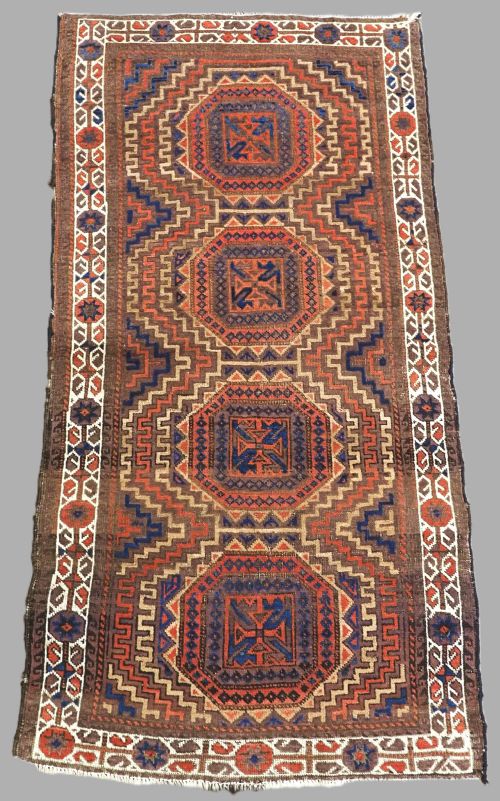
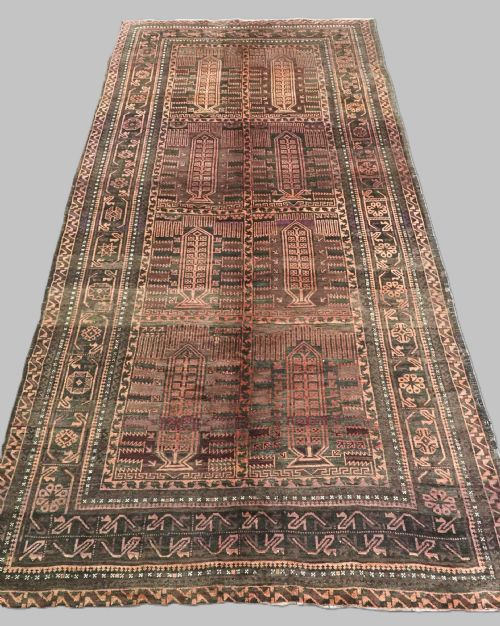
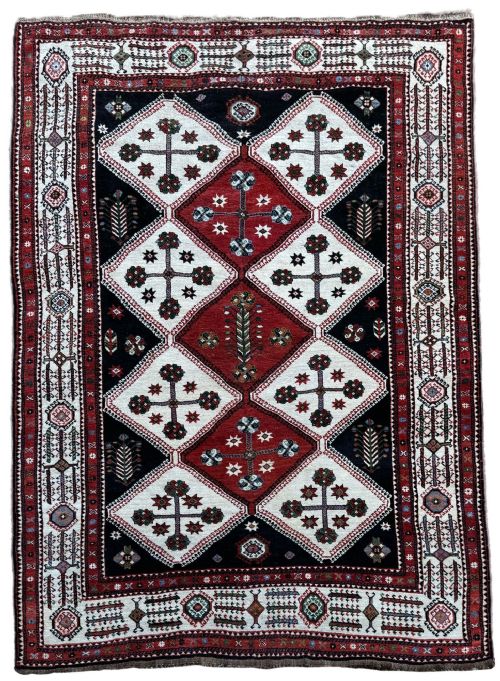
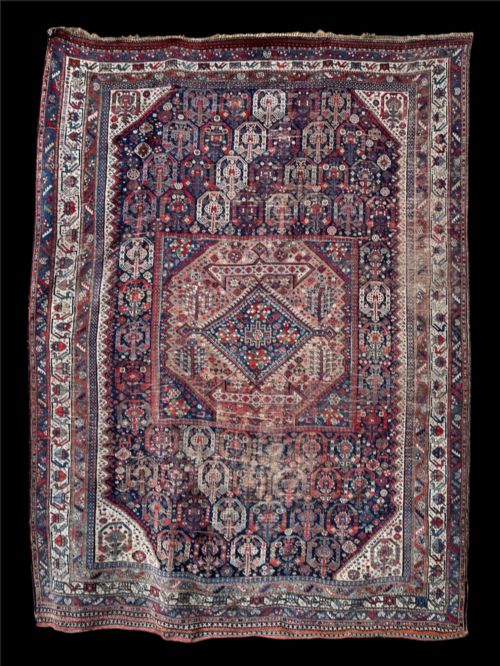
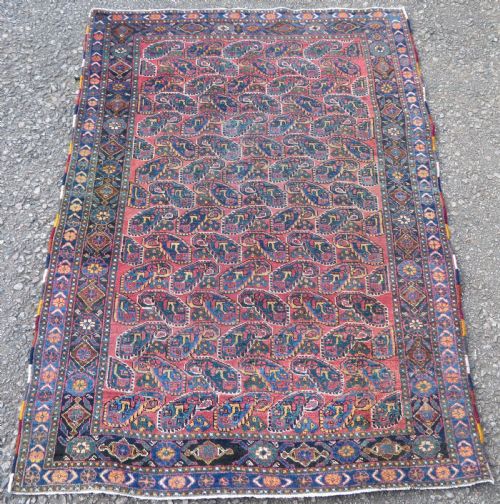
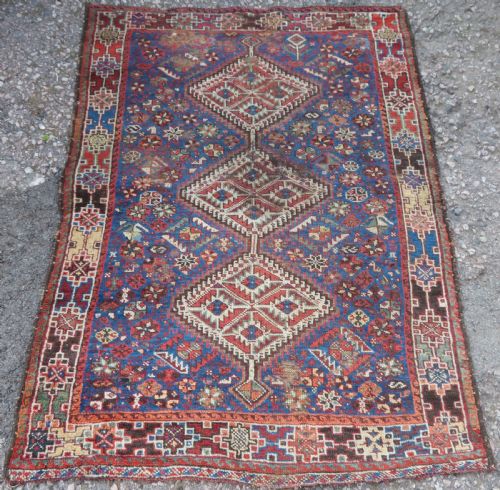
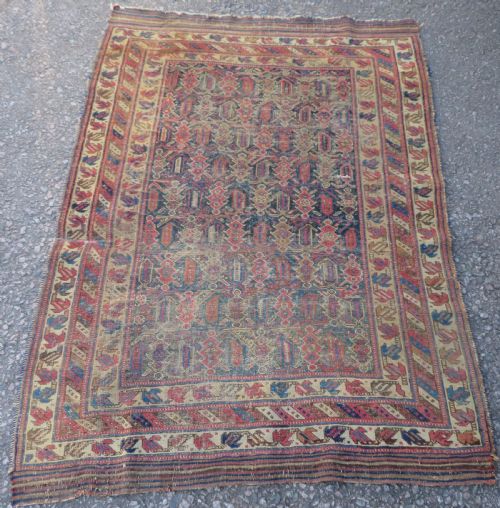
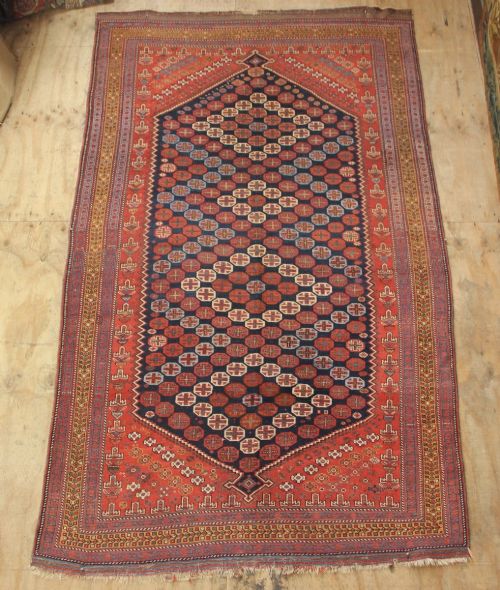
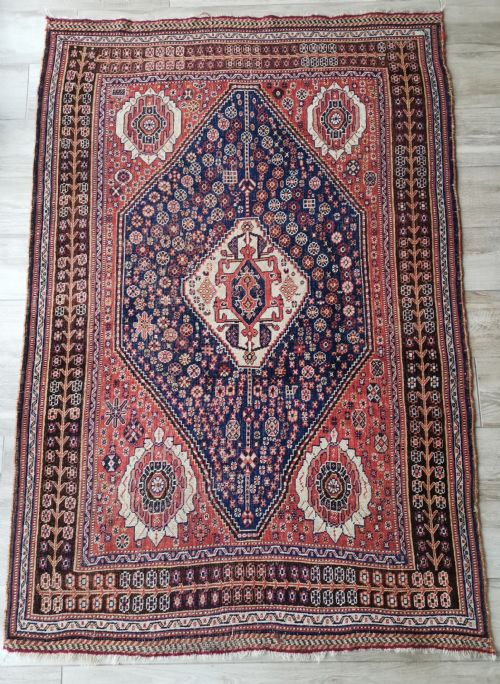
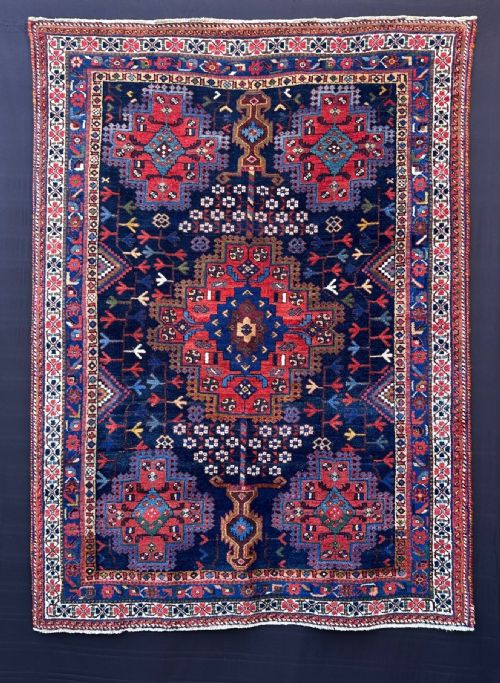
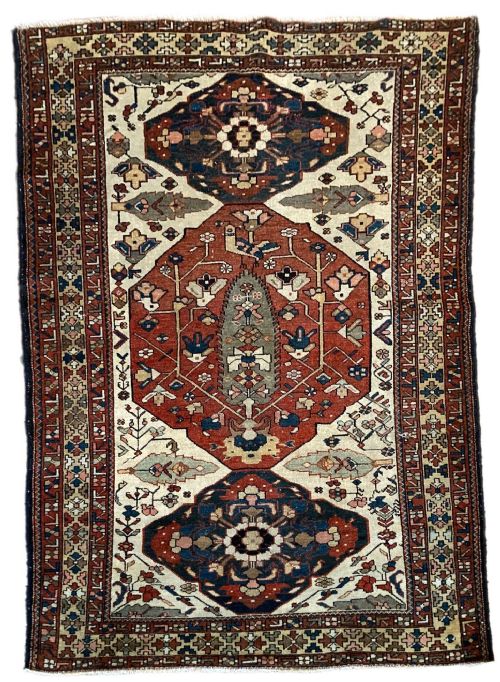
A nomadic persian floor carpet encompasses woven floor coverings originating from tribal groups, confederacies, and villages across Persia and neighbouring regions. The selections on this page span from the nineteenth century into the twentieth century, taking forms such as area rugs, runners, and main carpets.
Buyers encounter distinct regional weaving traditions including Afshar, Qashqai, Khamseh, Bakhtiar, Lori, and Baluch pieces. These floor coverings reflect the specific heritage of the makers through traditional layouts, such as central medallions, tree of life motifs, and repeating geometric patterns.
Most items on this page date from the late nineteenth century up to the 1930s, displaying authentic village and tribal aesthetics. Rugs and carpets from this category serve as durable floor textiles that bring character and history to living spaces.
How they were made
Makers utilised hand-spun wool and cotton foundations, frequently incorporating goat hair or camel wool for added structural resilience. Natural dyes provided the foundational palette for these textiles, yielding deep tones that soften gracefully over decades.
Weavers knotted these rugs by hand on upright looms without the aid of formal cartographic plans, relying instead on generational memory for designs. This artisanal construction method results in subtle irregularities in line and symmetry that define genuine nomadic work.
Peacocks occasionally wander across Qashqai medallions, reminding us that weavers stitched their local farmyard birds straight into the wool.
What varies in quality
The density of the knotting and the handling of the wool dictate the structural integrity of each textile. Tighter knot counts allow for sharper graphic detail in geometric patterns and greater longevity under foot traffic.
The depth and nuance of the natural dye palette separate standard pieces from superior examples. Variations in wool preparation and dye saturation create tonal shifts across the surface that enhance the visual depth of the carpet.
The Nomadic Persian Floor Carpet Glossary
- Gul
- A medallion or repeating octagonal motif commonly found in tribal weaving traditions. It often identifies the specific weaving group or tribe.
- Kelleh
- A long, narrow format carpet traditionally suited for the perimeter of a larger room. This rectangular shape functions well in hallways or beside furniture.
- Natural Dyes
- Colourants derived from plants, insects, and minerals rather than synthetic compounds. They produce organic hues that age with distinct patination.
- Gabbeh
- A thick, coarsely knotted rug woven by nomadic groups with minimal geometric ornamentation. These pieces emphasise expansive fields of colour and tactile wool.
- Kalam Donneh
- A repeating pattern resembling a pencil box or stylized shrub found in specific tribal weaving traditions. It creates a structured, rhythmic layout across the carpet field.
Nomadic Persian Floor Carpet: Frequently Asked Questions
How do I clean a nomadic carpet?
Regular gentle vacuuming without a beater bar removes loose grit from the wool fibres. Professional antique rug cleaning is recommended for deep washing to protect the natural dyes.
Avoid chemical spot treatments or soaking the foundation, as moisture can weaken old cotton and wool threads. Prompt blotting handles minor spills effectively.
Are these rugs suitable for heavy traffic?
Wool and goat hair materials provide natural resilience against everyday friction in domestic settings. Placing a quality underlay beneath the carpet cushions the pile and prevents slipping on hard floors.
Heavily distressed or finely knotted historic pieces benefit from placement in lower-traffic areas to preserve their remaining pile. Sturdier village main carpets handle hallway and living room use with ease.
How do I identify tribal designs?
Tribal designs rely on geometric motifs, hooked polygons, animals, and stylized trees passed down through generations. These patterns reflect the maker's immediate environment and cultural heritage rather than formal court workshops.
Regional groups such as the Qashqai or Afshar employ distinct colour combinations and medallion structures. Comparing structural borders and secondary motifs helps pinpoint the likely origin.