


Afshar Carpet Weaving
Afshar carpet weaving brings South Persian tribal artistry into the home, prized for geometric precision and rich natural dyes.
Afshar Carpet Weaving
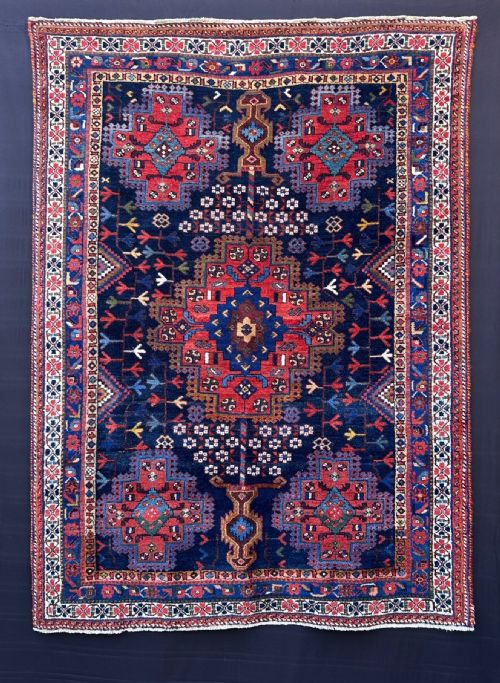
Afshar carpet weaving originates from the tribal and village groups of South Persia, particularly the Kerman province and regions such as Neiriz and Bardsir. These textiles embody distinct Persian tribal and village traditions spanning the late nineteenth century through to the early twentieth century.
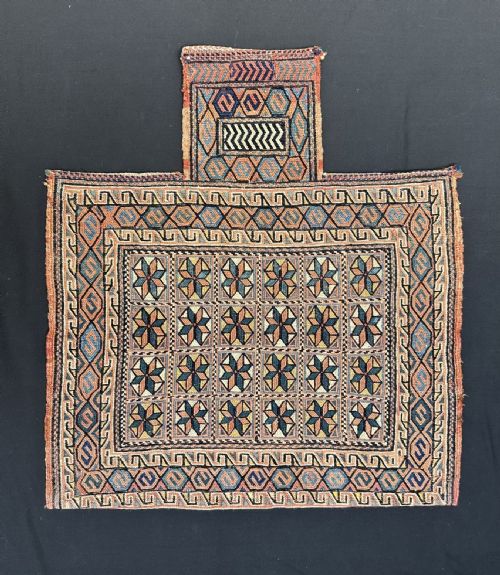
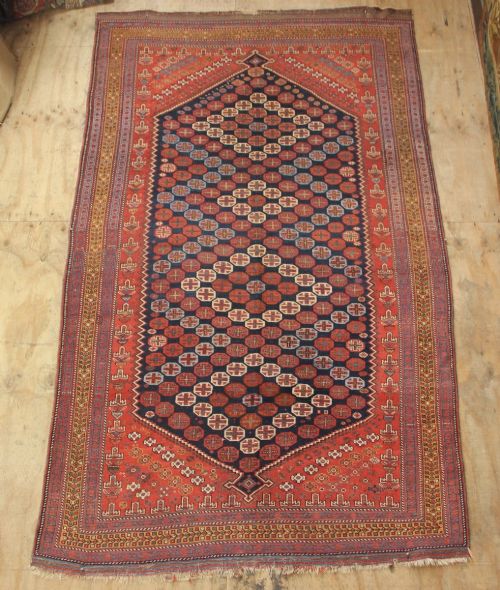
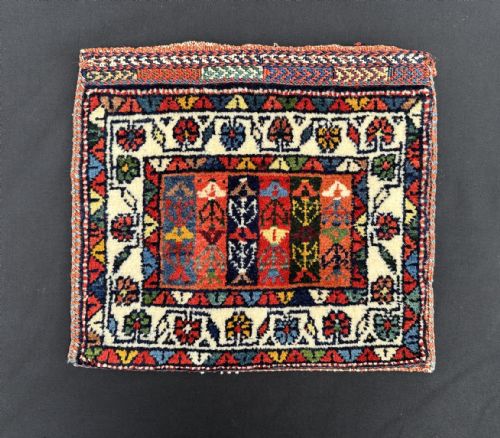
The objects available in this category extend beyond standard floor coverings to include utilitarian tribal pieces such as salt-bags, vanity-bags and soumaks. Rugs and carpets remain the most common form encountered, alongside specialised runner rugs.
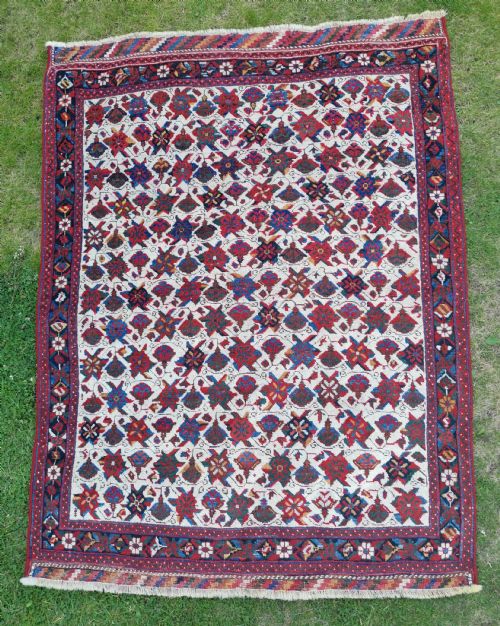
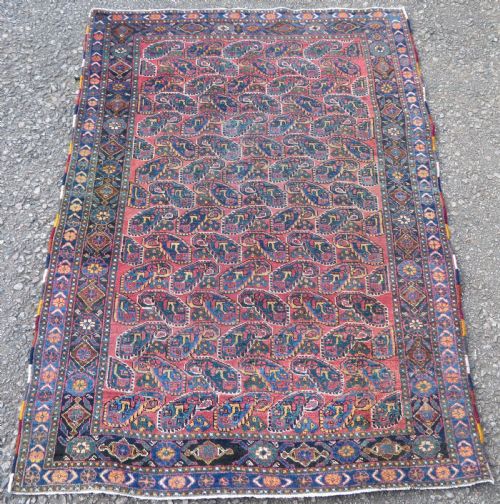
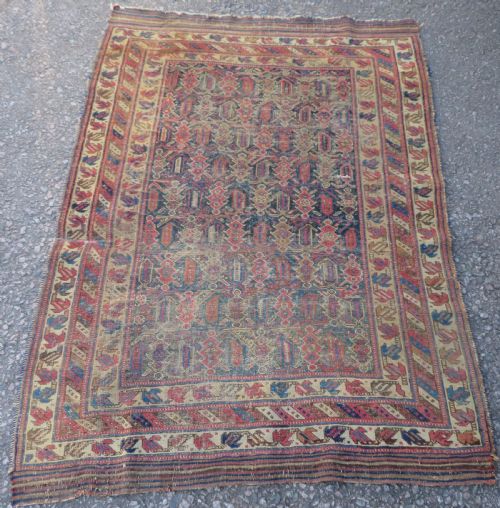
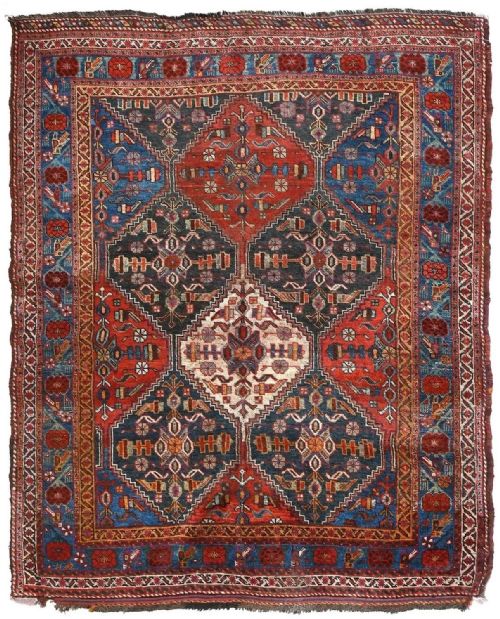
Makers utilise traditional motifs including the boteh, vase, Herati and dragon and phoenix designs upon grounds of varying colour, notably ivory.
Materials and construction
Weavers construct these pieces using wool for the pile and cotton for the foundation structure, ensuring durability alongside flexibility. Natural dyes impart the characteristic depth of colour found across these tribal textiles.
The technical execution combines village and tribal weaving methods specific to the Afshar tribes of South Persia, resulting in dense structures that withstand generations of use.
The listings span the period from 1870 to 1920, utilising wool, cotton and natural dyes across various rug and bag formats.
Factors of quality
Quality rests upon the fineness of the knotting and the crispness of the geometric design execution, which varies between individual tribal weavers. Pieces featuring complex iconography, such as dragon and phoenix or intricate vase patterns, demonstrate superior artisan skill.
The preservation of the original wool pile and the vibrancy of the natural dyes determine the overall condition and visual impact of each textile.
The Afshar Carpet Weaving Glossary
- Boteh
- A traditional Persian motif resembling a almond or bent shrub, frequently repeated across tribal rugs. This symbol appears regularly in nineteenth-century weaving.
- Herati
- A floral pattern composed of a central rosette enclosed by a medallion and flanked by curved leaves. It serves as a primary field design in village carpets.
- Soumak
- A flat-weave technique utilising a wrap-and-weft method that produces a durable textile without a cut pile. These pieces often function as storage bags or decorative coverings.
- Natural Dyes
- Colourants derived from plant and mineral sources yielding rich, variegated tones that age gracefully over decades. They distinguish older tribal pieces from later chemical dye work.
- Runner
- A long, narrow carpet format designed for corridors or hallways. Such pieces occur less frequently than standard area rugs.
Afshar Carpet Weaving: Frequently Asked Questions
How do I identify an authentic afshar carpet?
Authentic pieces display distinct South Persian tribal motifs, such as stylized boteh or Herati patterns, woven with wool on a cotton foundation.
Examination of the reverse reveals the specific knotting density and structural characteristics typical of nineteenth and early twentieth-century village production.
Where were these textiles made?
These carpets and rugs originate from the Afshar tribes settled in South Persia, particularly within the Kerman province and surrounding districts like Neiriz and Bardsir.
Nomadic and village groups produced them for both domestic utility and regional trade.
What items are included besides rugs?
The category encompasses functional tribal items including salt-bags and vanity-bags utilised in nomadic daily life, alongside flat-woven soumaks.
Runners and smaller area rugs also form part of the traditional output.
How should I care for an antique rug?
Protect the wool pile by avoiding direct exposure to harsh sunlight and by using a breathable underlay beneath the textile.
Gentle vacuuming without a rotating brush roll helps maintain the fibres without causing structural stress.