

Afghan Oriental Rug
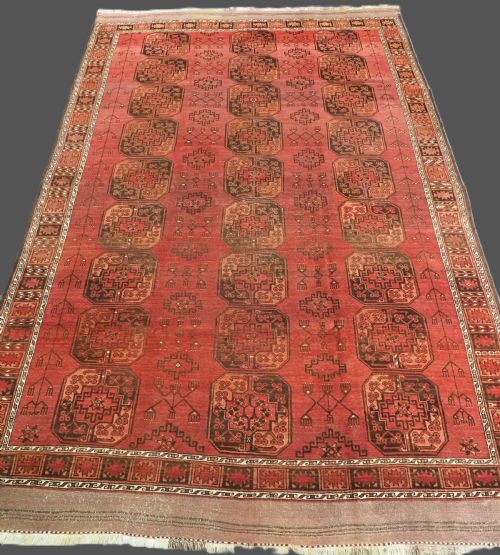
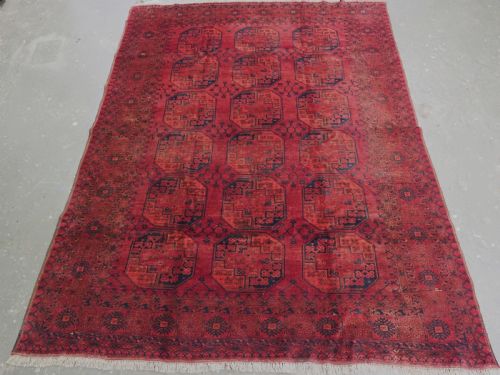
When choosing an afghan oriental rug, collectors encounter tribal woven wool floor coverings made across regional borderlands during the nineteenth and early twentieth centuries.
Afghan Oriental Rug
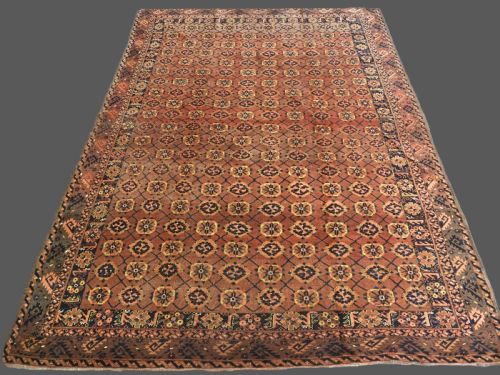
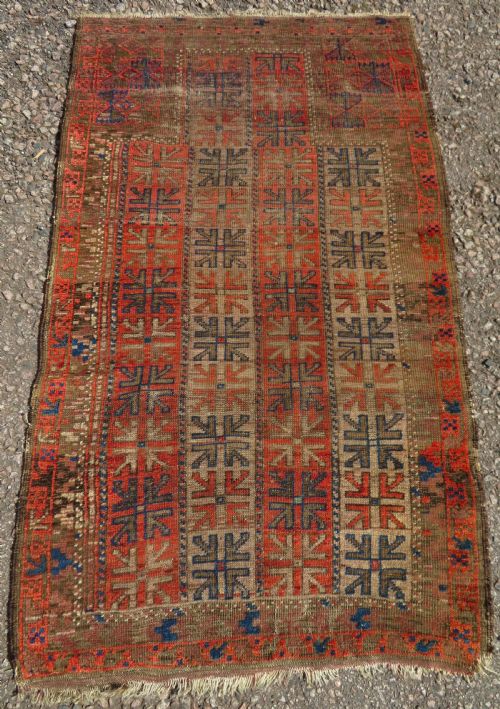
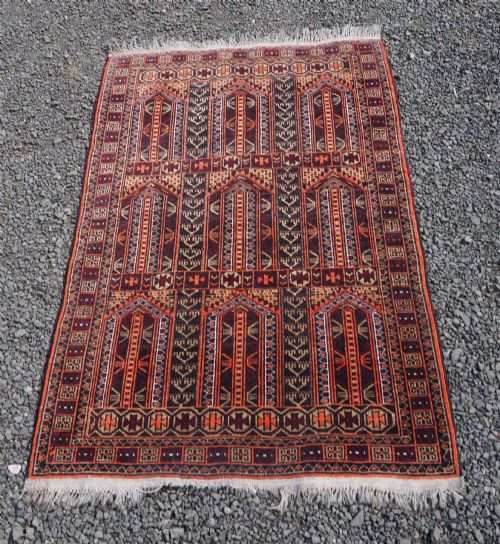
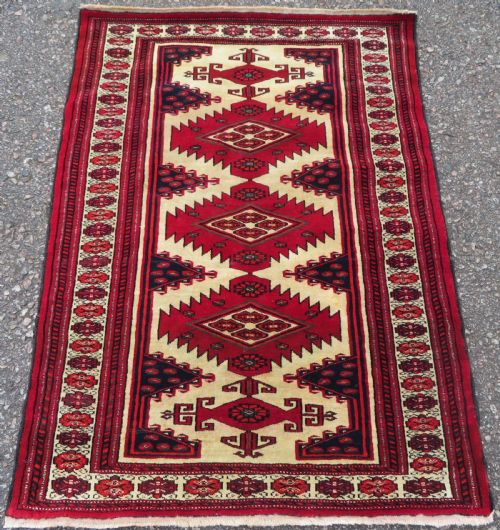
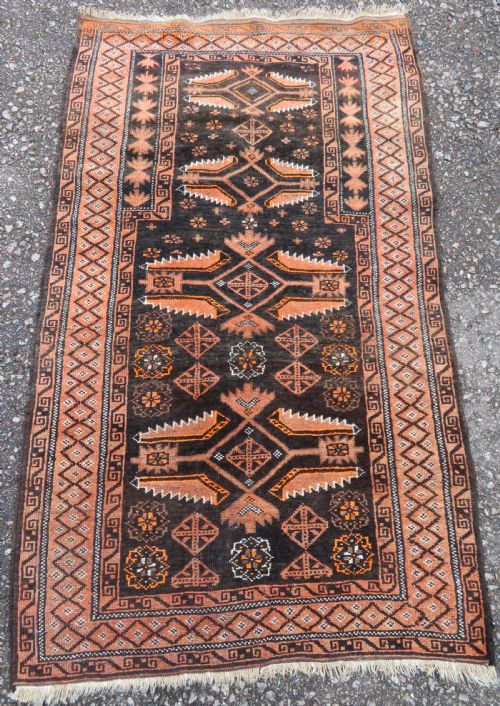
An afghan oriental rug represents the weaving traditions of nomadic and village groups across Central Asia and regional borderlands. The pieces found here span the nineteenth century up to the 1930s, encompassing tribal formats created by weavers from various regional communities.
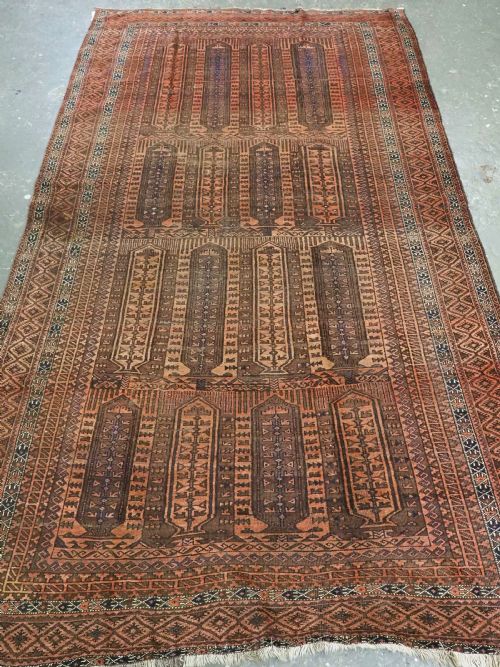
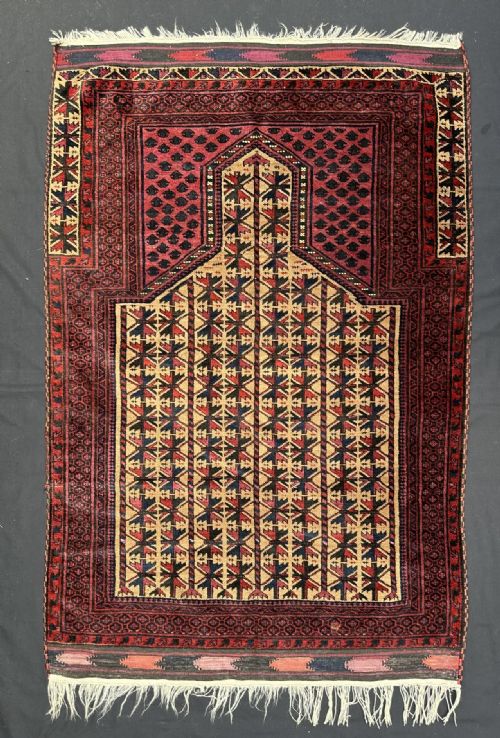
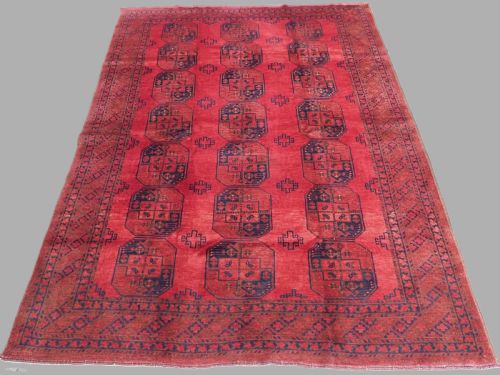
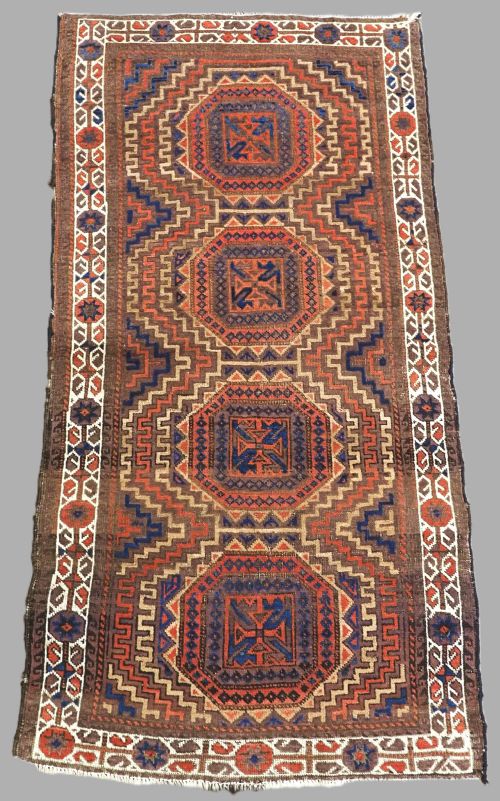
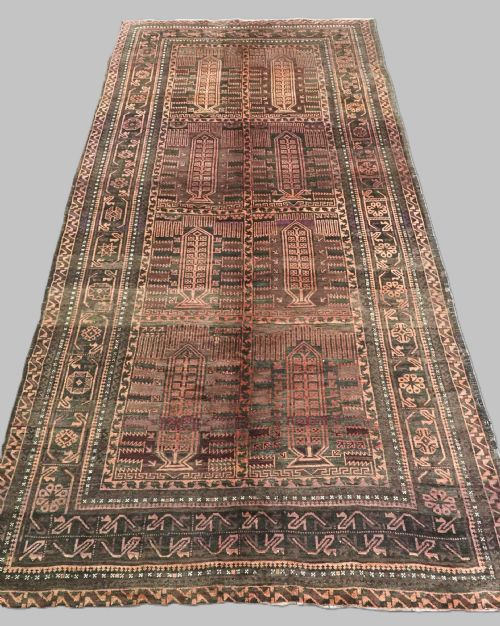
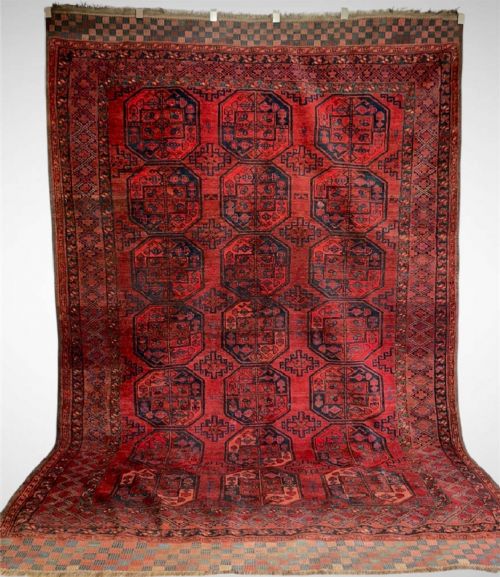
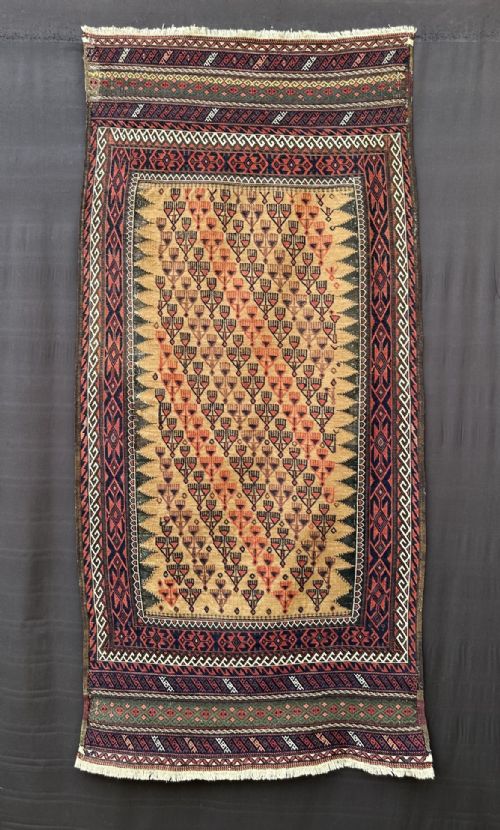
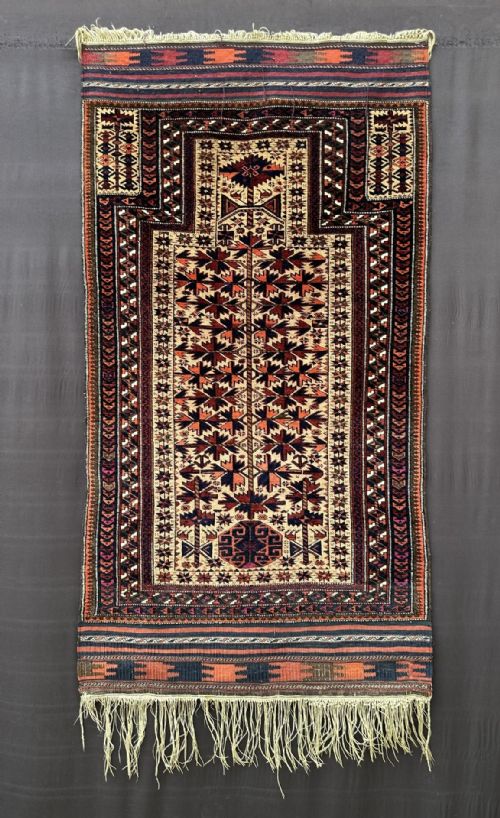
Buyers frequently encounter village carpets, main carpets, and smaller formats such as prayer rugs and sofreh. These textiles include recognizable tribal motifs like guls, double mihrabs, and geometric border designs tied to specific regional groups.
The origin often traces to northern or western Afghanistan, alongside border territories touching Persia. Each piece reflects the functional weaving methods of its makers, serving domestic utility or prayer traditions.
How They Were Made
The construction relies primarily on hand-spun wool, occasionally supplemented by cotton foundations, goat hair, or mixed technique camel wool. Weavers utilised natural dyes to achieve deep red colour palettes and secondary tones across the pile.
The textile assembly involves hand-woven knotting techniques typical of tribal workshops and village households. Long kilm ends and sturdy selvedges frequently finish the structural edges of these floor coverings.
Some prayer rugs whisper of distant nomads who tucked extra kilm ends onto their mats just to keep their toes off the cold earth.
What Varies in Quality
Quality differences stem from the fineness of the knotting and the handling of the pile. Tighter weaves and more precise geometric execution distinguish finer examples from simpler village work.
The choice of materials also creates variation, particularly where hand-spun wool and complex natural dye shades are preserved. Softer tactile quality in the wool and clarity in traditional motifs indicate superior craftsmanship.
The Afghan Oriental Rug Glossary
- Gul
- A repeating octagonal medallion motif frequently found in tribal carpets from Central Asia. This design element often serves as the primary visual identifier for specific weaving groups.
- Mihrab
- A niche design element resembling a prayer arch, commonly incorporated into prayer rugs. It points toward Mecca during Islamic devotional practice.
- Sofreh
- A flatwoven or piled spread used for dining or food preparation in nomadic households. These textile formats often display distinctive border patterns.
- Kilm
- A flatwoven textile produced without a pile, often forming the protective end finishes of carpets. This technique creates a durable, reversible fabric.
- Selvedge
- The finished side edges of a rug that prevent the foundation threads from fraying. Secure binding preserves the structural integrity of the textile.
Afghan Oriental Rug: Frequently Asked Questions
What is an afghan oriental rug?
An afghan oriental rug is a hand-woven textile created by tribal or village weavers in Central Asian borderlands during the nineteenth and early twentieth centuries. These pieces utilise traditional wool and natural dyes to form functional floor coverings and prayer mats.
Collectors value these textiles for their distinct geometric motifs, regional colour palettes, and historical connection to nomadic groups like the Baluch, Ersari, and Timuri.
How were these rugs used originally?
Nomadic and village households utilised these carpets for daily domestic life, including seating, tent decoration, and sleeping surfaces. Specialised formats like prayer rugs and dining sofreh served specific ritual and culinary functions within the community.
The durability of hand-spun wool allowed these textiles to withstand heavy daily wear inside traditional dwellings and temporary camps.
How do I care for an antique rug?
Proper maintenance involves regular gentle vacuuming without a beater bar to protect the wool pile and delicate foundation threads. Keeping the textile away from direct sunlight prevents the natural dye colours from fading over time.
Professional cleaning tailored for antique wool textiles ensures that hand-spun fibres remain undamaged and structurally sound.