
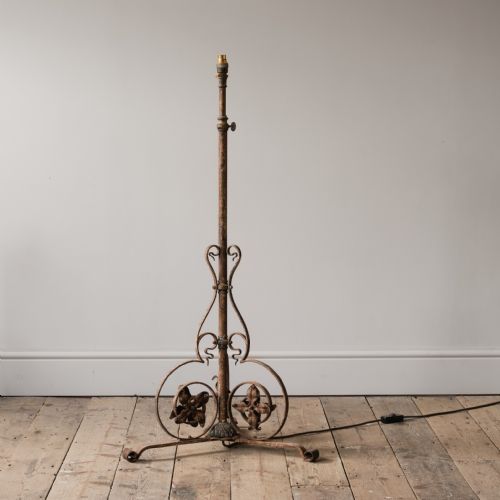
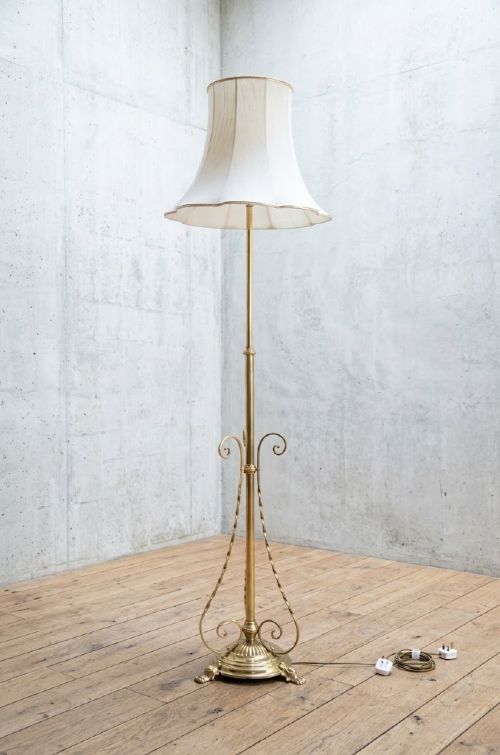
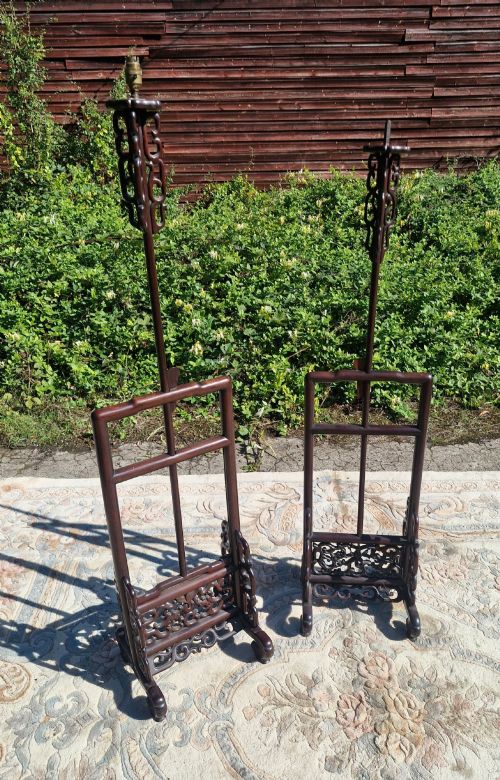
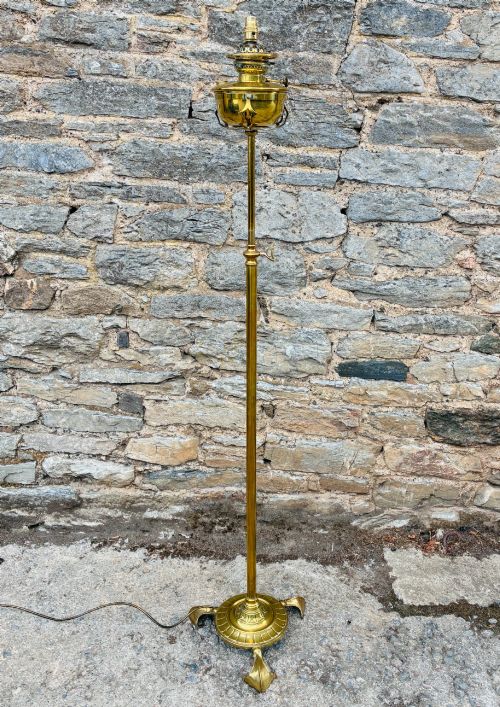


Adjustable Standard Lamp
When you need a light that shifts to suit your room, an adjustable standard lamp delivers height and focus.

What an adjustable standard lamp is
An adjustable standard lamp is a tall floor-standing light designed to alter its height or project its light source across a room. Buyers seek these pieces for their mix of utility and period presence in a drawing room or study.
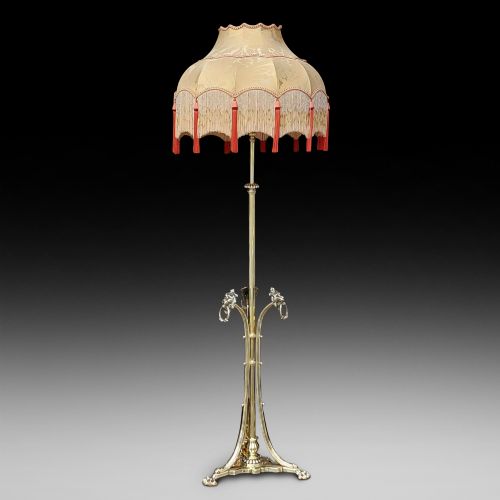
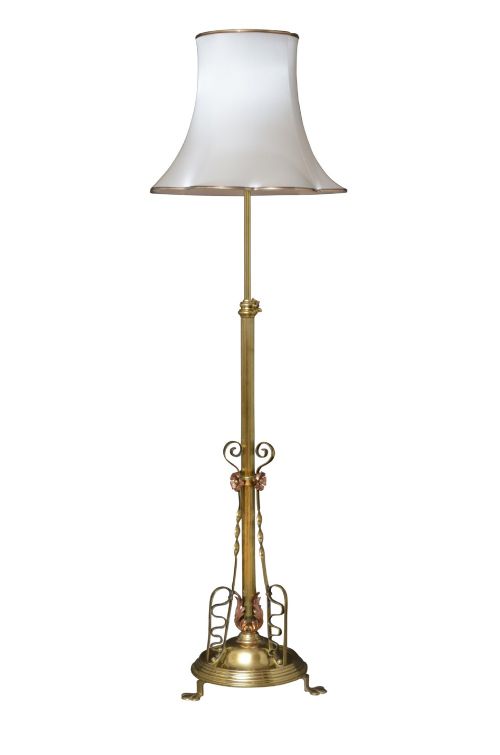
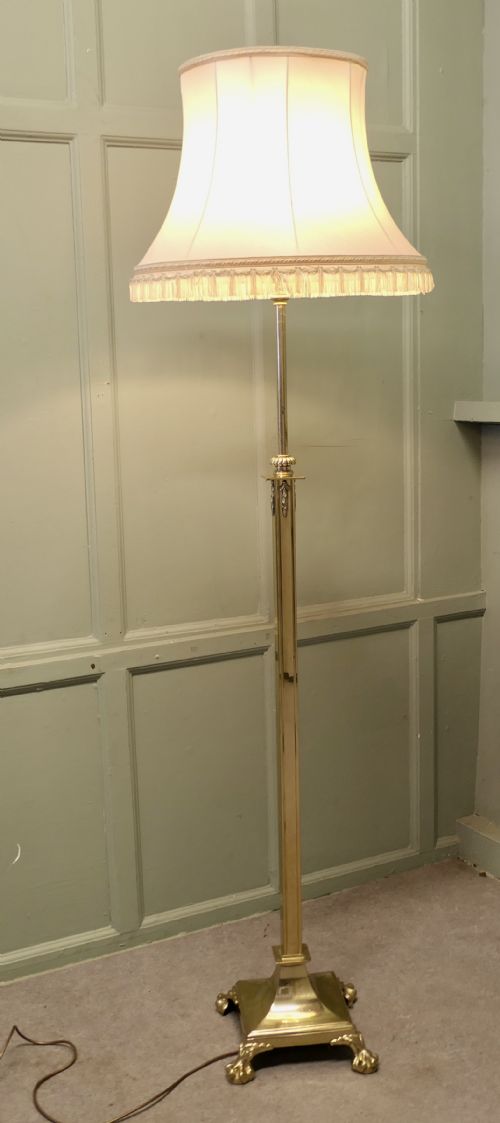
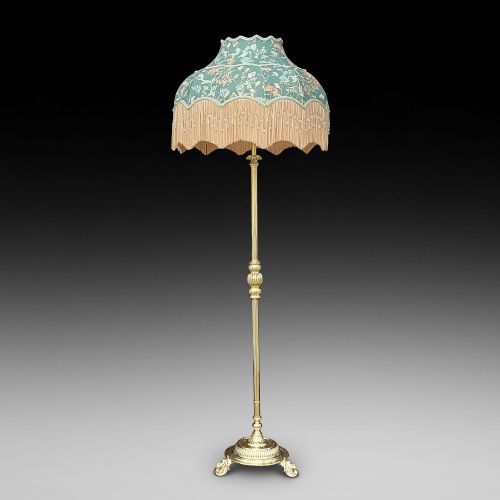
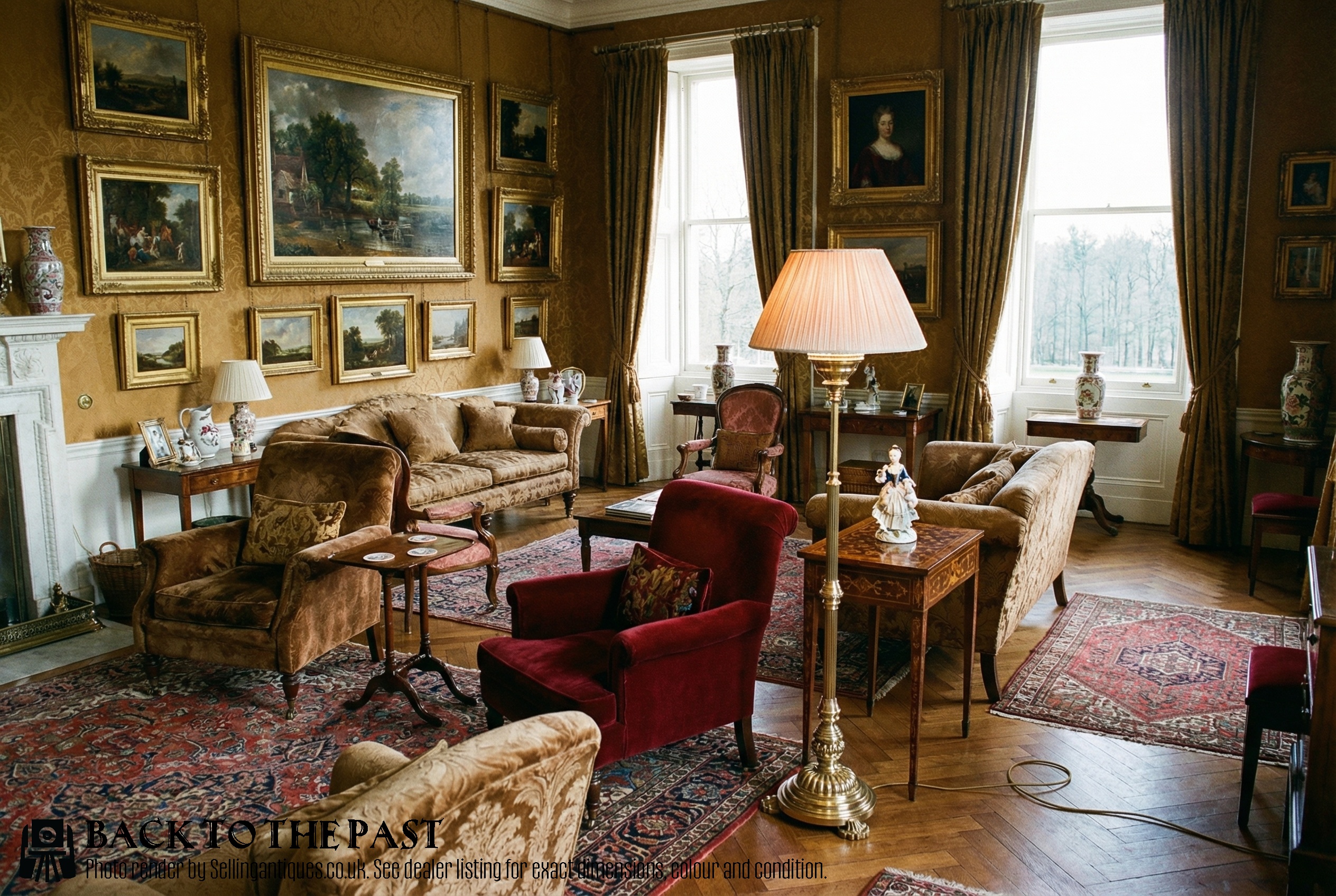
The most common version found here is made of polished brass, often standing on a weighty column and paired with a fabric shade. Examples span the nineteenth century and the early decades of the twentieth century.
These lamps frequently arrive with telescopic stems or pivoting arms. Such mechanisms allowed original users to read by the light or cast illumination across a specific corner.
How they were made
Makers fashioned these upright lights using heavy cast metals like brass, copper, and iron to keep the tall structure stable. Telescopic sections relied on sliding inner tubes secured by thumbscrews or keys.
Surface treatments included polished finishes on brass and copper, alongside painted and gilded decoration on wrought iron. Wiring was added later to older oil lamps, converting burners into electric fittings.
Retail Price Guide 2026
Typical UK retail prices for adjustable standard lamp, calculated from the Sellingantiques database of over a million retail prices indexed since 2003. This retail price guide relies exclusively on Sellingantiques data; no external sources or auction records are used, so the figures do not describe the wider market.
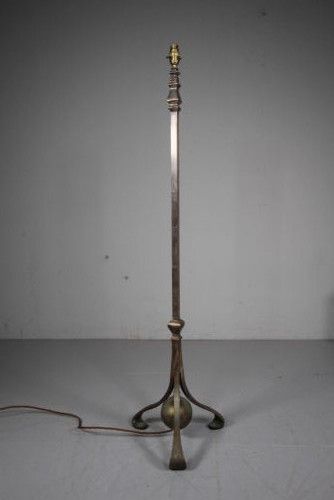
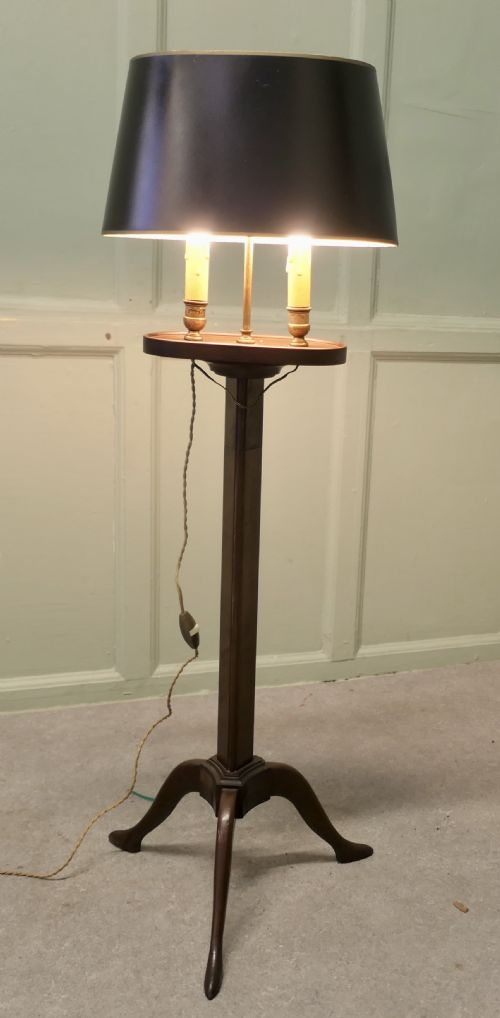
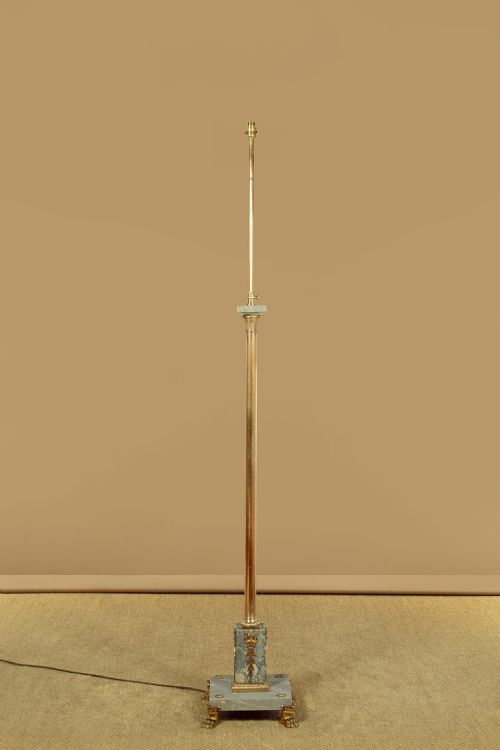
Listings feature standard lamps spanning the Victorian era, Arts and Crafts movement, and 1920s Art Deco period in brass, copper, and wrought iron.
What varies in quality
The weight of the base dictates the stability of the entire column. Finer examples utilise heavy cast brass or weighted iron to prevent tipping when the arm extends outward.
The precision of the sliding mechanism separates standard production from superior workshop output. Smooth telescoping action without wobble indicates careful turning and fitting of the internal brass tubes.

W A S Benson
The Adjustable Standard Lamp Glossary
- Telescopic
- A design utilising nested metal tubes that slide within one another to alter the height of the lamp. This mechanism is common in brass standard lamps from the nineteenth century.
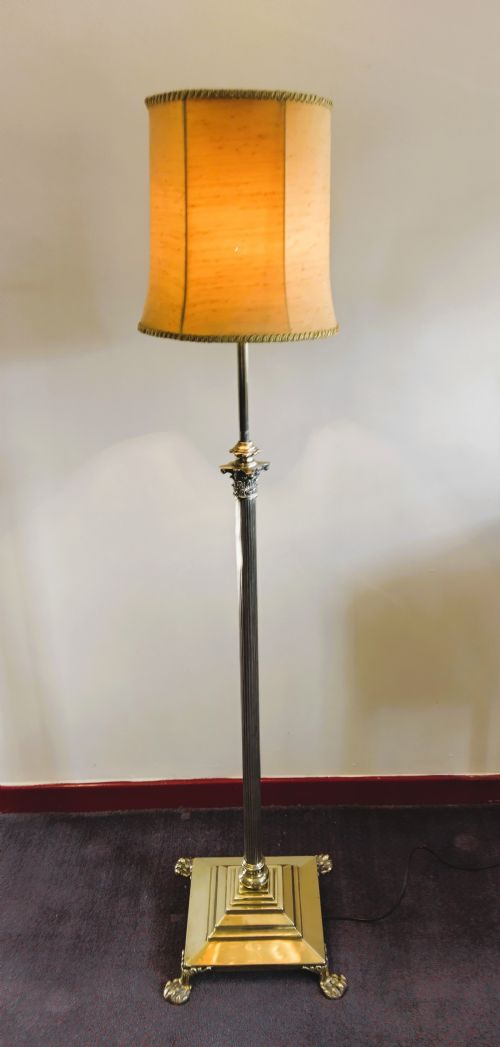
- Corinthian Column
- An architectural column form featuring an ornate capital decorated with acanthus leaves. This classical style appears frequently on polished brass lamp shafts.
- Standard Lamp
- A traditional British term for a tall floor lamp designed to stand upright on the floor. These pieces historically lit drawing rooms and parlours.
- Arts and Crafts
- A design movement prioritising visible handcrafting, simple utility, and honest materials. Copper and brass floor lamps from this tradition often display hammered surfaces or riveted joints.
Frequently Asked Questions
How do I adjust the height on these lamps?
Many models use a sliding telescopic stem secured by a small thumbscrew or key. Loosening this screw allows the inner brass tube to rise or drop before tightening it again.
Some variants employ a pivoted arm near the top. This lets the light swing horizontally without altering the main vertical post.
Were these originally electric lights?
Most nineteenth-century examples started life as oil lamps or paraffin burners before conversion to electricity. Brass oil reservoirs and burner galleries were adapted to hold bulb holders and flex.
Later pieces from the twentieth century were manufactured specifically for electric wiring. Surviving fittings often show the transition from older dual-purpose designs.
How do I date a brass standard lamp?
Dating relies on stylistic details, column forms, and manufacturing marks. Neoclassical and Corinthian column styles point towards Victorian production, whilst cleaner lines often indicate Edwardian or 1920s work.
Examine the base weight, switch type, and wiring exit points for clues. Patina on the brass also develops over decades of cleaning and exposure.
Can these lamps support heavy shades?
Stability depends entirely on the weight of the base and the thickness of the upright column. Heavy fabric or silk damask shades require a substantial cast brass or iron foot to prevent tipping.
When adjusting the arm outward, the centre of gravity shifts significantly. Placing the lamp on a level floor ensures the structure remains secure.