

Antique Floor Lighting
Antique floor lighting brings character and height to a room through standards, torcheres and converted oil lamps dating from past centuries.

Antique Floor Lighting
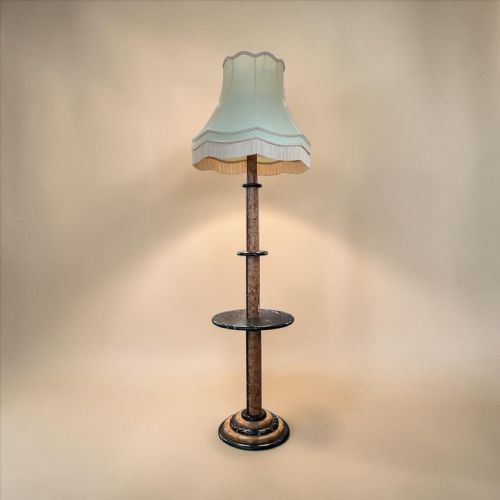
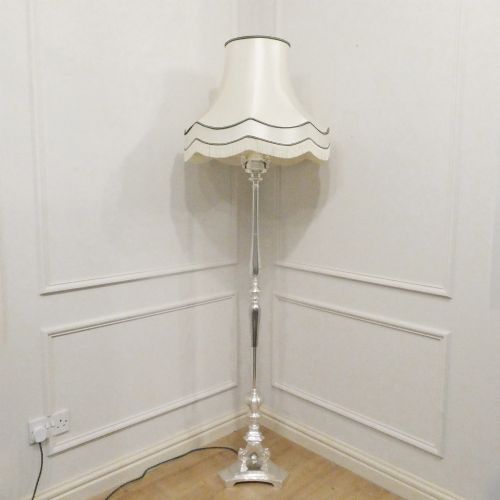
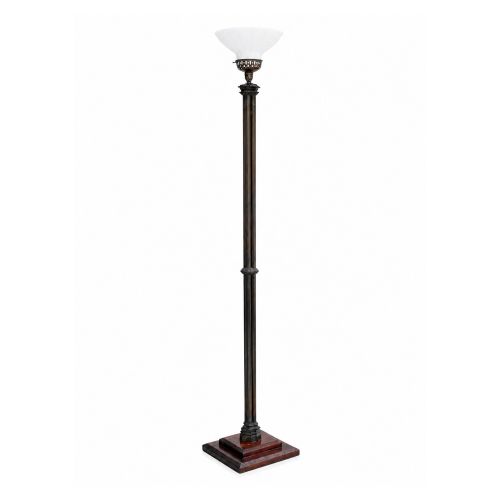
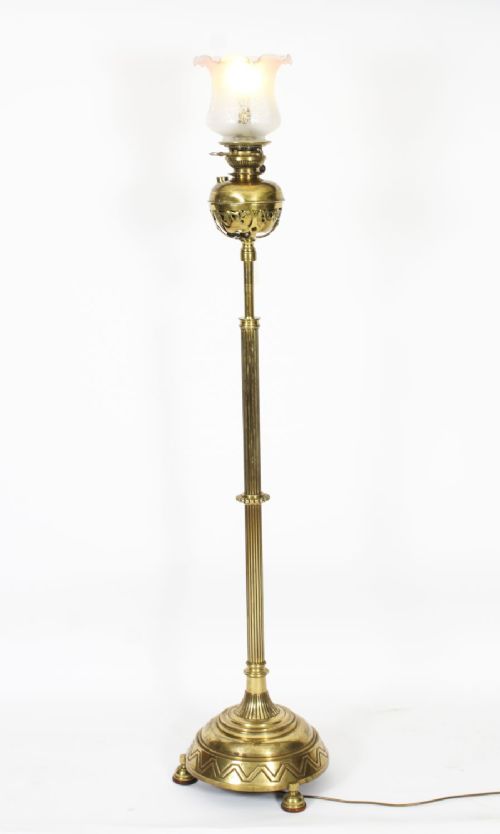
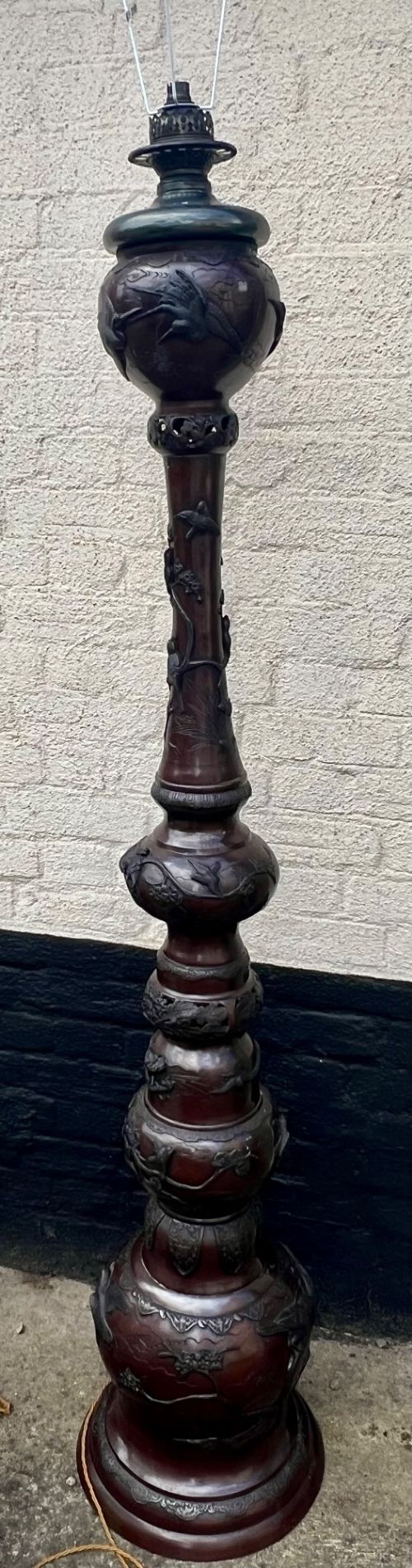
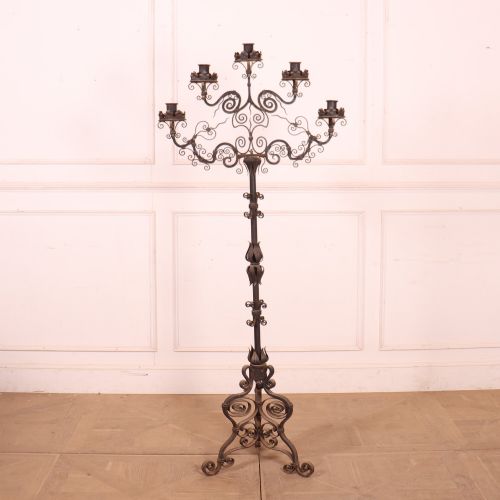
Antique floor lighting encompasses standard lamps, torcheres, candle stands and floor candelabras designed to illuminate rooms from standing positions. When exploring antique floor lighting, buyers frequently encounter Victorian and Edwardian standard lamps alongside earlier torcheres.
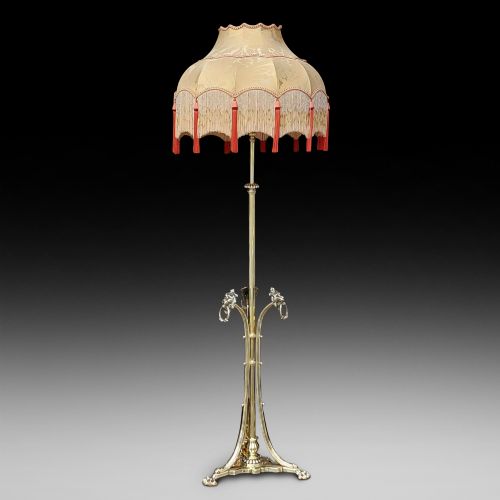
The selection ranges from functional adjustable brass oil lamps to decorative pieces in mahogany, walnut, oak and lacquer. Styles span from Gothic Revival and Art Deco to Chinoiserie and Neoclassical designs.
Many examples began life holding candles or burning oil before receiving later electrical conversions. These pieces bring functional height and period craftsmanship directly into living spaces.
Materials and construction
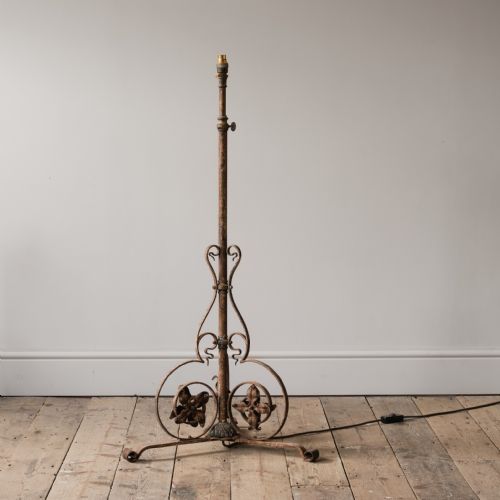
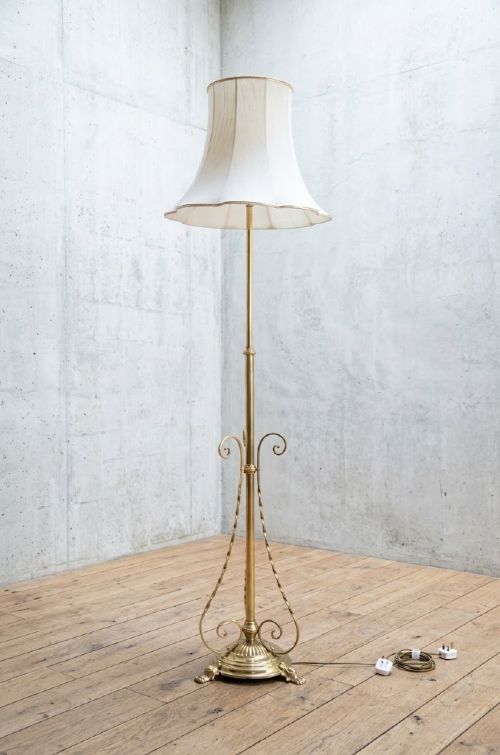
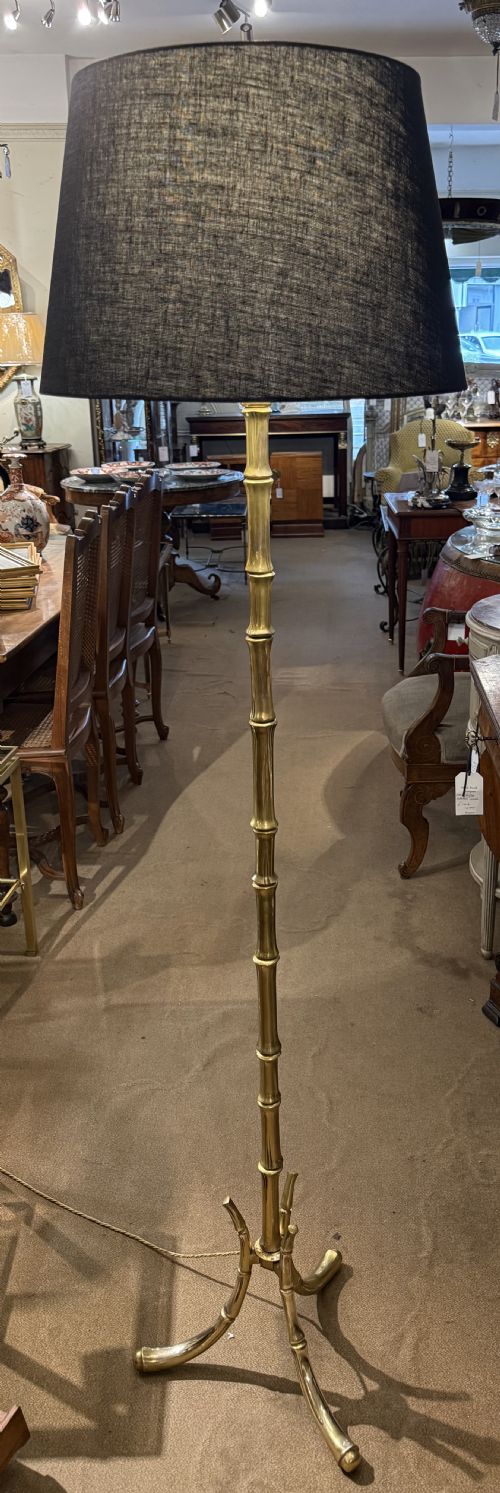
Metalwork forms a significant portion of these pieces, utilising cast iron, bronze, copper, silver plate and brass to create telescopic columns and heavy bases. Smiths and founders employed casting, patination and silver-plating techniques to achieve durable, decorative shafts.
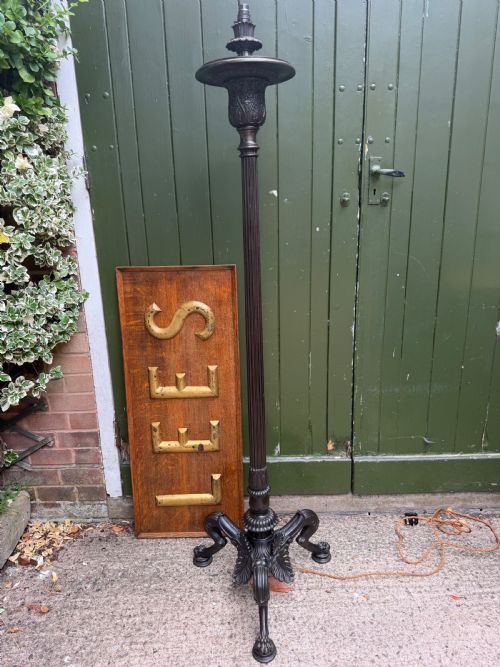
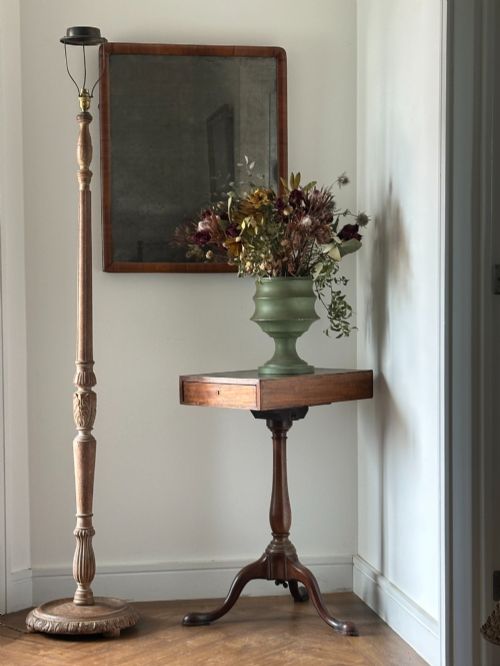
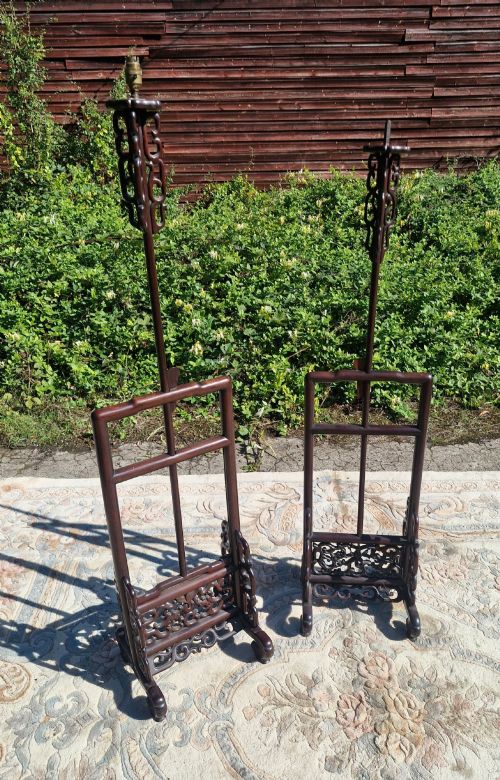
Cabinetmakers worked with timbers including walnut, oak, satinwood, mahogany and lacquered finishes, often incorporating hand-carving and gilding. These wooden standards rely on solid turnings and joined pedestals to support tall vertical designs safely.
Some tall standard lamps spent decades illuminating games of whist before getting a cheeky electrical wire tucked inside.
Distinctions in craftsmanship
Quality rests in the weight and integrity of the materials, from heavy cast bronze and solid carved hardwoods to thin plated metals and lightweight timber. Superior examples exhibit crisp detail in cast ornamentation, careful hand-carving on wood and stable, well-balanced pedestals.
Design ambition separates standard production from exceptional pieces, visible in adjustable mechanisms that function smoothly and decorative programmes like fine Chinoiserie lacquer or neoclassical giltwood carving.
Maison Bagues·WMF
The Antique Floor Lighting Glossary
- Torchere
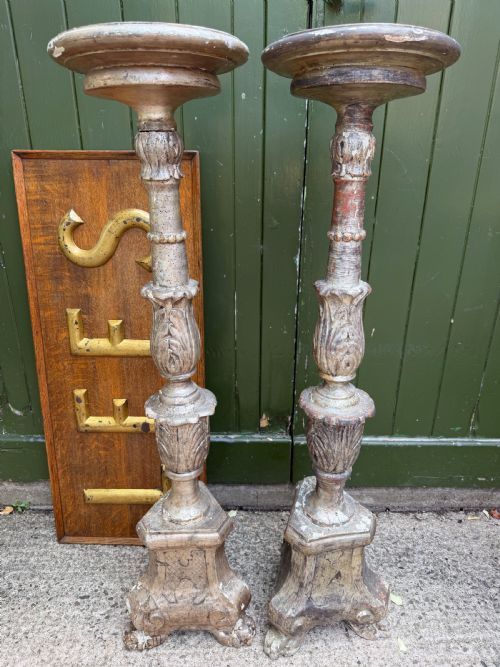
- A tall ornamental stand originally designed to hold a torch or candle. These slender supports date back to the eighteenth century and often feature carved and gilded timber.
- Standard lamp
- A freestanding floor lamp designed to hold a light bulb and shade. This common term appears frequently across twentieth-century and Victorian pieces.
- Telescopic
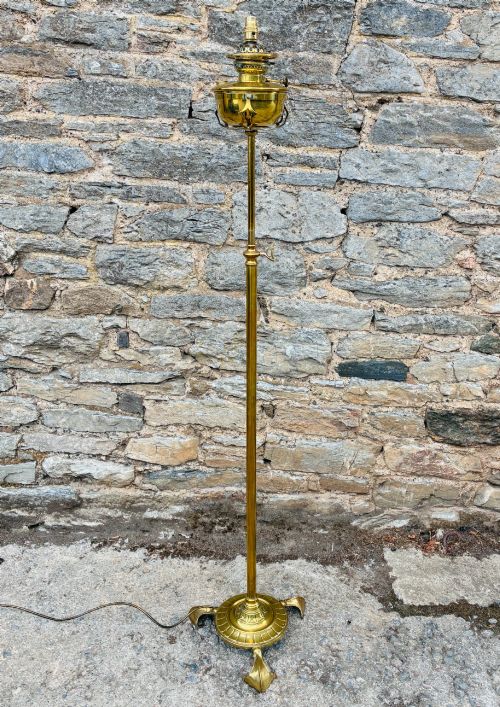
- An adjustable mechanism allowing the height of the lamp shaft to rise and fall. This feature is particularly common on nineteenth-century brass oil lamp conversions.
- Bouillotte
- A type of lamp featuring adjustable twin candles or lights, adapted from traditional card game illumination. These compact designs sit on smaller vertical stands.
- Chinoiserie
- European decorative style reflecting Chinese artistic traditions, often seen on lacquered lamp standards. These pieces feature hand-painted motifs on dark backgrounds.
Antique Floor Lighting: Frequently Asked Questions
How do I light an antique oil lamp conversion?
Converted oil lamps retain their original brass or bronze burner fittings, which now conceal modern electrical wiring and bulb holders. You simply plug the cord into a wall socket and operate the light via a switch on the flex or lampholder.
Keep the original metal parts clean with a dry cloth and avoid harsh chemical polishes that might strip the historic patination from the brass or bronze surfaces.
Where should I place a floor torchere?
Floor torcheres and candle stands work well in corners or beside heavy furniture where their height can draw the eye upward. Their slender wooden or gilded shafts occupy minimal floor space while adding vertical presence to a room.
Ensure the heavy base rests on a level surface so the tall structure remains stable, particularly in rooms with heavy foot traffic or children.
How do I identify a Victorian standard lamp?
Victorian standards often feature heavy brass telescopic columns, stepped cast-iron bases, and fittings designed originally for oil burning. You may also find turned walnut or mahogany timber shafts reflecting nineteenth-century revival styles.
Examine the weight of the metal and the wear on the base to understand how the piece has aged over the decades.