
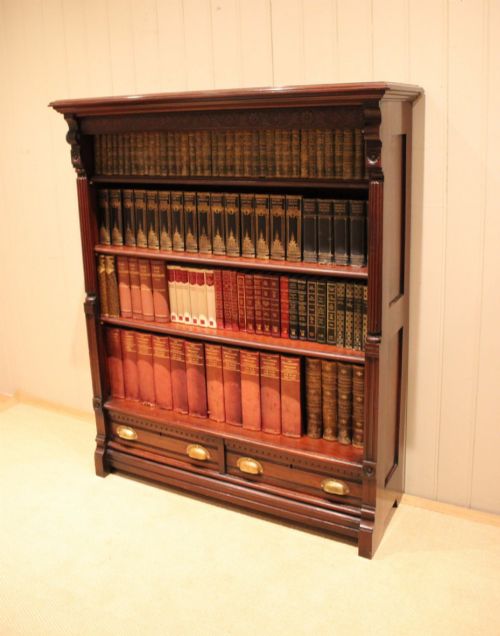
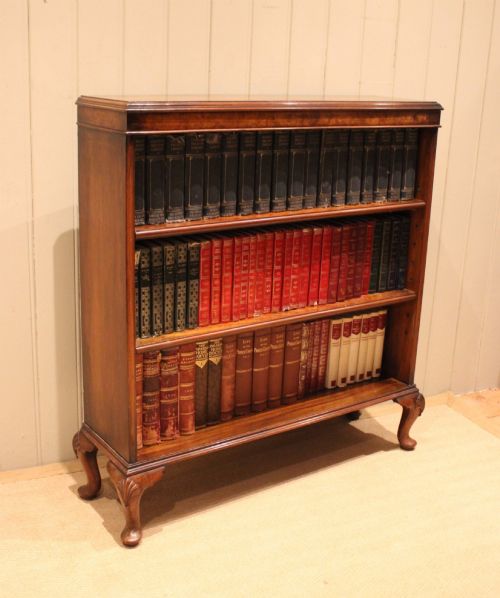
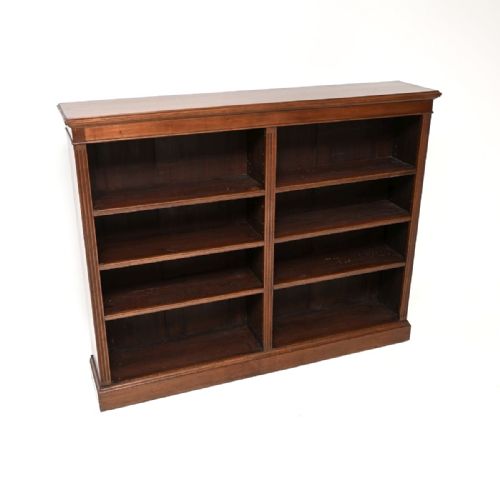
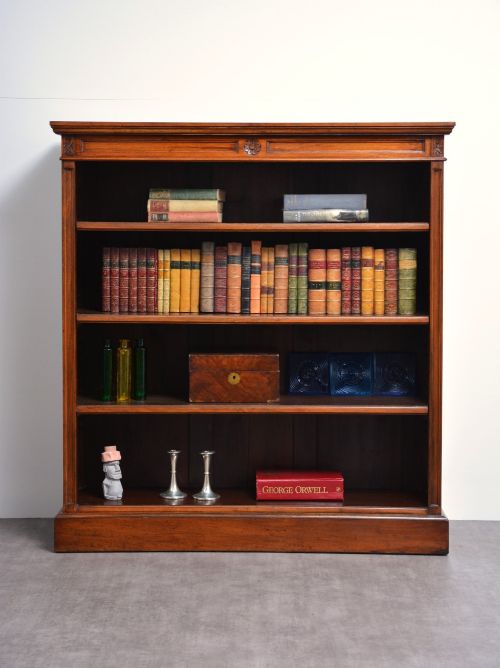
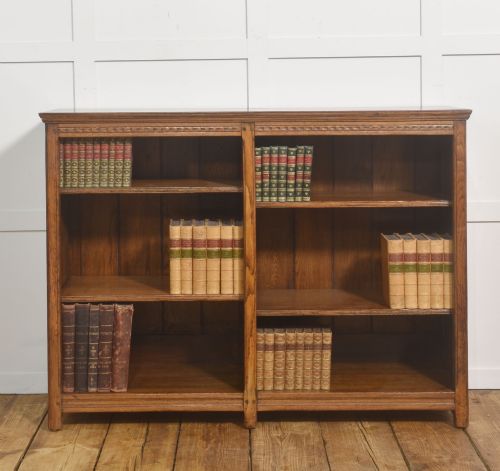
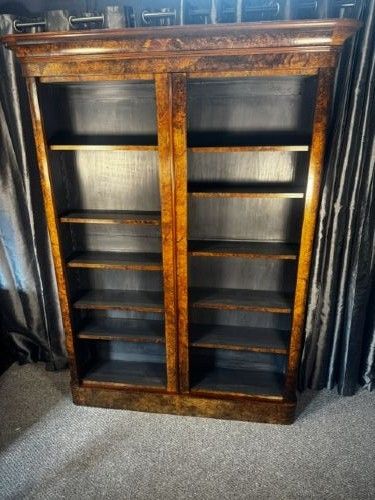
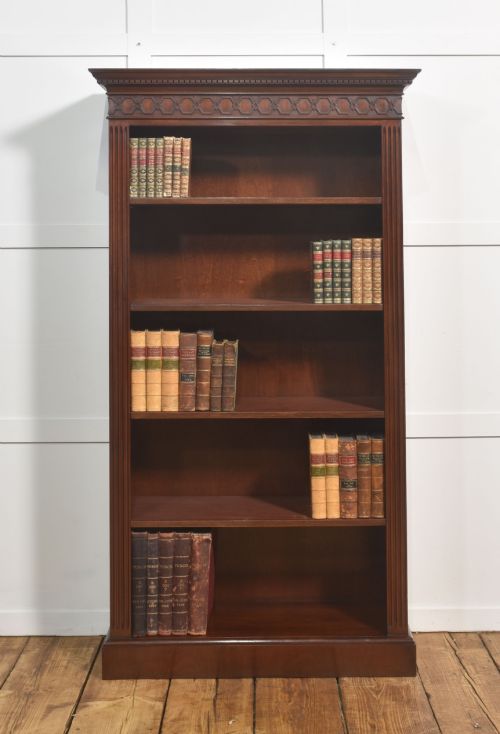
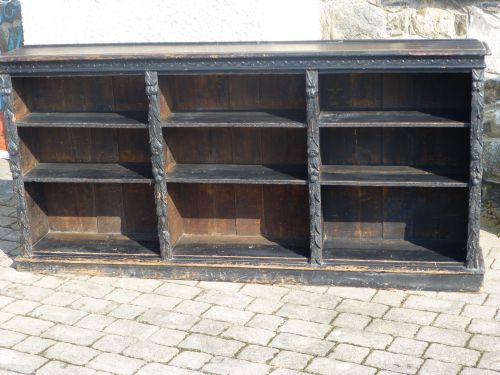
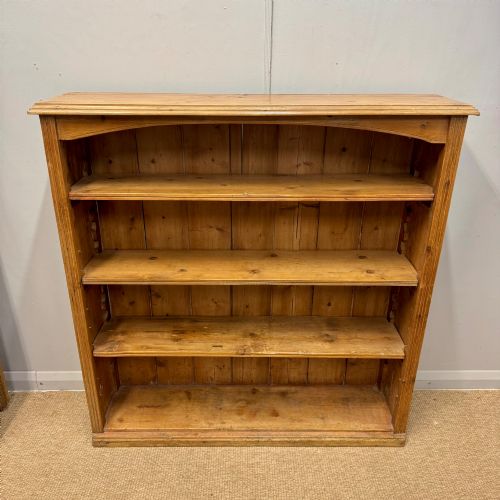
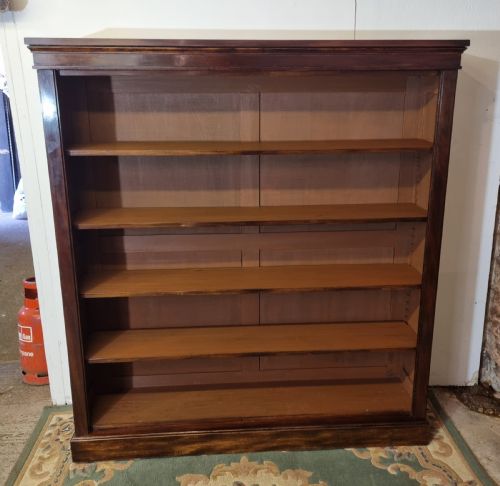
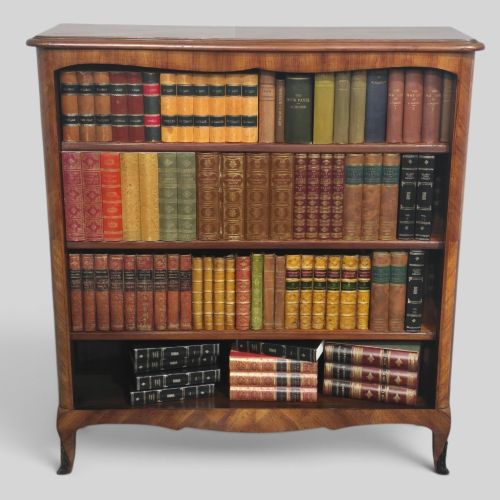
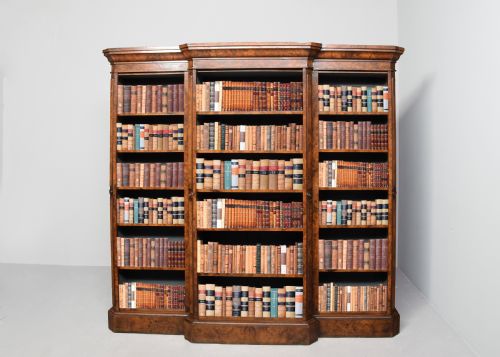
Adjustable Open Bookshelf
An adjustable open bookshelf offers versatile storage for a growing library while keeping volumes within easy reach.
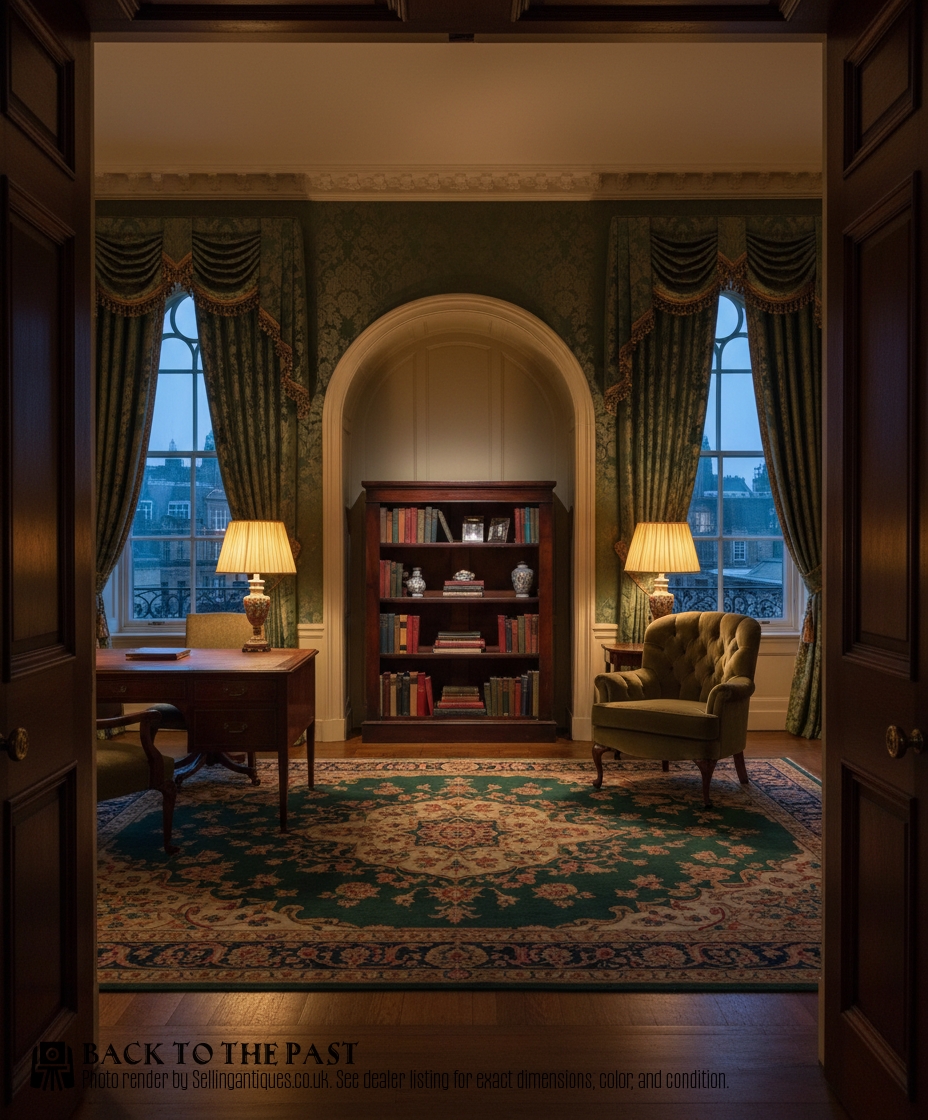
Adjustable Open Bookshelf
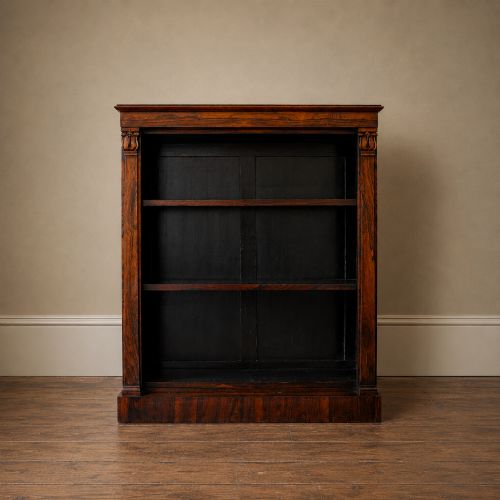
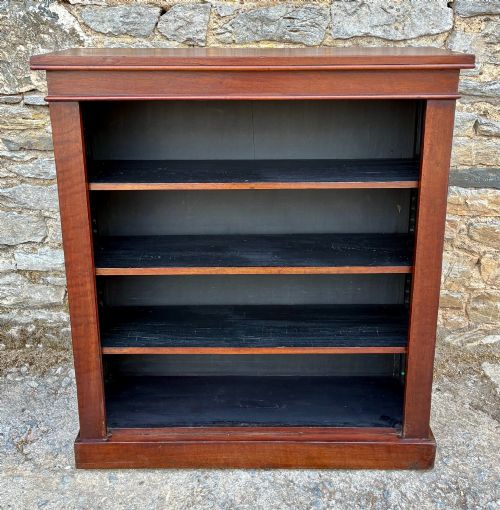
An adjustable open bookshelf provides immediate access to collections without the barrier of glass doors. These items appear primarily from the nineteenth and early twentieth centuries, spanning Victorian, Edwardian and later periods.
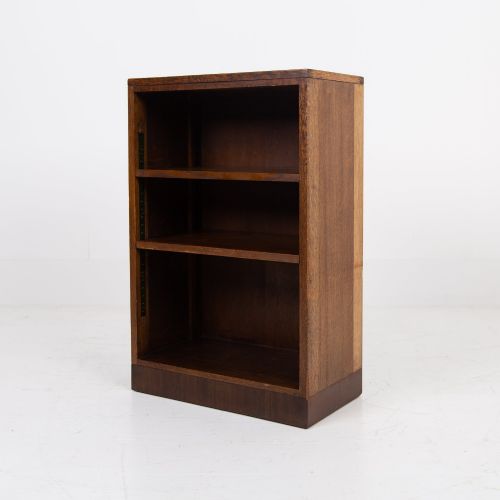
The form ranges from low dwarf units to large breakfront library bookcases designed for substantial collections. Buyers encounter pieces configured in mahogany, oak, walnut and pine, reflecting the domestic and institutional interiors of their origin.
Materials and Construction
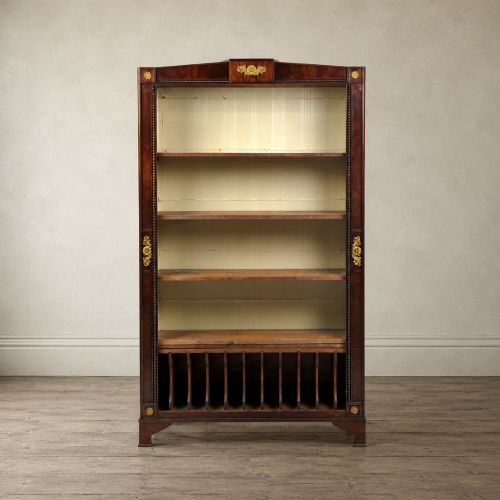
Cabinet makers utilised dense hardwoods such as mahogany, oak and rosewood alongside softer timbers like pine, frequently applying veneers of walnut or burr walnut to primary surfaces. Metal mechanisms, often in brass, support the adjustable shelf systems within the carcass.
Joinery techniques include breakfront construction and carved detailing, sometimes featuring ebonised finishes, leather tops or patinated marble surfaces depending on the stylistic influence of the period.
The listings on this page span the Victorian and Edwardian eras through to the 1930s, constructed predominantly in mahogany, oak, walnut and pine.
Distinctions in Quality
Quality rests upon the integrity of the timber selection and the precision of the shelf adjustment mechanism. Heavier hardwoods and refined cabinet work separate utilitarian pieces from grander library furniture.
Proportion and execution define the distinction, with superior examples exhibiting thoughtful mouldings, balanced breakfront configurations and robust internal supports designed for heavy volumes.
Waring and Gillows
The Adjustable Open Bookshelf Glossary
- Breakfront
- A cabinet design where the central section projects forward from the flanking wings. This configuration adds architectural depth to larger library bookcases.
- Dwarf bookcase
- A low piece of furniture designed to sit beneath dado height. These units allow wall space above for pictures or mirrors.
- Ebonised
- Timber treated with a dark stain or finish to imitate ebony. This technique was popular in nineteenth-century decorative pieces.
- Veneer
- A thin layer of figured wood applied over a secondary timber base. Burr walnut and rosewood frequently appear in this format to display grain patterns.
Adjustable Open Bookshelf: Frequently Asked Questions
How do adjustable shelves function in these bookcases?
Internal uprights feature rows of holes or metal ratchets that allow shelf supports to be repositioned at various heights. This adaptability accommodates books of differing vertical formats.
Older systems rely on wooden fillets or brass pins, requiring manual adjustment when reorganising a shelf layout.
Where were these bookcases originally used?
Such pieces served primarily in domestic libraries, studies and formal drawing rooms to house working collections of literature. Larger breakfront examples equipped institutional libraries and country house reading rooms.
Low dwarf versions suited smaller Victorian and Edwardian parlours where vertical wall space was limited.
How do I date an antique open bookshelf?
Dating relies on timber choice, construction methods and stylistic markers such as Victorian Gothic detailing or Edwardian simplicity. Oak and mahogany dominate the earlier nineteenth-century pieces, while lighter pine and walnut appear towards the twentieth century.
Patination on the wood surfaces and the specific style of the shelf adjustment hardware also indicate the era of manufacture.
Are these bookcases suitable for modern homes?
Their open format provides practical, accessible storage that integrates easily into contemporary living spaces and home offices. The variety of scales ensures that options exist for both compact rooms and expansive walls.
Placing them away from direct heat sources helps preserve the antique timber and veneer over time.