
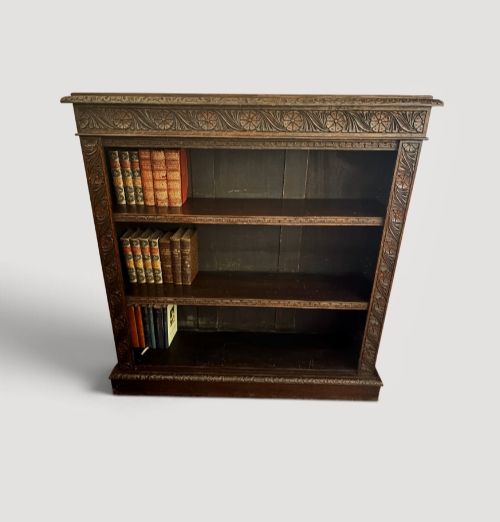
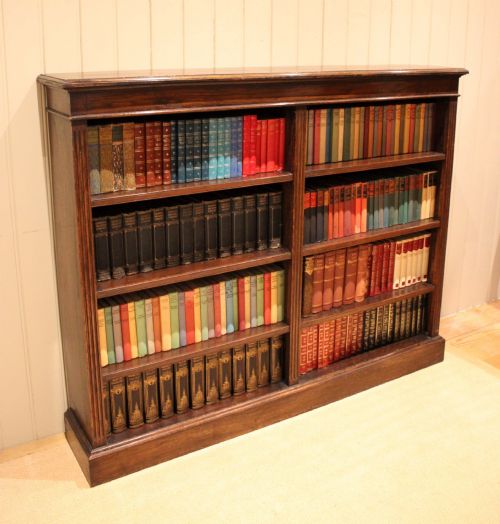
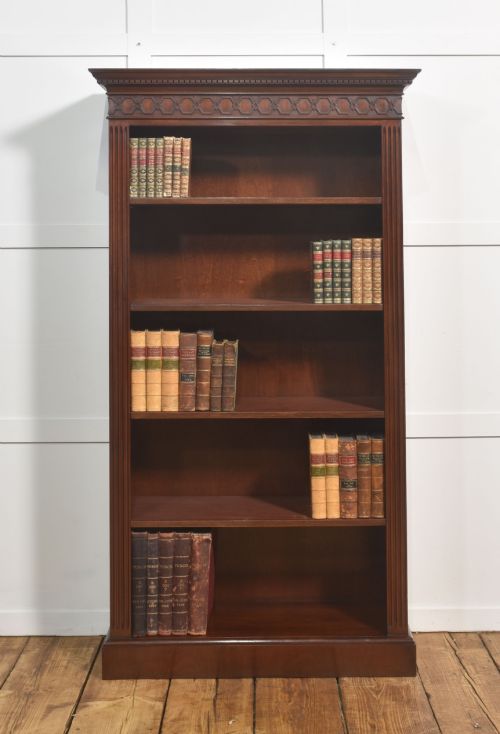
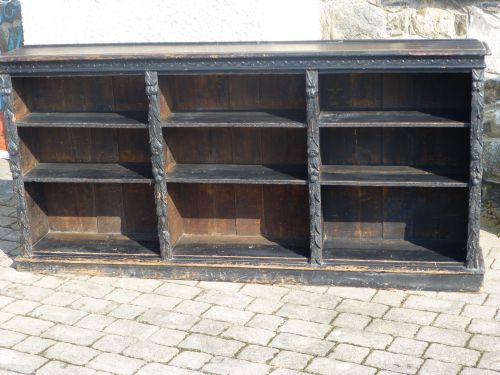
Victorian Bookshelf Dark Wood
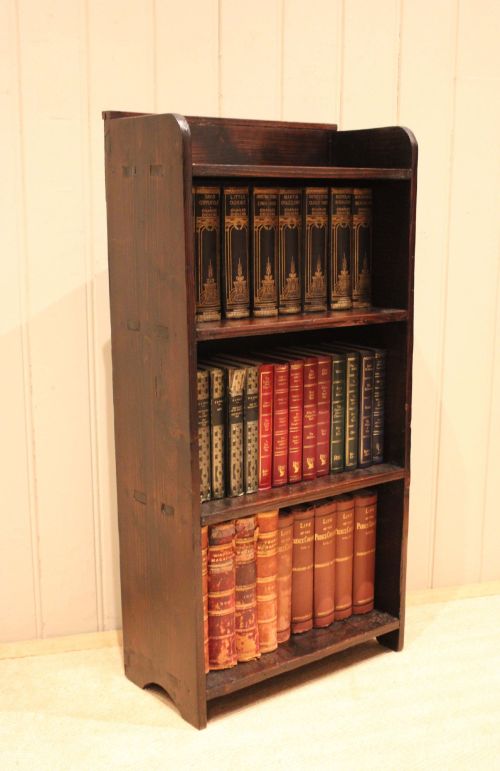
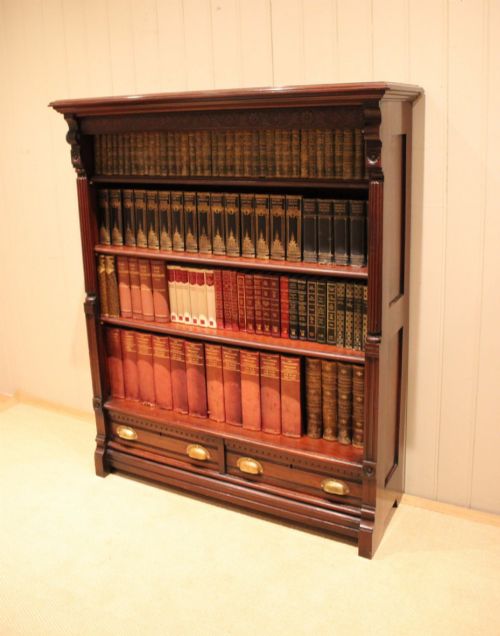
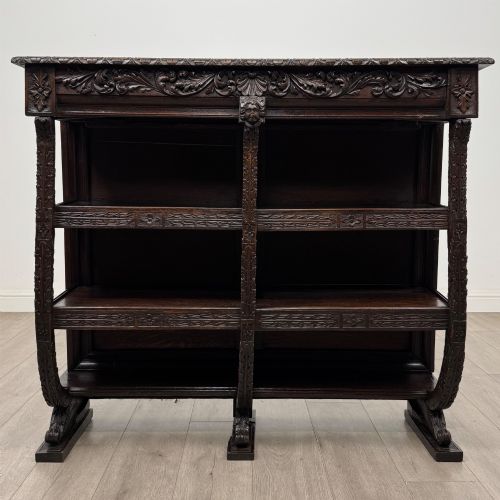
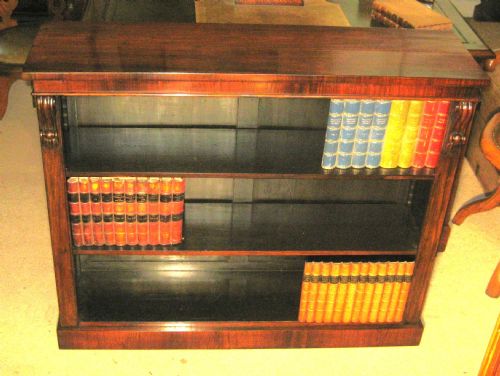
These pieces of victorian bookshelf dark wood are practical timber storage units built to hold libraries.
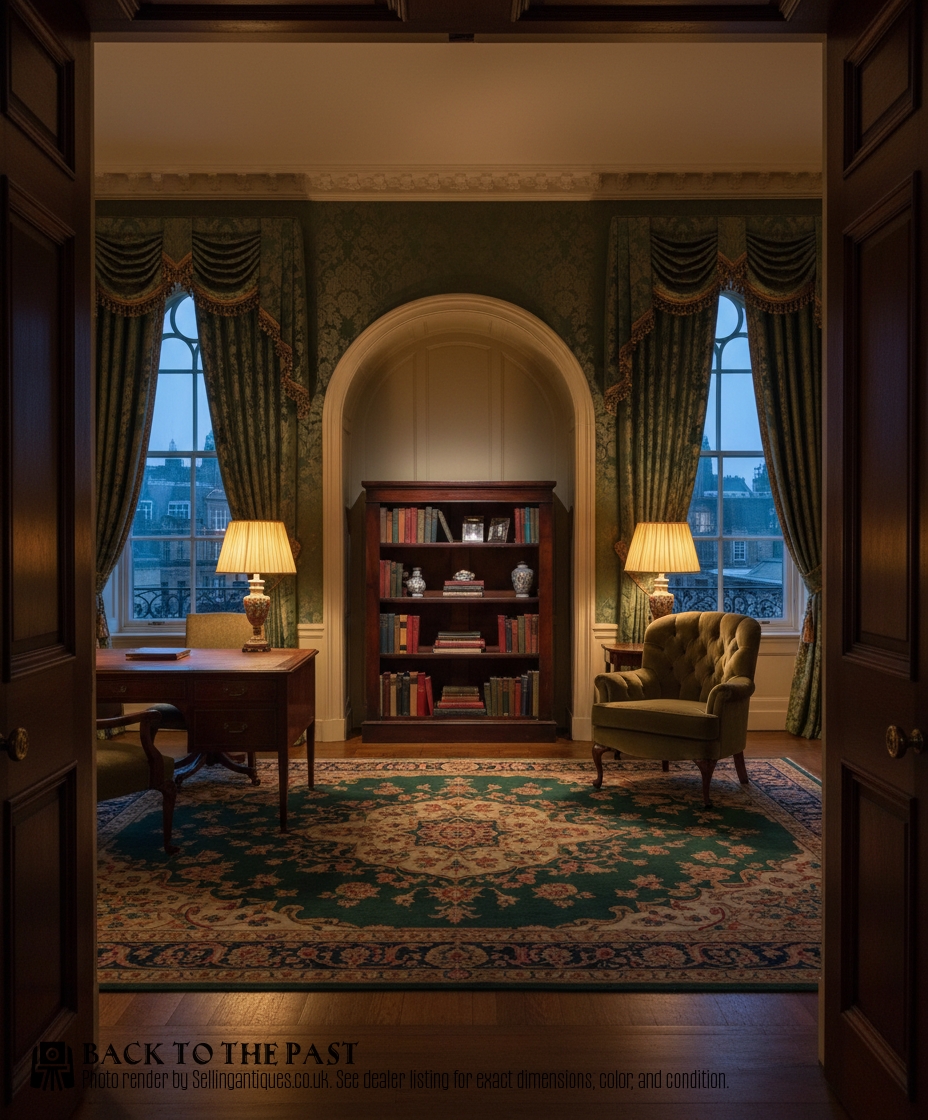
Victorian Bookshelf Dark Wood
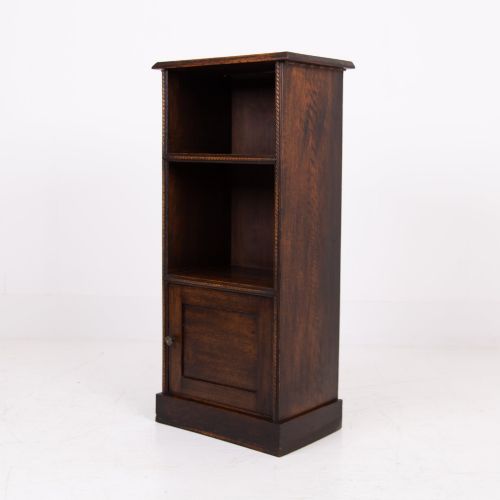
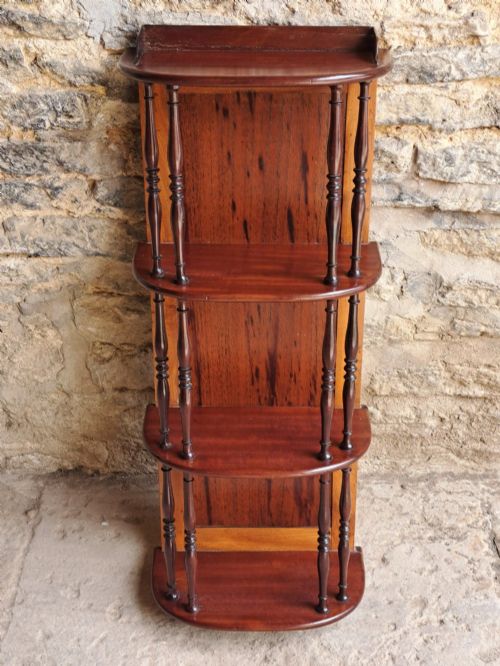
A victorian bookshelf dark wood search brings up timber storage units designed to hold personal libraries, taking forms from open bookcases and revolving designs to wall shelves and whatnots. The pieces span the nineteenth century and into the early twentieth century, showing periods such as Victorian, Edwardian, and Regency.
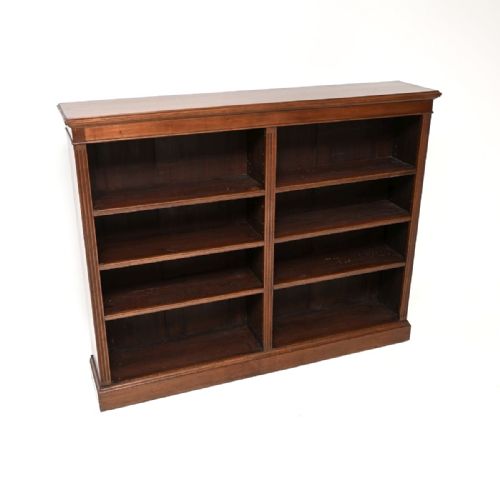
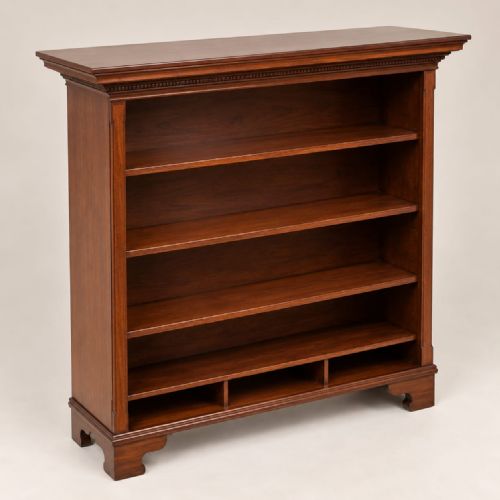
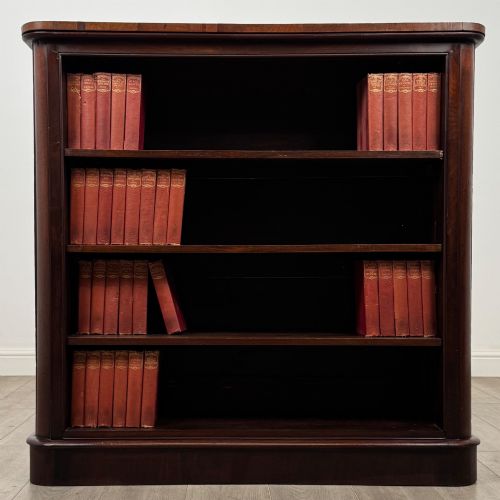
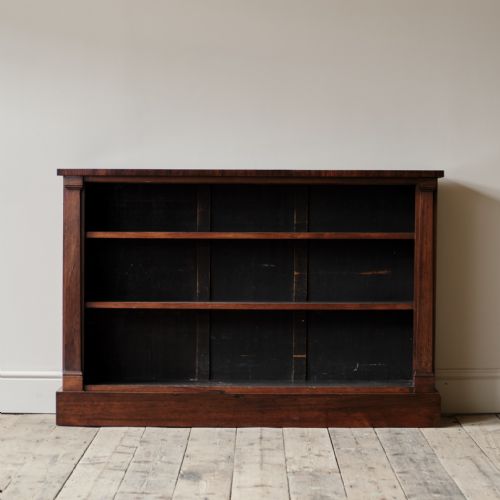
Buyers meet open bookcases most frequently on this page, often fashioned from dense timbers like mahogany, rosewood, walnut, and oak. These units appear in various sizes, from small dwarf versions to large breakfront library bookcases equipped with adjustable shelves.
How they were made
Cabinet makers utilised dark hardwoods such as mahogany, rosewood, walnut, and oak, frequently selecting figured timber veneers for the main panels and shelves. Construction relied on traditional joinery methods to build stable carcasses capable of supporting heavy volumes.
Surface detailing often included carved elements, brass fittings, or ormolu mounts, whilst ebonised finishes and specialised woods like teak or pine appear across different workshops and regional styles.
The site listings feature oak, mahogany, rosewood, walnut, and pine across nineteenth century periods.
What varies in quality
The degree of refinement in timber selection and cabinet work dictates the distinction between standard examples and superior pieces. Selection of highly figured flame mahogany or richly grained rosewood elevates a piece above plain utility furniture.
Execution of carved details, integration of adjustable shelving mechanisms, and the presence of decorative brass or ormolu mounts separate simpler provincial items from fine metropolitan cabinet work.
The Victorian Bookshelf Dark Wood Glossary
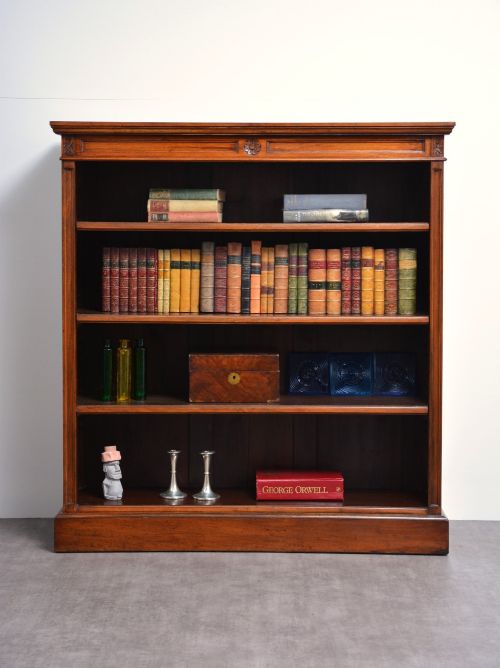
- Open Bookcase
- A timber storage unit with exposed shelves and no doors enclosing the front. This form allows immediate access to book collections.
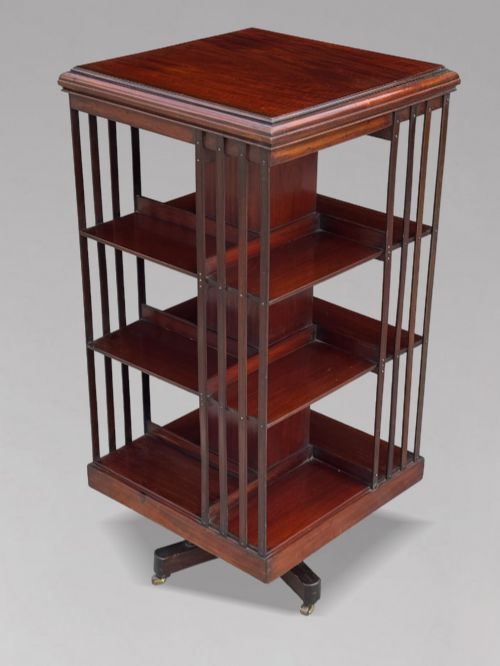
- Revolving Bookcase
- A small bookcase mounted on a hidden rotating base so users can spin the unit to reach volumes from any angle. These often sit on table tops or low floor stands.
- Breakfront
- A piece of furniture where the central section projects forward from the flanking wings. This architectural layout creates depth and shadow on large library bookcases.
- Dwarf Bookcase
- A low open bookcase standing around waist height or lower. These typically leave wall space clear above them for pictures or mirrors.
- Waterfall Bookcase
- A set of open shelves where each tier is narrower than the one below, stepping back towards the wall in a tier formation. The sides often curve downwards in a cascade shape.
Victorian Bookshelf Dark Wood: Frequently Asked Questions
How do I spot an adjustable shelf?
Adjustable shelves rest on internal wooden ratchets, brass pegs, or metal track systems fitted inside the bookcase carcass. This mechanism allowed owners to alter shelf heights for different book sizes.
Fixed shelves are permanently nailed or screwed into the vertical sides during original construction. Look inside the bookcase interior to identify movable supports.
What is a revolving bookcase used for?
Revolving bookcases held dictionaries, atlases, or frequently consulted volumes beside armchairs or desks. Their rotating function provided quick access to multiple books within a small footprint.
These compact timber units sat conveniently on floors or tabletops in studies and libraries.
How do I tell Victorian from Edwardian?
Victorian furniture generally employs heavier timbers, deep polishing, and occasionally ornate carvings or ebonised details. Pieces from this era lean towards rich mahogany, walnut, and rosewood.
Edwardian pieces often appear lighter in scale, reflecting softer Edwardian tastes whilst continuing traditional cabinet making techniques in mahogany and oak.
Where were wall shelves placed?
Hanging wall shelves and wall cabinets were mounted above desks, sideboards, or seating areas to maximise storage in compact rooms. They kept reference books or display items within reach without taking up floor space.
Their sturdy timber construction required secure fixing points into domestic masonry or panelling.