
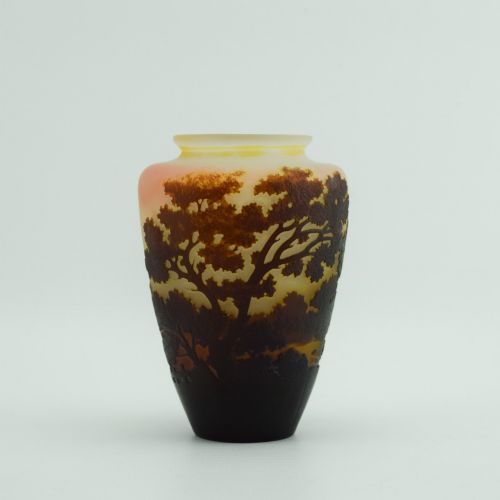

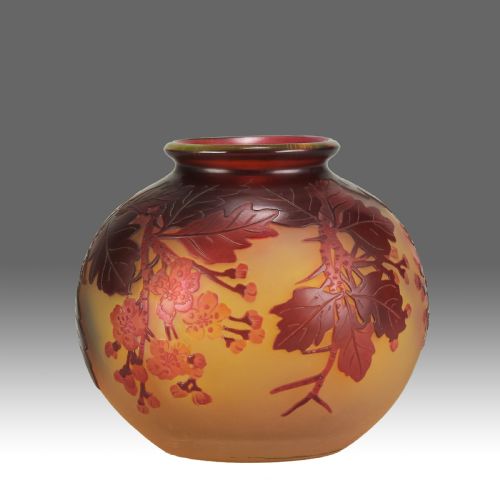
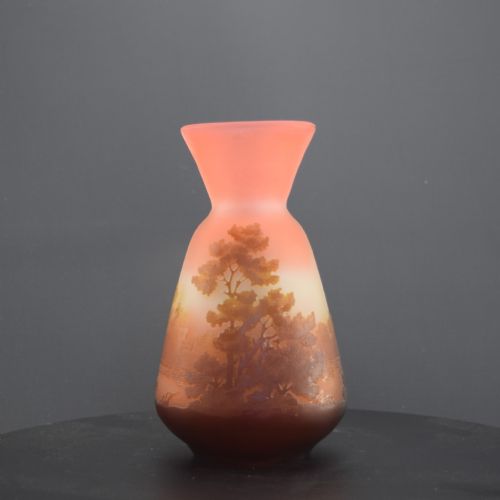

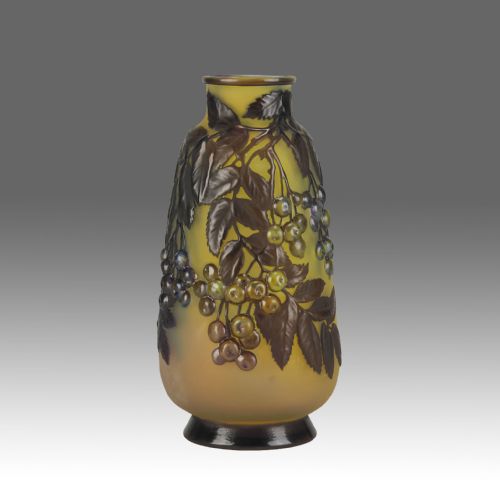


Acid Etched Cameo Vase
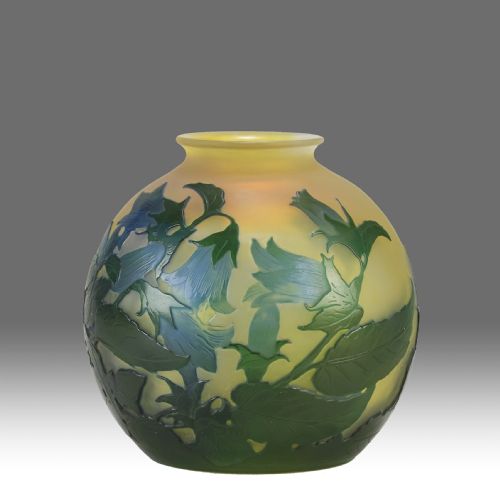
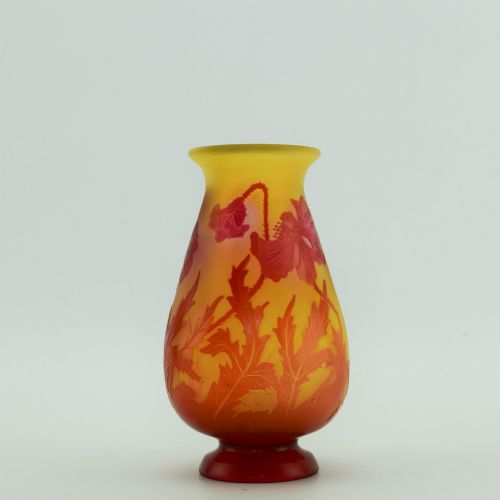
An acid etched cameo vase brings layered colour and botanical motifs into a room, made primarily during the Victorian and early twentieth century periods.

Acid Etched Cameo Vase
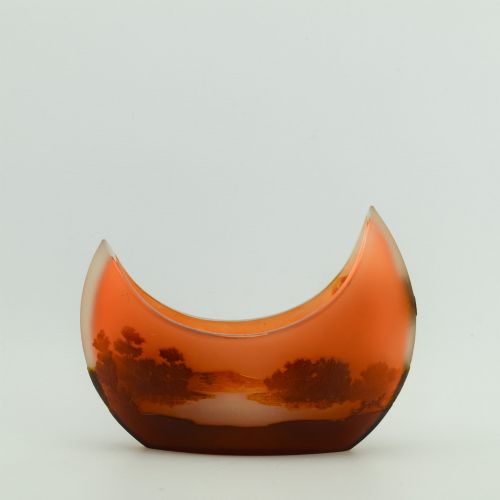
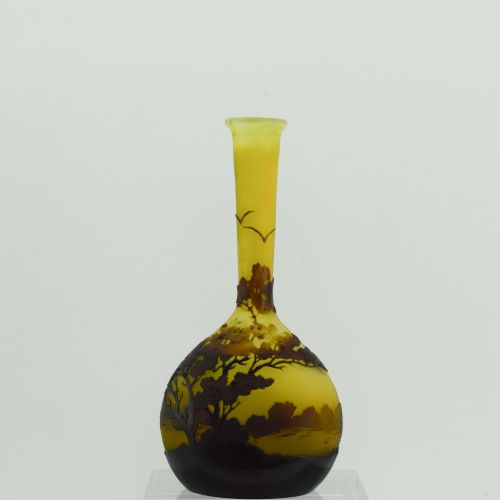
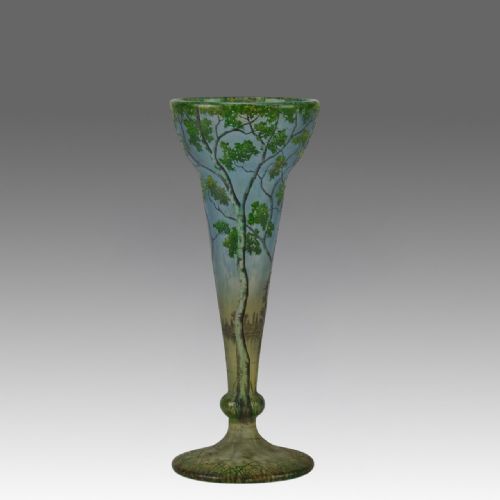
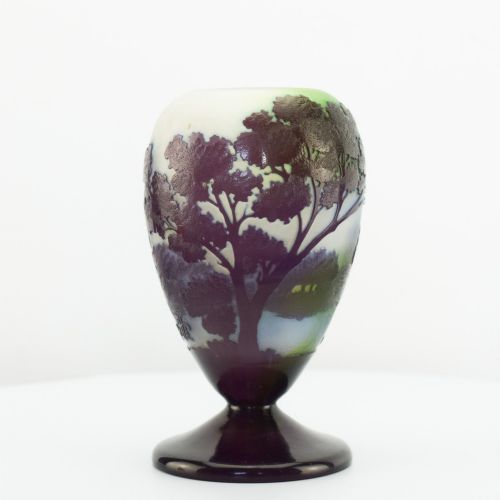
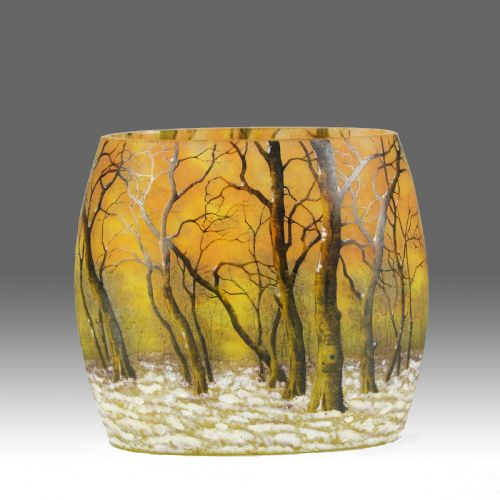
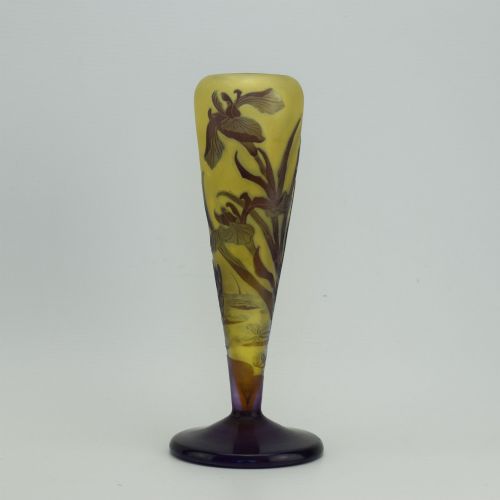
When you search for an acid etched cameo vase, you find glass vessels created largely within the Art Nouveau and Art Deco styles. The pieces on this page span from the late nineteenth century through to the nineteen-twenties.
Most examples take the form of botanical or landscape vases originating from France, produced in various shapes such as banjo, crescent, footed, and tall cylindrical bodies.
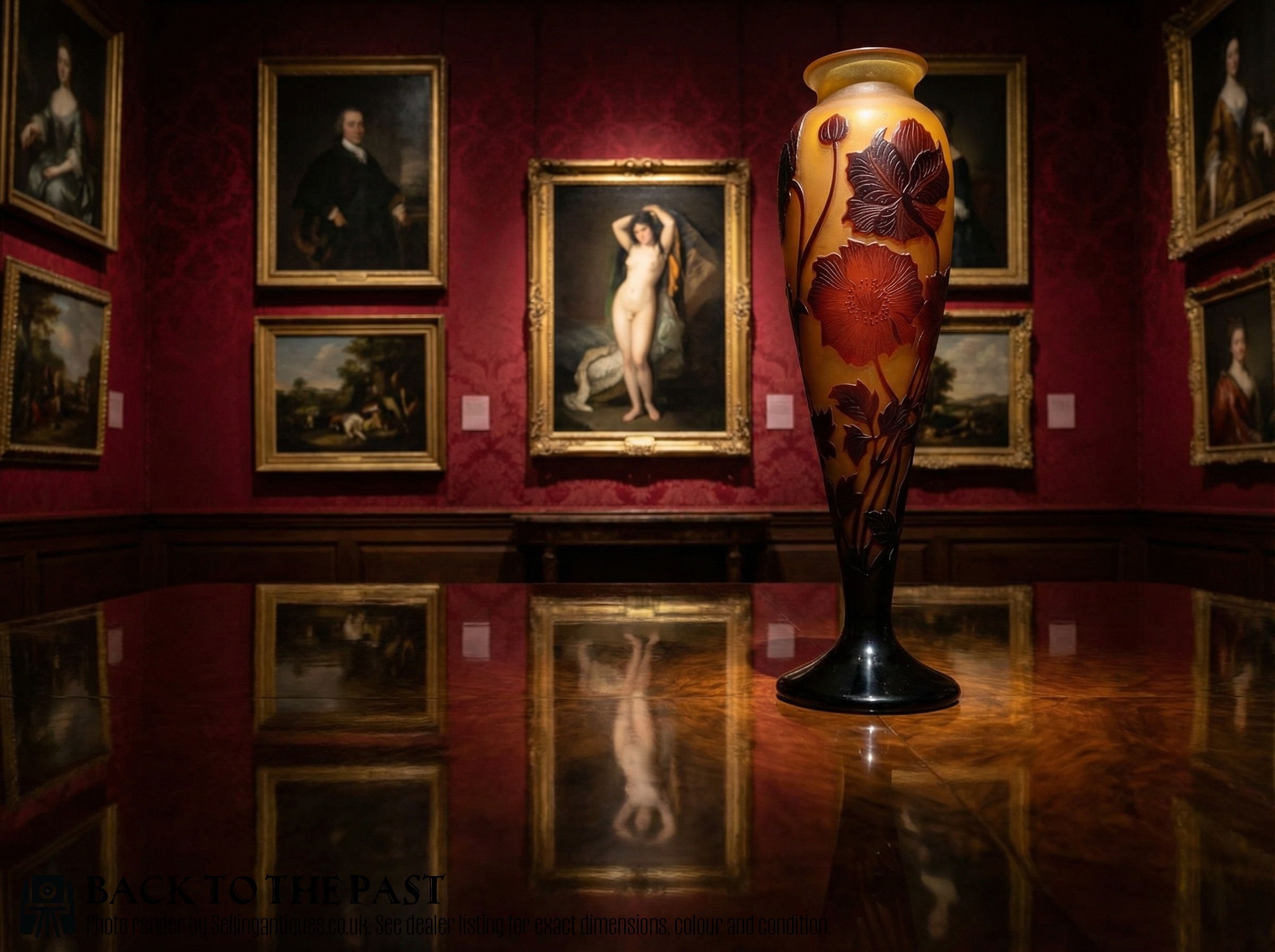
How they were made
The makers build these pieces using cameo glass, frosted glass, and etched glass, often incorporating enamel and gold leaf to heighten the surface detail. Chemical baths eat away at outer layers of coloured glass to reveal contrasting designs beneath.
The technique requires precise control over the acid-resist materials to create multi-coloured botanical motifs and detailed landscape scenes.
Several vases display mushrooms and thistles, proving nineteenth-century glassmakers found profound beauty in garden weeds.
What varies in quality
The sophistication of the landscape or floral design separates standard production pieces from finer examples. Depth of chemical biting and the complexity of colour layering also distinguish the work.
Makers such as Emile Gallé and Daum Frères demonstrate distinct levels of artistic ambition in their handling of natural subjects like cornflowers, poppies, and aquatic plants.
Emile Gallé·Daum Frères·Thomas Webb and Sons·Le Verre Francais·Paul Nicolas
The Acid Etched Cameo Vase Glossary
- Cameo Glass
- Glass formed with multiple layers of different colours, where portions are carved or etched away to create a raised design. This technique provides the characteristic relief effect.
- Acid-Etched Glass
- Glass treated with hydrofluoric acid to eat away the surface layers. This chemical process achieves precise outlines for intricate motifs.
- Art Nouveau
- A style prominent around nineteen hundred characterised by sinuous lines and natural forms. Floral and aquatic subjects dominate this period.
- Frosted Glass
- Glass with a textured, matte surface produced by acid or mechanical abrasion. It softens the light passing through the vessel.
Acid Etched Cameo Vase: Frequently Asked Questions
How do I identify an acid etched cameo vase?
Look for layered glass where the outer coloured sections are eaten away by acid to leave raised floral or landscape patterns. The surface texture often retains the crisp edges typical of chemical etching rather than wheel carving.
Examine the base or lower body for signatures such as Gallé or Daum, which frequently appear incorporated into the cameo design itself.
What periods do these vases come from?
The pieces span from the late Victorian era through the nineteen-twenties, with a strong concentration around nineteen hundred. This encompasses the height of the Art Nouveau movement and transitions into early Art Deco.
Stylistic shifts from flowing plant stems to geometric or simplified landscapes help indicate the specific decade of production.
Where were these glass pieces made?
The majority originate from French workshops and potteries, particularly centred around Nancy where masters like Emile Gallé and the Daum brothers worked. English makers such as Thomas Webb and Sons also produced notable examples.
Regional differences appear in the colour palettes and the specific flora depicted, such as Vosges landscapes on French pieces.
How should I display a cameo glass vase?
Place the vessel where natural light can pass through the layered glass to highlight the colour contrasts and frosted details. Position it away from direct sunlight or heavy foot traffic to protect the delicate surface.
Pairing the vase with plain backgrounds allows the intricate botanical and landscape designs to stand out clearly.