

Accent Armchair Dark Wood
These accent armchair dark wood selections bring solid timber frames and period character into a modern interior.
Accent Armchair Dark Wood
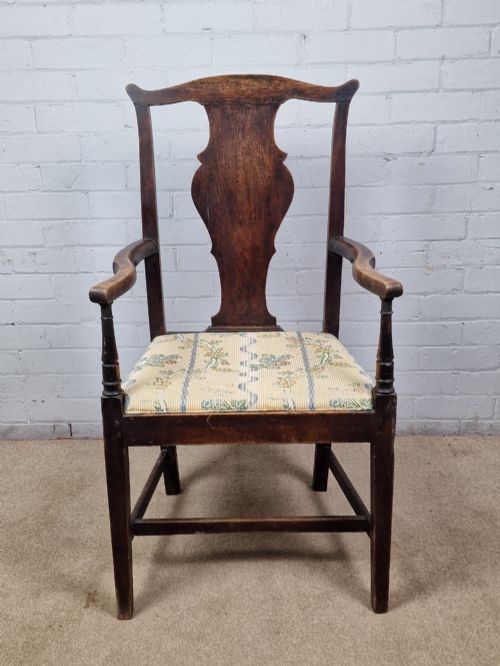
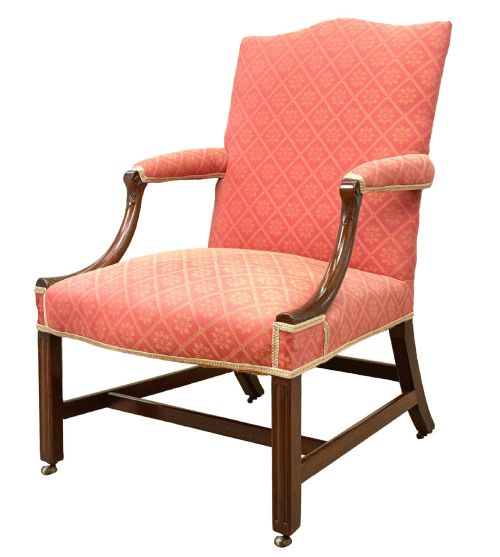
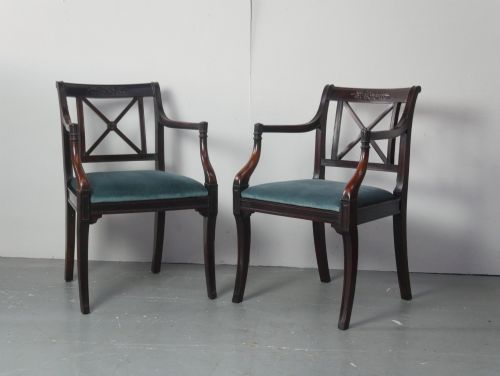
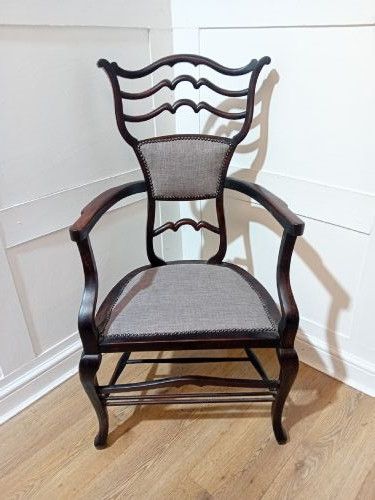
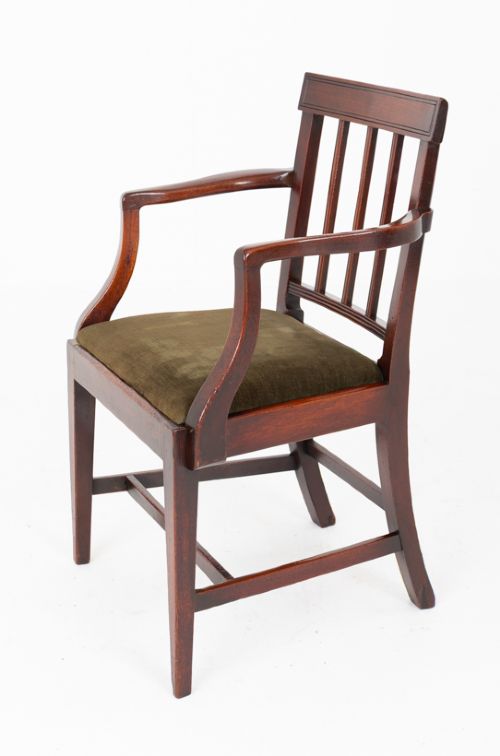
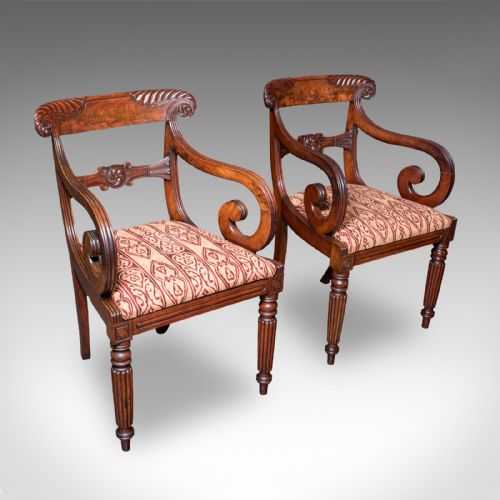
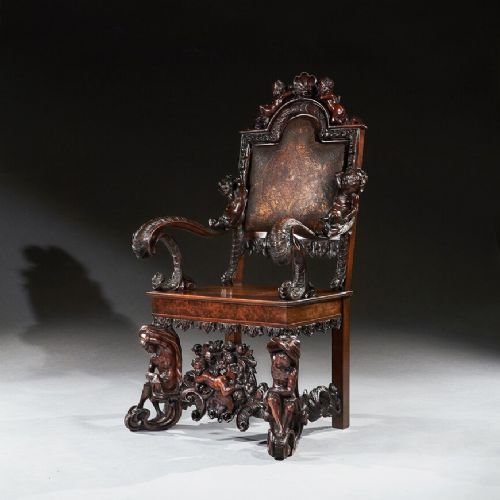
An accent armchair dark wood search draws together seating produced across multiple centuries, ranging from formal library carvers to country windsor forms and revival designs. The timber frames dominate the visual weight, constructed primarily from dense hardwoods like mahogany and oak.
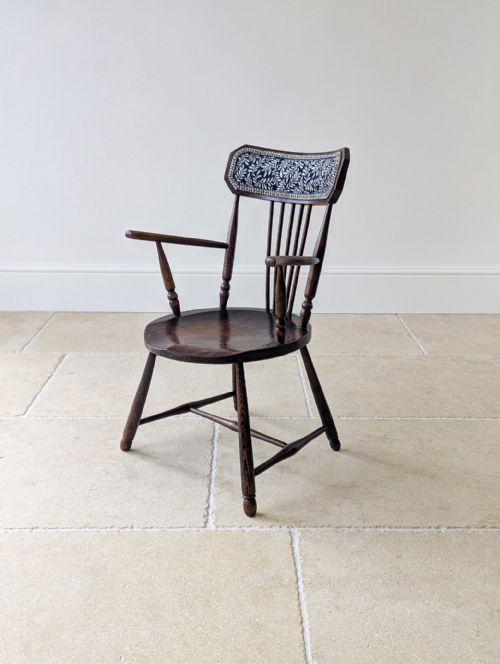
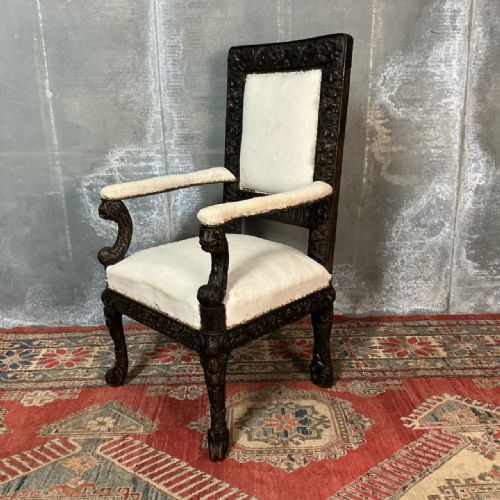
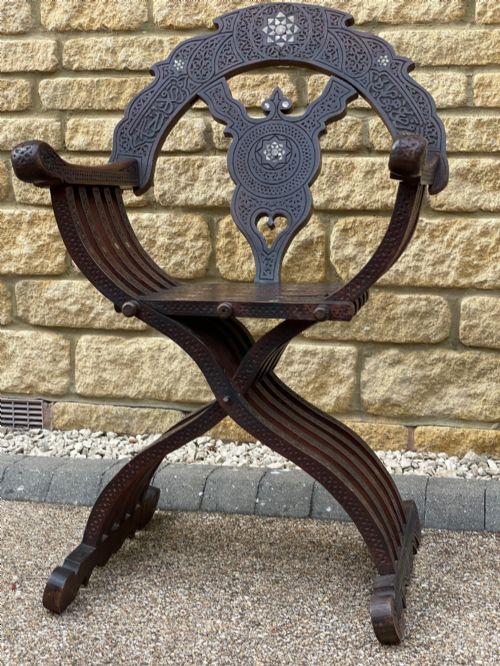
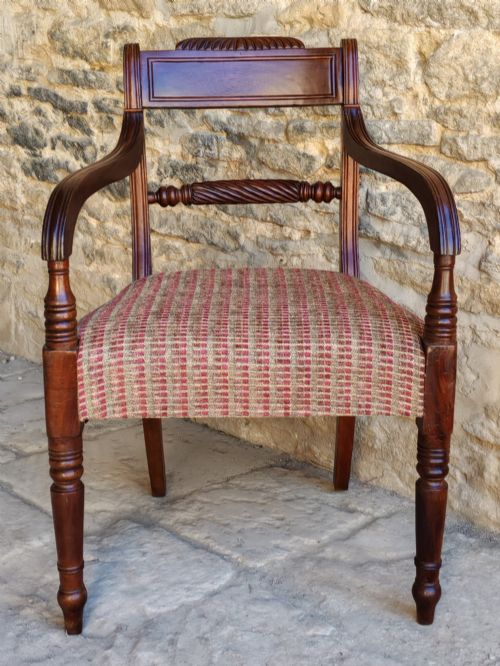
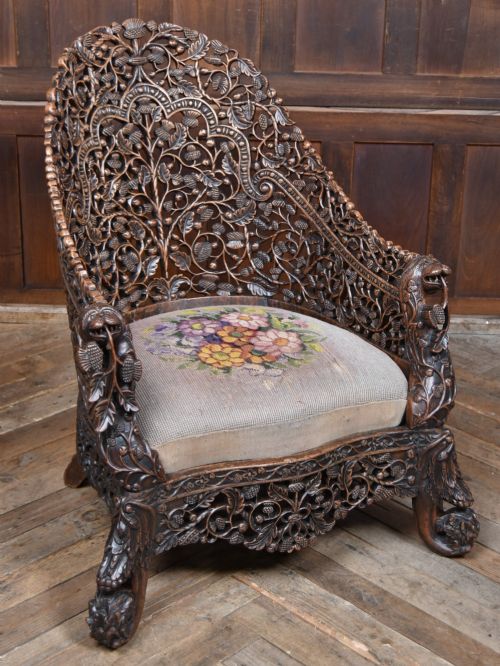
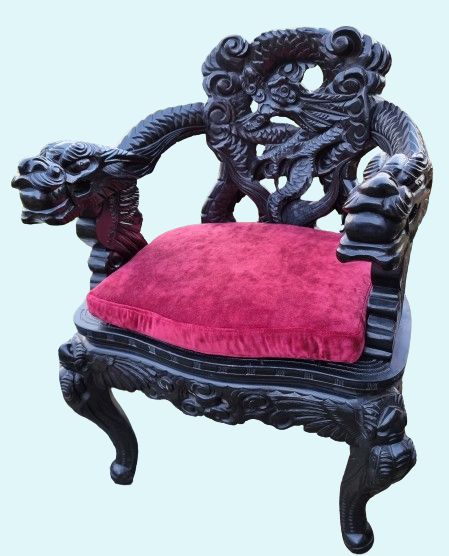
Buyers meet examples spanning georgian library chairs, Victorian elm windsors, and carved oriental hardwood seats. These pieces function as statement seating in reception rooms and quiet corners where the dark timber provides a strong silhouette.
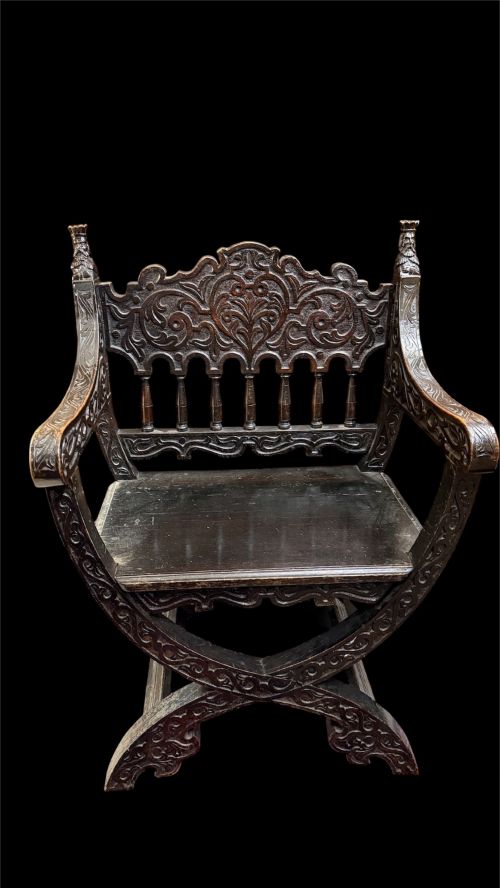
The assortment includes regional variations such as Burmese thistle chairs, Syrian mother-of-pearl inlaid seating, and European revival styles. Each piece relies on the natural grain of the wood to define its presence.
Materials and construction
Makers utilised dense timbers such as mahogany, oak, walnut, beech, and elm for structural integrity. Selected pieces incorporate carved detailing, turned supports, and applied elements like mother-of-pearl inlay or red lacquer.
Joinery methods rely on traditional mortise and tenon construction, steam bending for components like bentwood rocking chairs, and hand-carved ornamentation. Upholstery, where present, uses fabric, leather, velvet, or rush seating supported by brass hardware.
Listings feature timbers including mahogany, oak, elm, beech, walnut, and blackwood across styles from the seventeenth century to the twentieth century.
Distinguishing quality
Quality rests in the crispness of the hand-carved decoration, the integrity of the timber frame, and the retention of original surface patina. Pieces executed with deeper relief carving and superior timber selection demonstrate greater ambition in the workshop.
The cohesion of the design, whether following georgian proportion or regional vernacular traditions, determines the visual success of the chair. Original finishes and honest surface wear elevate the standing of the piece compared to later alterations.
Jacob and Josef Kohn·Andrea Brustolon·Mellier and Co·E W Godwin
The Accent Armchair Dark Wood Glossary
- Carver
- An armchair, typically designed with arms to match a set of dining chairs. It often sits at the head of a table or functions independently as an accent seat.
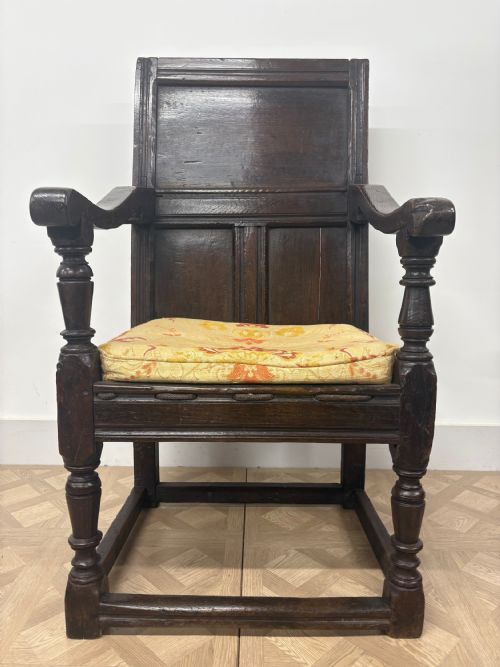
- Wainscot chair
- An early form of wooden armchair constructed with panelled backs and solid timber seats. These sturdy pieces date primarily to the seventeenth century and reflect heavy joinery techniques.
- Y yokeback
- A chair style featuring a top rail shaped to resemble a traditional yoke. This form appears frequently in Chinese hardwood seating.
- Windsor chair
- A vernacular seating type built with a solid wooden seat into which legs and spindle backs are wedged. Elm and beech commonly form these rural pieces.
- Patina
- The surface sheen and colour developed by wood and other materials through age, handling, and light exposure. A good patina indicates undisturbed historical surfaces.
Accent Armchair Dark Wood: Frequently Asked Questions
How do I choose the right wood tone?
Dark timbers vary from the reddish warmth of mahogany to the deep brown of oak and blackwood. Matching the undertone to existing furniture creates visual harmony in a room.
Consider the grain visibility and finish sheen of the piece to ensure it complements surrounding decor without overwhelming the space.
Where should I place an accent armchair?
These chairs suit studies, reception rooms, and bedrooms where a single statement piece adds function and character. They require sufficient floor space to display their arms and back design fully.
Position the chair away from direct heat sources to protect the wooden frame and any historic finish from drying out.
How do I care for antique wood frames?
Dust the timber regularly with a soft, dry cloth to prevent particulate buildup. Avoid silicone-based polishes that can degrade historical finishes over time.
Maintain stable indoor humidity levels to prevent the wood from expanding or contracting, which protects joints and veneers from stress.
How do I identify the period of a chair?
Examine the construction methods, tool marks, and wood species used in the frame. Stylistic markers such as cabriole legs, splat backs, or revival motifs offer clues to the era of manufacture.
Compare the proportions and joinery details against documented examples from specific centuries and regional traditions.