




Academic Style Oil Painting
An academic style oil painting brings rigorous academic realism, historical narrative, and portraiture into a room through disciplined brushwork and structured composition.
Academic Style Oil Painting
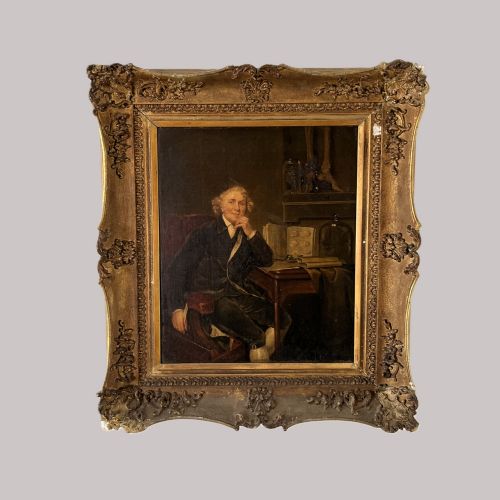
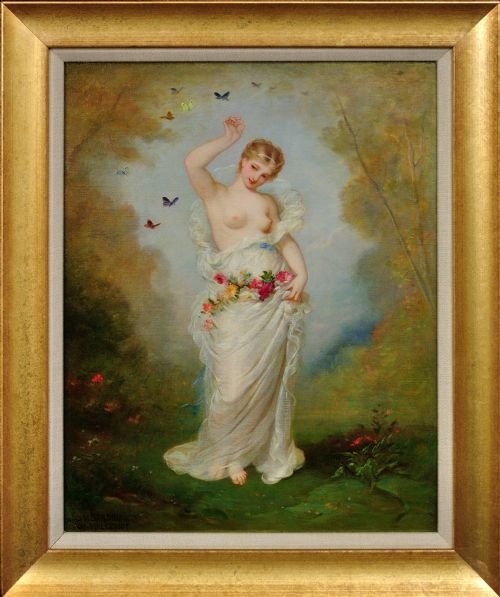
An academic style oil painting follows the formal training methods of nineteenth-century European art schools, prioritizing precise drawing, historical themes, and finished portraiture. These works span the Victorian era, the nineteenth century, and extend into the early twentieth century, incorporating genres such as maritime scenes, domestic card games, and mythological subjects.
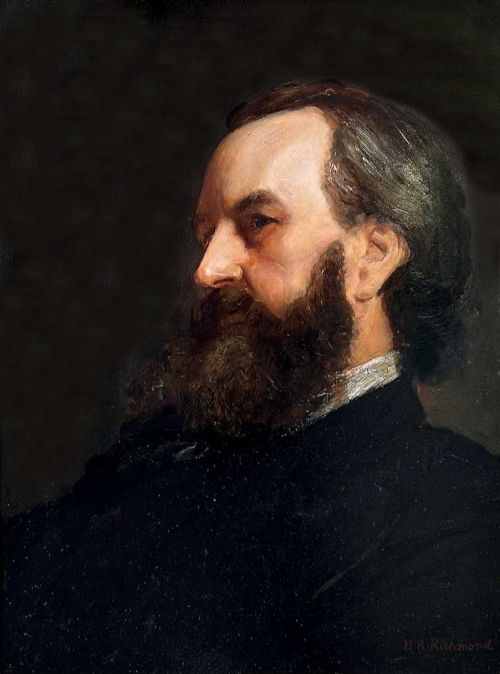
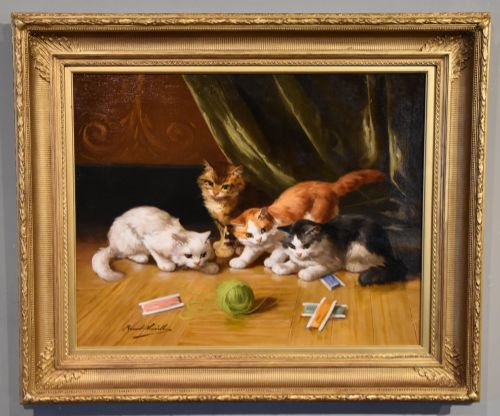
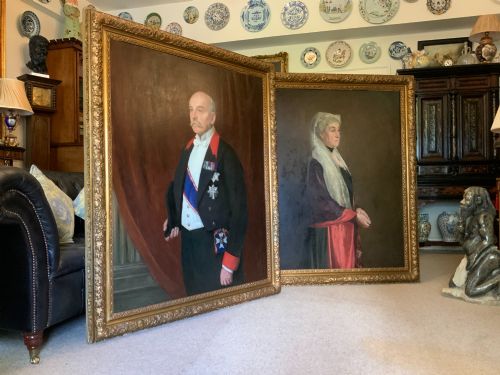
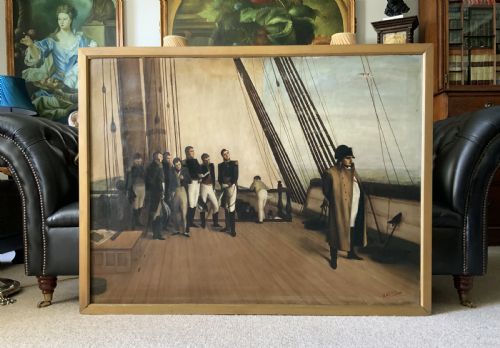
Buyers encounter canvases depicting historical militia, military leaders like Napoleon, and portraits of gentlemen or ladies rendered with strict anatomical realism. The selection includes French academic pieces, genre scenes of daily life, and still life compositions executed with traditional rigour.
Originating from formal workshops and continental academies, these paintings often carry the signatures of established painters or reflect the influence of major institutional styles. The forms range from intimate miniature still lifes on wood panels to massive framed historical canvases framed in giltwood.
Materials and Construction
Artists painted primarily with oil on canvas or wood panels, utilising rich oil pigments built up in thin translucent layers to achieve depth and luminosity. The application requires precise control over tone and colour, matching the exacting standards of institutional instruction.
Frames play an integral structural role, frequently constructed from wood with gesso mouldings and applied gold leaf or giltwood finishes. These heavy frames complement the formal visual weight of the paintings and preserve the edges of the stretched canvas.
Academic Style Oil Painting Retail Price Guide 2026
Typical asking prices for academic style oil painting among the pieces listed under this phrase on Sellingantiques today, from the lower quarter to the upper quarter. They describe what is for sale here now, not the wider market.
Listings feature works spanning the nineteenth century, the Victorian era, and the mid-twentieth century, executed in oil on canvas or wood.
Evaluating Academic Works
Quality rests in the precision of the draughtsmanship, the handling of light and shadow, and the psychological depth of the subject matter. Superior canvases display confident anatomical rendering and subtle tonal gradations that command attention across a room.
The sophistication of the secondary elements, such as intricate fabric folds, background architecture, and the execution of the giltwood frame, distinguishes high-tier academic works from standard decorative pieces. The handling of narrative tension in genre scenes separates master compositions from routine studio output.
Dumini Leopoldo·William Blake Richmond·Alfred Arthur Brunel de Neuville·Johann Hamza·André Charles Voillemot·Alfred Holst Tourrier·August Heinrich Riedell·Willem Johannes Martens·Marcel Brunery·James Bertrand·Geza Vastagh·Adolphe Alexandre Lesrel·Pierre-Louis Bouchard·William Dring·Adrian Bury·Frank Samuel Eastman
The Academic Style Oil Painting Glossary
- Academic Realism
- A style of painting produced under the influence of European academies of art, emphasising traditional techniques, idealized forms, and historical subjects. This approach values strict adherence to classical proportions and detailed finish over expressive brushwork.
- Giltwood
- Wood that has been coated with gold leaf or a gold-coloured metallic finish, commonly used for ornate nineteenth-century picture frames. It provides a reflective border that isolates the dark tones of an oil painting from the wall.
- Gesso
- A white paint mixture consisting of a binder mixed with chalk, gypsum, or pigment, applied to wood panels or canvases to prepare a smooth surface for oil painting. It forms the rigid base beneath the paint layers.
- Genre Painting
- The pictorial representation of scenes or events from everyday life, such as domestic interiors, card games, or market scenes. These works capture social interactions and contemporary manners with narrative detail.
Academic Style Oil Painting: Frequently Asked Questions
What is academic style?
Academic style refers to the art produced under the standards of European art academies during the nineteenth century. It emphasises rigorous drawing, historical or mythological subjects, and realistic execution.
Paintings from this tradition prioritize formal composition and traditional technique over experimental modern methods.
How do I care for canvas?
Keep oil paintings away from direct sunlight and fluctuating humidity to prevent the canvas from sagging and the oil paint from cracking. Dust the surface gently with a soft, dry brush without applying pressure.
Ensure the hanging environment remains stable to protect both the canvas and the giltwood frame.
Are frames original?
Many nineteenth-century works retain their period giltwood or gesso frames, which were chosen to complement the formal presentation of the canvas. These frames often show age-related wear that matches the history of the painting.
Examine the corners and moulding joints to understand how the frame has aged alongside the artwork.
What subjects are common?
Common subjects include historical genre scenes, military figures, mythological narratives, and formal portraits of gentlemen and ladies. Artists also produced still lifes featuring everyday objects or food.
Each subject allowed painters to demonstrate skill in rendering textures, fabrics, and human anatomy.