


18th Century Costume Art
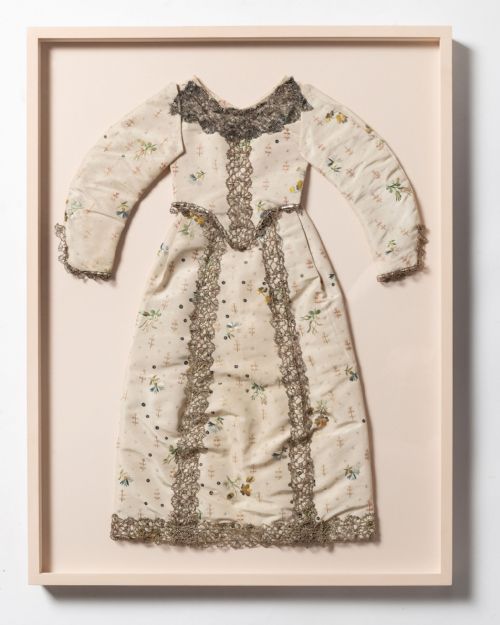
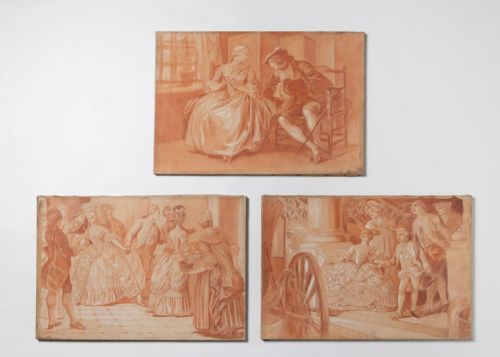
These pieces of 18th century costume art bring period attire and historic figures into your rooms through paintings, textiles, and prints.
18th Century Costume Art
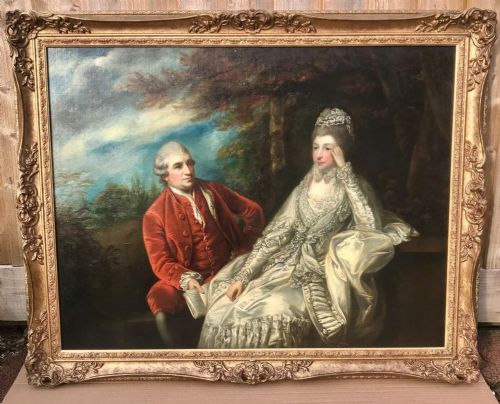
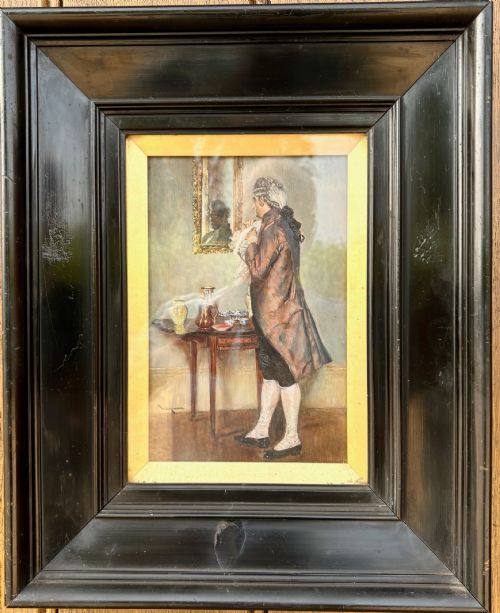
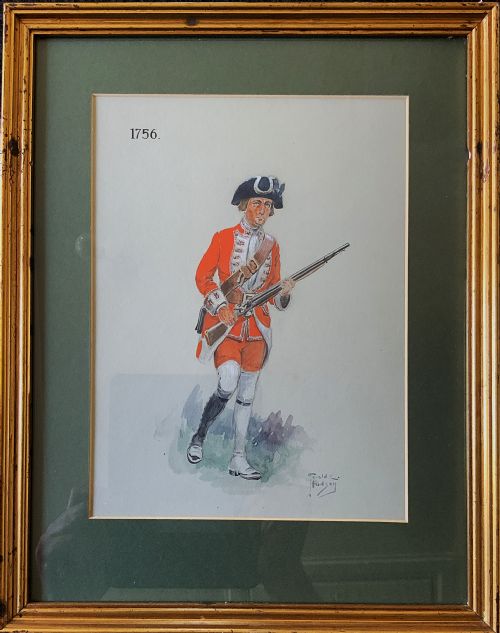
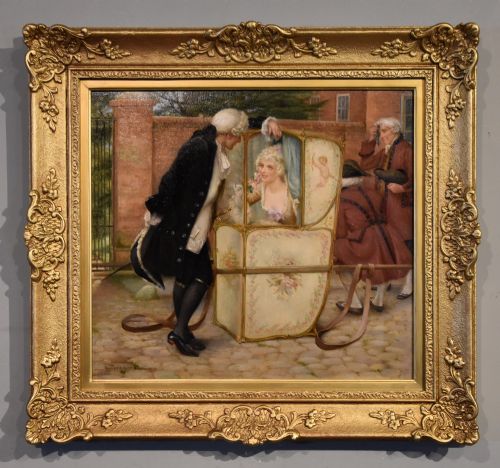
When you search for 18th century costume art, you examine works depicting historical dress, military uniforms, and period scenes across various centuries. The selection includes oil paintings, watercolours, framed textiles, and prints that capture historical garments and figures.
The pieces span several periods, reaching from genuine 18th century and Georgian works to later 19th century and early 20th century interpretations. You encounter French Rococo styles, English country scenes, and military portraits alongside antique framed dresses and silk samplers.
Materials and Techniques
The works utilise traditional media such as oil paint, watercolour, and wash on canvas, board, or paper. Artists employed oil on canvas and oil on board to render detailed fabrics, while others used silk floss in samplers and framed textiles.
Engravings and prints offer alternative graphic representations of period dress. Giltwood frames frequently enclose these artworks, matching the historical character of the depictions.
Listings span the 18th century, Georgian era, 19th century, and early 20th century, utilising oil paint, watercolour, wood, glass, and silk floss.
Variations in Quality
Quality rests in the precision of the brushwork and the accuracy of the costume detail shown in the portrait or genre scene. Masterly handling of fabric textures, facial expressions, and composition separates finer works from simpler decorative items.
The condition of the canvas, paper, or silk floss influences the integrity of the piece. Well-preserved pigments and secure framing maintain the visual impact of historical attire across the centuries.
W.D. Almond·Delapoer Downing·John Sanderson Wells·Frank Moss Bennett·Arturo Orselli·Joaquín Luque y Roselló·Marcel Brunery·Edmund Alphonse Andre·Henry William Bunbury
The 18th Century Costume Art Glossary
- Genre painting
- A representation of everyday life and ordinary people engaged in common activities. These scenes often feature historical figures playing games or enjoying gardens.
- Giltwood
- Wood that has been treated with gold leaf or a gold-coloured finish. This material is commonly found on frames housing period artwork.
- Watercolour
- A painting method in which the paints are made of pigments suspended in a water-based solution. Artists applied this medium on paper or wash to depict soldiers and portraits.
- Sampler
- A piece of embroidery or needlework produced as a demonstration or test of skill. Examples include silk floss creations from the Georgian period.
18th Century Costume Art: Frequently Asked Questions
What periods do these pieces date from?
The selection includes works created during the 18th century and the Georgian period, alongside later 19th and early 20th century interpretations of historical dress.
Artists from the 1900s through the 1930s frequently painted historical genre scenes and costume portraits reflecting earlier eras.
How were these artworks displayed?
Many of these paintings and prints are housed in giltwood frames designed to complement the period aesthetic.
Textiles and samplers were traditionally framed to protect delicate silk floss and fabric elements from environmental damage.
What subjects appear in these works?
Common subjects include military portraits of soldiers, gentlemen playing games in gardens, and historical figures in period costume.
You also find framed antique dresses and silk samplers depicting historical attire.
What materials are used in these items?
The physical objects comprise oil on canvas, oil on board, watercolours, prints, and engravings on paper.
Additionally, some listings feature physical textiles and silk floss within framed presentations.