
9ct Gold Clasp
These pieces of 9ct gold clasp jewellery connect historic chains and multi-strand pearl necklaces with secure, functional fastening.
9ct Gold Clasp
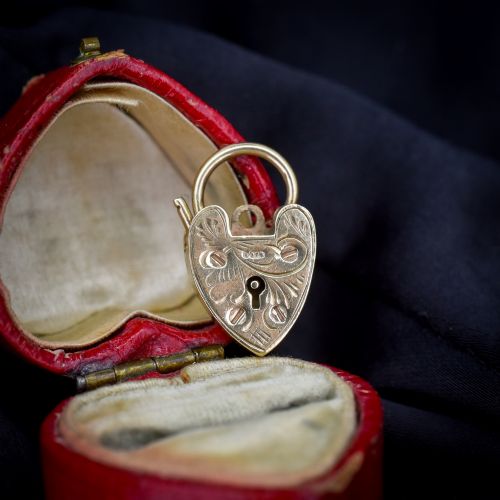
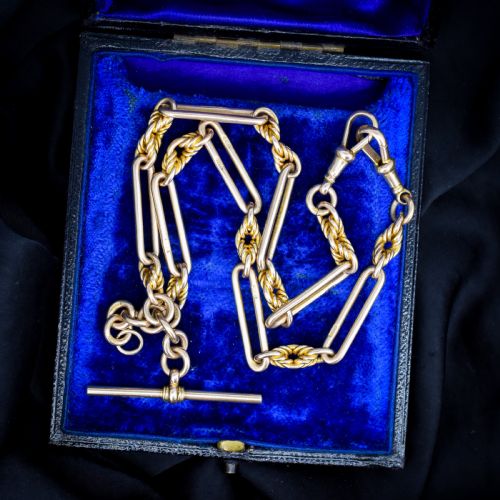
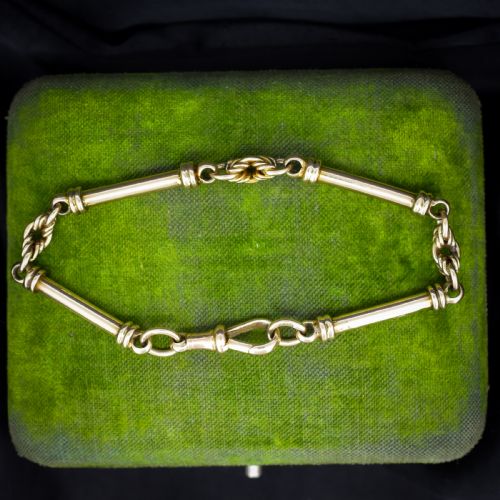
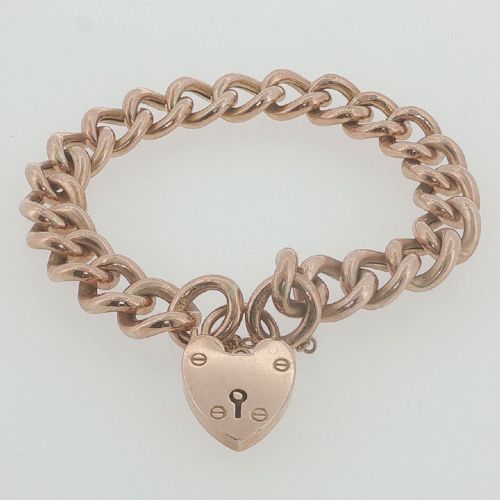
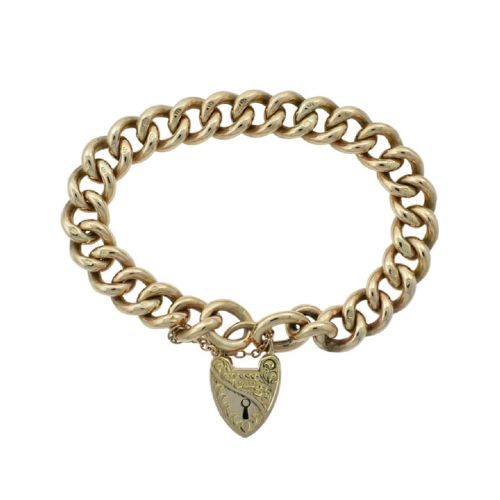
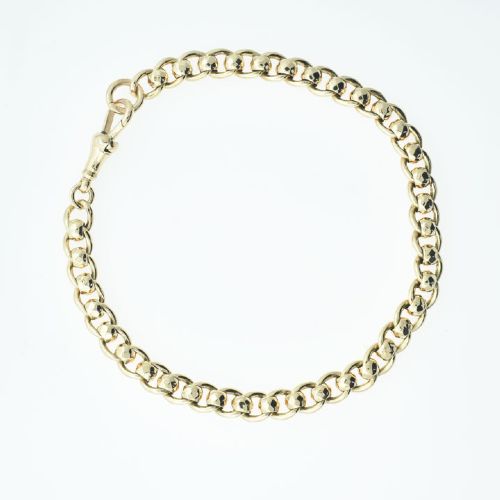
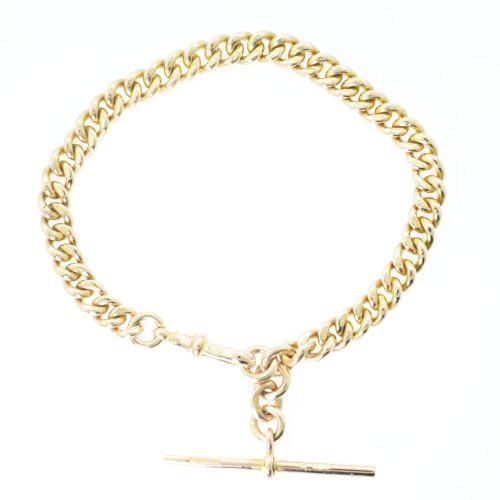
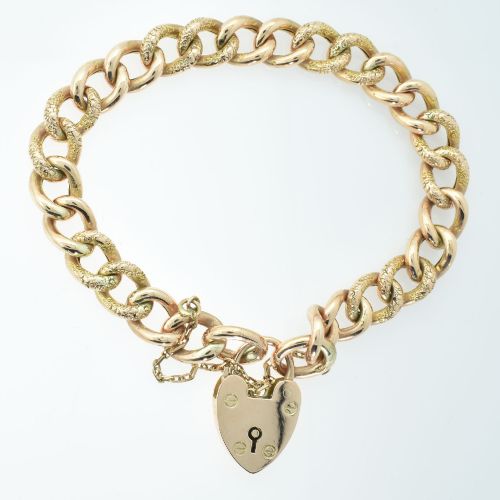
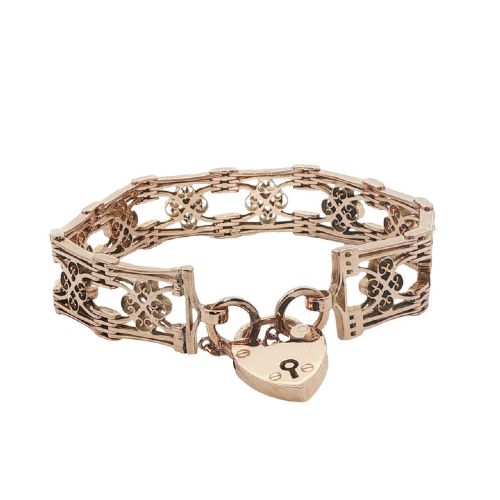
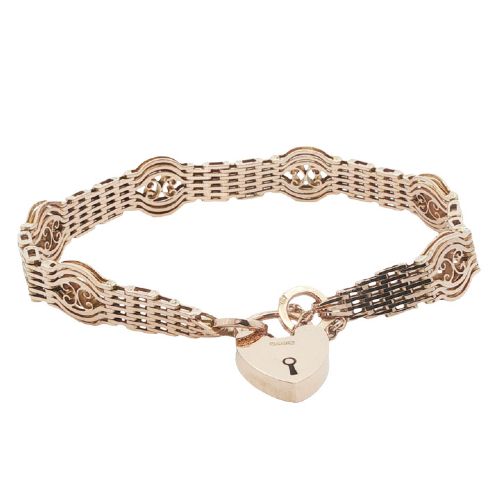
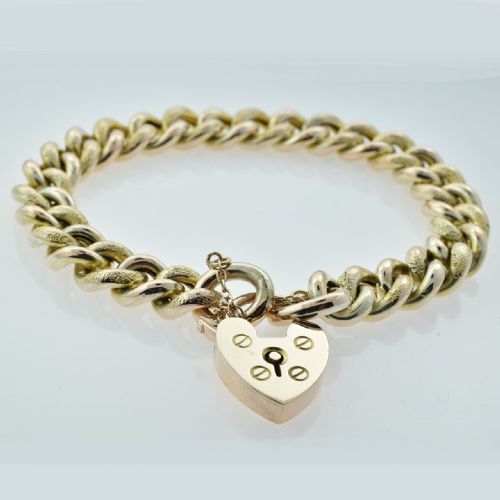
When searching for a 9ct gold clasp, a buyer encounters a diverse range of antique and vintage jewellery where the fastening mechanism is either the primary feature or an integrated component of the design. The listings feature historic watch chains, Albert chains, and heavy charm bracelets secured by dog clips, swivel clasps, and engraved heart padlocks.
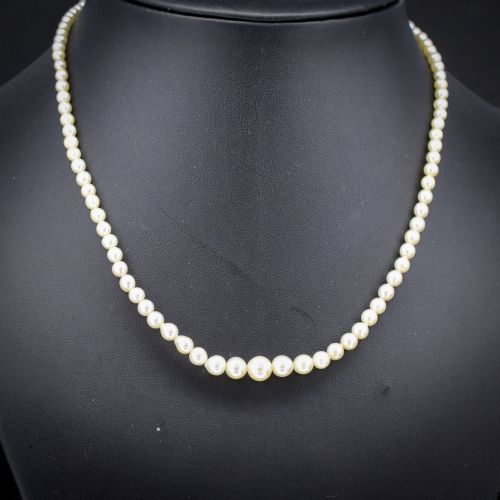
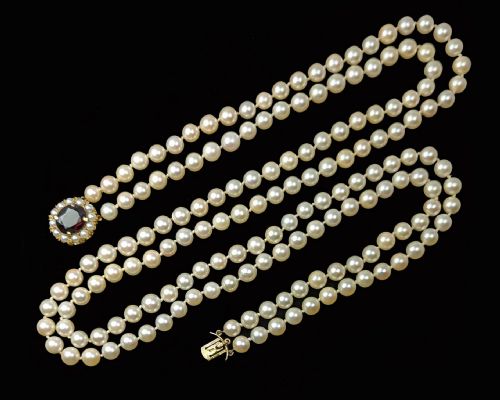
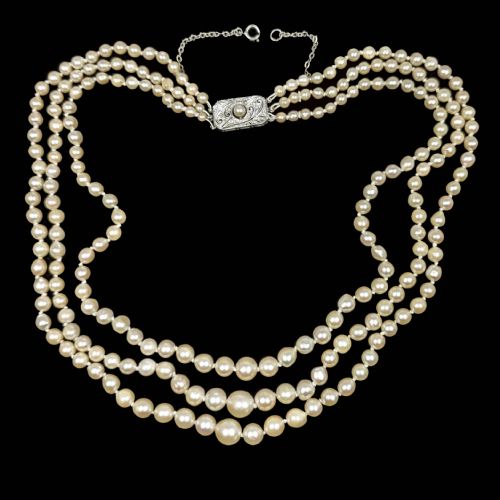
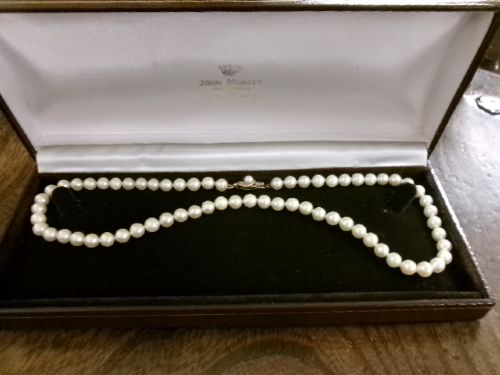
The most common form on this page is the mid-century multi-strand cultured pearl necklace finished with an ornate 9ct gold clasp. These clasps frequently incorporate diamonds, sapphires, garnets, rubies, or pearls set in yellow or white gold, originating predominantly from the 1950s and 1960s.
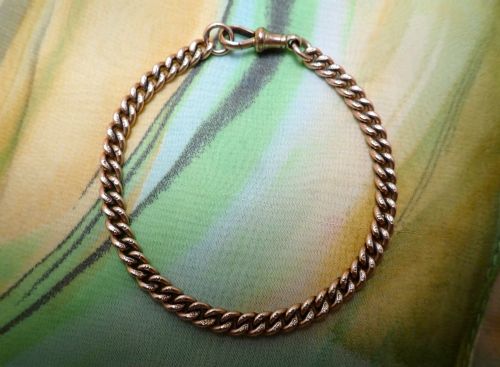
Earlier pieces from the Victorian and Edwardian eras demonstrate heavy rose or yellow gold craftsmanship, often utilising trombone, curb, or gate link configurations. These items bridge the gap between utilitarian pocket watch attachments and decorative wristwear.
Materials and construction methods
The items are forged primarily from 9ct gold, appearing in yellow, rose, and white variations, paired with natural or cultured pearls strung on silk thread. Metal components such as curb links, trombone chains, and padlock charms are hand-assembled, engraved, or hallmarked according to regional assay office standards.
Clasps and fastening mechanisms are integrated directly into bracelets and necklaces, ranging from simple threaded barrel designs to complex box clasps set with gemstones. Pearl strands are traditionally hand-knotted between individual beads to secure the pearls against loss and maintain flexibility.
Several Victorian watch chains are so substantial they weigh over thirty grams, doubling as remarkably heavy wristwear.
Distinctions in standard and execution
The upper tier of these items displays crisp, hand-engraved detailing on padlock charms and links alongside fully documented British hallmarks confirming specific assay offices and years. Superior pearl necklaces feature uniform, high-lustre cultured pearls closely matched in size and securely held by multi-stone gem-set gold box clasps.
Lesser examples show worn engraving, mismatched pearl grading, or replacement components that diverge from the original period construction. The integrity of the internal spring mechanisms within dog clips and swivel clasps also dictates the reliability and long-term utility of the piece.
The 9ct Gold Clasp Glossary
- Albert chain
- A pocket watch chain designed to be secured across a waistcoat, frequently fitted with a T-bar and dog clip.
- Dog clip
- A spring-loaded snap hook utilised on watch chains and charm bracelets to attach pendants or secure the ends together.
- Barrel clasp
- A cylindrical fastening device that screws or pushes together to create a seamless tubular closure on bead necklaces.
- Padlock charm
- A heart-shaped locking pendant commonly suspended from Victorian and Edwardian gate and curb link bracelets.
- Cultured pearl
- An oyster-produced pearl grown through human intervention, forming the central material for mid-century multi-strand necklaces.
9ct Gold Clasp: Frequently Asked Questions
How do I secure a dog clip clasp?
A dog clip operates via a small internal spring-loaded lever that opens a pivoting gate when pressed inward. Releasing the lever allows the gate to snap shut against the loop or ring.
Ensure the loop is fully seated within the interior space of the clip to prevent accidental detachment during daily wear.
What is an Albert chain?
An Albert chain is a historic type of watch chain historically worn by men in the nineteenth and early twentieth centuries to secure pocket watches. They feature substantial metal links, often accompanied by a T-bar at one end and a dog clip at the other.
Modern collectors frequently wear these robust chains directly as necklaces or wrap them as multi-strand bracelets.
How are pearl necklaces with gold clasps constructed?
Pearl necklaces on this page are typically assembled by stringing cultured pearls onto silk thread, with individual knots tied by hand between each pearl. This technique protects the pearls from rubbing against one another and ensures the strand remains intact if the thread breaks.
The ends are secured to a 9ct gold box, barrel, or gem-set cluster clasp.
How do I date a 9ct gold clasp or chain?
Dating relies heavily on official hallmarks stamped into the metal, which indicate the assay office, gold purity, and specific year of testing. Stylistic markers such as the heavy rose gold gate links of the Edwardian period or the diamond-set white gold box clasps of the 1950s provide additional chronological context.
Checking for accompanying gem certificates or historical restoration notes also helps confirm the era.