



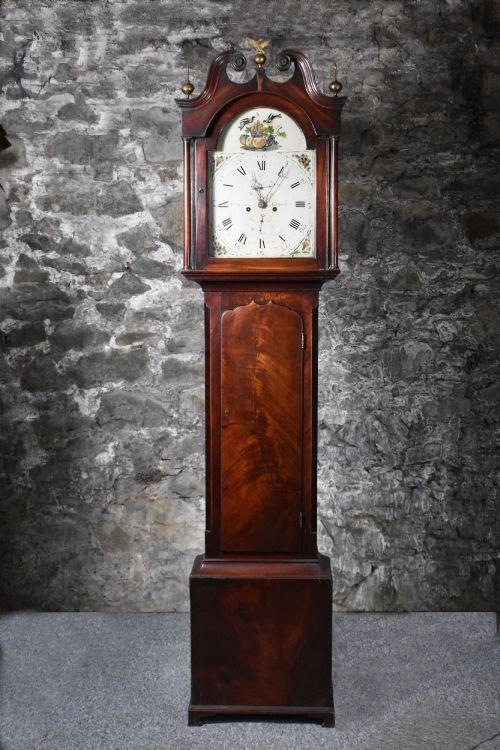


8 Day Grandfather Clock
An 8 day grandfather clock is a tall floor-standing timekeeper powered by weights that require winding roughly once a week.
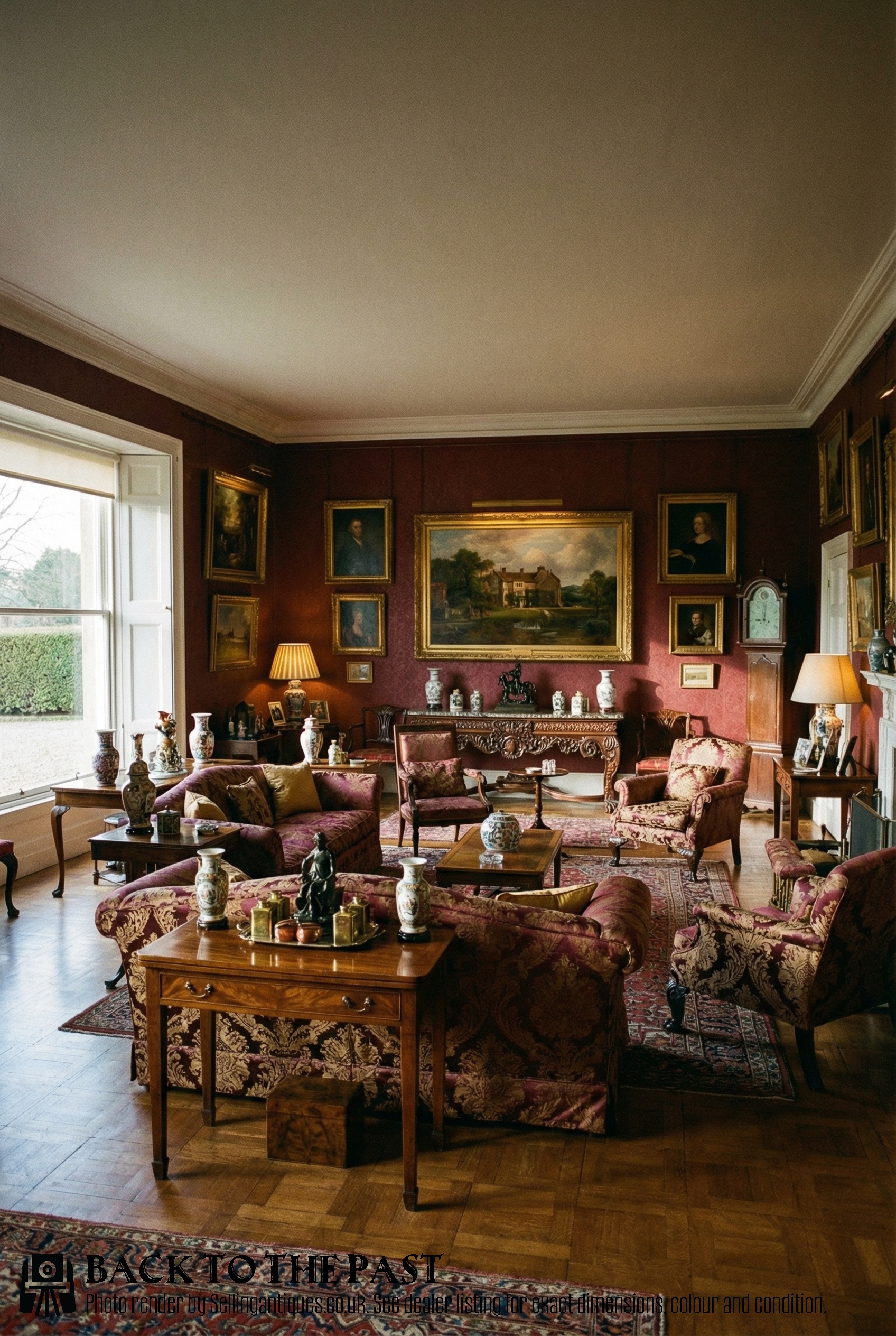
8 Day Grandfather Clock
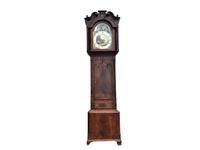
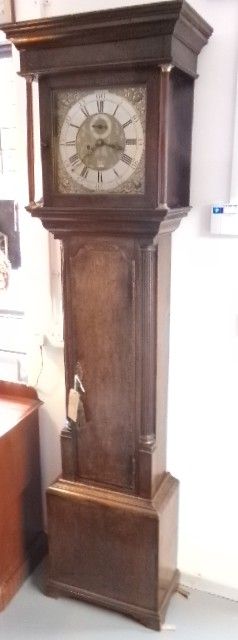
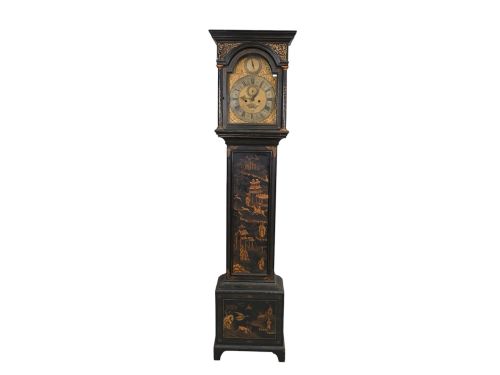
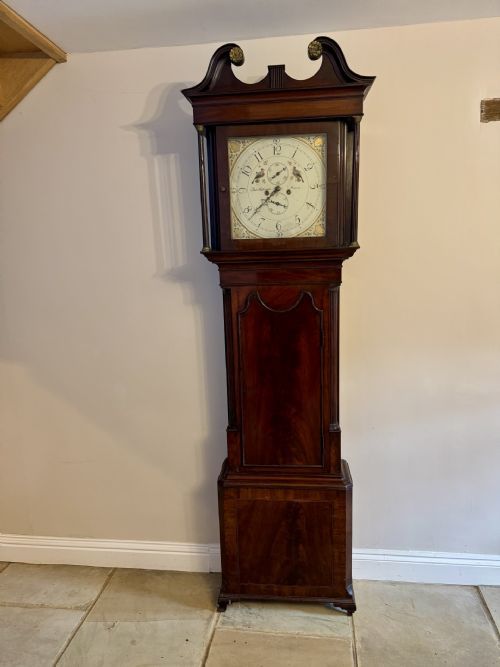
An 8 day grandfather clock, also known as a longcase clock, stands upright in a wooden case designed to protect the pendulum and weights from drafts. These floor-standing timepieces span periods from the seventeenth century through the Georgian and Victorian eras up to the twentieth century.
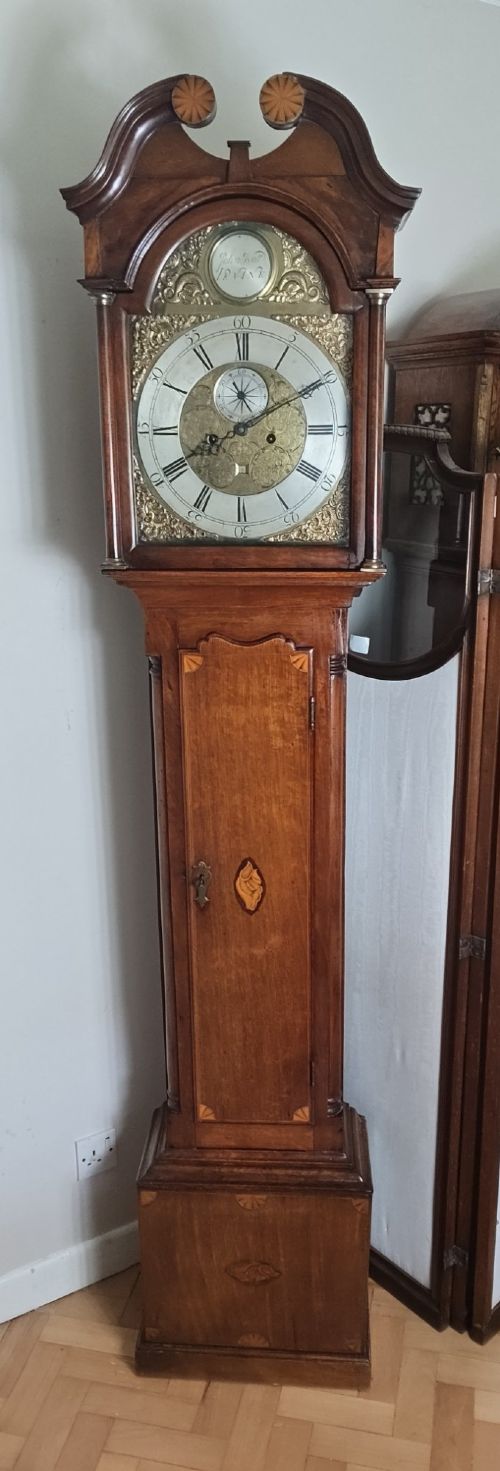
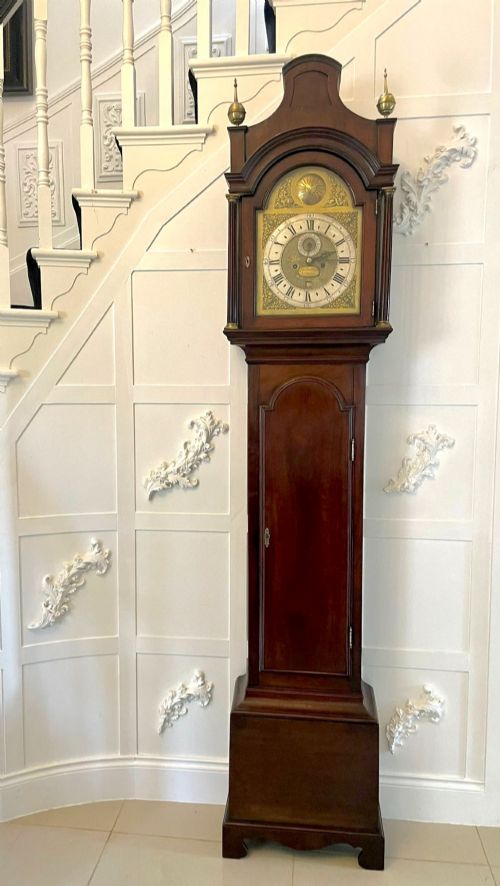
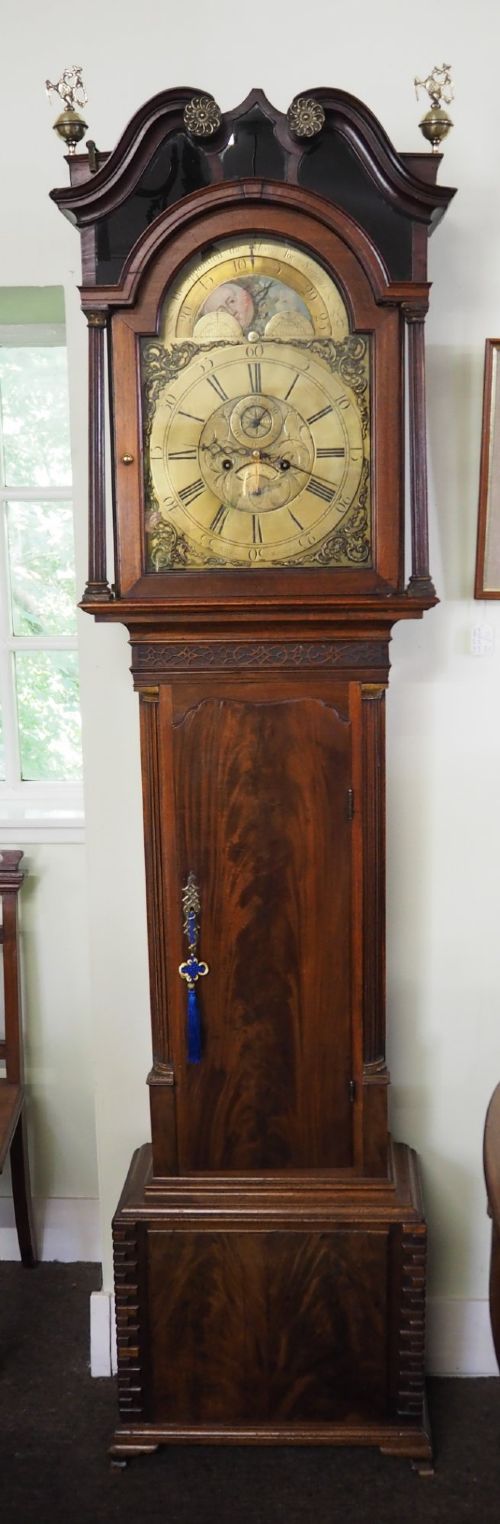
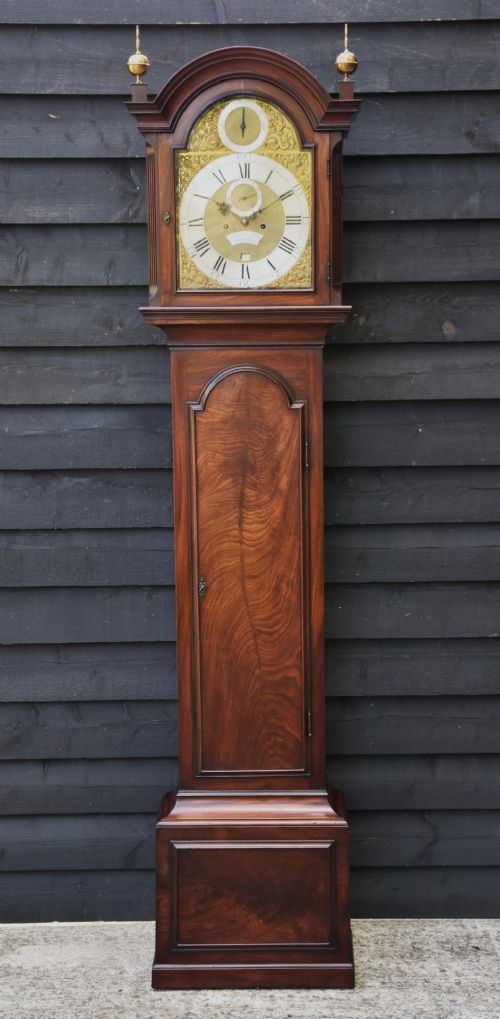
The versions most commonly met on this page are housed in mahogany or oak cases, frequently bearing regional signatures on brass or painted iron dials from makers across England and Scotland.

How They Were Made
Clockmakers housed mechanical brass movements within timber cases constructed from native oak and imported mahogany, often accented with walnut, flame mahogany veneers, or intricate marquetry and inlay work.
Faces combined engraved brass or painted iron dials protected by glass panels, while weights suspended on lines or chains drove the internal gear trains and regulated the swing of the pendulum.
8 Day Grandfather Clock Retail Price Guide 2026
Typical asking prices for 8 day grandfather clock among the pieces listed under this phrase on Sellingantiques today, from the lower quarter to the upper quarter. They describe what is for sale here now, not the wider market.
Regional English and Scottish workshop signatures frequently appear across brass and painted iron clock dials.
What Varies in Quality
The standard of a clock rests upon the precision of its movement construction, the legibility and artistry of the dial engraving or painting, and the choice of cabinet timbers. Finer examples display signed dials by recognised regional or metropolitan makers paired with robust mechanical engineering.
Proportion and cabinet finish also separate ordinary production from superior pieces, with well-figured veneers, balanced hood architecture, and secondary woods reflecting the original workshop's ambition.

Charles Shuckburgh·John Ellicott·James Field·Richard Corless·James McCabe·Windmills and Wightman·Gustav Becker·Winterhalder
The 8 Day Grandfather Clock Glossary
- Longcase clock
- A tall pendulum clock enclosed in a wooden case designed to stand directly on the floor. This term is often used interchangeably with grandfather clock.
- Dial
- The visible face of the clock displaying hours and minutes, typically formed from brass or painted iron. Dials frequently carry the signature of the maker and their town of origin.
- Pendulum
- A suspended weight that swings back and forth to regulate the speed of the clock mechanism. Its length determines the timing beat of the movement.
- Movement
- The inner mechanical assembly of gears, springs or weights, and escapements that drive the hands and operate any striking or chiming functions.
- Trunk
- The central vertical section of the clock case that encloses the hanging weights and the swinging pendulum. Doors on the trunk allow access to the interior weights.
8 Day Grandfather Clock: Frequently Asked Questions
How do you wind an 8 day grandfather clock?
Winding involves inserting a key into the winding holes on the dial face and turning it slowly to pull the internal weights back up toward the top of the trunk.
Care must be taken not to overwind the mechanism, stopping as soon as resistance is felt in the key.
Why does the clock need to stand on a level floor?
A level foundation ensures that the pendulum swings with equal symmetry to the left and right, maintaining an even beat.
If the case tilts, the escape wheel interaction falls out of balance and causes the clock to stop running.
What is a moon phase dial?
A secondary rotating disc located on the upper portion of the dial tracks the lunar cycle over a lunar month.
This feature shows the phases of the moon through apertures on the painted or engraved face.
How can you tell an oak case from mahogany?
Oak exhibits a pronounced, open grain pattern with visible medullary rays, often carrying a warm brown tone across Georgian and Victorian examples.
Mahogany presents a smoother, denser grain structure that ranges from deep reddish-brown to highly figured flame patterns.