

20th Century Portrait Painting
When you explore 20th century portrait painting, you find works capturing individual character across shifting decades from Edwardian formality to mid-century modernism.
20th Century Portrait Painting
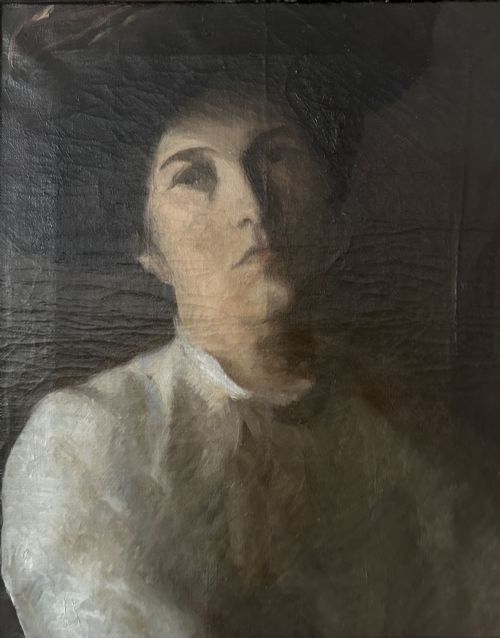
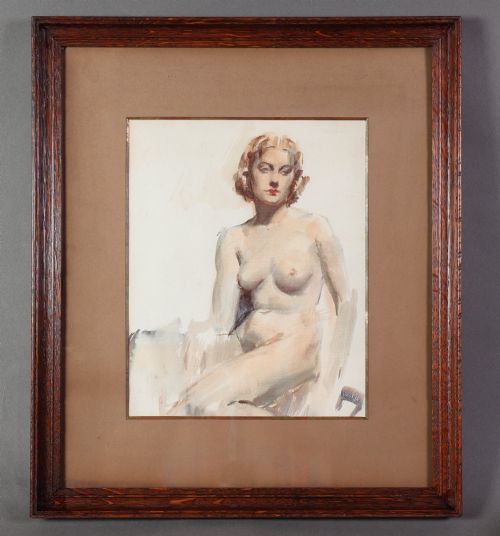
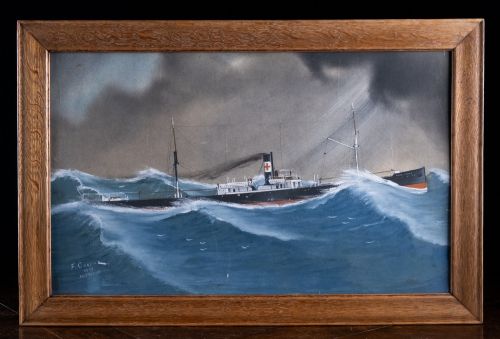
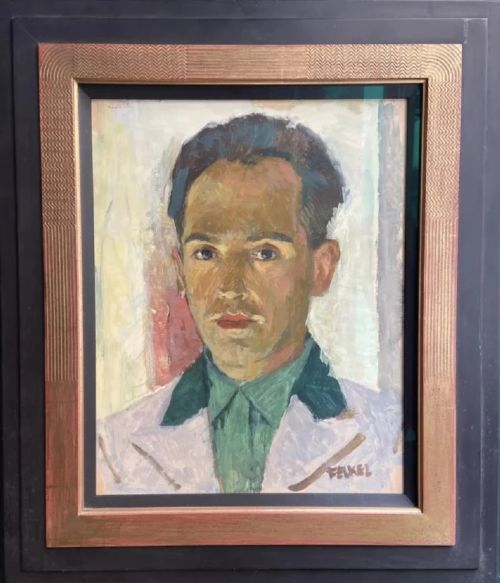
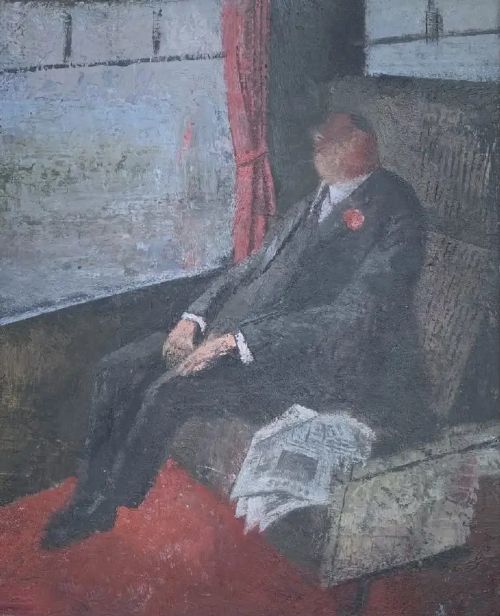
A 20th century portrait painting captures human likeness, self-representation, and character studies executed during a rapidly changing artistic era. Buyers encounter works ranging from academic society likenesses to expressive modernist interpretations created across Britain, Europe, and America.
Materials and methods of execution
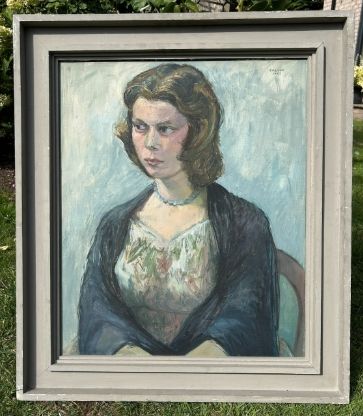
Artists primarily employed oil paint applied to stretched canvas, wooden panels, or artist boards, building depth through layered brushwork and occasional heavy impasto. Watercolour and pastel on paper or gouache on board served for lighter, more immediate studies.
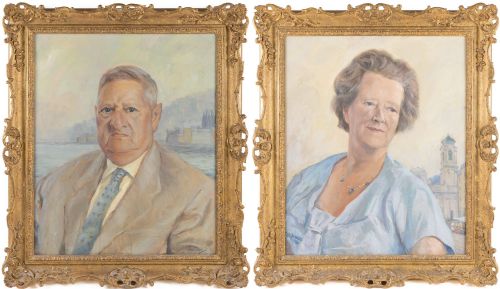
Works frequently retain their period framing, including swept gilt mouldings and beaded wooden frames that complement the aesthetic of the painting.
20th Century Portrait Painting Retail Price Guide 2026
Typical asking prices for 20th century portrait painting among the pieces listed under this phrase on Sellingantiques today, from the lower quarter to the upper quarter. They describe what is for sale here now, not the wider market.
Listings feature works spanning from the Edwardian era through the 1960s, utilising oil, watercolour, and pastel across canvas, board, and paper.
Factors influencing quality and execution
Quality rests upon the artist's command of anatomy, light, and psychological depth, distinguishing a competent likeness from a compelling work of art. The handling of medium matters greatly, whether through confident oil strokes or delicate pastel marks.
The strength of provenance and documentation also elevates certain pieces, particularly when created by listed painters, academy members, or recognised regional schools.
Emily Eyres·John Hassall·Kenneth Cozens·Carl Felkel·Gladys Marguerite Baker·Samuel Rabin·Lena Gurr·Winifred Rymer·Christine Nesbit·Harold Knight·J.A. Grant·Charles James McCall·Percy Lancaster·Philip Naviasky·Ronald Ossory Dunlop·Howard Barron·Edouard Julien·Henri Vincent-Anglade·Alexandre-Louis Martin·Attilio Toro·Allan Douglas Davidson·C. Harrison·Frank C. Harlow·Walter Goodin·E. Tyrell
The 20th Century Portrait Painting Glossary
- Impasto
- Paint applied thickly to a canvas or panel, leaving visible brush or palette knife marks that add tactile dimension to the surface. This technique creates physical relief that catches light.
- Gouache
- An opaque water-based paint that dries to a matte finish, often combined with pastel or watercolour on paper. It allows for solid areas of colour and sharp detail.
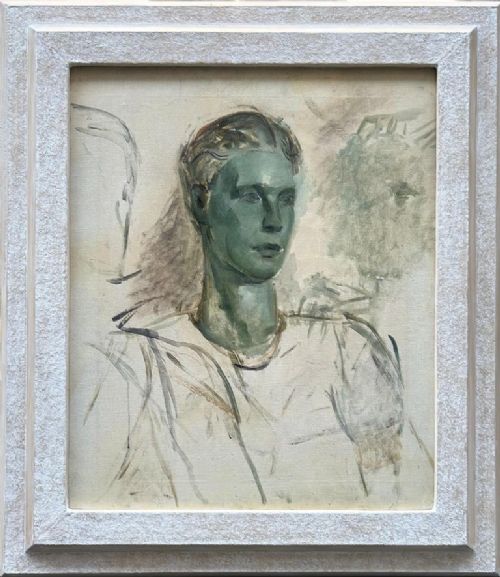
- En grisaille
- Painting executed entirely in monochrome shades of grey, usually to imitate sculpture or for preparatory studies. Artists occasionally adopted this method for dramatic, sculptural effect.
- Post-Impressionism
- An art movement extending Impressionism while rejecting its limitations, emphasising symbolic content and heavy painterly structure. Practitioners pushed colour and form beyond strict optical realism.
- Panel
- A rigid wooden support used by artists instead of canvas, common in earlier periods and revived for smaller works. Panels offer a smooth, stable ground for detailed oil application.
20th Century Portrait Painting: Frequently Asked Questions
What defines a modernist portrait?
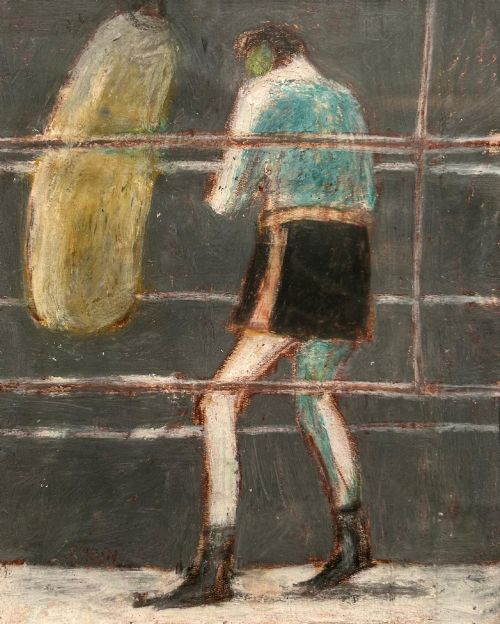
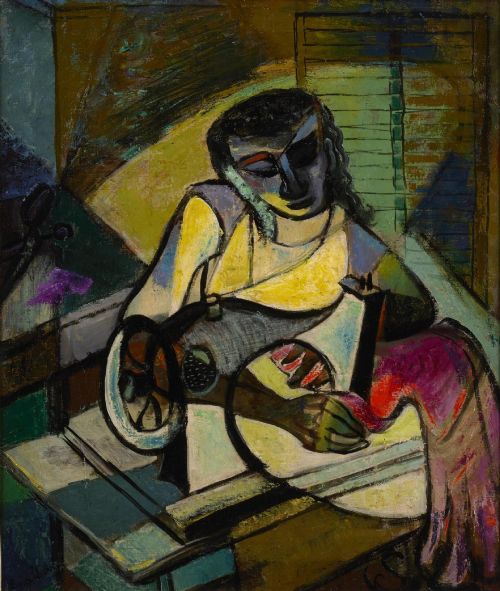
Modernist portraits move away from strict academic realism to emphasise emotional expression, simplified forms, and non-naturalistic colour choices. Artists sought to convey psychological interiority rather than photographic likeness.
These pieces often reflect broader avant-garde movements, showing looser brushwork and a focus on the structural qualities of the composition.
How are self-portraits different?
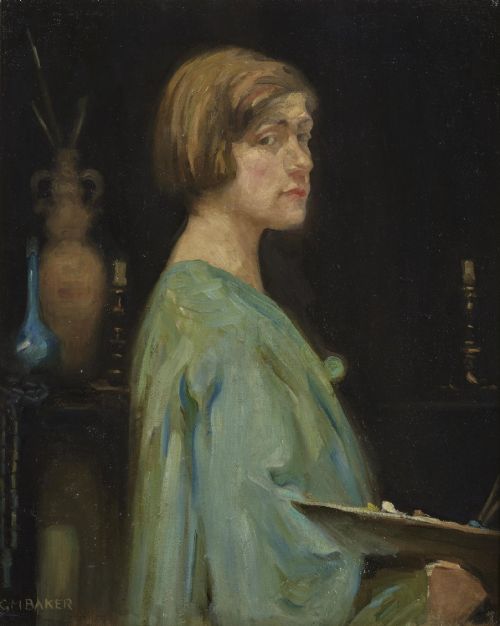
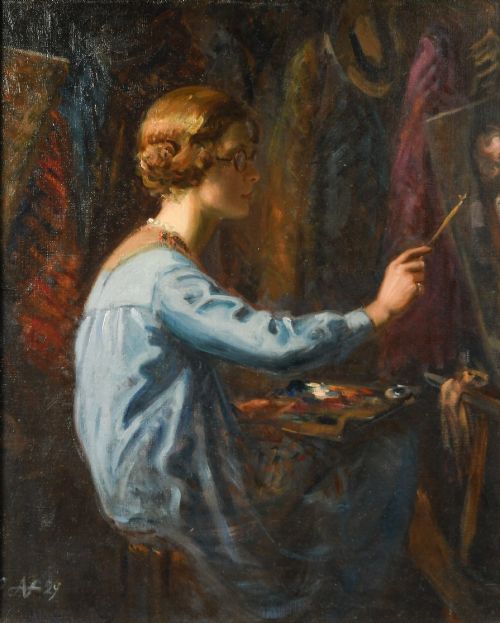
Self-portraits provide a direct window into how artists perceived themselves, their status, and their craft, often featuring studio settings or painting tools like palettes and easels. They frequently display greater experimental freedom than commissioned works.
Collectors value these pieces for the intimate connection they offer to the creator's personal identity and working life.
Can I date a painting from its frame?
Original frames offer valuable clues regarding the age and exhibition history of a painting, with distinct styles like swept gilt moulding indicating specific decades. However, frames were frequently changed or updated by later owners.
Examining the relationship between the canvas edges, stretcher bars, and the rebate of the frame helps confirm if they have remained together over time.
What is the difference between oil on canvas and board?
Canvas provides flexibility and texture, stretched over wooden bars that allow the surface to absorb the impact of the brush. Board offers a rigid, unyielding support that painters often favoured for smaller, rapid plein-air or studio studies.
Both supports were widely used throughout the twentieth century, with the choice often depending on the artist's preferred working method.