
20th Century Original Drawing
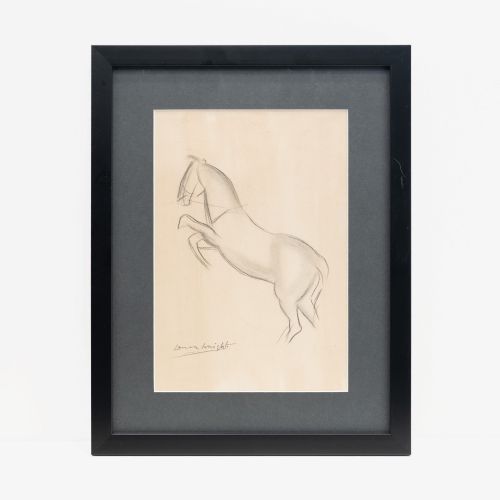
A 20th century original drawing offers direct contact with an artist's hand through ink, charcoal, pencil or pastel.
20th Century Original Drawing
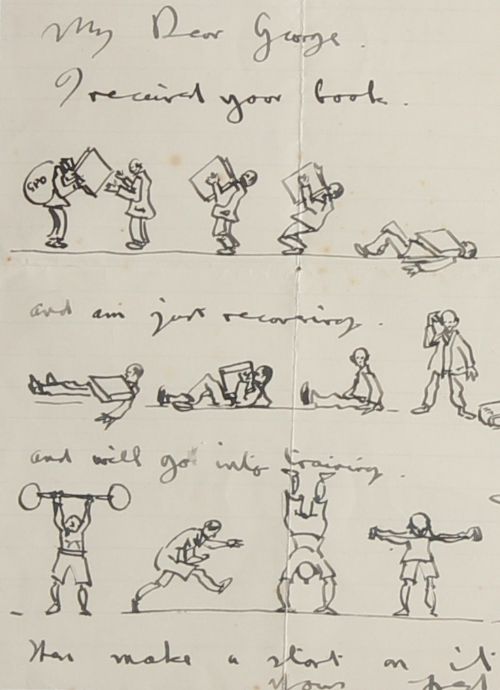
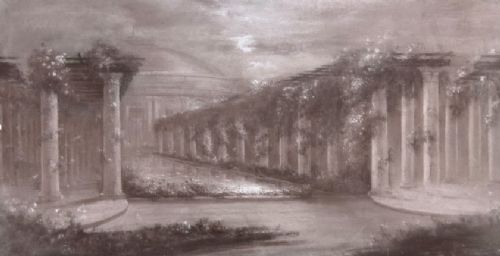
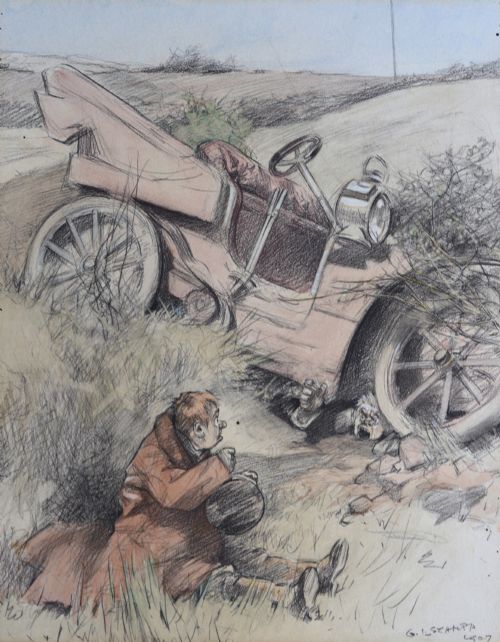
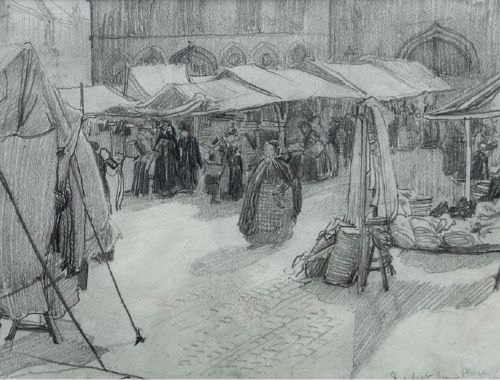
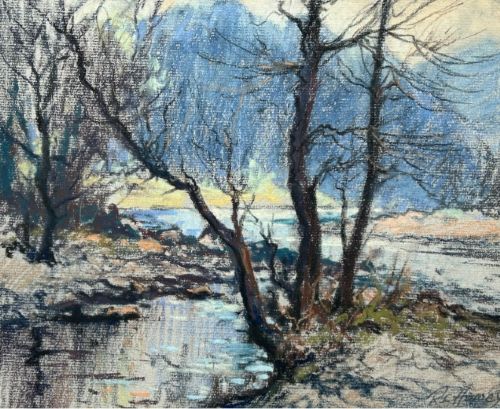
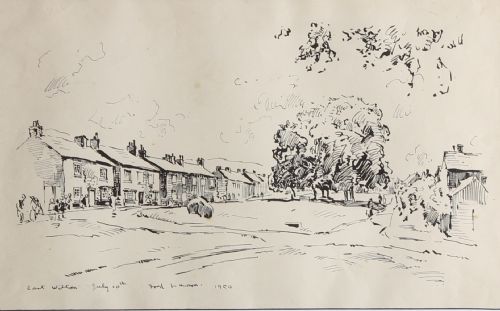
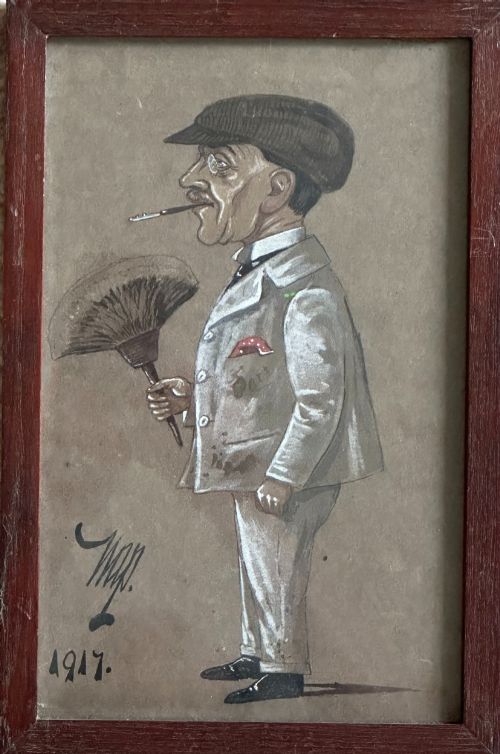
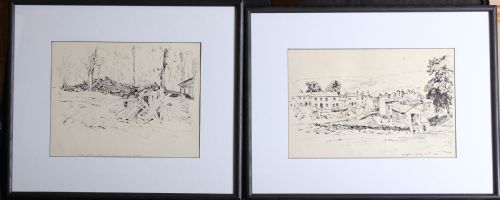
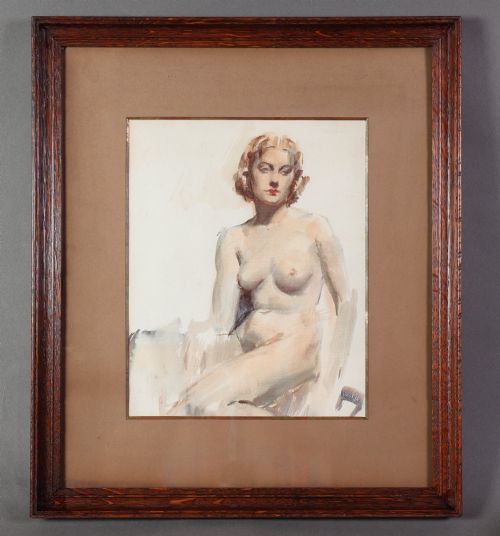
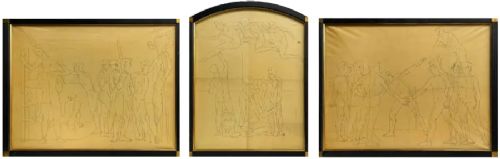
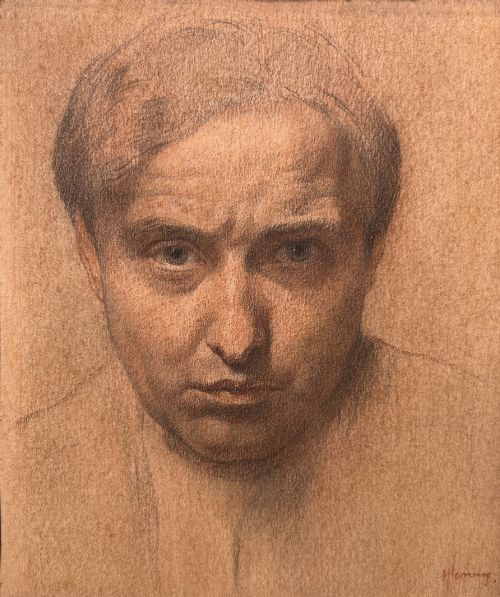
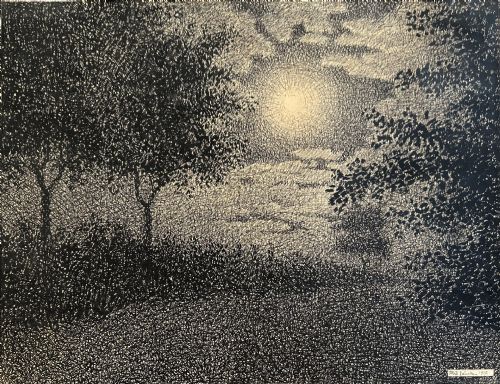
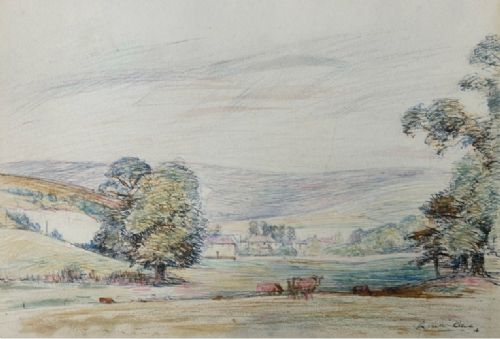
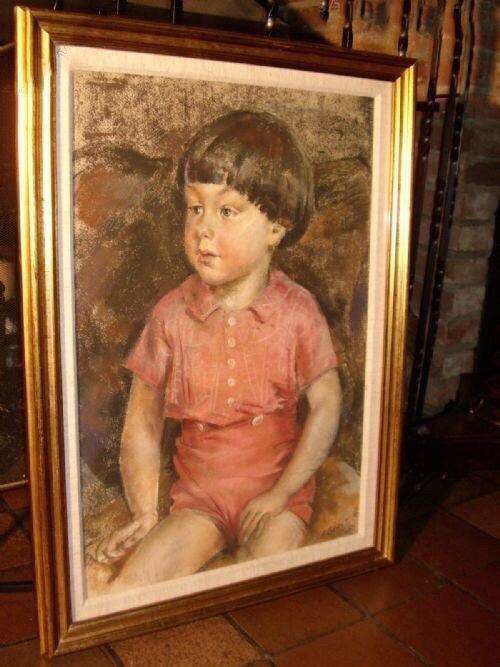
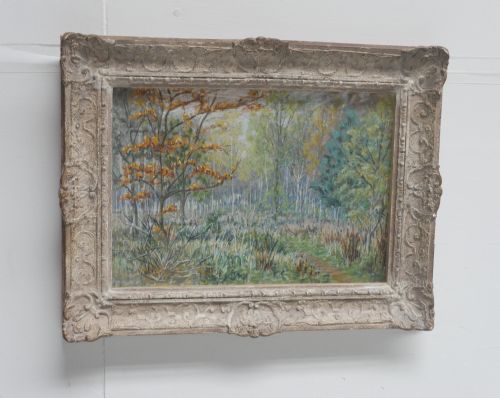
When hunting for a 20th century original drawing, collectors find works on paper spanning Edwardian sketches through to mid century modernist and impressionist studies. These pieces capture immediate artistic intent, ranging from rapid landscape watercolours and architectural views to detailed figure studies and portraits.
The selections on this page heavily feature British artists working across the decades from 1900 to the 1960s. Common formats include framed charcoal life drawings, ink townscapes, and vibrant pastel compositions executed on paper.
How they were made
Artists relied primarily on paper supports, applying dry mediums such as graphite, charcoal, pastel, and chalk, or wet mediums including pen, ink, watercolour, and gouache. Many of these works were executed swiftly on location to capture fleeting light in landscapes or movement in human figures.
Finishing techniques varied from simple mounted presentations to elaborate antique wood frames, sometimes with glass protection to preserve fragile pigment layers.
Several drawings capture hurried moments of everyday distraction, from animals napping to crowds queuing in the rain.
What varies in quality
The strength of a drawing rests in the confidence of the line and the economy of marks used to convey form and atmosphere. A master hand achieves depth and expression with minimal hesitation, whereas weaker examples lack structural conviction.
Provenance and association with documented exhibitions or recognised artist groups elevate certain works above anonymous sketches produced by student hands.
Fred Lawson·George Lorain Stampa·Henry Percy Huggill·Robert Leslie Howey·James Stroudley·Herbert Johnson Harvey·Russell Sidney Reeves·J.A.Grant·Dame Laura Knight·John Hobson Nicholson·Demetrios Galanis·Raoul Millais·Denis William Reed·Lawrence Stephen Lowry·Winifred Eugene Ballard·Irene Lagut·John Duncan Fergusson·Faeq Hassan·Frank Dobson·Harry Epworth Allen·Marjorie Christine Bates·Leonard Richmond·Dennis Flanders·Bert Thomas·Angus Rands
The 20th Century Original Drawing Glossary
- Charcoal
- A dry drawing material made from burnt organic matter that produces rich black marks well suited for expressive life studies and tonal shadows.
- Gouache
- An opaque water-based paint that provides solid areas of flat colour and highlights over preliminary pencil or ink underdrawings.
- Deux crayon
- A drawing technique utilising two distinct coloured chalks or pencils, typically black and white or red and black, on tinted paper.
- Provenance
- The documented history of ownership that establishes the authenticity and exhibition pedigree of an artwork.
20th Century Original Drawing: Frequently Asked Questions
What is a 20th century original drawing?
These works are unique, one-off pieces created directly by an artist using mediums like pencil, ink, or pastel on paper rather than being printed reproductions.
They represent the foundational thoughts and finished graphic works of British and European artists across the decades.
How should I frame works on paper?
Drawings executed in charcoal, pastel, or watercolour require framing behind glass with acid-free mounts to prevent fading and paper degradation.
Keeping them away from direct sunlight preserves the fugitive pigments often found in pastels and watercolours.
How do I identify different drawing mediums?
Graphite and pencil leave metallic grey lines, while charcoal offers a deep velvety black that can be smudged for shadow.
Pastels and gouache create opaque coloured surfaces, whereas ink and wash combine sharp lines with translucent tonal fluid.
Why buy life study drawings?
Life studies capture the rigorous academic training and observational skill of artists recording the human form in art schools or studios.
These expressive figures offer a direct window into the traditional working methods of twentieth-century painters and sculptors.