


Paper Townscape Artwork
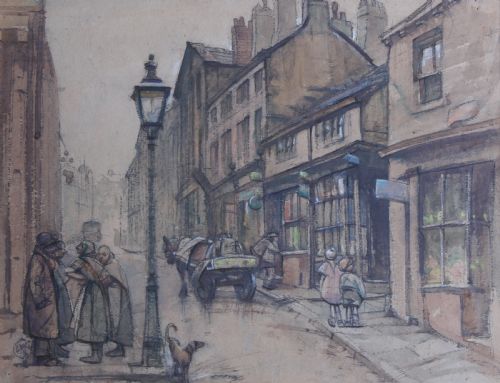
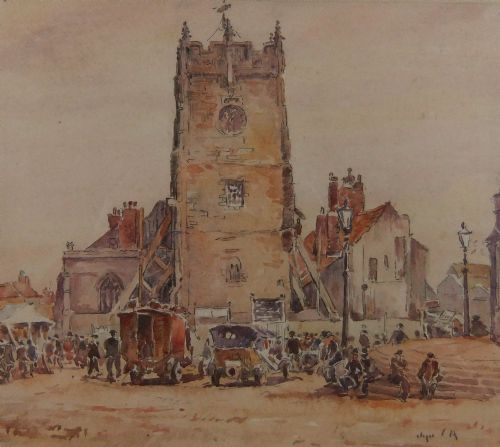
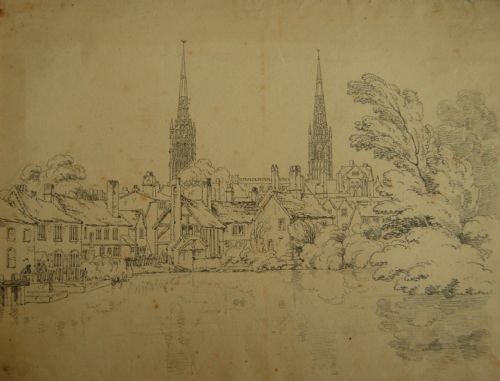
Paper townscape artwork captures streets and buildings through delicate washes and careful lines, offering a glimpse into past urban life.
Paper Townscape Artwork
Paper townscape artwork encompasses framed scenes of streets, market crosses, and historic buildings rendered on paper surfaces. When searching for paper townscape artwork, buyers encounter pieces spanning from the early nineteenth century through the mid-twentieth century. These works capture specific locations ranging from Yorkshire and the English Lake District to Sussex and continental Europe.
The selections available include watercolour paintings, original drawings, and charcoal sketches depicting architectural landmarks and bustling market mornings. Notable subjects feature recognisable spots such as the Mermaid Inn at Rye, the High Bridge in Lincoln, and royal parades in Harrogate. Each piece documents urban and rural townscapes through the observant eyes of British artists working across different decades.
What varies in quality
The distinction between works rests upon the artist's handling of perspective, light, and architectural accuracy within the composition. Stronger examples demonstrate a confident control over watercolour washes or charcoal density, bringing spatial depth and character to streets and buildings. Lesser works may exhibit rigid compositions or a lack of atmospheric engagement in depicting the chosen scene.
Provenance and documentation also influence the standing of a piece, particularly when connected to established artists or recognised regional views. The condition of the paper surface and the preservation of original pigments without fading play a significant role in the overall integrity of the artwork.
Listings feature works from the 1800s, Edwardian era, and mid-century modern movements, created using watercolour, charcoal, and pencil on paper.
John Smith Atherton·William Manners·Stanley Orchart·Joseph W. Milliken·Angus Rands·Fred Lawson·Henry Edridge
The Paper Townscape Artwork Glossary
- Watercolour painting
- A work executed with pigments suspended in a water-based solution on paper. This medium allows for transparent washes that capture light and shadow effectively.
- Charcoal sketch
- A quick or finished drawing made from burnt organic material, producing deep blacks and soft smudged tones. It is frequently utilised for expressive landscape and architectural studies.
- Townscape
- An artistic representation of the physical aspects of a town or city, focusing on streets, buildings, and public squares. These scenes document historical architecture and urban development.
- Graphite
- A form of crystalline carbon used as a drawing medium to produce fine, metallic grey lines. It offers precise control for architectural drafting and preliminary sketches.
Paper Townscape Artwork: Frequently Asked Questions
What periods do these artworks cover?
The available pieces span from the early nineteenth century through the mid-twentieth century. Artists from the Victorian, Edwardian, and mid-century periods are well represented.
This broad timeline shows how artistic interpretations of British towns shifted from detailed topographical records to more impressionistic and atmospheric sketches over the decades.
How should I display paper art safely?
Paper artworks require protection from direct sunlight to prevent the watercolour pigments and charcoal from fading over time. Framing them behind glass with conservation-grade mounts keeps the paper away from humidity and atmospheric pollutants.
Keeping them on interior walls away from direct heat sources ensures the paper remains stable and the wooden frames stay undamaged.
What subjects typically appear in these scenes?
Common subjects include historic British market crosses, coaching inns, bridges, and municipal buildings. Locations range from Lincoln and Rye to Yorkshire and the English Lake District.
Artists often focused on recognisable local landmarks that defined the character of growing towns and rural communities during their respective eras.
How do I identify a drawing from a painting?
Drawings rely primarily on dry mediums such as pencil, graphite, or charcoal to define lines, shading, and form. Paintings utilise wet media, specifically watercolours, applied with brushes to create washes of colour.
Many works combine both techniques, using pencil outlines underneath transparent watercolour applications to structure the townscape.