



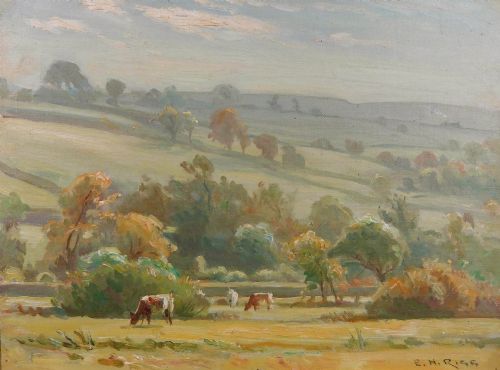
20th Century Landscape Canvas
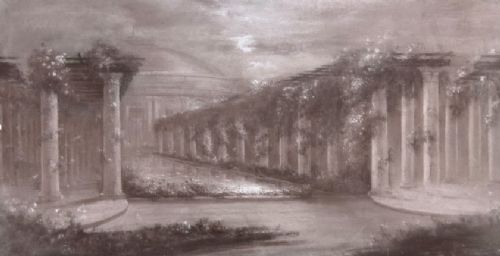
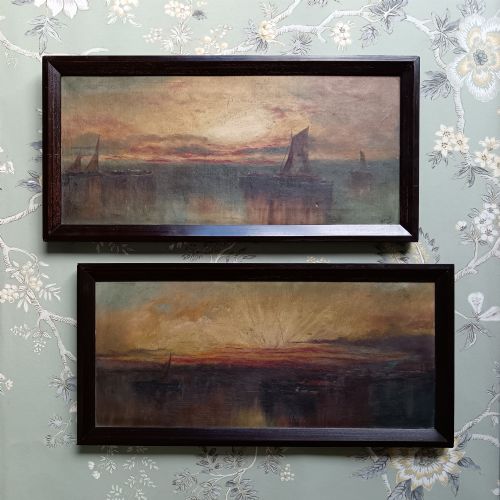
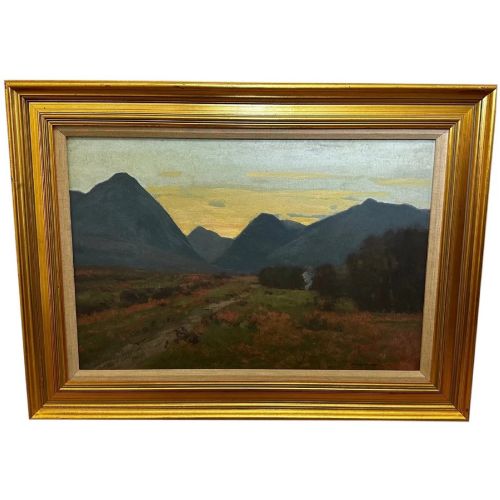
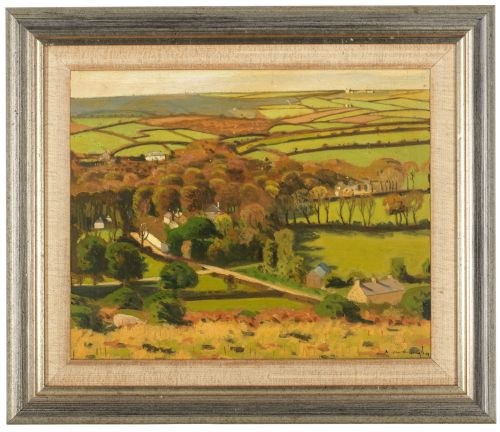
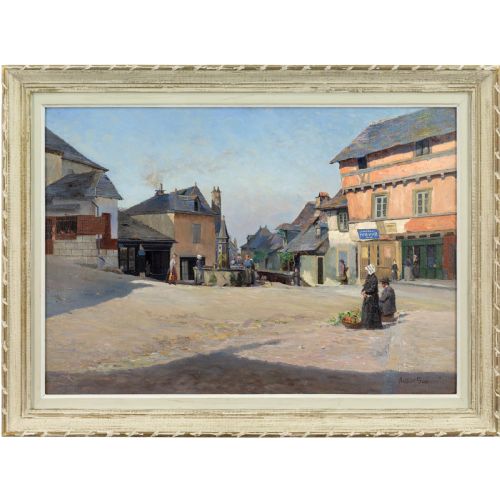
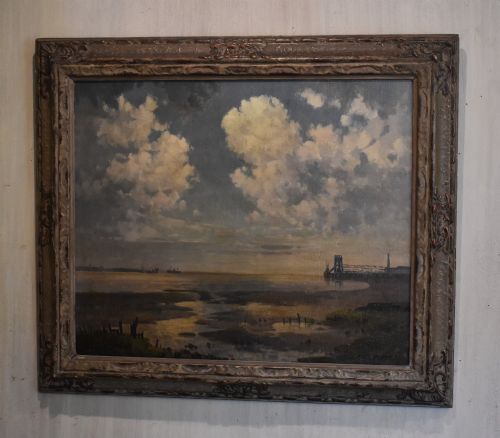
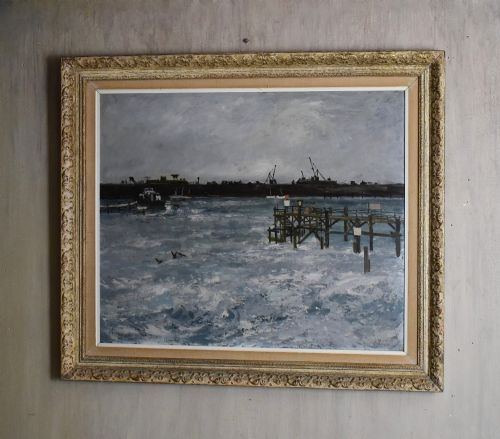
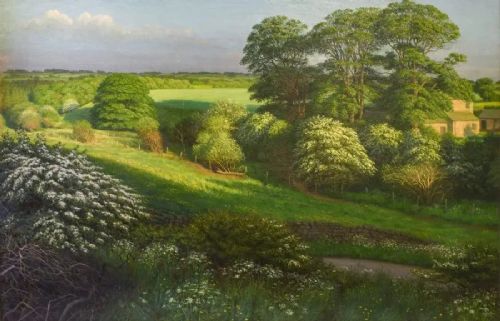
These works capture open vistas, rivers, and coastal scenes on woven fabric supports, offering collectors a direct view into past regional topography.
20th Century Landscape Canvas
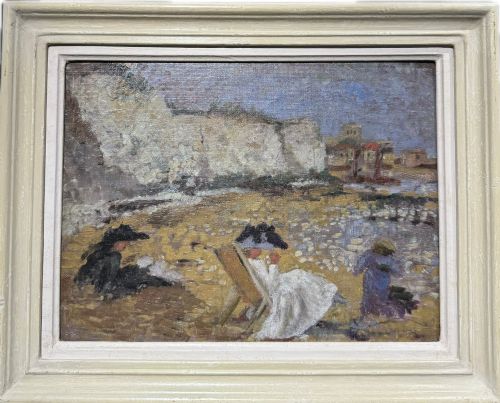
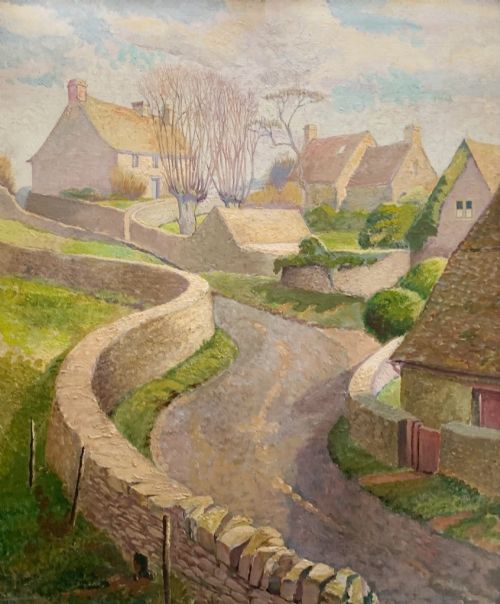
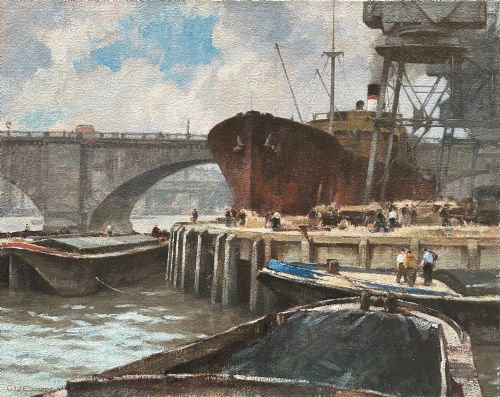
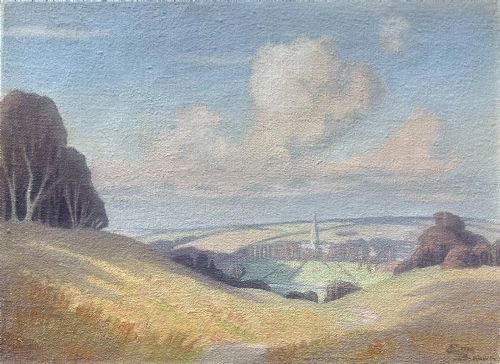
A 20th century landscape canvas captures outdoor scenery from rural rivers to coastal harbours across Britain and continental Europe. These pieces reflect regional topographies created during distinct eras including the Edwardian period and the mid-century decades.
The selections span several recognisable movements such as Impressionism, Post-Impressionism, and Modern British painting. Buyers encounter everything from intimate pastoral watercourses to sweeping maritime views rendered by regional and continental schools.
How They Were Made
Artists painted primarily with oil paint applied onto stretched canvas supports, though certain works utilise canvas laid onto wooden boards. Pigments were brushed or built up in textured layers to capture the shifting light of day.
Wooden stretcher frames provide the structural tension behind the fabric support, frequently housed within period gilt or moulded wooden frames.
Listings feature works created across British and European locations on oil on canvas supports dating from 1900 through the 1960s.
What Varies in Quality
Handling of light, atmosphere, and brushwork distinguishes exceptional compositions from standard regional records. Stronger examples demonstrate confident pigment application that captures the specific weather and mood of a location.
The fidelity of the underlying stretcher frame and the preservation of the original painted surface influence the overall integrity of the piece. Works retaining their initial context and stable pigment layers hold greater visual cohesion.
George Houston·Robert Morson Hughes·Brian Shields Braaq·Ronald Ossory Dunlop·Lilian Colbourn
The 20th Century Landscape Canvas Glossary
- Canvas
- A heavy woven fabric used as a surface for oil painting. It provides flexibility and texture beneath the applied pigments.
- Impressionism
- An art style focused on capturing the visual impression of the moment, particularly shifting light and ordinary subject matter. Artists employed rapid brushstrokes to convey immediate atmosphere.
- Stretcher
- The wooden frame that holds a painted canvas taut. It supports the fabric at the rear of the artwork.
- Gilt
- A thin layer of gold leaf applied to wooden frames. This decorative finish enhances the presentation of the artwork.
20th Century Landscape Canvas: Frequently Asked Questions
What periods do these landscapes cover?
The available works span from the Edwardian era through the interwar years and into the mid-century decades. Creators responded to changing artistic movements throughout these decades.
Paintings range from early century traditional views to later modernist interpretations of British and European topography.
How should I care for an oil on canvas?
Keep painted canvas away from direct sunlight and areas subject to sudden temperature fluctuations. Stable indoor environments prevent the fabric support and wooden stretchers from warping.
Dust the surface gently with a soft dry brush and avoid using liquid cleaners on the pigment layer.
Are these works signed by the artists?
Many examples feature artist signatures, monograms, or dates inscribed directly onto the painted surface. Some pieces include additional biographical details or gallery labels affixed to the reverse.
Unsigned works are often attributed to specific regional schools based on stylistic evidence and technique.
What subjects appear most frequently?
Common subjects include rural river valleys, coastal harbours, pastoral farmland with livestock, and mountainous terrain. Scenes span locations across Britain, France, Italy, and Switzerland.
Artists frequently recorded local working life alongside quiet natural vistas.