



20th Century Dining Chairs
These 20th century dining chairs offer substantial seating sets in robust timbers, bringing formal presence or rustic character to the table.
Form and period
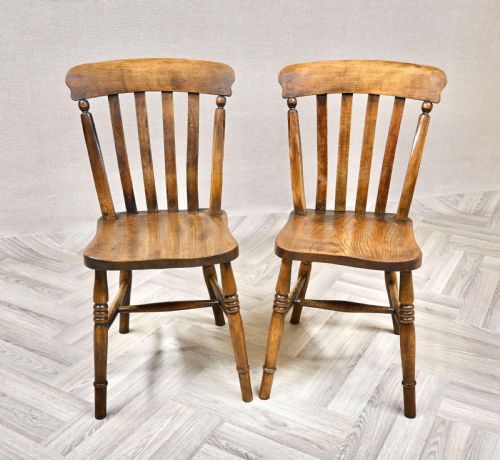
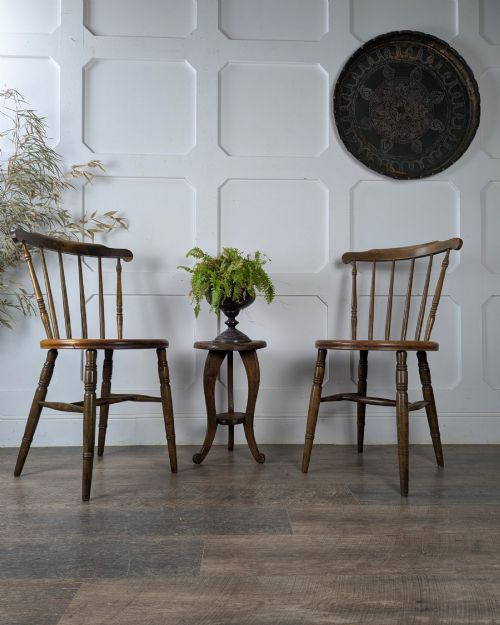
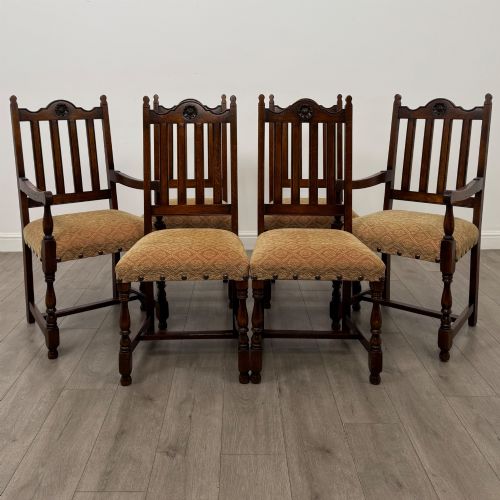
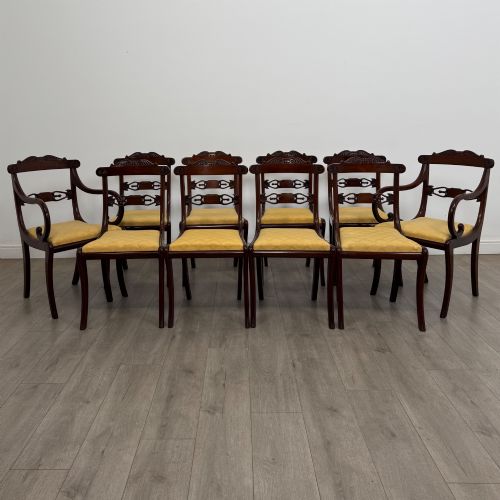
When searching for 20th century dining chairs, collectors encounter large matched sets originating from the Edwardian era and the year 1900 onwards. The forms span robust oak farmhouse chairs, high-backed Windsor designs in ash, and formal revival models.
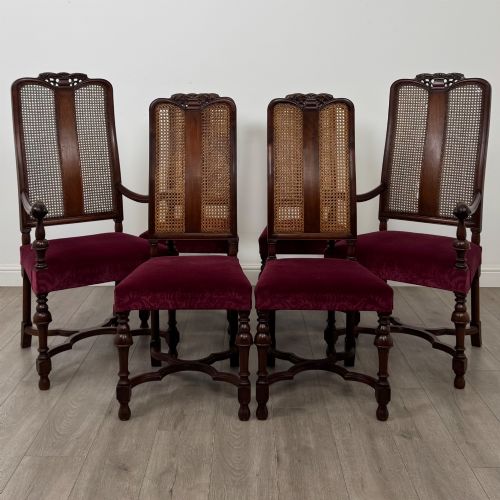
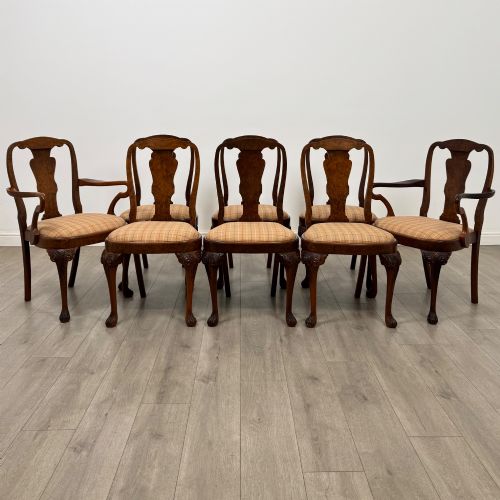
The selection frequently includes large sets numbering eight, ten, or twelve pieces, alongside smaller groups suitable for everyday dining tables. Oak forms dominate the historical record, often accompanied by substantial numbers of mahogany and walnut variations.
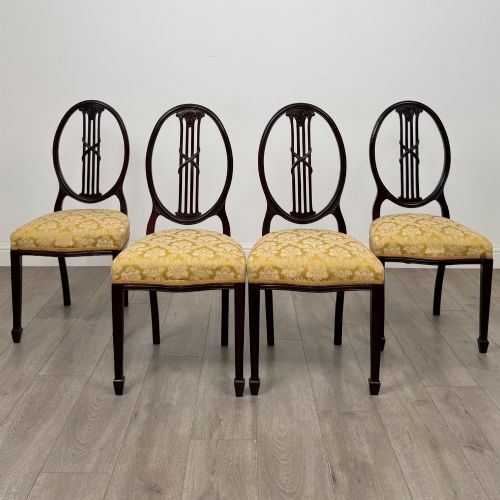
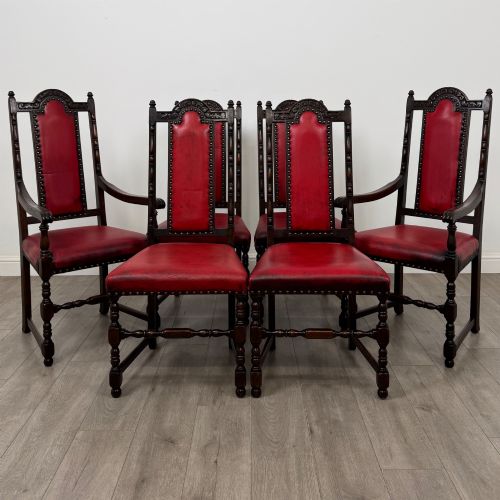
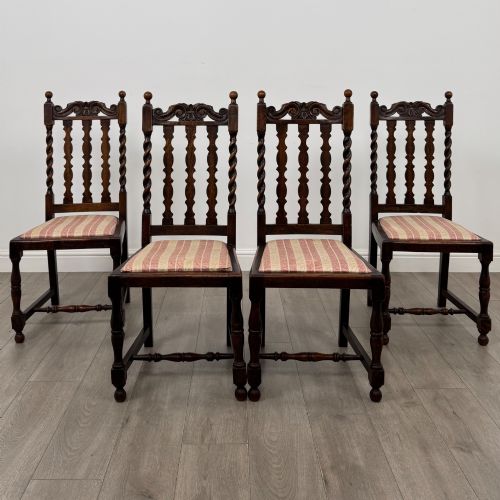
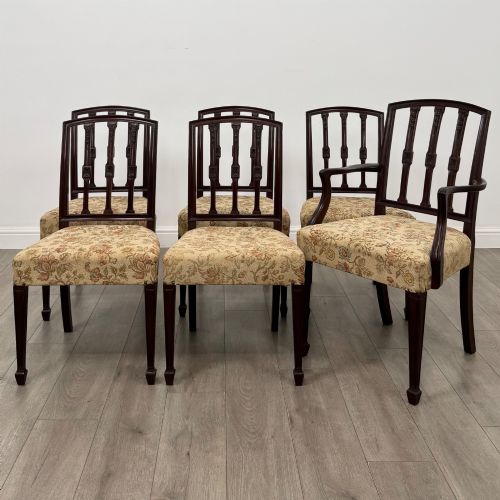
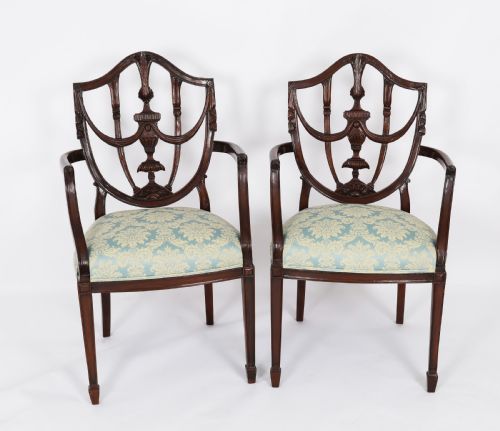
Revival styles heavily shape the offerings, drawing upon earlier aesthetics like Queen Anne, Regency, Jacobean, and shield back designs. Buyers will also find vernacular seating featuring ladder backs and bobbin or barley twist turned legs.
Quality and proportion
The distinction between standard examples and top-tier pieces rests upon timber selection and the cohesion of large sets. Premium versions utilise figured burr walnut, rich mahogany, or dense oak with consistent grain patterns across every chair in the set.
Refinement in carving distinguishes superior models, particularly in pierced splats, shield backs, and crisply turned legs. Complete, unaltered sets of ten or twelve chairs represent a higher order of craftsmanship than smaller, assembled groups.
Oak represents the most frequently recorded timber across these seating archives.
The 20th Century Dining Chairs Glossary
- Pierced splat
- A vertical central strip of wood within the backrest featuring cutout openings to form decorative patterns.
- Barley twist
- A carved wooden leg or stretcher resembling the helical spirals of twisted rope or barley sugar.
- Windsor
- A traditional wooden chair style featuring individual spindles socketed into a solid shaped wooden seat.
- Parcel gilt
- A decorative technique where specific carved details or mouldings receive a thin application of gold leaf.
- Ebonised wood
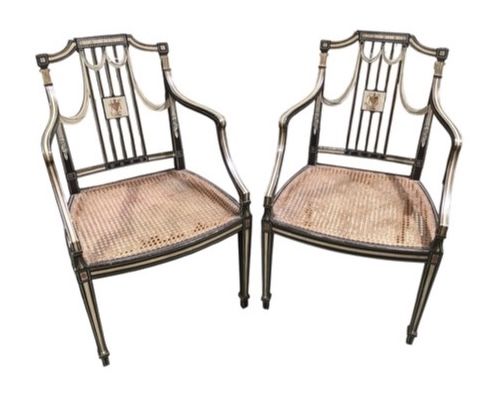
- Timber treated with chemical finishes or dark stains to imitate the dense black appearance of genuine ebony.
Frequently Asked Questions
How many chairs come in a set?
Sets range from smaller groups of four up to large dining collections numbering ten or twelve pieces.
Buyers commonly find sets of six or eight oak chairs suited for standard family dining tables.
What woods are used most often?
Oak appears most frequently across the historical record, followed by mahogany and ash.
Walnut, burr walnut, and ebonised timber emerge in more formal revival styles from the Edwardian period.
Are these chairs suitable for daily use?
Solid timbers like oak and ash provide the sturdy construction necessary for regular dining room seating.
Many vintage examples arrive with modern upholstery while retaining their original structural frames.
How do I identify revival styles?
Makers borrowed specific decorative motifs from earlier centuries, such as Queen Anne pad feet or Regency splats.
Examining the turning techniques and timber seasoning helps distinguish these Edwardian interpretations from genuine antique originals.