

Vintage Dining Room Seats
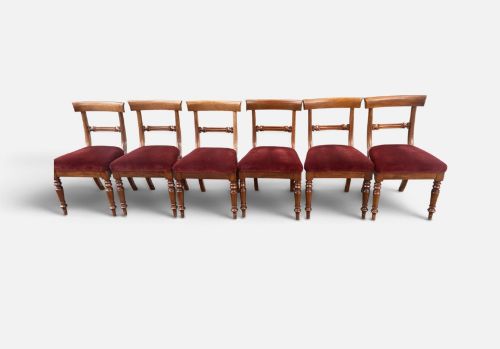
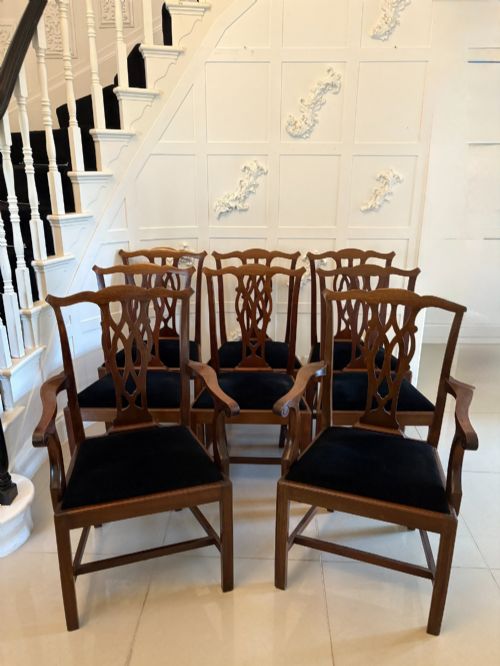
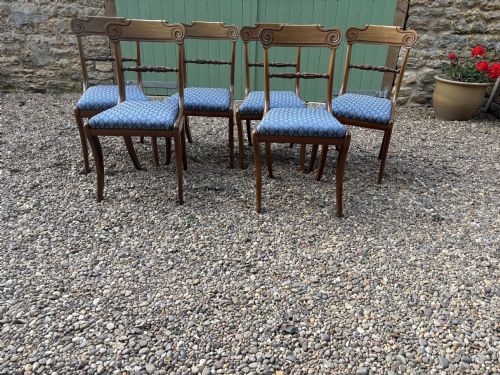
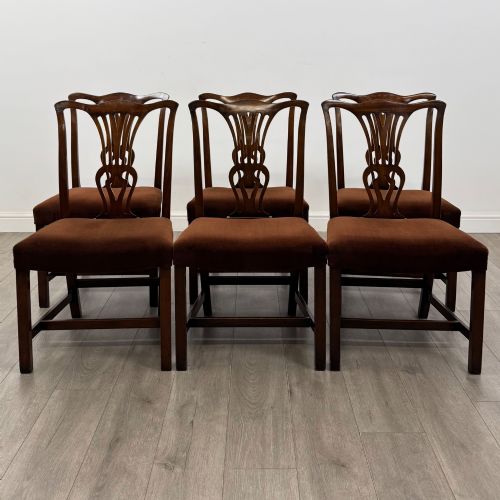
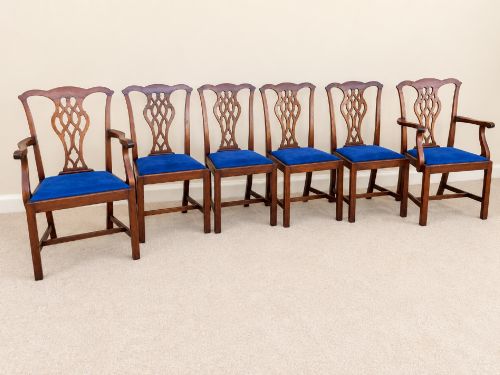
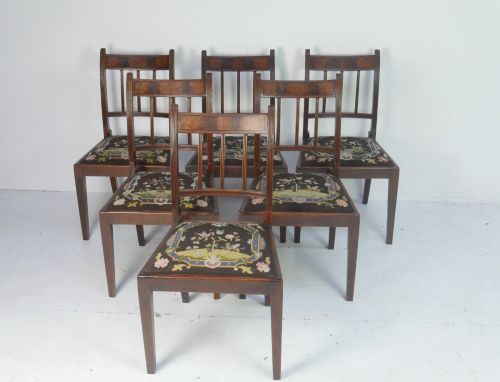
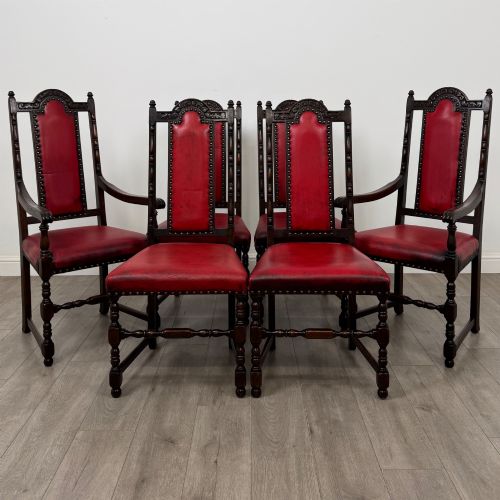
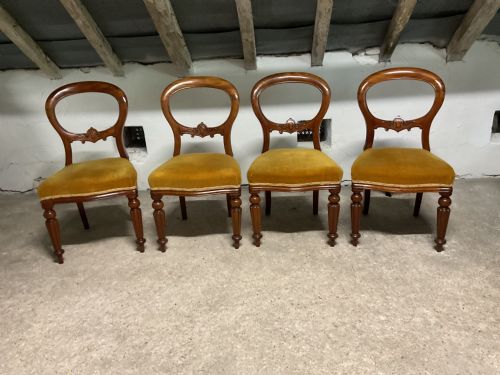
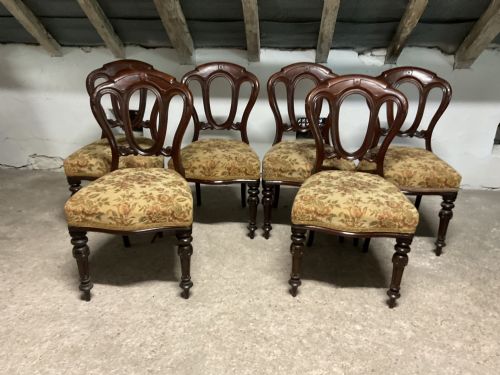
These vintage dining room seats bring substance to the table, spanning multiple centuries of British craftsmanship.
Vintage Dining Room Seats
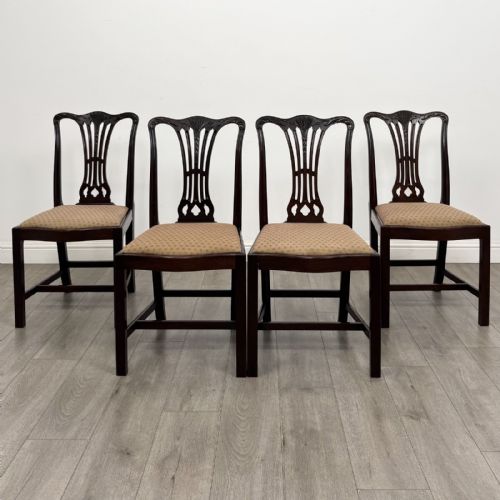
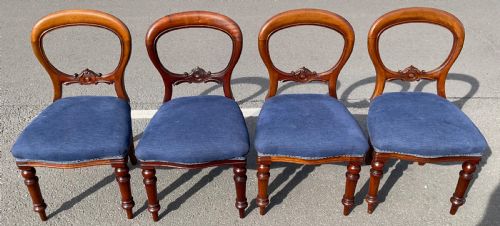
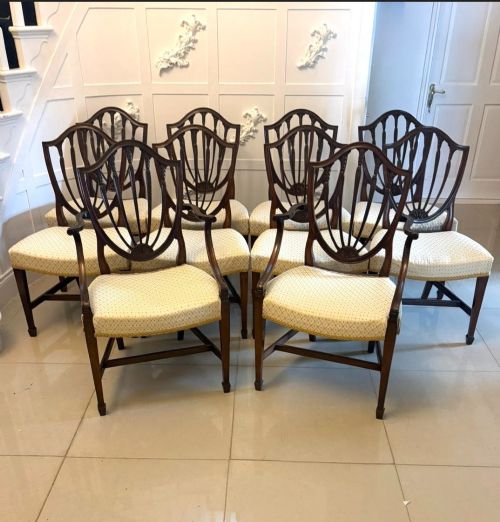
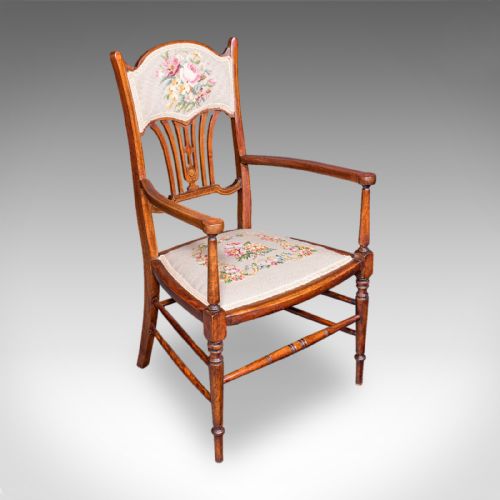
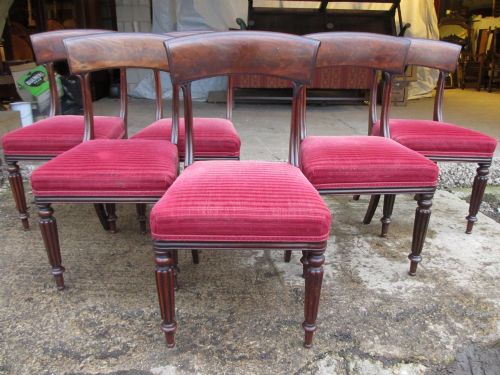
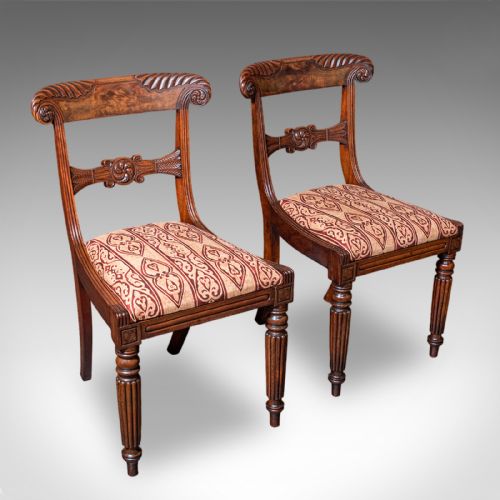
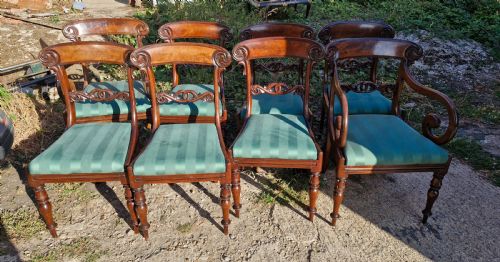
When buyers search for vintage dining room seats, they encounter a range of forms designed for formal and domestic interiors, predominantly dining chairs, armchairs, and side chairs. Sets ranging from four to ten pieces form the core of the selection, accompanied by individual carvers and occasional elbow chairs.
The pieces appearing on this page span several distinct periods, most notably the Georgian, Victorian, Edwardian, and Regency eras, with later twentieth-century examples also represented. Mahogany and oak dominate the timber selections, frequently paired with upholstered seats in leather, velvet, fabric, or textiles.
Stylistic revivals feature strongly among the listings, particularly Chippendale, Hepplewhite, Queen Anne, and Jacobean revivals alongside original period designs. Buyers regularly encounter complete dining suites or matched sets intended to anchor a traditional dining space.
How they were made
Cabinetmakers constructed these seating pieces primarily using dense hardwoods such as mahogany, oak, walnut, and occasional beech or maple. Frames often utilised traditional joinery, supported by turned or carved wooden elements including barley twists and shield backs.
Upholstered elements rely on period textiles, incorporating leather, velvet, and various woven fabrics fixed over padded seat foundations. Brass accents and hardware occasionally appear on specific chair designs to reinforce structural points or provide decorative detail.
Vintage Dining Room Seats Retail Price Guide 2026
Typical asking prices for vintage dining room seats among the pieces listed under this phrase on Sellingantiques today, from the lower quarter to the upper quarter. They describe what is for sale here now, not the wider market.
Mahogany and oak are the most frequently recorded timbers across all listed seating eras.
What varies in quality
The distinction between standard domestic seating and finer workshop production lies in the crispness of the timber carving and the selection of the wood grain. Superior sets display uniform timber matching across every chair in the group, whereas lesser examples show greater variation in grain and colour.
Structural integrity and the retention of original upholstery materials or period leather significantly influence the standing of a set. Pieces that retain their early finish and tight joinery without extensive timber replacement command greater interest from discerning collectors.
Maple and Co·Harry and Lou Epstein
The Vintage Dining Room Seats Glossary
- Carver
- An armchair designed with armrests, traditionally placed at the head of a dining table for the host. These often match a set of single side chairs.
- Shield Back
- A chair back shaped in the outline of a heraldic shield, popularized during the eighteenth century and revisited in later revival periods. This design often incorporates pierced splats.
- Balloon Back
- A rounded, oval-shaped chair back that curves outward, characteristic of Victorian seating design. It provides ergonomic support through its continuous wooden loop.
- Barley Twist
- A form of woodturning resembling a twisted rope column, frequently seen on the legs and stretchers of oak chairs. This decorative detail is common in seventeenth-century and revival pieces.
- Side Chair
- A chair built without armrests, intended primarily for dining around a table. These form the majority of standard seating sets.
Vintage Dining Room Seats: Frequently Asked Questions
How do I match chairs to a table?
Look for matching primary timbers such as mahogany or oak to create visual cohesion between the seating and the dining table.
Consider the period style of the table legs and apron to ensure the chair designs share a complementary aesthetic lineage.
What is the difference between a carver and a side chair?
Carvers feature integrated armrests and typically stand at the head and foot of a dining table for formal placement.
Side chairs lack arms, allowing multiple seats to fit closely together along the length of the table.
How do I identify a revival style from an original period piece?
Revival pieces often combine construction methods and timber treatments characteristic of the manufacturing era rather than the historical period being copied.
Examine the secondary woods, screw types, and overall wear patterns to determine whether a chair dates to the original Georgian or Victorian era or a later twentieth-century revival.
Are large sets difficult to find?
Sets comprising eight or ten matching chairs occur less frequently than smaller groups of four or six.
Many larger dining arrangements combine a base set with later matched carvers to complete the required number of seats for a room.